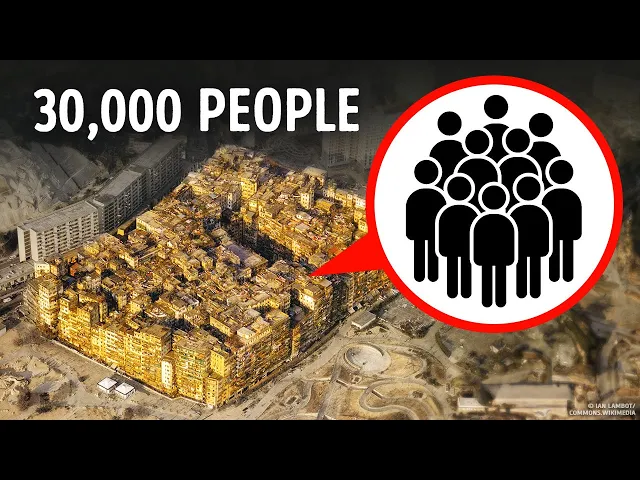
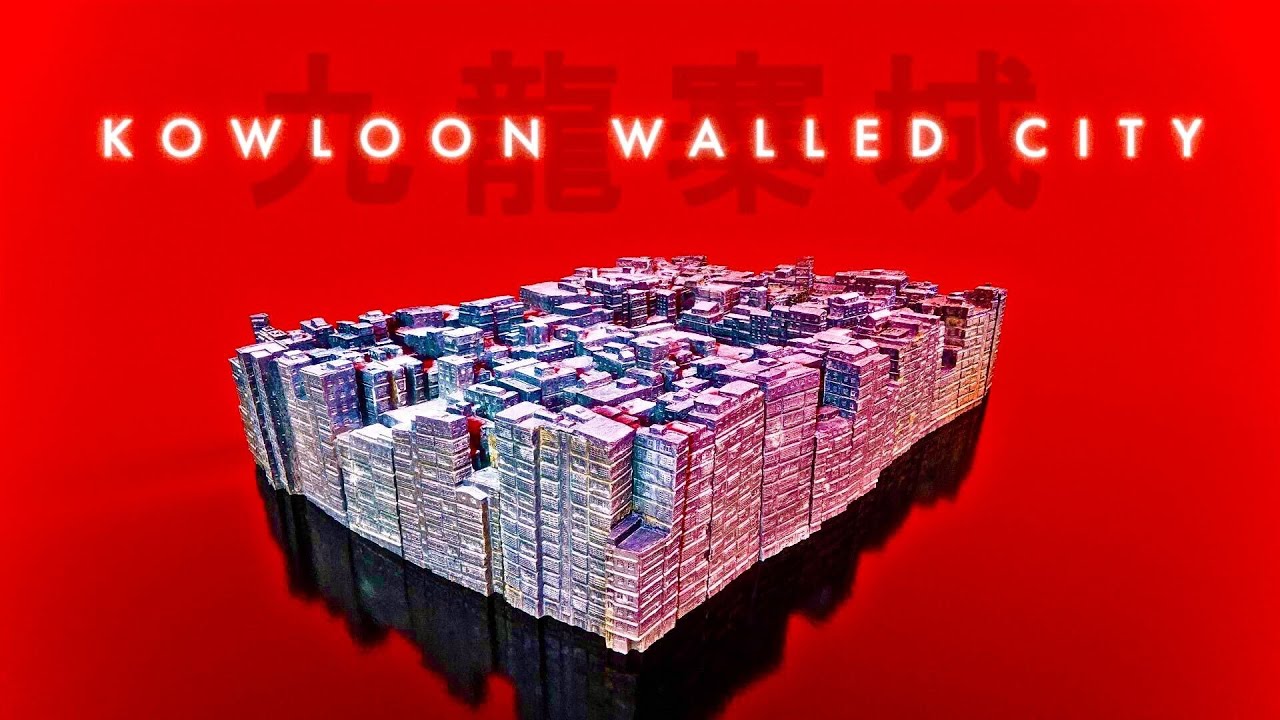
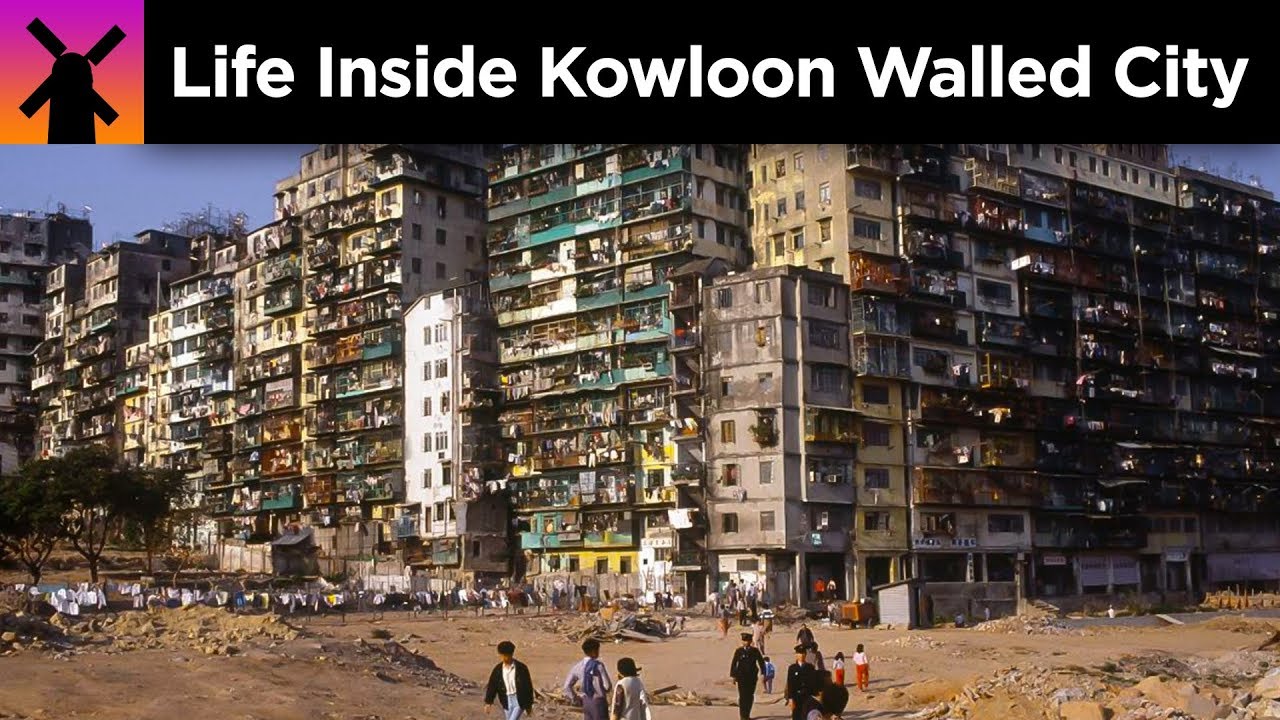
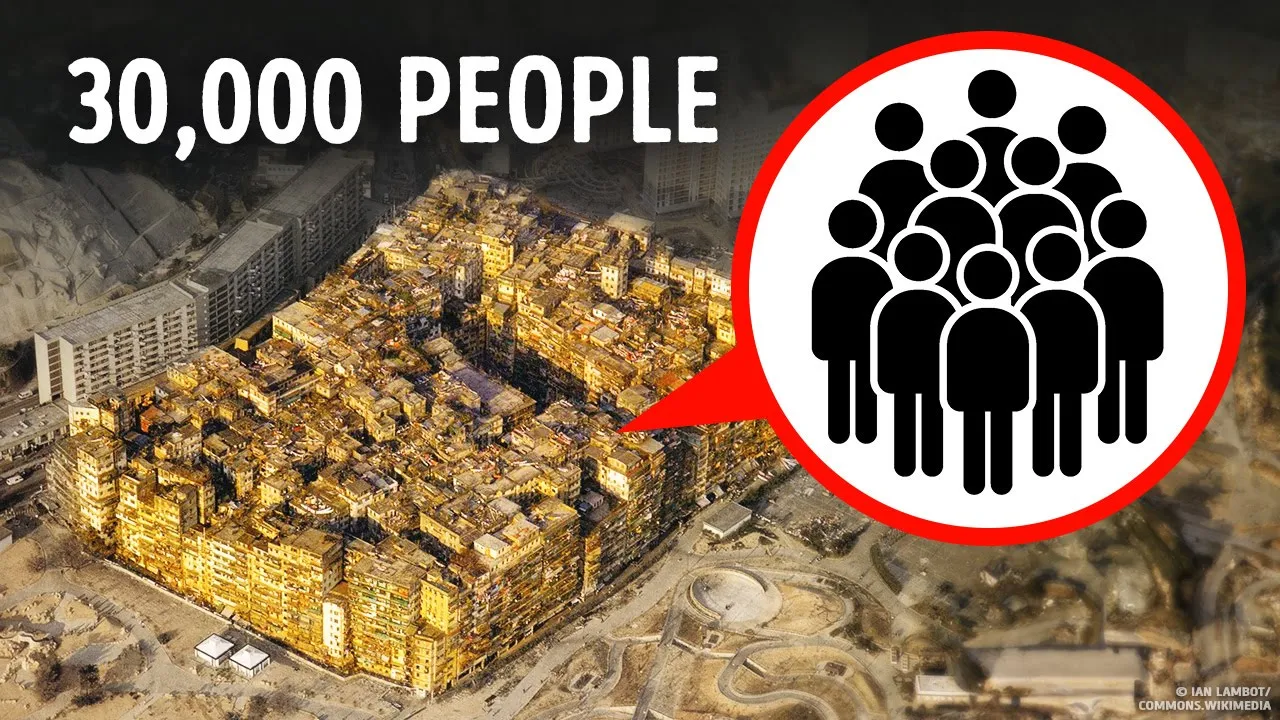
what you're viewing is recognized as the most densely populated location to have ever existed it spans just 6.4 Acres which is equivalent to 13 Starbucks coffee shops located in the Empire State Building and while a huge coffee shop like this one can host say 1,000 guests this place somehow managed to have around 33,000 people squeezed in some estim suggest that the actual number could have soared to 50,000 at some point this is cowon Wald city the city is relatively young settled in 1898 but its history goes back nearly a thousand years to the Song Dynasty
originally a modest fortification it remained largely unchanged until Renovations in 1847 added defensive walls leaving to its Revival a half century later but back then the area was sparsely populated rather than crowded to really understand just how packed this area got by the mid 20th century let's compare it to some others take the East Village in New York City for example it has a little park at its Center but mostly it's filled with a mix of historic homes and newer apartment buildings as of 2010 it was home to over 44,000 people making it way more
crowded than the rest of New York City which is saying a lot since New York City is the most densely populated city in the US by most standards it's pretty busy but then you look at cowon Walt City and it's a whole different ball game if all the land there could be split proportionately between the residents that would be somewhere around 5.5 to 8.5 Square ft per person if we count land only while science claims people need 200 to 400 ft at home just to feel good so why was everything crammed together like that well
it comes down to cun Walt City's unique status it was never officially part of the rest of Hong Kong what started as a small Chinese military Outpost became more significant when larger Fort was built nearby coinciding with the rise of Canton Harbor after the fall of the Ching Dynasty this site transformed into a tourist destination eventually becoming home to around 400 squatters however in the 1930s the Hong Kong authorities intervened relocating the inhabitants and demolishing the dilapidated structures the 1940s and 50s were pretty rough times for folks in Calon and while the residents were somewhat
accustomed to different countries vying for control over their land they were definitely caught off guard by natural disasters in January 1950 a massive fire broke out that wiped over 2,500 Huts leaving almost 3,500 families which is about 177,000 people without homes This Disaster really underscored the need for better fire safety measures especially in the squatter areas made mainly of wood the problem didn't end there due to the lack of control from both the Chinese and British authorities except for a handful of operations conducted by the Hong Kong police the Walt city became a refuge for
illegal [Music] activities it was not until a trial in 1959 which took place within the Wald City's boundaries that the Hong Kong government was officially recognized as having jurisdiction there by that time however organized crime groups known as Triads had already established dominance over the area starting in the 1950s Triad factions such as the 14k and sunun took control of all the criminal dens within the waled city the environment became so dangerous that police would only enter in large numbers it wasn't until 19 73 and 1974 when over 3,500 Police Operations led to more than
2,500 arrests and the confiscation of illegal produce that the influence of the Triads began to diminish only a decade later the local police chief announced that the crime rate in the Wald city was now under control and even though crime dropped the wal City still became known for having a surprising number of unlicensed doctors and dentists who could work there without fear of getting into trouble that was a win-win many workingclass people couldn't afford licensed dentists somewhere in Hong Kong so they would go to cowon to receive affordable healthare you get it now what can
attract people in such a seedy place right it's zero oversight and zero oversight means that anyone could start their business here no matter how Shady it was however there were some totally normal entrepreneurs for example noodle makers despite all the dangers the population of the city kept growing but how can you create more houses if your territory is very limited simple think vertically not horizontally so local developers started stacking more and more stor stories as if those were Lego bricks you could easily add on top of your Tower this led to a crazy population boom
making the city feel like a little world of its own with over 33,000 people being crammed into 300 buildings on just about 7 Acres by the late' 70s and early 80s the city hit its peak size but that came with some quirks [Music] however there were limits on how tall buildings could go those could not exceed 13 to 14 stories and it was because of planes flying into kitak [Music] airport yeah living close to the airport meant residents had to deal with a lot of noise water was provided through eight Municipal pipes although there were
options for Wells too some streets barely saw any natural light thanks to the way bu buildings were packed in and fluorescent lights were the go-to for illumination down below it was night time all the time in there so the city buildings were pretty tall yet the city had merely two elevators for its entirety at the base of various skyscrapers both shared and private mailboxes were affixed to the walls frequently this left the postman with no choice but to ascend on foot even several floors High the tangle network of paths persisted intricate passages that wound their
way into the city's core through a web of bridges and staircases but let's say you live in such a place and want to have a walk or just a bit of fresh air what do you do in such cramped conditions rooftops will serve you a thousand purposes they can be a space for physical activities and a kids playground but they can also be used as venues for Pigeon Racing with residents making their guess concerning which pigeon comes first and it's illegal for sure such rooftops can pose certain risks because of the narrow spaces between the
buildings but locals use them also as landfills the absence of a ficient garbage collection led to some residents to transport their larger waste items up to the roof consequently many rooftops became crowded with abandoned mattresses damaged furniture and appliances hey I get the feeling that I'm talking about something that actually exists sorry for that I totally forgot to mention the most important thing this city seized its existence back in the 1990s what happened long story short both Chinese and British authorities grew increasingly weary of the chaos unfolding in the city control was difficult if not
impossible criminals kept proliferating and the area was in disarray consequently officials from both countries chipped in and allocated approximately $350 million in compensation for the locals who had been kicked out of that area as the city was demolished cowon exists today but not as the infamous wal City it's now an urban area in Hong Kong which is located in a completely different place it just has the same name as for the area that used to be cowon there's now a park known as cowon Wald City Park Architects and thinkers still look back at cowon as
a prime example of the organic Mega structure concept from the 60s which envisions cities as flexible networks that grow and change with their residents almost forgot if you're looking to catch a glimpse of the real deal you should watch Crime Story starring Jackie Chan as some scenes were filmed [Applause] there that's it for today so hey if you pacified your curiosity then give the video a like and share it with your friends or if you want more just click on these videos and stay on the bright side