[Applause] [Music] the sculptor of a house who won this year's Turner Art Prize has watched her work being demolished the piece which has been variously described as a post-war masterpiece and a lungfish I saw was created by injecting an empty Edwardian terraced house with concrete and then knocking the walls down many local people thought it ugly and a waste of money the man who lived in the house for 50 years wasn't sorry to see it go he knows what kind of art he likes and it isn't this most of the people around here that I've
spoken to and if you see anybody go on a bus or if you run of us they say it's a waste of money it's just a load of concrete to them if the purpose of modern art is to provoke us to think twice about the world we live in that Rachel Whiteread house has been a triumphant success the artist exploring the new is always liable to division and hostility the new is always shocking the 1993 winner of the Turner Prize is Rachel Whiteread [Applause] [Music] [Applause] [Music] in 1993 the British sculptor Rachel Whiteread became the
first woman to win the Turner Prize this perceptive understated artists is celebrated across the world but Rachel Whiteread has always had a knack for courting controversy on the same night that she received the 20,000 pound turner prize she was forced out onto the steps of the Tate to accept a 40 thousand pound protest prize for the worst artists in the world I mean it's quite something that the most significant work you make is about to be demolished that you're the best artist in Britain and the worst same day and you're better rewarded for being the
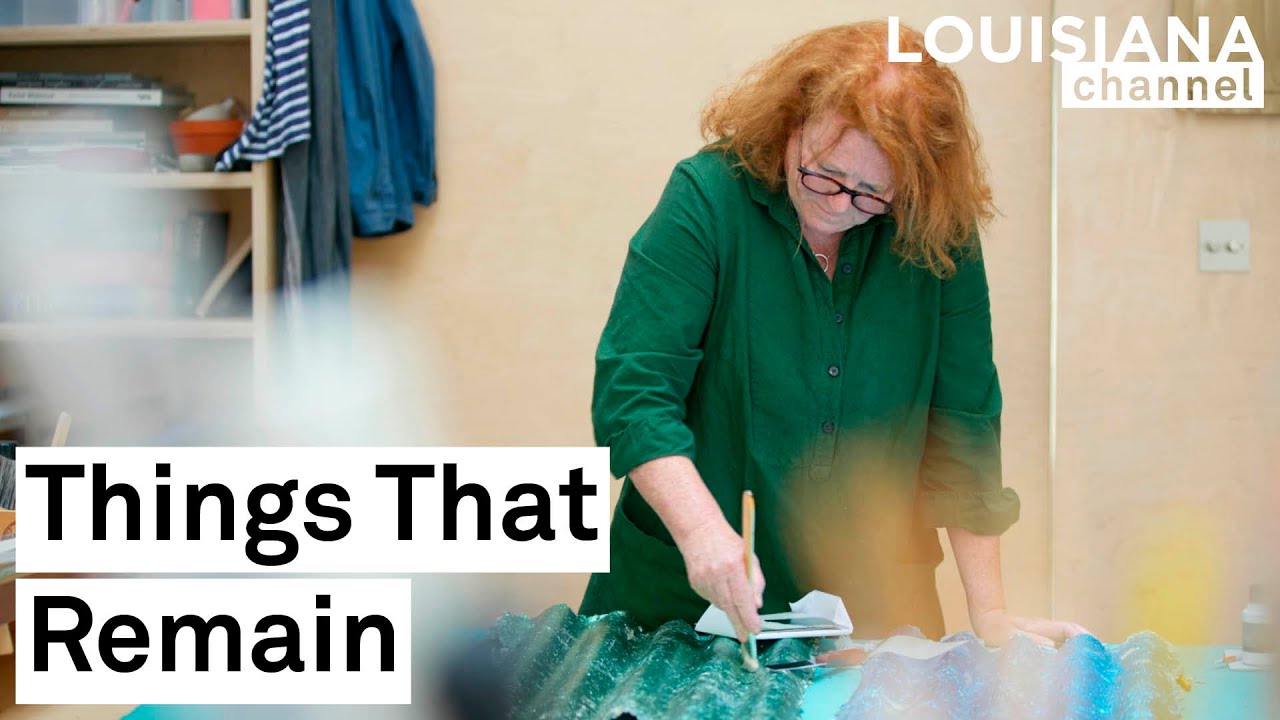
worst yes for being the best yeah so no wonder I'm surprised you're still with us Rachel's preparing for the largest exhibition of her work to date [Music] I choose things because of their their kind of humbleness really and the things that we all have some sort of relationship with it's making space real it's kind of giving space and authority that it's never had before it's like that space underneath your desk that your legs have always gone under you know it's suddenly bare solid I started making these pieces of the cast of the space underneath the
chair I wasn't satisfied with casting one and I cast about ten different chairs [Music] [Music] I wanted to make a sort of absence of an audience there's something very sort of architectural about it something quite sad about it you do feel a real absence as an element of our work with this highly formal that comes out of minimalism but she's managed to give feeling back to minimalism she's allowed it to touch you she's allowed memory to be both particular and personal [Music] but also universal I knew throughout college that there was something I was trying
to do but I couldn't draw it out probably I had been thinking about my parents where they'd come from the kind of families that they had the kind of furniture that they might have had when I was a little kid is to enjoy hiding in my mom does wardrobe you know I had two older sisters we'd play hide-and-seek and stuff but also I think I was bullied a bit it was a little safe cozy place that you could go I could just remember then the smell of the clothes and the furry blackness of the space
I wanted to somehow make that real I didn't really know what I was gonna do I just saw oh no make it big plaster cast out all this wardrobe see what happens and shut the doors and just you know kind of cross my fingers peeled it off and I've made this thing I covered it with black felt I was like wow actually that's really interesting and the locks all back to front and where the wood is it's not and it just felt right it somehow felt that I'd found my place or something something fitted together
I'd somehow managed to make memories solids [Music] Rachel Whiteread was born in Essex in 1963 the youngest of three girls her father was a geography teacher and her mother an artist it was a kind of nurturing household but also I would say later in life I've realized probably a bit neglectful as well in terms of just letting us get on with what the hell we wanted to do really and which was great in lots of ways but I think it was you know there were there were times that were quite tough in our family what
kind of tough my parents you know had moments of not really getting on so well my mum had some you know she had dealt with depression quite a lot there were trials definitely it wasn't their sort of idyllic sort of unplugged tell me about your mum then you know being a woman artist at that time that was quite unusual she was a big character my mum and you know she was people if they met her they remembered her you know she was a feminist yeah I think she she was certainly a strong voice and she
was quite eccentric and she wasn't going to be told that she couldn't do something there was a show called the women's images of men which was shown selected in our basement what come home from school and make coffee for all these rabid feminists who were all shouting at each other in the basement and there was some terrible work even I remember as a kid looking at this thing I think he blimey yeah but there were some great things as well I always feel very grateful to her and her generation for having stuck their necks out
to make it possible for my generation to do what we do I was at thinking about your father who was a geographer when I was a little kids our back garden was a massive field and beyond the back garden there was a Roman Road which I always remember as being one of the most exciting things and I'd often walk along the Roman Road with my dad and think about what had happened there and he'd get this is a Roman brick you know and be incredibly excited about it he was interested in making the stuff of
the world alive we'd go on these sort of family Sundays and Victorian waist tips and get entire dinner services [Music] all this stuff you just dig out and then you go to the guy at the end and say how much for this lot and he'd say well I'll be three quid you'd get an entire dinner service for three pounds which is either something in your DNA I mean in some families picking up rubbish from Victorian tips and bringing them home and eating off them and would not necessarily be a sort of normal part of family
life oh it was a day-to-day with us there certainly yeah so all of this stuff somehow is sort of in my you know I kind of feel it and live in some how it comes back into what I do I kind of recall it your father laid the cement floor in your mother's Studios yes and I helped I would mix concrete and carry buckets of concrete down and it was only ten or something yeah but I really enjoyed doing it [Music] my dad was no real genius at making things his father had been a carpenter
he had as some sort of skill he'd learned from his dad [Music] it was very much the thing that I did with my father was it inevitable that that's what you were going to you're going to be an artist and it was because of my mom you know I just didn't want to do what she did and once I did didn't want to know so you were resisting I was resisting I thought what am i doing just go to art school this is what you want to do why are you pretending you don't [Music] [Applause]
[Music] [Applause] [Music] so you're 18 years old you leave home and then you go to Brighton to study at the Pali I noticed you're not making sculpture yeah when I was a bright and I painted properly painted in my first year second year I was sort of getting bored of the edges of paper and canvas explain this to me you were bored with the edges I'd wanted to go further than the edge of something so I'd be like I don't like the fact that that stops there so I then start making things and cutting things
out and then I got interested in the sculpture Department I was sort of hijacked them and let you know it sort of started working down there as well and I just I was one of those students that I decided to war at work across all disciplines which was exactly what the art school didn't like at that point a great town to be at college I'd go for these walks on the beach and I'd pick up what I'd call found lines they're always bits of meki bits of rubber tire and all this stuff and I just
constantly be picking it up and putting in my panties on my bike and cycling it back to the studio and making things with it that's really where I first started to think about just using strange bits and bobs I found oh well very often go for the ugly object the thing that no one else would want that would be that my preference yeah the Tate exhibition will trace Rachel's work over 30 years starting with four pieces she made for her first solo show in 1988 everything that I've always used has been secondhand and there's nothing
more seedy really than a secondhand hot-water bottle the process of filling a hot water bottle is it's very sort of emotional and familiar if we've been fortunate enough to have a relatively happy childhood and family life then these things are all part of our history these things really do have the essence of us on them somehow [Music] casting the space inside a cupboard under a bed it's interesting that all this happened the time when your father was terminally ill there was a Stephanie a sadness within me that I knew my father was dying you know
he was gradually sort of slipping away a lot of the work had been incubating really throughout that time the piece that was most to do with that was the cast of the space underneath the bed people have said it was the bed that I was born in it was a bed that my father died in it was you know everybody wants to have a you know it was a bed that moved me that idea because actually I I do recall hiding hiding under under a pair and it's something it's a very early memory for just
about everyone and it's the trois Truffaut BIA it's the smell of the Hessian it's the dust this the space you never think about Rachel had been channeling her energy into small neglected objects but for her next project ghosts she looked beyond the object to the space that surrounds it it's like every room I've lived in you know it's like the room I was born in it was like and when I left home moved in bright move to bright and I had a it was exactly virtually exactly the same as the first room I had when
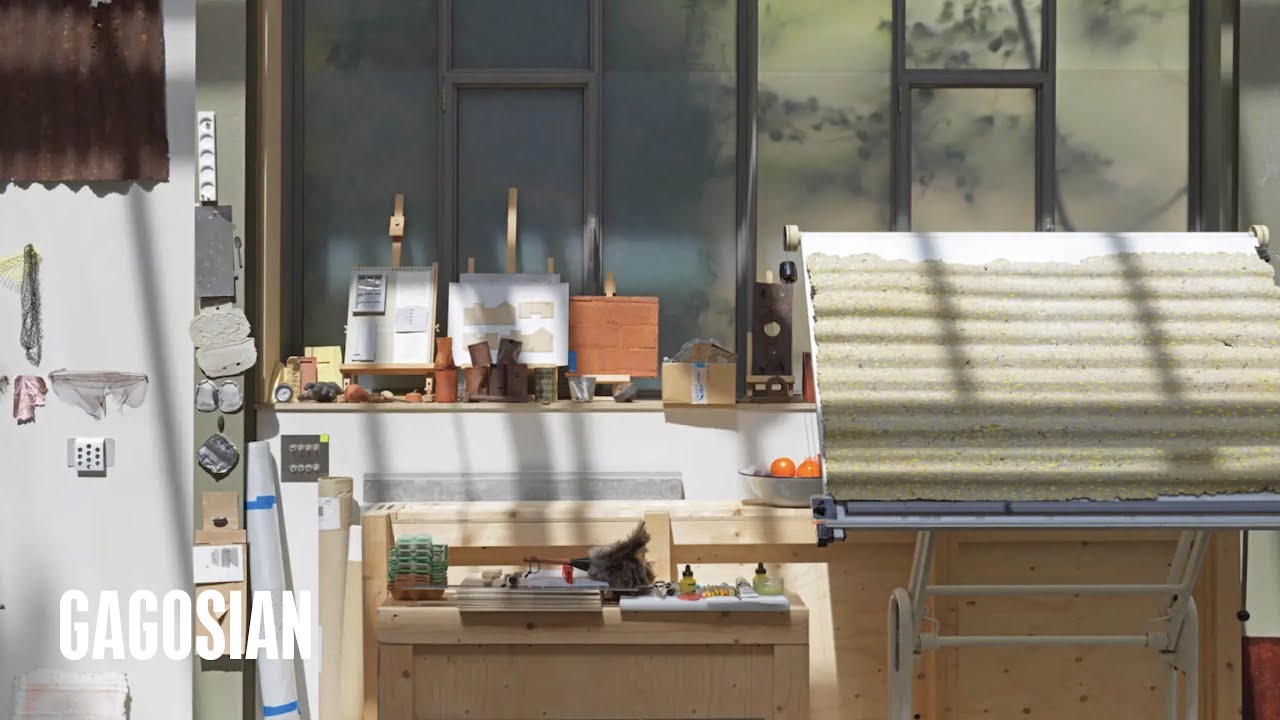
I left home there had to be a fireplace the door/window core nursing and skirting boards there were these five elements that it you had to have working over a period of 18 months Rachel casts the entire room in plaster panels and rebuilt it in her studio said that the edges and surfaces were now on the outside [Music] it was she said as if she'd mummified the air inside the room ghost says everything and the ghost is a linchpin in the development of what sculpture can do making material out of the immaterial making the intimate monumental
making the private palpable that somehow here is this space that has become an object I mean that itself is an extraordinary idea I've been using plaster for years now it's incredibly sensitive and will pick up then my newest detail on color so the surface of it to me feels like kind of fresco it's picking up traces of former lives that people that lived in there we think of the rooms that we live and eat and talk and dying as a result of the confrontation with with ghosts ghosts was bought by Charles Saatchi he showed it
alongside Damien Hirst shark in a small show that first coined the terms YB A's young British artists Rachel emerged at the very moment when the phrase young British artists was applied to every artist aged 25 to 35 who was working in Britain but I've always felt that she was in a slightly different position from even Sarah Lucas and definitely Damian sometimes she was always one big source of identity in Margate we're all the great your friends we'll know each other [Music] we've been swimming in London and Rachel in a field of people came around to
my flat at seven o'clock in the morning can we carried on drinking and Rachel put her underwear over the back of the chair and it dried completely as if it was in plaster not always I remember thinking that I had a small Rachel Whiteread but Rachel's a really good example of why the yba thing wasn't actually genuine and real it was just a label Rachel's work is poetic has clarity and it's always been very very mature the success of ghost brought Rachel the backing she needed to push her idea further this time she wanted to
cuss not just one room but an entire house eventually this place came up I was just absolutely blown away by the site and the fact that it was on this sort of green corridor at the end of the street you could see Canary Wharf which had been such as dream had been built in this sort of 80s so I always had that sort of political edge to it I'd never done anything quite like that before on that scale Rachel worked with a small team stripping the walls sealing up all the gaps digging new foundations so
that the house became a mold to be cast it wasn't as some people suggested a case of making a house by pouring concrete down the chimney or through the lips of squirting it through the letterbox there are enormous technical challenges in a work of that scale the method they adopted was at the time being developed to build the Channel Tunnel they constructed the inner walls using a high-velocity concrete spray it was beyond to challenge no one has ever done anything like and she was really young when she was only about 29 when she took that
project on I really had upmost respect for her it had taken three months but gradually the structure of the original house was peeled away on the 24th of October 1993 the sculpture was revealed [Music] you saw this loan mid terraced house the entire Terrace had gone and there was a kind of monument which was also a kind of cast of of the place that had been there he imagined the life that went on the shouts from upper windows the kids to come in time for their tea the daily business of going out to work and
coming home again up the front steps it attracted crowds people flew in to London particularly to see it they would get in a cab at Heathrow and say take me to house and the cabbies would know exactly where it was but at the same time there was a sort of animosity towards it the fact that something that was treated with such respect could have been made really on the back of a van an ordinary East End working-class house struck some people as insulting in some way they felt that like a lot of Contemporary Art it
was pulling the wool over their eyes I do like sculpture that looks like what it's supposed to be I quite like this behind us I certainly don't think he will be improved by having it inside out she told me that she sat at the end of the road in a car with a newspaper in front of her face with a couple of holes poked in it so she could watch it anonymously what was happening and I think she was pleased obviously but aghast and perhaps a bit terrified of the kindness of attention it had Rachel
had been nominated for the Turner Prize that year but the whole thing would come to a head on the very day of the award zone 23rd November 1993 tell me about it oh gosh yes what a day that was yeah 23rd of November yeah so I woke up in the morning didn't really think about much except so it's the Turner Prize tonight wonder what'll happen and sort of phone rings and it's this klf bunch you decide that I've been voted the worst artist in the world in the weeks leading up to this a group calling
themselves the Kay foundation had taken out a full-page ad virtus unn asking readers to vote for the worst artists in the world very mind the Turner Prize was 20,000 pounds they were giving me 40,000 pounds and if I refused to receive it they were going to burn it they were going to burn it there burn the money and it was gonna be my fault you know it's like he [ __ ] you know I decided after a lot of umming and ahhing that I would take the money but I would give it away all of
this was going on I was beginning to get a bit of a nervous wreck the 1993 winner of the Turner Prize Rachel Whiteread laughter then go and deal with the [ __ ] klf I'm sorry and it was just like oh my god I'm just felt like my head was going to explode and on that same night when she won the Turner Prize a vote was taking place to decide where the house would be granted a stay of execution to spare it from planned demolition I mean making house was really stressful and then everything that
went with it was very stressful and the fact that I never really saw it in a way because I made it and then there was this whole circus around it and then we pulled it down I was there for the demolition was it quite heartbreaking really yeah heartbreaking I was quite unwell for a few months afterwards I think it undoubtedly destabilized her while also catapulting her forward in terms of an international reputation [Music] [Applause] [Music] the Berlin Wall fell in the final weeks of 1989 soon after Rachel and her husband the artist Marcus Taylor came
to live in the city a lot of these Germans have moved over there was there was unrest people were suspicious of one another I would say and it made me think about what it must have been like you know during the war I'd spend a lot of times going to concentration camps and cemeteries and just really thinking about it in 1996 Rachel entered a competition to design a Holocaust Memorial for the city of Vienna her idea then was a sort of ghost library rows of books cast in concrete with their spines turned inwards books written
books unwritten books never able to be written because their authors were murdered she chose a library a place of knowledge and at one how did you feel totally terrified ten people firing questions at me saying things like it looks like a bunker I was like really does it oh I didn't realize you know knowing full well that that's exactly what I was trying to make something that was as aggressive as that they needed something aggressive there if it had been something polite it wouldn't work yeah one of the jurors was Simon Wiesenthal who had spent
years campaigning for a Holocaust Memorial Indiana he was very proud of what he thought was his young Jew s he was going to be making this Holocaust Memorial and there was this big stack of TV and news people everyone with cameras and he had his arm around me and they said Rachel Rachel are you Jewish and I said no and his arm fell from my side it was a very male-dominated group of people and I don't think they had ever quite met somebody like Rachel this is then set into the prefab structure you pour around
it and when you just removed the ceiling rose and all that way Samantha Stephens is a model kept on Venus 20 Lipitor namely this could be made improper and how was going through that okay [Music] often there was sort of Kafka esque series of meetings they just seemed to go on endlessly without decisions being made oh you're looking at me as if I'm kind of mad or when I what I can't Oh while Rachel held her ground over the technical processes there were still more obstacles to come the piece faced opposition from neo-nazis and Holocaust
deniers but also from the Jewish community in Vienna who didn't want the sculpture to be built on the site of a former synagogue by the end of 1996 it didn't seem that the memorial would ever be built the theme of the book continued to haunt Rachel as she diverted her energy in a new direction I've been University making books English speakers I'm be able to finish it in Vienna I think the whole thing from start to finish in three months not three years and thirty years old however long it might take you know I just
I just think he's unforgivable it was exhausting for her and for quite some time afterwards even the word Vienna was filled with dread for her [Music] when in the summer of 1997 rachel took on the British Pavilion at the Venice Biennale she showed a room filled with absent books [Music] [Music] for me the bone marrow me [Music] ha-haaa philosophy and it had been five years in the making but Rachel Whiteread Holocaust Memorial had finally won over its detractors including Simon Vicent own businessman Mars or in each chain sign as smooth function under and they tune
each thank you [Music] right in the heart of the city of Vienna you have this oasis of calm silence of contemplation of reflection and it is completely carried by this memorial I'm really proud that is there it is doing its job very well but it wasn't a joyful experience I don't think one should be happy about making something like that it's a really big deal and it's kind of takes a lot out of you you know you just have to be you know well emotionally equipped to do something like that and over the years I've
done my fair share of sculptures that have taken a lot out of me to be honest you know and made me quite unwell bit too sensitive sometimes for these things know they can leave big scars far beyond the public gaze rachel has been working with casts of sheds huts and cabins in a series of works she calls shy sculptures they exist more as mental sculptures than physical ones we imagine their presence part of the reason for seeing the pieces is the journey in the way of getting there in the anticipation and the slowness of the
work [Music] we all want now a sort of instant hit from everything that we see and do I wanted it to be a sort of slow version of the work [Music] I do very much like the idea somewhere in the Mojave Desert is a Rachel Whiteread sculpture that hardly anyone will ever see [Music] [Music] the series of showers there of natural progression for Rachel cabin on Governors Island looks over the scene of 9/11 so it's both a very gentle sculpture shy sculpture sitting in a very unassuming landscape that you might come across but the position
she's chosen is quite resonant and I think probably as close as she would want to come from making an actual monument to 9/11 it's situated looking straight out to the site of where the twin towers were when we actually place the work there I really had a very strange sort of out-of-body moment I knew what I was doing but once we actually put it there it was like [ __ ] you know this is quite something actually [Music] this wasn't the first time that Rachel had made work in response to the streets of New York
[Music] soon after making a house I was walking around New Yorker feeling a little bit wary shall we say after having had this amazing sort of shitstorm in London around the house I wasn't really ready for doing the same thing in New York and I just couldn't contend with the street in that way and eventually just started looking up I had always noticed the water towers it was one of the things that struck me I remembered sort of thinking about them as part of the furniture of New York and then I thought well you know
if you cast that in resin you could make like this jewel rather like a diamond that sort of pings in the sky there [Music] back in London in 2001 faced with the prospect of making a temporary sculpture to sit on the fourth plinth in Trafalgar Square Rachel use the same transparent resin to subvert the very idea of a monument when I was asked to do it I was just wanted to make something that was a pause in the middle of London it was a very complex and expensive pause why was it so difficult no one
had ever cast something that big in resin so you just didn't quite know what was going to happen to it the heat generated whilst making the material makes it very unpredictable endless problems it was just a pain to make I've never seen a crack and any more stuff before today so when you first [Music] if you've been wondering what's been kept under wraps in 2000 we can Dan haven't we all today the secret was revealed a new piece of public art is designed to bring a moment of peace to the bustle of central London it's
also the biggest object ever made from risen it weighs 11 tonnes and it's a mirror image of the plinth it stands on [Music] but not everyone was impressed [Music] I never intended to become an artist that made public monuments it's just just happened that way the challenge that we have and I think Rachel's were with with the fourth plinth did it so perfectly is to find an appropriate replacement for the Plymouth Monument while not doing the job as it were it's an extraordinary hinge that that makes the question vital and immediate and apparent how do
we make things that can be the focus for hope and fear our collective idea of what the future might be perhaps in that transparent open upper Plymouth now rendered weightless and luminous [Music] those sort of hopes are encapsulated [Music] now at the same time that you're making these public sculptures you're also making casts of your own home of the building you were living we found this building in children it originally been a Christian Church then it was a synagogue then it was a textiles warehouse it's one of those buildings that had just been left for
years and years and years no one had really paid it any notice whatsoever and I was interested in the sort of nothing architecture than nothingness of it really and I wanted to make that concrete so what I'm saying you know is the staircase that's going to be cast I have to make decisions about how high it was when wars ended where things the gang where things stopped so this is essentially what this is this is this will be blocked off and then this area will be dropped off so this will be a big white Saudis
going down here and then since places underneath it will also be passed [Music] when I made house the one part of house that I was unhappy with was the staircase because when I cast it I have what I'd actually done was cast around it and you just had this sort of wood and spine I never felt that I'd resolved it properly so in the way that I do things I don't I know I'll make three of them so explain this to me this is a staircase so it's a few imagine it that way up oh
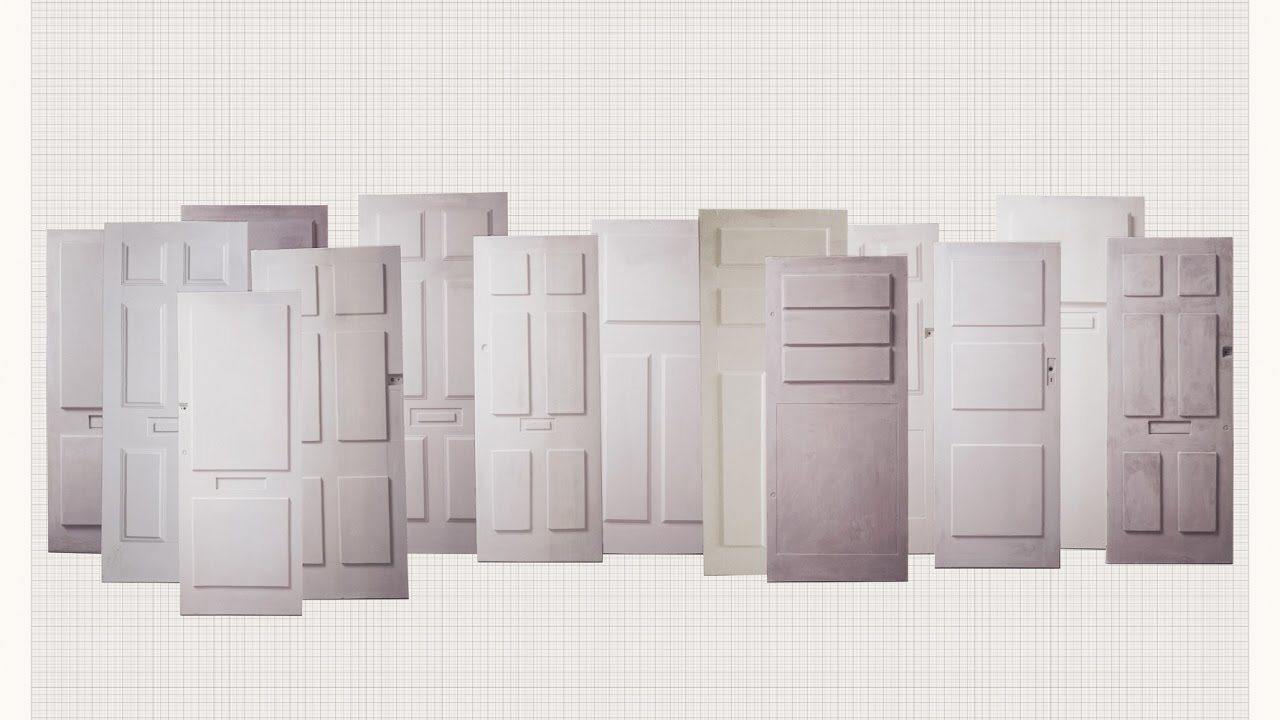
yes of course yeah so that's though they're the stairs that you walk on yeah the detailing when you start to look at yeah it's just like the bookshelf yes touching the surfaces well it's all to do with that ghostly touch of things and the way things get worn down by human presence and the essence of human is sort of left on these things where there is the pages of books or staircases and doors or windows [Music] what's going on in your own life at that time 2001 2001 I was thinking about becoming a mom actually
which eventually happened and that's been a really amazing part of my life it's been a you know a juggling game and you know but we've got through it we've been together for nearly 30 years you know have you really yeah yeah over 30 years actually did your work change at all when the children arrived I mean you've always been drawn to make things from the stuff of everyday life it was really got into color for a while and it sort of color and domestic rubbish really were the two things I was playing with and maybe
that's something that was from the kids you know there was more color about you know when the kids arrived or their plastic crap comes with them and you have you know that your house becomes a sort of different place a different landscape of things and you made that rather beautiful piece with the cast of wasn't it the inner tube of a toilet roll so I started working with with all of that stuff and playing actually I'm really enjoyed playing [Applause] Rachel's latest work takes a more destructive approach to the stuff of everyday life this is
Rachel shredder when I move Studios it was a kind of rush and I just couldn't get my head around throwing everything away so I took an awful lot of stuff with me and then went through all of my cabinets and then started reading it or I bought three different types of shredder and doing different types yeah the ones that had long you know sums that crossed cartons on there so you could make a different sort of texture [Music] for her most recent exhibition of the Lorcan O'Neil gallery in Rome rachel has shred the paper trail
of her life to cast the walls of a hundred-year-old shed what emerges is a sort of deconstructed shy sculpture in flat pack form one section entitled wall door is made from the shredded correspondence and images of house others are made from whatever came to hand so that this is called wall apex and this is cast from with all sorts of different you know you can see it up some Tomatoes there really yeah bits of tomato if you really sort of look across the surface you can pick out words periods sweets in exquisite something it says
there there was an antique furniture catalog that I had there was shredded you can recognize though if you recognize what that was yeah yeah it's very well-versed it's very sort of Proust you but I think it's more OCD than that where's my where's my motto [Laughter] [Music] also on display the gallery in Rome in a case like a religious relic is a book Rachel made in collaboration with the Irish writer called Tobin [Music] when you say that he redeemed the world I will say that it was not worth it it was not worth it [Applause]
in 2011 tow beam wrote a one-woman show giving voice to the Virgin Mary who gives a frank first-hand account of the life and death of her son [Music] calm approach Rachel to create images to accompany the text and the reason why we went to see Rachel was that there are very ordinary things in this text to do with the Virgin Mary she's a human before she's anything she's living in a domestic space before there's an e in the studio she had this jumble of objects that looked like things that anyone could have collected anywhere in
other words what she's brilliant at is that idea of the tactful in main image the purity of it and that whatever happens to you as you look at these images is mysterious some candles and one of them will have been used and for that the eye just goes there for one second think I saw something or felt something that I cannot fully articulate these are the cheapest things your enamel water just took her something I've been looking at and some memory or some emotion was private secret is hers it was one that she would then
seek to hunt you to communicate everything that's used in the book you know that all things that are very much a part of our everyday life things that mean something to me those for example my my mother's shoes are in it there are some chairs that I bought with my husband over the years there are candles that I bought a jumble sale in about 30 years ago there you know there are things in it that I've had forever in the studio and have never really known what to do with them memory fills my body as
much as blood and bones as the world holds its breath I keep memory in when I was a little kid I remember so clearly going to the Museum of childhood it was a long road that was sort of led into the heart of the East End the depths of East London and I just can so remember that feeling and being all excited seeing them with these dolls houses and being totally amazed by them these tiny walls of domestic life and then I can really clearly remember the journeys back taken along this road again and the
nighttime and the sort of autumnal skies and the night drawing in early and counting the lights along the dual carriageway I always remember was you know you just get sort of mesmerised as you and he can when you're a kid literally count the lines for the sort of 25 mile often would be work comes from an emotive state or from something that I remember and and I just kind of worried that place and seen what happens I started to collect dolls houses just building and almost like building blocks [Music] it's a bit macabre and it's
sort of yeah there's parts of it that sort of feel a bit sentimental in other parts that feel quite you know nightmarish when my mum passed away she died very suddenly and my sisters and I found it very hard to pack up her house and we just all you know ruins of denial actually for quite some time we sort of started in the basement and worked up there was this box and I just kept it my sisters were like chopped that way and I was going no no I'm going to keep that knew and when
I was asked to make something for the Turbine Hall this box just kept niggling in the corner of my eye was there anything look at me and I decided that what I wanted to do was to cast you know thousands and thousands of boxes [Music] my mother had never made a penny out of what she did it didn't for a moment expect myself to be a successful artist [Music] it was purely about just this dream and just having this creative urge that I couldn't stop [Music] [Music] it's very bodily so I'm very surprised at because
they have a kind of very organic feel to them and I really like that yeah their softness I think my favorite piece is the bookshelf one this ghostly bookshelf where you can see the influence of each page and it's really quite vertical it seemed like a mattress by itself kind of says abandonment would not rejection but loneliness everything here is solidified piece of memory in a way is still there it exists as a memory it's an absence of an absence even when I pass as I frequently do that point between Roman Road and globe Road
and I can never pass without glancing back just in case it might be there again for another glimpse of the forces that shaped art explore the evolution of the art that made Mexico paradise power and prayers Monday night at 9:00 over on BBC Four while Sandy and guests are having a bit of a rummage through odds and ends in Qi XL next tonight on BBC two [Music] you [Music]