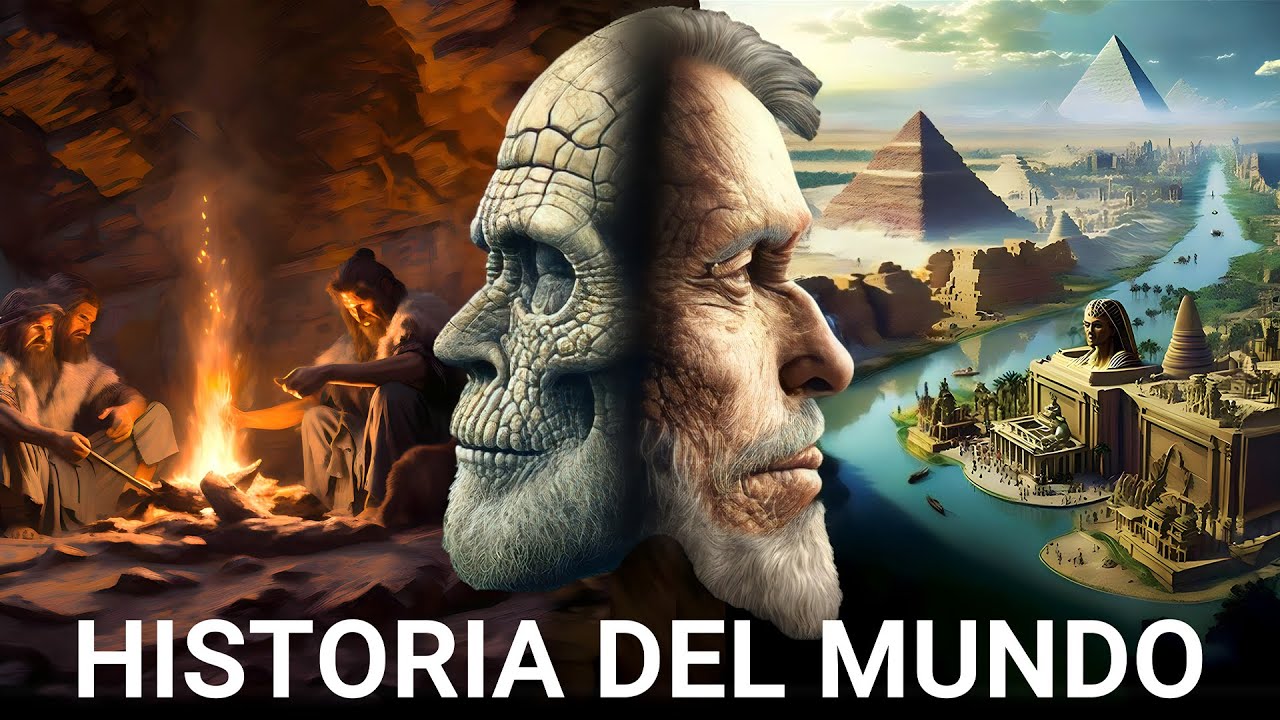
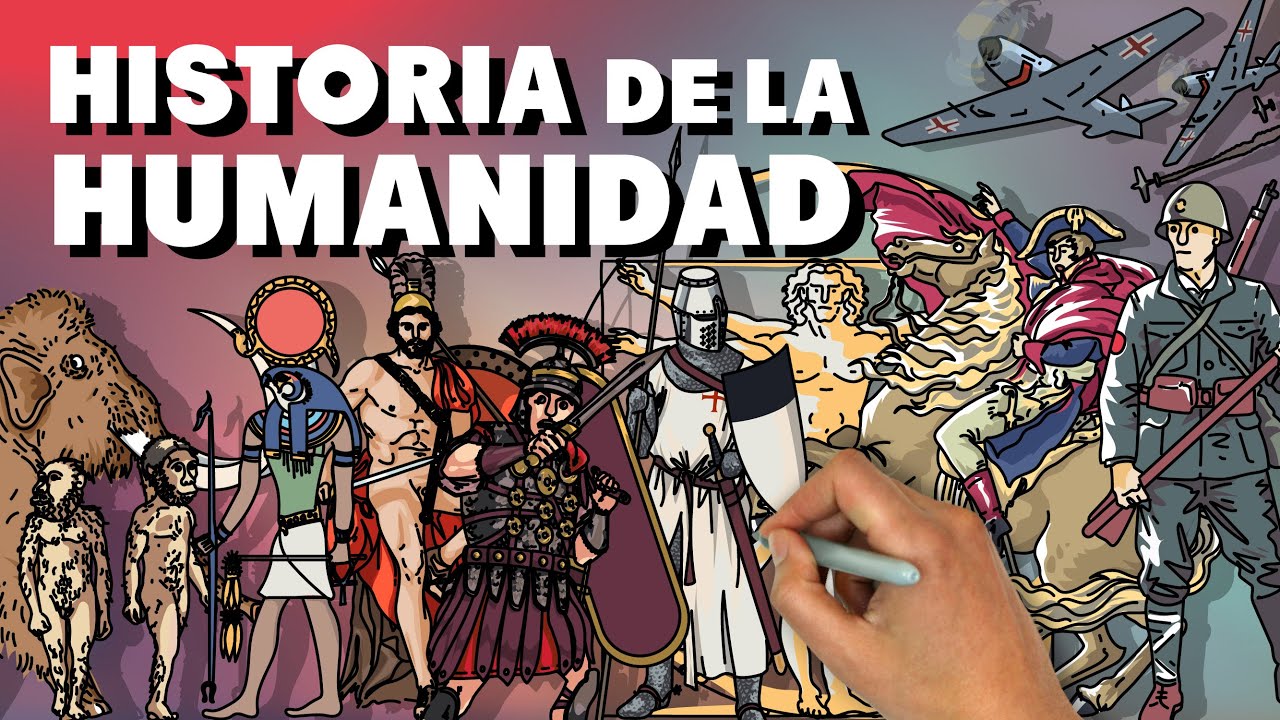
What's the use of history? Old wive's tales from remote times talk about history as "The Teacher of Life. " But, what has learning history done for us?
Up to this point we have learned to travel at high speeds, to communicate instantly to and from anywhere in the world, we know a lot about life on our planet, we've begun to roam around our universe, and we've also started understanding life itself through findings in genetics. Undoubtedly, our learning abilities are huge. So, why haven't we learned to live in peace?
Why don't we learn to be fair? Who taught us to believe it was natural for a few humans to live with every privilege while others can't cover their basic needs? And if we say that the peoples that don't know their history are doomed to repeat it, does history, as teacher of life, hold some answers?
When we think about history, it's possible that we imagine it as a simple and very long version that we all agree on, about things that happened so long ago that they have nothing to do with our lives anymore. But the reality is that history is important in our lives; our personal history is part of a bigger one, what we do everyday is conditioned by everything that has happened before, and those activities also build history every day. Also, history is part of our lives because we learn it at school.
Although those two histories don't always seem related. Telling stories to share life experiences is an essential process to communicate and recreate all those values, traditions and meanings that we call Culture. However, there is not one true history.
History has several, diverse sources, such as our homes, schools, the media, churches and more. . .
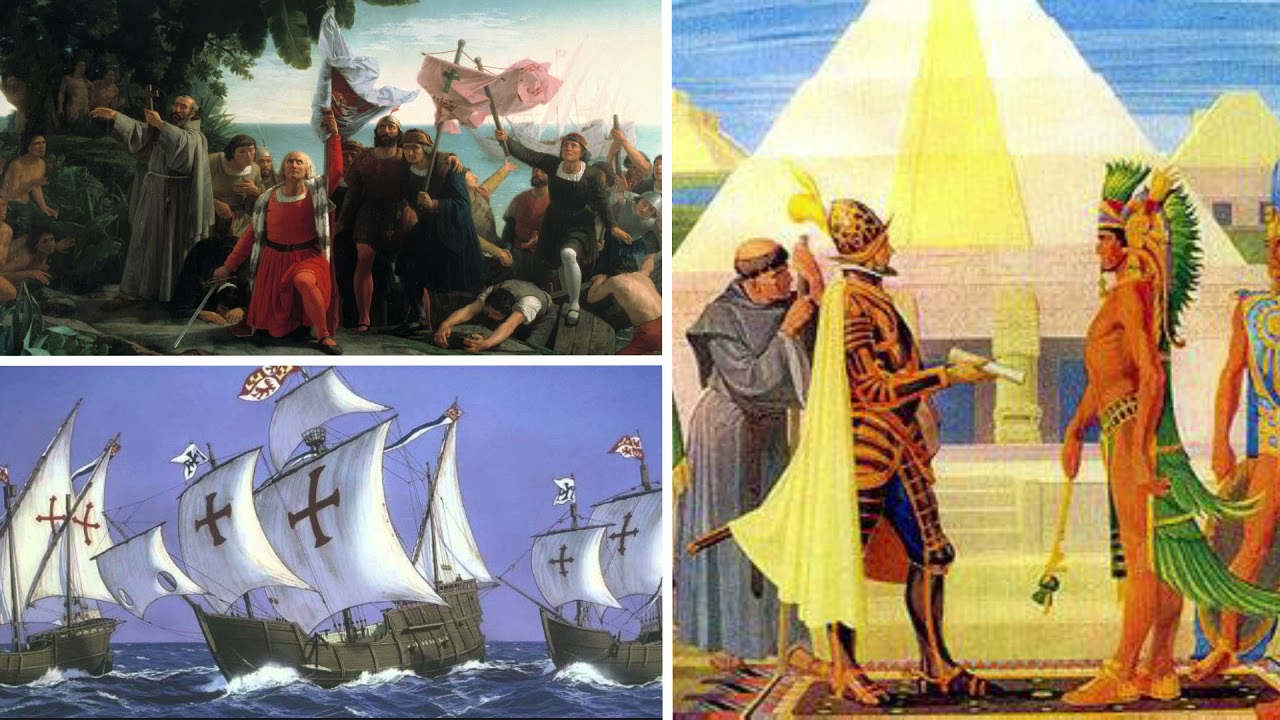
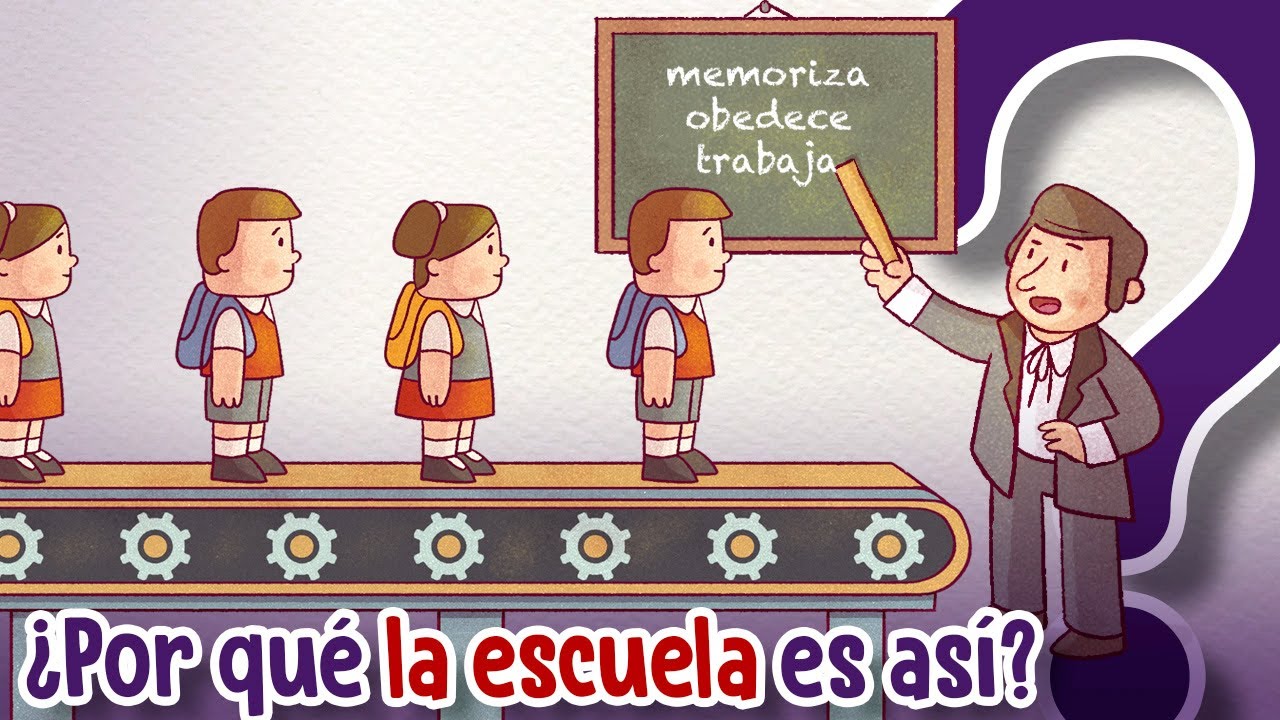
Sources with different styles and approaches, and also with different intentions. When history is made official and becomes the property of an institution it turns into an instrument of power, that's why very commonly the dissemination of historical knowledge answers to the interests of those spreading it, and it's aimed at teaching their version of history, whether at school, on television or other media. That's why the history written for schoolbooks tends to be very different from reality.
So, is it possible to find answers in history? One hundred percent true answers. .
. no. But we can find experiences that explain our everyday behavior And for the future, references that should be taken into account in every decision that we make.
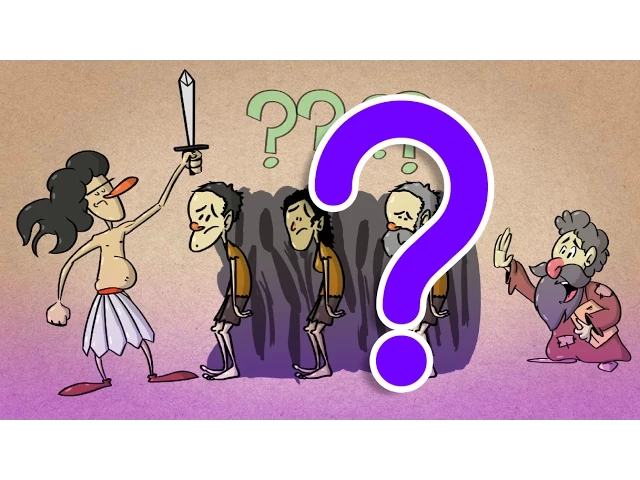
Has learning what we know about history can be inaccurate confused us even more? If so, excellent! History, with its ways of being written, spread and leared, appears to us as a confusing, complex process, filled with opinions, inconsistencies and contents that are not always reliable.
We should mistrust stories that are presented as the only truth, and learn other versions always knowing that the only certain thing is uncertainty. And to be sure of that uncertainty is a certitude we can begin with.