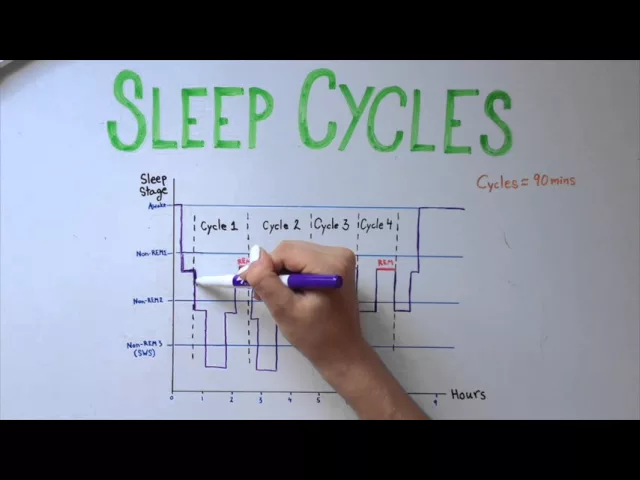
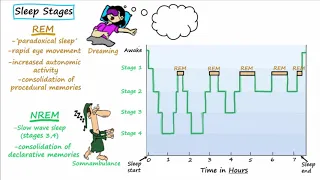
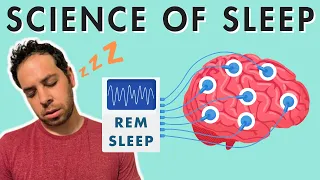
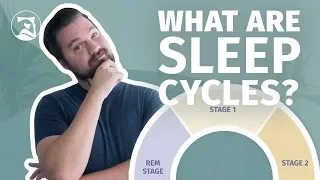
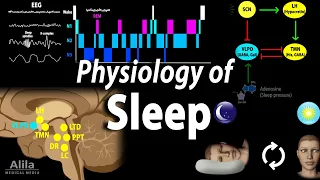
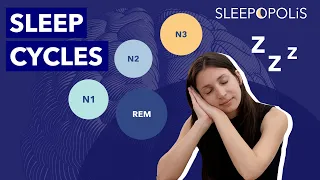
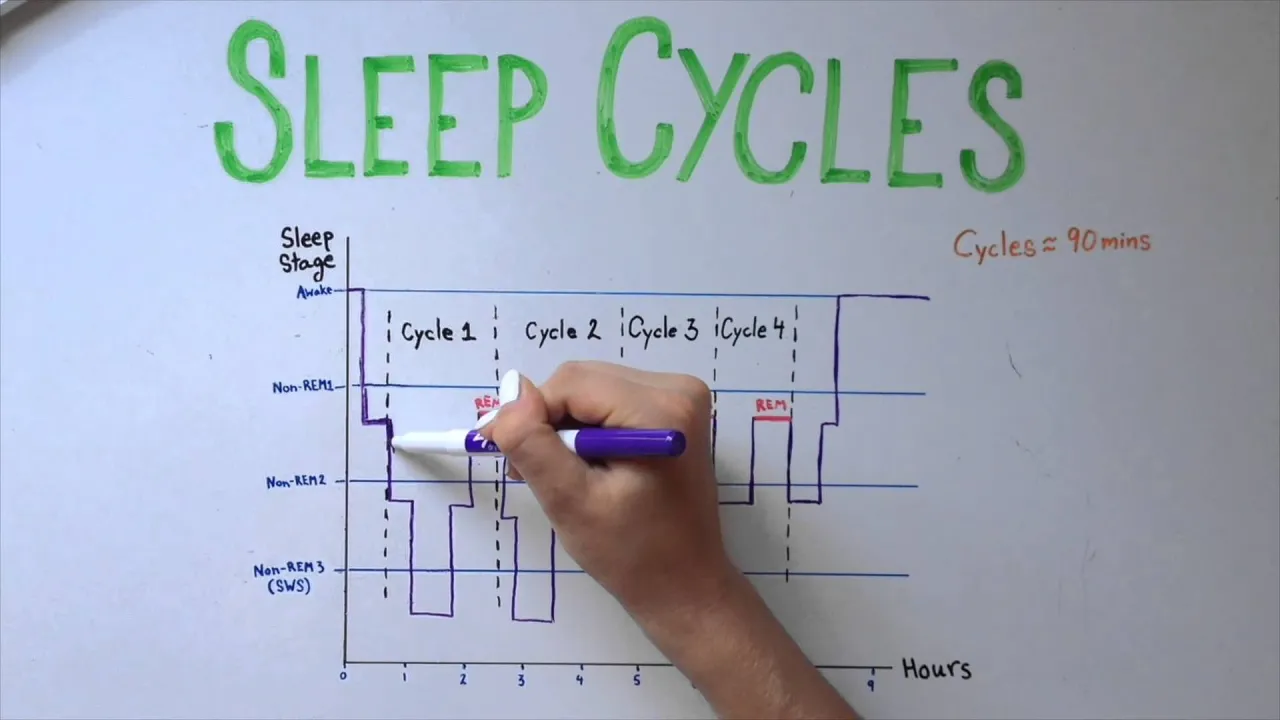
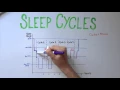
there are also two different types of sleep the first is non-rapid eye movement sleep or non-rem sleep and the second is rapid eye movement sleep known as REM sleep non-rem sleep has three stages non-rem 1 nonrem 2 and non-r 3 stage one of non-rem sleep happens at sleep onset and is considered the lightest form of sleep you often enter this stage without realizing it you spend about 5% of your total sleep time in this stage stage two is a deeper stage of sleep and you spend about 45% of your total sleep time in this stage
stage three also known as slow wave sleep is the deepest stage of sleep you spend about 25% of your total sleep time in this stage the rest of your time is spent in REM sleep REM sleep is characterized by rapid movement of the eyes in addition to muscle paralysis or inability to move your muscles and dreaming it's a common misconception that we rest our brains when we sleep on the contrary your brain is often more active in REM sleep than it is when you're awake the stages of non-rem sleep and REM sleep alternate in a
repetitive cycle throughout the night four to five Cycles occur per night and one cycle lasts approximately imely 90 minutes non-rm sleep is predominant in the early part of the night and decreases in intensity and duration whereas REM sleep increases in intensity and duration toward the end of the sleep period researchers have studied the different stages of sleep using polysomnography or PSG PSG measures the physiologic iCal changes that occur during sleep it measures electrical brain activity eye movement muscle activity and heart rhythm napping is an excellent strategy for improving alertness performance and health the best times
to nap are when you're experiencing a low point in your biological clock dependent alerting as mentioned earlier this is around 300 to 5:00 p.m. in the afternoon naps lasting 20 to 45 minutes are ideal naps lasting longer than this can actually make you feel tired because you're more likely to wake up out of a deeper sleep long naps will also interfere with nighttime sleep and can thus reduce your ability to sleep through the night so the trick is to keep naps short and to take a nap when you feel a dip in your alertness the
biology of sleep is complex but but the reason for why you need to sleep is simple we learned in the first video that sleep improves your memory promotes your health and prevents disease it's no wonder why it makes up onethird of our lives but what happens when sleep goes wrong please check out the next video to learn about Sleep disorders and the current treatments