hi I'm Jimmy Wright an accredited nutritionist and I specialize in helping people all across the world achieve their goals without any CI diets on today's episode of nutritionist explained we're going to be talking about what is a balanced diet how we feel ourselves matters now I hope that doesn't come to a surprise to any of you but our diet directly impacts both our physical and mental health and for your athletes out there it's also critically influential in your recovery performance and body composition in this episode of nutritionist explains we're going to talk about all things
balanced diet and how you can piece together a diet that works for you and supports you in moving towards your [Music] goals balanced or healthy diet means many different things to many different groups of people we live in an age whereby I genuinely don't think I could give a definition of a balanced diet without upsetting someone so I've gone and I've dug to find the version of a balanced diet that I believe will appeal to the majority of you watching but before I jump into that let's look at the most popular iterations of a balanced
diet let's start off with the UK's eat well guide a pictorial representation of a healthy diet which superseded the wellplate in 2016 the guide is split into five categories with the following daily recommendations emptied at least five portions of fruit and veg a day a third of your daily energy intake should come from potatoes bread rice pasta and other starchy carbohydrates with ANM to choose whole grain or higher fiber options where possible the guide recommends having some beans pulses fish eggs meat and other proteins including two portions of fish every week of which one should
be oily the guide also recommends to include some dairy or dairy Alternatives such as soya drinks aiming to choose lower fat and lower sugar options where possible and finally the guide also asks to incorporate small amounts of unsaturated oils and spreads the eat well guide also provides some suggestions for energy intake and maintaining adequate hydration but these are rather generic on to the next set of Balan diet principles I wanted to touch on the United States version of the eatwell guide my plate my plate was first introduced in 2011 and replaced my pyramid which ultimately
got scrapped because it was so confusing on the surface my plate and the well guide aren't hugely dissimilar both would have a greater preference for carbohydrates over fats and protein and both advocate for more plants in the diet the my plate is slightly different in that it is more simplistic and is divided into four categories grains vegetables fruits and protein with a smaller Circle outside of the plate to represent Dairy my plate also has more defined percentage based recommendations compared to the eat well guide and recommends that 30% of your diet or plate is greens
40% of it is vegetables 10% is fruits and the remaining 20% is protein now before I launched into two of the more popular sets of balanced diet guidelines I did say that I had dug pretty deep on this subject to find you at least in my mind the best best set of General healthy eating guidelines want to know where I find them South Korea they use the food balance Wheels now the reason why I'm a fan of the food balance Wheels over some other balanced diet guidelines is the advocacy for more protein in the diet
as they recommend three to four portions per day while that recommendation at least in its practical application without further education on appropriate serving sizes may not be optimal for health at least in my opinion it does appear to help influence Koreans in achieving a better daily intake of protein compared to other countries who often fall short of the recommended daily intake a 2013 study investigated the impact of adherence to the food balance wheels on health outcomes this study included over 5,000 data sets collected from people involved in the Korean national health and nutritional examination survey
that's quite a mindful those with the greatest levels of adherence to the guidelines were the lowest risk of diabetes hypertension osteoporosis and cardiovascular disease they are also much more likely to be able to maintain in and manage a healthy weight let's have a bit of fun why don't we give it a crack at trying to make our own guidelines a goal oriented balanced diet where better to start with a perfect balanced diet than energy intake understanding your energy intake needs in advance of determining your macronutrient goals and ultimately planning your meals is essentially laying a
foundation personally I would recommend the use of a calorie calculator here these calculators will help you to determine the energy intake you need to take in each day to maintain or change your current weight my advice would be to try to use a calculator which factors in your physical activity levels too as without that the antx suggested may be inadequate everyone's favorite next fruit sand I'm just kidding let's focus on protein now in terms of hierarchy of actual importance for survivability and health You could argue that protein and plants are Level par but that's really
just if we were referring to the vitamins and minerals achieved through plant intake fortunately nutrients don't tend to exist in isolation so almost all of the food and fluid sources of protein available to us would also contribute to vitamin and mineral intake also we don't have the time to go into each vitamin mineral individually so for the purpose of our theoretical guidelines we'll be grouping them within the fruits and vegetables category bear in mind that fruits and veggies can also contribute to protein intake but let's not start getting into the weeds here the current recommendations
for dietary protein intake have been suggested to not be sufficient to promote optimal muscle health so how about we come up with a new one now if we were to consider a broad guideline for daily protein intake that could possibly provide the most health benefit across the board then we may wish to consider recommending somewhere between 1.3 to 2.2 g of protein per kilogram of body weight per day this suggestion is based on findings looking at weight management requirements for athletic populations and reducing the risk of sarcopenia which is age related loss of muscle mass
fry and fall risk in the elderly for Simplicity sake that could look like a palm-sized port portion of protein 3 to five times per day depending on your own unique requirements I would make a similar portion recommendation for plants at each meth which leads me into the next guideline how many plants should we be having per day well ideally as much as possible as a general rule of thumb or Pal if you're using that we should be aiming for five portions of fruit and veggies a day to make your life easier in achieving this guideline
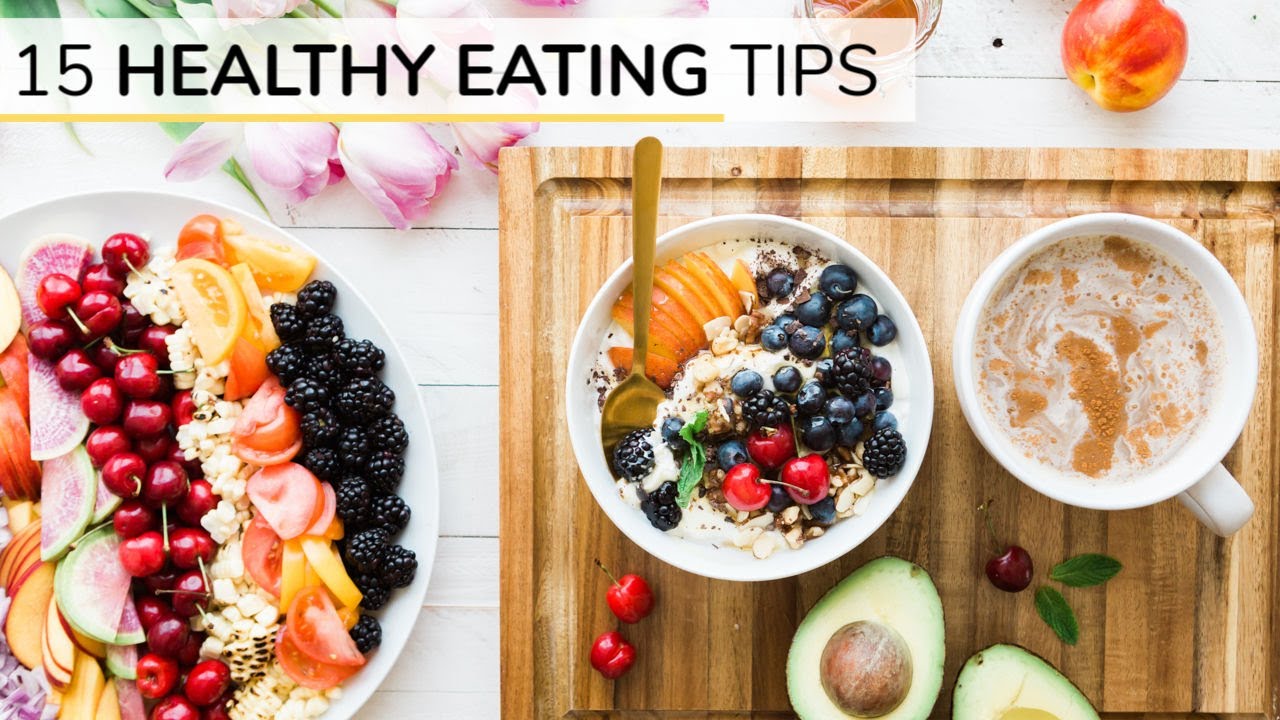
a few simple tips would be to plan in a stir fry incorporate soup into your routine add fruits like blueberries to your breakfast and throw in vegetables to recipes to increase the bulk and make the meal go further for yourself or your family the next nutrient in Focus has to be dietary fats dietary fats matter because there are essential fatty acids which we have to attain from our diet because we can't produce them ourselves these are the omega-3 fatty acids and omega-6 fatty acids I'll not cover their function in too much depth in this video
but they're involved in many different aspects of the human body ranging from the immune system to the cellular structures of your brain these kinds of fats are found predominantly in oily fish and plant-based foods such as nuts seeds and certain leafy egge while deficiency in these fats is rare and we tend to get plenty of omega-6 fatty acids in our diet as it is I would recommend making a conscious effort to include fat sources rich in omega-3 fatty acids on a daily basis for Optimal Health or even consider supplementing with them the final food category
I'd like to briefly discuss are the carbohydrates I'd recommend focusing on whole grains and fiber rich sources of carbohydrates me meal times and timing the intake of starchy carbohydrates or sugary carbs around exercise to help fuel performance and to optimize recovery for those who prefer having a higher carbohydrate intake roughly a clenched fist to a palm-sized portion will suffice in keeping you fed and for those of you who are fans of dietary fat over carbohydrate as your primary fuel source that's fine too I would be mindful of the types of dietary fat you're taking in
and you may also wish to get your blood lipids checked at least once a year just to make sure everything is is fine on that end and the final point to touch on with these guidelines is hydration two things I'd like to mention here keep the sugar sweetened added sugar Rich drinks to a minimum they're really not great for us to maintain adequate hydration adjust your fluids based on your PE color if it's straw yellow to clear you're well hydrated if it's darker than that you will want to drink a bit more but you also
don't want it to be so clear that you're at risk being overhydrated and that's the guidelines as always don't forget to like this video and hit subscribe to the my protein YouTube channel for more helpful content and be sure to keep asking the team questions so we can keep providing you with more evidence-based answers