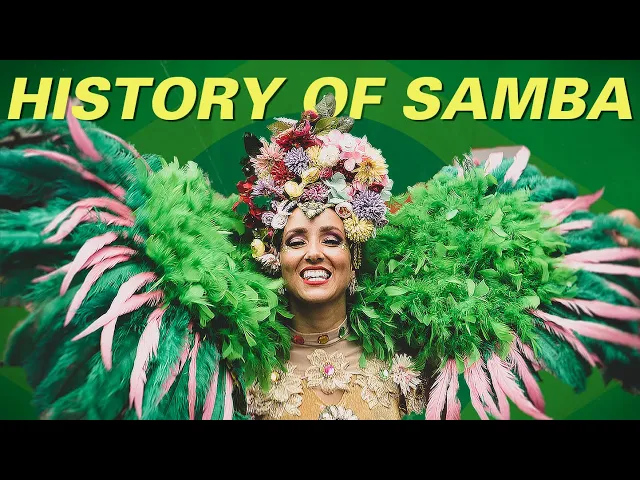
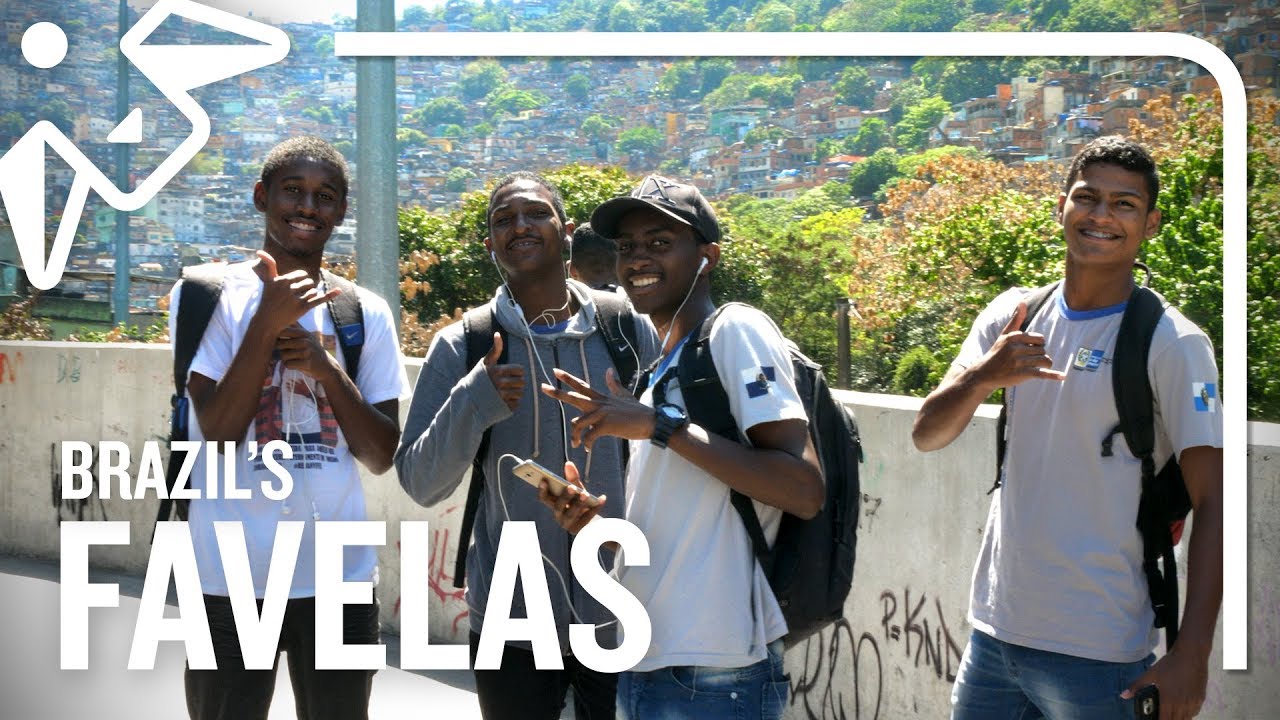
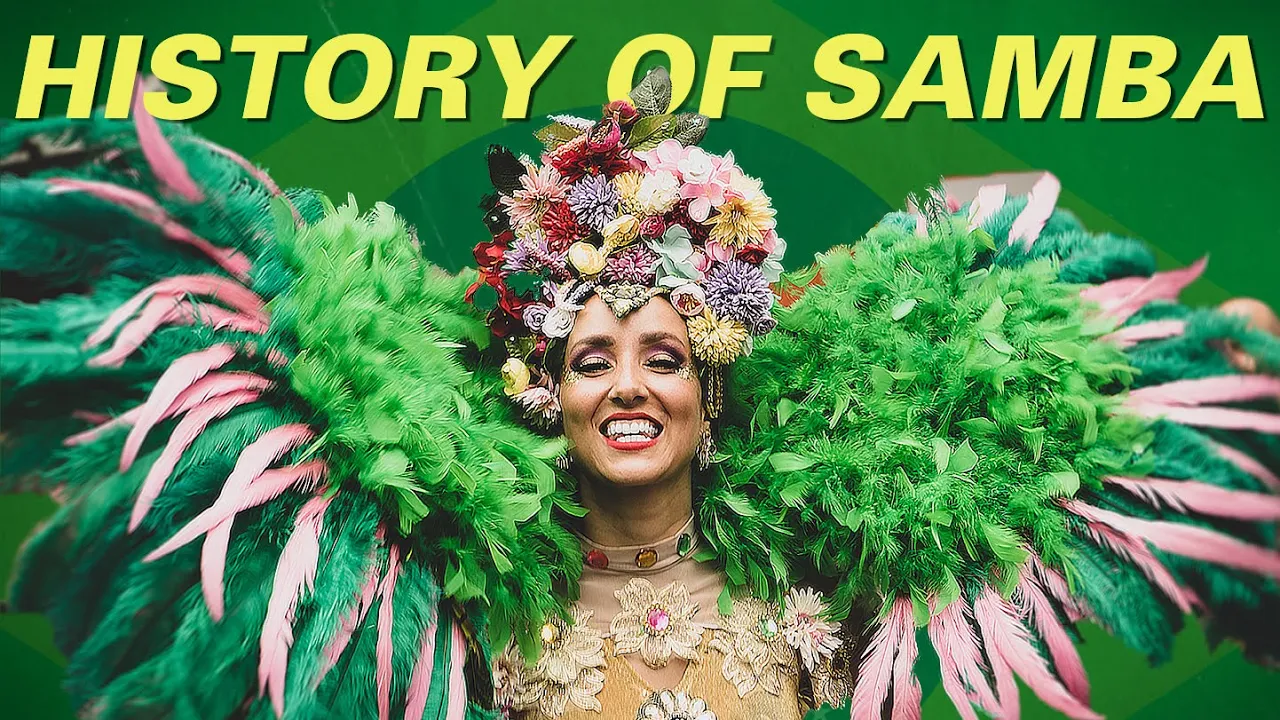
I'm in Tavis Bastos a favela in the neighborhood of co-teaching this is one of a thousand makeshift neighborhoods in Hills it's around the Brazilian city of Rio de Janeiro when people hear about favelas they can associate it with gang crime drug cartels corruption an economic divide between the people of Rio and sure those things are true and they happen by now listen to this yeah it's Samba Samba is recognized across the globe is a symbol of Brazil and the favelas of Rio is seen as in the collected parts of brazil's population but within these makeshift
neighborhoods is where the origins of Samba lies and despite the dangerous environments it somehow gave the country of Brazil its most recognizable sound and it created the biggest carnival in the world right here in the slums of Rio so to understand the origins of samba first we have to understand the favelas in the communities within and no word of a lie these slums are a city within a city they have their own electricity internet connections sewage systems shops everything you would need to make a community develop they have it I visited Rio a few years
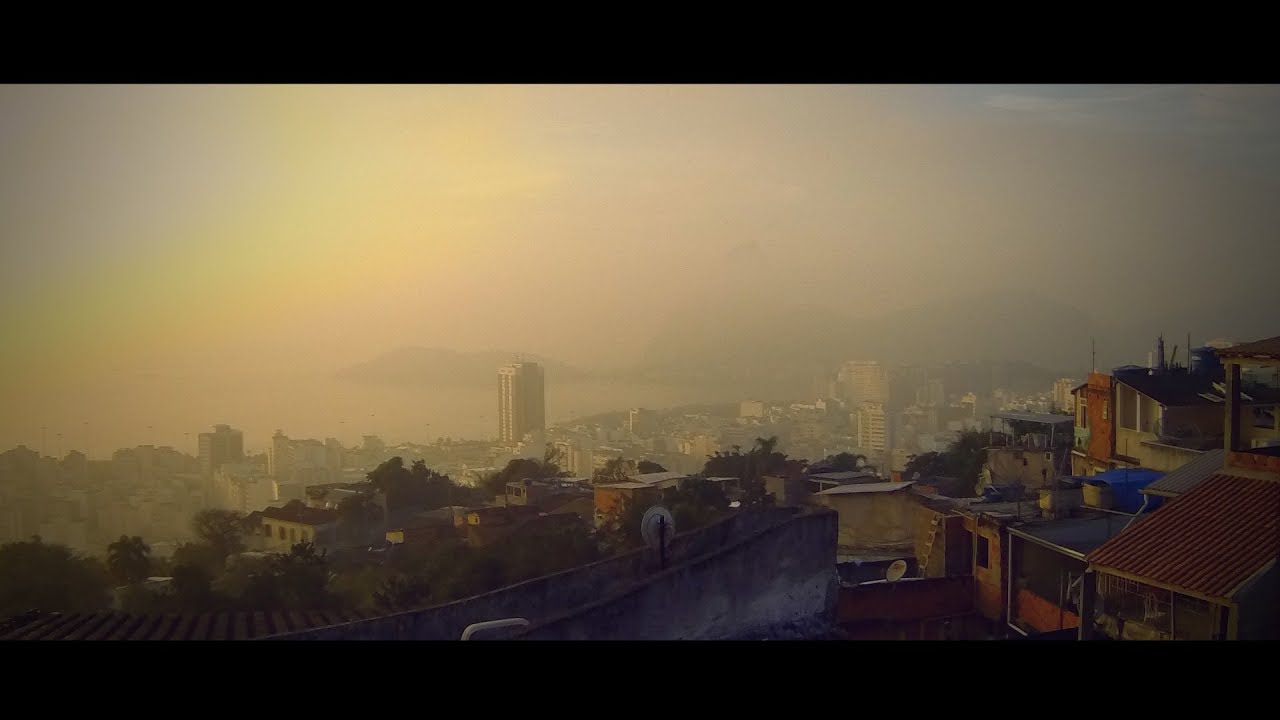
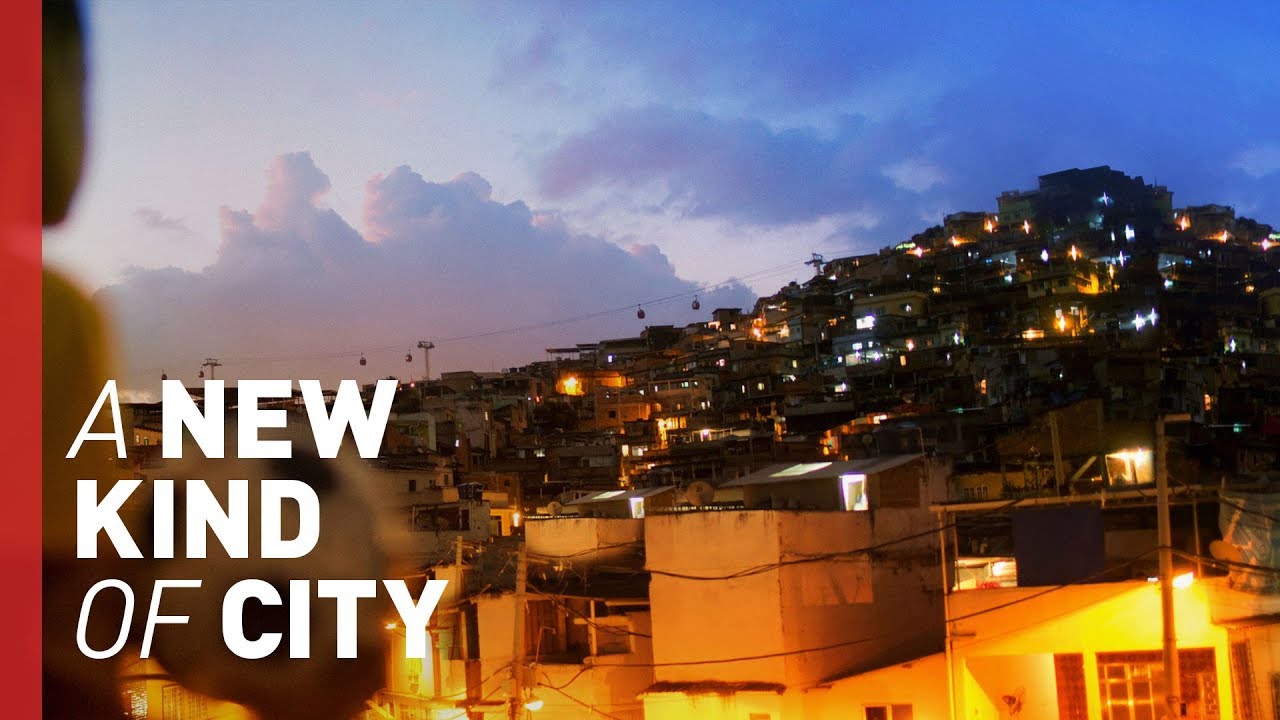
back and I stayed right here in Ipanema smack bang in the center of the tourist district - right between the famous beaches of Ipanema and Copacabana which draws in millions of tourists each year and got to understand why it's freaking gorgeous but if we just look up the hills behind this district look at this section of the frame from this drone shot just a few miles away you're gonna see structures that look very different these are prevalence the city within a city buildings are stacked up upon one another built up into the hills the city
of Rio de Janiero has a population of 1.5 million people around 23 to 24 percent of the population live in favelas so let me do the math on that three hundred and forty thousand two three hundred and sixty thousand people that live in these neighborhoods the largest favela is called resina it's in the South Zone of Rio and it's home to 70,000 people but let's take a closer look at these homes see I wasn't exaggerating now these buildings being stacked on top of each other the residents put decades worth of income and labor into building
these structures they built out of brick and concrete and reinforced silk if you look at the favelas from a distance at night they just light up the hillside of Rio it's kind of beautiful the oldest favela providencia sorry if I butchered that name was founded in 1879 this was within the decade of the abolishment of slavery and 2 million enslaved Africans arrived in the port and these migrants were looking for work and they couldn't afford housing in the urban areas of Rio so they were forced to construct these makeshift homes and communities themselves so these
self-made houses on the hills were the most affordable option that these migrants could afford and throughout the 20th century the settlements expanded the housing crisis in the 1940s forced the poorest residents of Rio to erect hundreds of these structures in the suburbs of Rio and a lot has happened in Brazil in the last 80 it's too much to get into in this one video trying to get to the topic of this video the reason clicked on it is samba but it's important to talk about the favelas the state of the favelas ranged drastically depending on
where you go in Rio there is some more challenged communities or more slum like conditions places with some of the worst issues that Brazil has you have them but then you also have these functional vibrant neighborhoods determined to maintain their extraordinary qualities and Samba is one of those extraordinary qualities although some has been traced back as far as the 17th century for out Brazil its roots are heavily entwined with Africa the former African slaves when they've relocated to the fellows created this unique style that's frequently identified is a musical expression of urban Rio de Janeiro
you might be wondering Annie what are the new school characteristics of samba now little fun fact I'm a drummer I've been playing for 21 years that makes me sound really old I've been playing the drums for 21 years oh my anyhow Samba is all about rhythm something I inherently love the other day I was watching a David Bowie video he's playing live at Glastonbury and they're playing let's dance and there was his beer in the track where the band just drop out and it's just a drummer has just been on this offbeat groove like two
bars and I like replay that section like five times it was just so good so yeah I love a good beat and a good groove and that's what Samba is all the characteristics of Samberg the first is it's always an upbeat tempo so that means it's very fast something you could dance to it's always in a major key so it means it sounds very happy it heavily features cool and response which is a musical term bandleader does something and the rest of the band follow and replicate the same thing afterward it's always a 2/4 or
a 4/4 beat with a high bass drum on the first beat and highly syncopated rhythms are played over the top of that in non-music terms that means there's a disruption to the regular 4/4 be or 2 for B and then you sometimes have melodic instruments and singers doing their thing over the top of that and then the leader of the band uses a whistle or a trumpet or some other sort of wind instrument and there isn't really any sort of set structure like you would find in a regular pop song that has like an intro
verse chorus verse chorus bridge chorus there isn't that traditional structure in Samba it's up to the bandleader to decide what the structure is going to be but back to the first residents of the favelas or the people of the hill is then known embryo in its original form it was called samba de Muro Muro meaning Hill and that alludes to the hillside it was considered the music of the common people and in the 19th century the carnival festivals in Brazil that dates back to 1723 have become for the working-class the festival would change drastically from
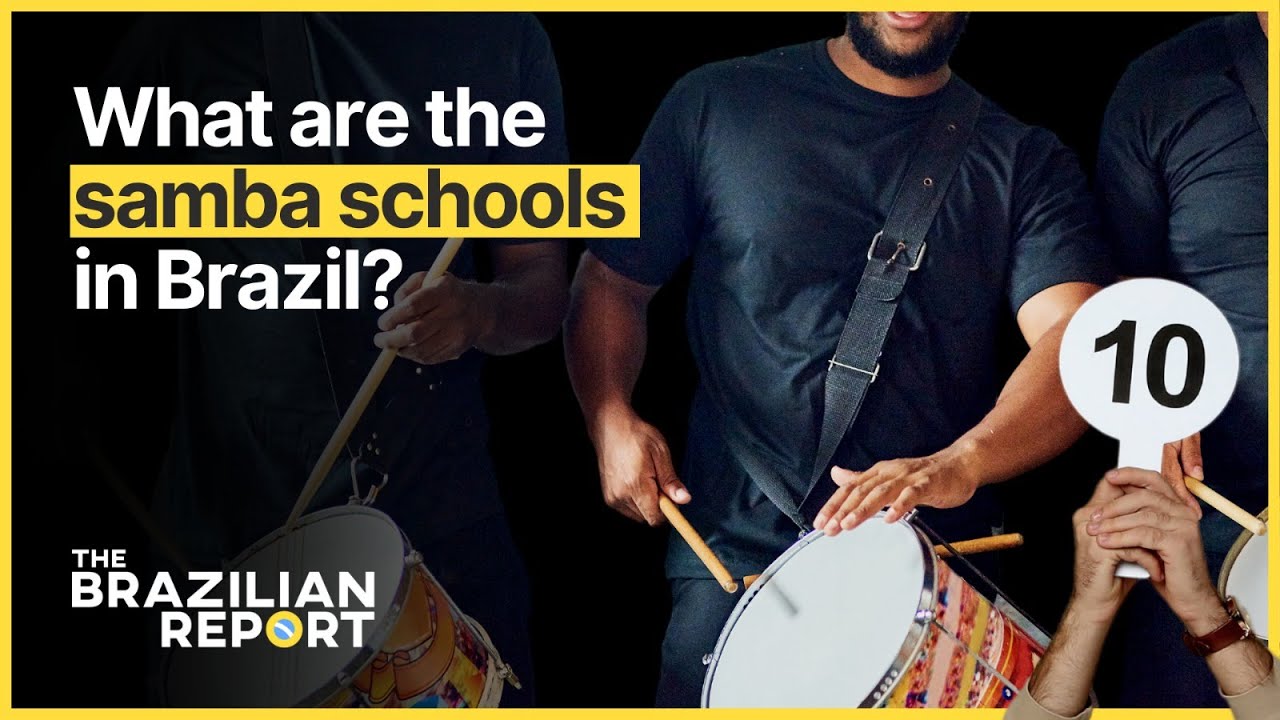
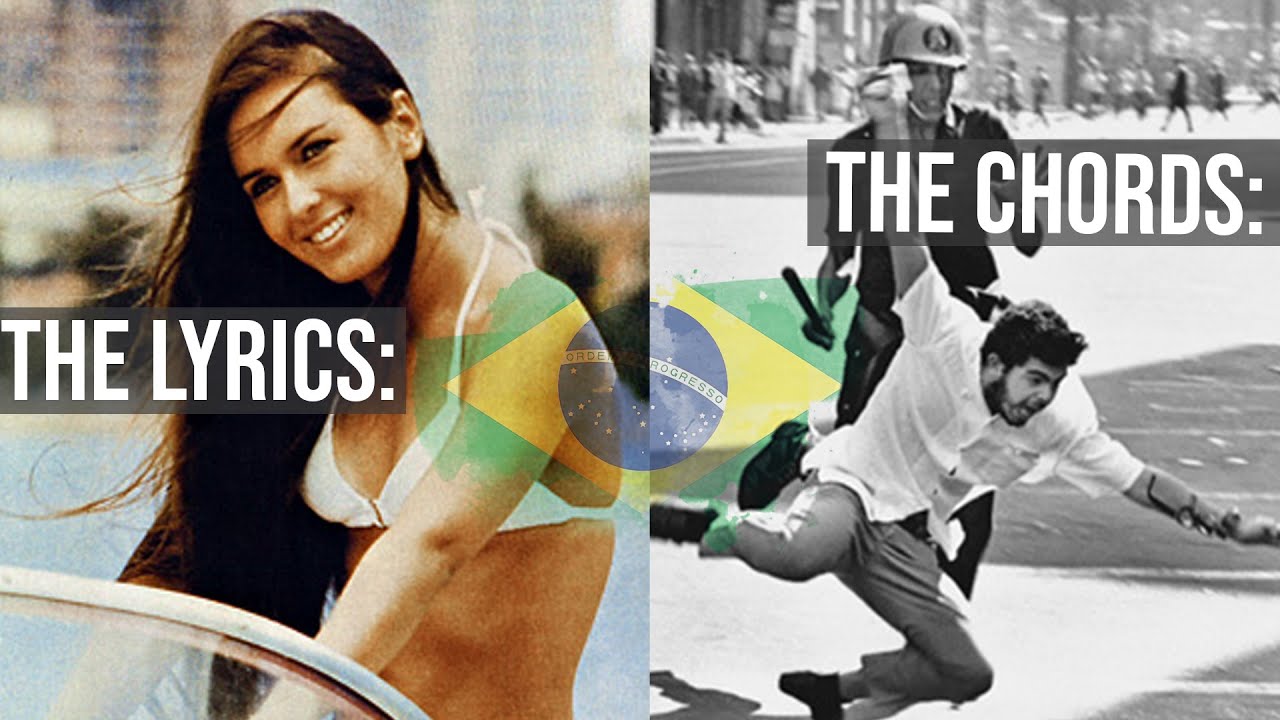
what it used to be but it wasn't what we know as today people wore costumes and joined the parades along with the musicians and it was in 1917 that Samba became an integral part of Carnaval the samba schools around favelas would use irony and sarcasm to express their displeasure with the government and these times the public attitude towards the favelas was not good the songs were suppressed by real authorities so with these marginalised communities having their art essentially silenced by the real authorities how did Samba become the sound of Brazil [Music] well we have to
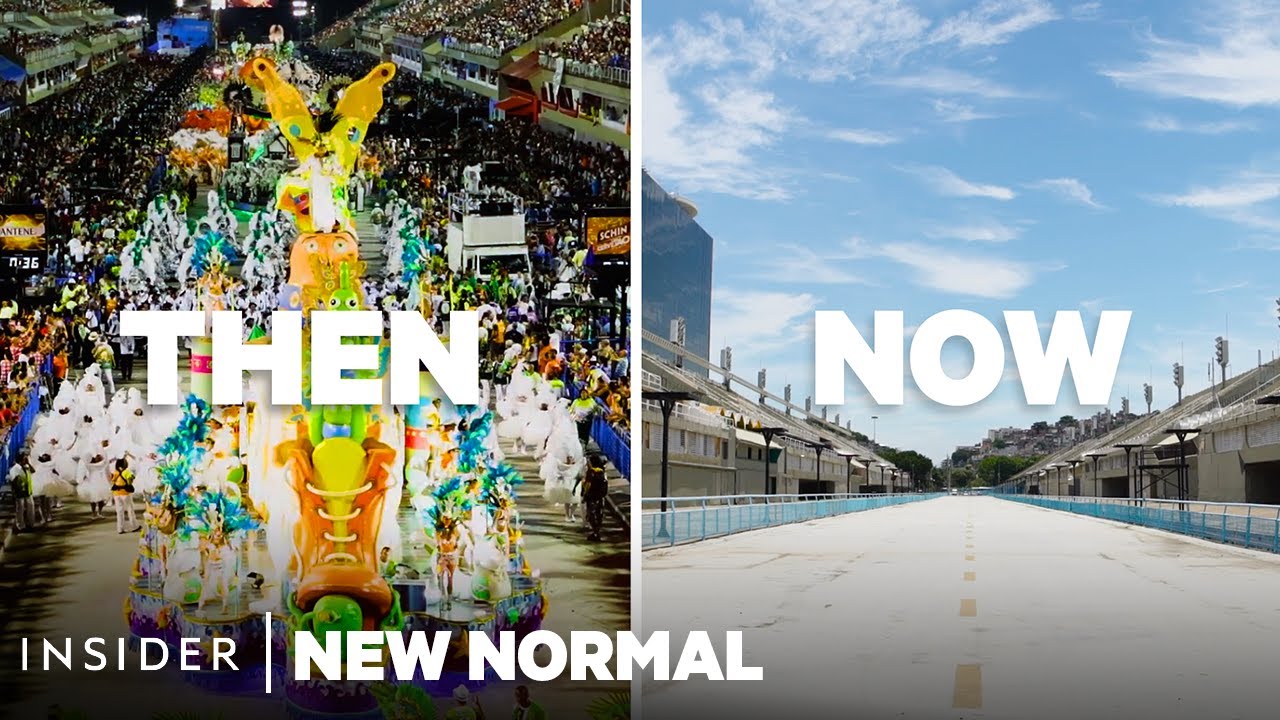
look at these schools the first sample school was formed in 1928 soon theme songs elaborate costumes floats became the main attraction of the Rio Carnival many other teams from different communities in Rio's neighborhoods followed mcGarry's footsteps and formed samba schools to take part in the carnival and the schools that competed in the Samba parade soon became the most popular event for the poorest slums - the richest households Tambo spread quickly across the city and to be fair the rest of the country millions of men and women pursue with pulsating rhythm many of the current samba
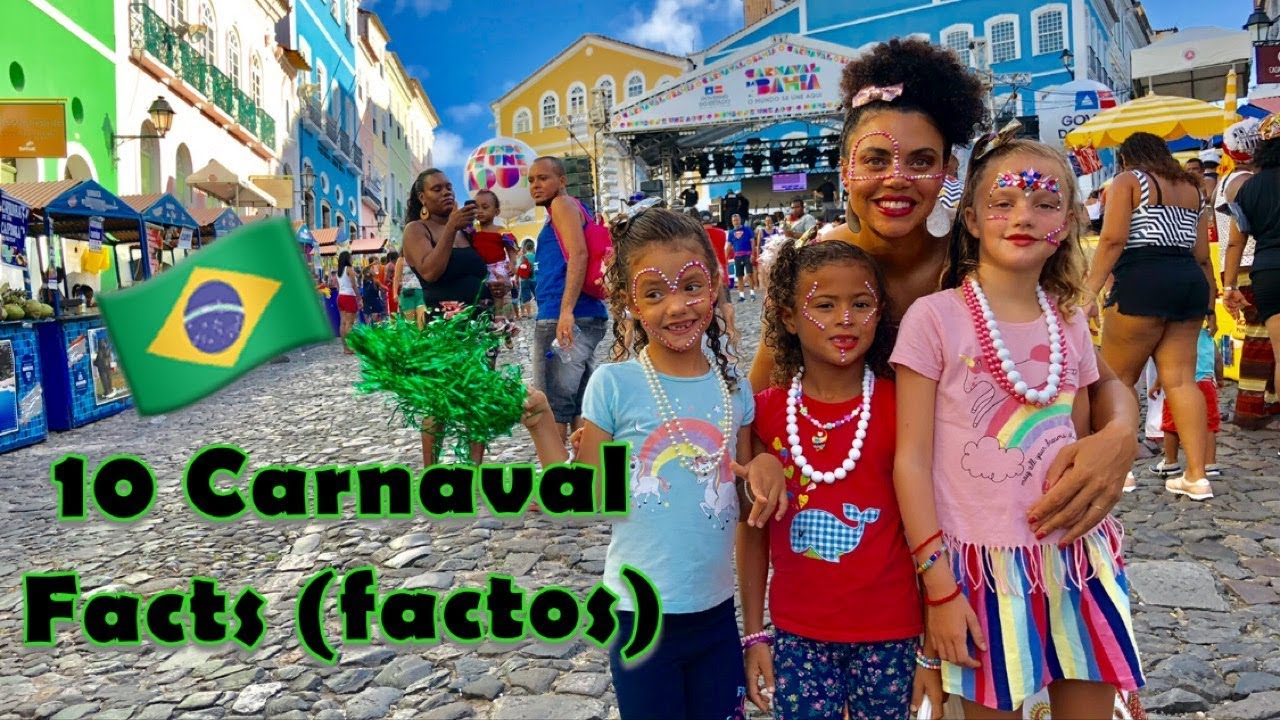
schools have their roots in the original schools of the 20s and 30s nowadays most of the city's renowned samba schools that compete are located in the favelas or close by people make the point that it brings Brazilian people together regardless of the economic position or class and it's the most important cultural expression of the country during Carnival 2019 the reports say it generated around 6.8 billion in revenue for the country and created almost 24,000 jobs so Brazil and within that the city of Rio has had a lot of ups and downs in the past few
decades an economic low in the 80s 90s and then a sudden boom in the 2000s and prospect for big change when they hosted the World Cup in 2014 and the Olympic Games in 2016 we should exactly help the country at all and that was the same situation for the favelas and there seems to be very similar parallels between the development of the favelas and samba if you could consider saying that samba is a metaphor for the favelas itself one of Sambas unique characteristics is its major upbeat rhythms which some could say is the deliberate juxtaposition
to the hard way of life within the favelas but I think that sanbir has become the soul of Brazil and the distinct sound and dance of Carnaval despite whatever political or economic situation Brazil finds itself in it seems as if the importance at carnival and its Samba driven rhythms plays in Brazilian society is reflected by the hope that it brings to the people it might be a country with problems but Carnaval in the music of Samba seems to bring everybody together hey just before you go thank you for making it all the way to the
end of this video I really appreciate it if you're new around here my name is Andy I make travel expands around things that make me curious around the world this was a little bit of a different video for me given the current circumstances where we're all stuck at home I took footage from in 2018 that I shot on an iPhone and a maverick air that had no intent of being used in this way fact this was why I even owned a Sony camera so it was an interesting video to put together but I really enjoyed
it I'm really happy with how it turned out and if you enjoyed it as well then I've really appreciate it if you gave this video a like and subscribe to the channel you can find similar videos in a playlist with previous episodes that I like this where I'm actually on location and I'd also love to know in the comments what was your favorite bit that you discovered about the origins of Sambo's let me know remember to hit the bell and those things as well it all helps and yeah thanks so much and I'll see you
in the next one [Music] [Applause] [Music]