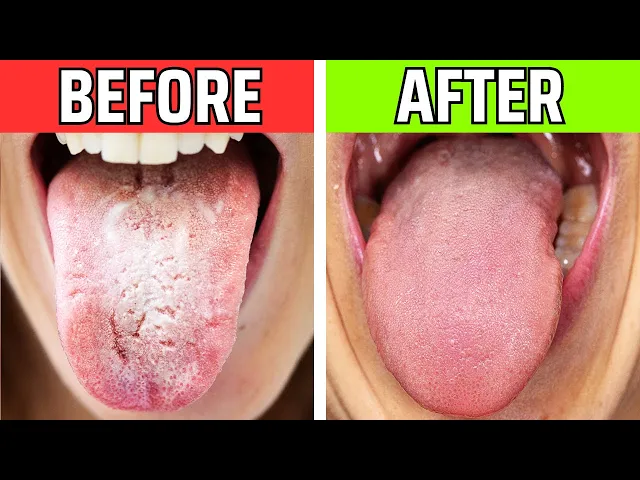
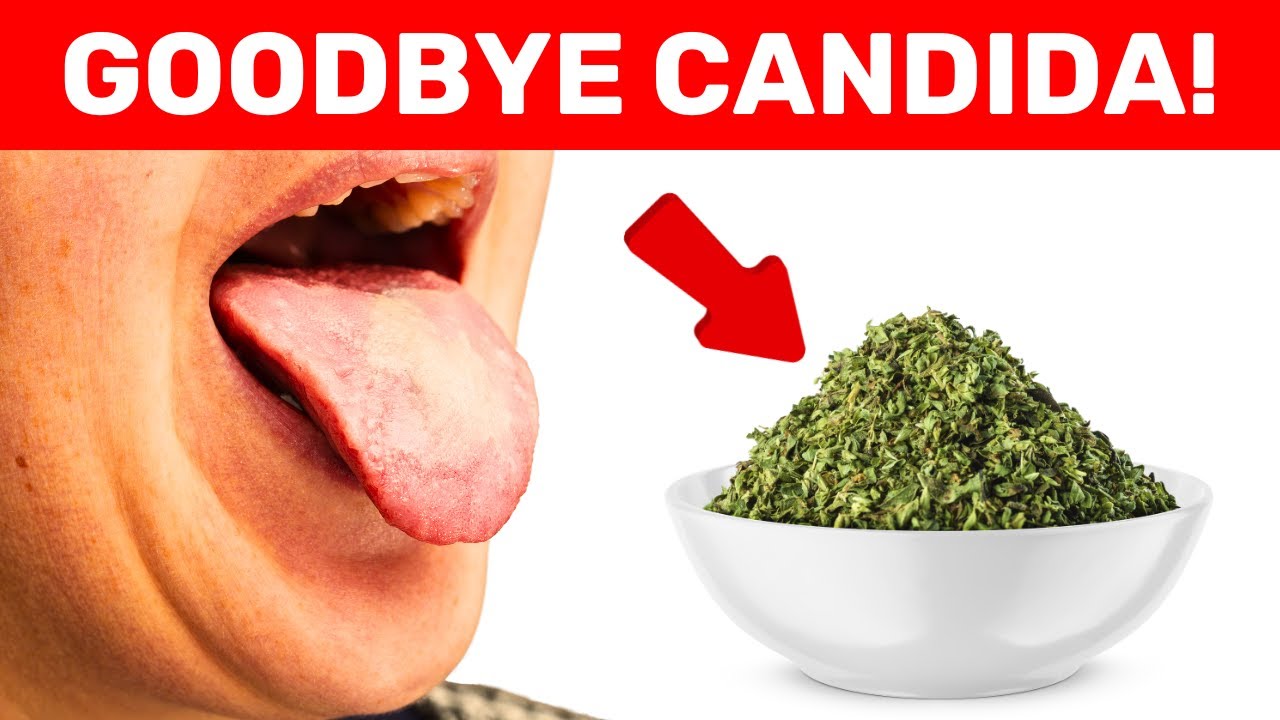
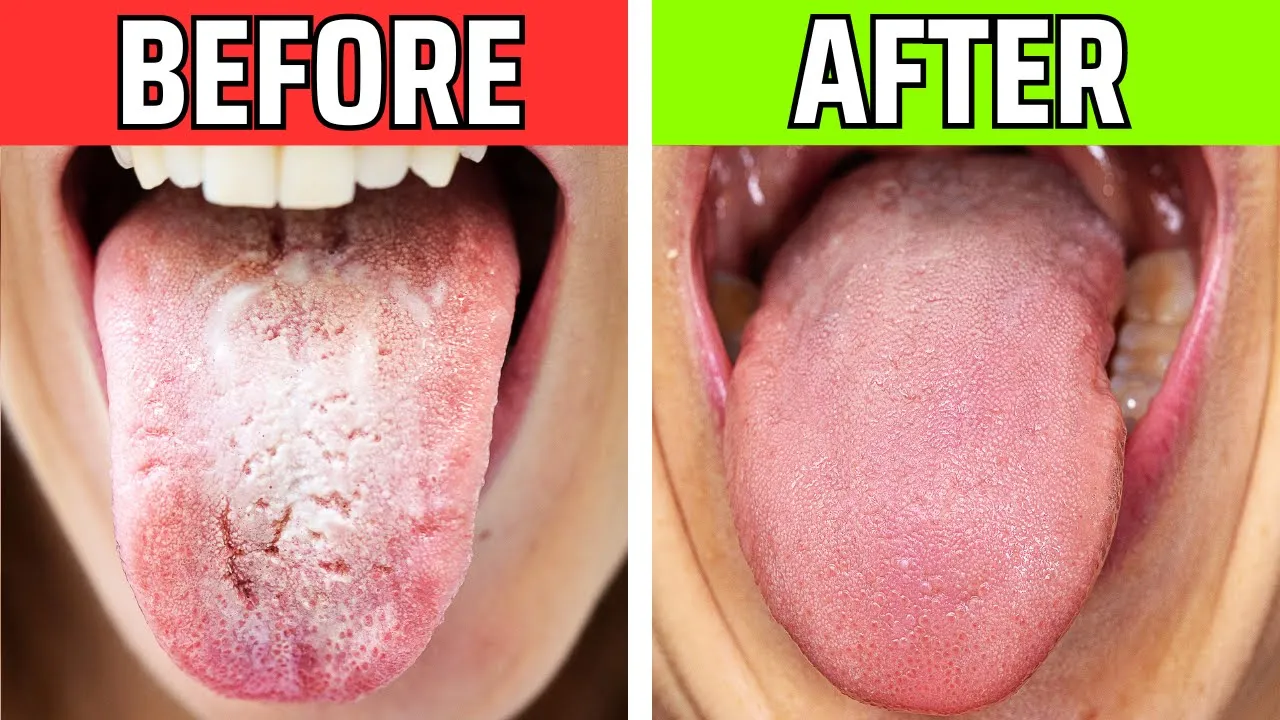
Today, we're going to dive into a powerful natural approach to combat candidiasis and fungal infections. If you've been struggling with recurring yeast infections, and you've tried numerous antifungal medications, like Fluconazole, Itraconazole, Ketoconazole, and even raw Itraconazole without success, this video is for you. I’m going to share two potent natural antifungals that, when combined, can effectively resolve your issue, even for fungi and Candida strains that have become resistant to conventional treatments.
Candida is a type of yeast that normally lives in small amounts in places like your mouth and intestines. It's generally harmless, but under certain conditions, it can overgrow and cause infections. This overgrowth can be triggered by factors such as a weakened immune system, antibiotic use, high sugar diets, and hormonal imbalances.
When Candida overgrows, it can cause symptoms like itching, discharge, and discomfort, often referred to as yeast infections or candidiasis. In more severe cases, it can enter the bloodstream and spread throughout the body, causing systemic infections. One of the first steps in combating Candida is addressing your diet and lifestyle.
Candida thrives on sugar and refined carbohydrates, so reducing your intake of these can help to starve the yeast. Incorporating more vegetables, lean proteins, and healthy fats can create an environment that's less conducive to Candida overgrowth. Managing stress and getting adequate sleep are crucial, as chronic stress and sleep deprivation can weaken your immune system, making it easier for Candida to take hold.
The first natural antifungal I want to talk about is caprylic acid. Caprylic acid is a fatty acid derived from coconut oil and palm oil. It has potent antifungal properties that can help to break down the cell walls of Candida, making it an effective treatment for fungal infections.
Caprylic acid works by disrupting the lipid membranes of the yeast cells, which leads to their eventual destruction. This acid also has anti-inflammatory properties, which can help to reduce the symptoms associated with yeast infections. To use caprylic acid, you can find it in supplement form, often in capsules or soft gels.
The typical dosage is around five hundred to one thousand milligrams taken two to three times per day with meals. It's important to start with a lower dose and gradually increase it to avoid any potential die-off reactions, where the dying Candida releases toxins that can temporarily worsen symptoms. The second natural antifungal is Pau d’Arco, a tree bark from the Amazon rainforest that has been used for centuries for its medicinal properties.
Pau d’Arco contains compounds called naphthoquinones, which have powerful antifungal, antibacterial, and anti-inflammatory effects. Pau d’Arco works by inhibiting the growth of Candida and other fungi, making it an excellent natural remedy for yeast infections. It also helps to boost the immune system, which can further aid in fighting off infections.
You can take Pau d’Arco in several forms, including tea, tinctures, and capsules. For tea, steep one teaspoon of Pau d’Arco bark in a cup of boiling water for ten to fifteen minutes, and drink it two to three times per day. If you prefer capsules, the usual dosage is around five hundred to one thousand milligrams taken two to three times per day.
When combined, caprylic acid and Pau d’Arco create a powerful synergy that can effectively combat Candida and other fungal infections. Caprylic acid disrupts the yeast cell walls, while Pau d’Arco inhibits their growth and boosts the immune system. This combination can help to not only eliminate the existing infection but also prevent future recurrences.
In addition to these antifungals, it's essential to support your gut health, as a healthy gut microbiome can help to keep Candida and other harmful microbes in check. Probiotics are beneficial bacteria that can help to restore the balance of your gut flora, making it harder for Candida to overgrow. Look for a high-quality probiotic supplement that contains a variety of strains, including Lactobacillus and Bifidobacterium.
Aim to take at least ten to twenty billion colony-forming units per day. You can also incorporate probiotic-rich foods into your diet, such as yogurt, kefir, sauerkraut, kimchi, and other fermented foods. Certain foods have natural antifungal properties and can be beneficial to include in your diet.
Garlic, for example, contains a compound called allicin, which has strong antifungal effects. Adding fresh garlic to your meals can help to combat Candida. Coconut oil is another excellent choice, as it contains caprylic acid and lauric acid, both of which have antifungal properties.
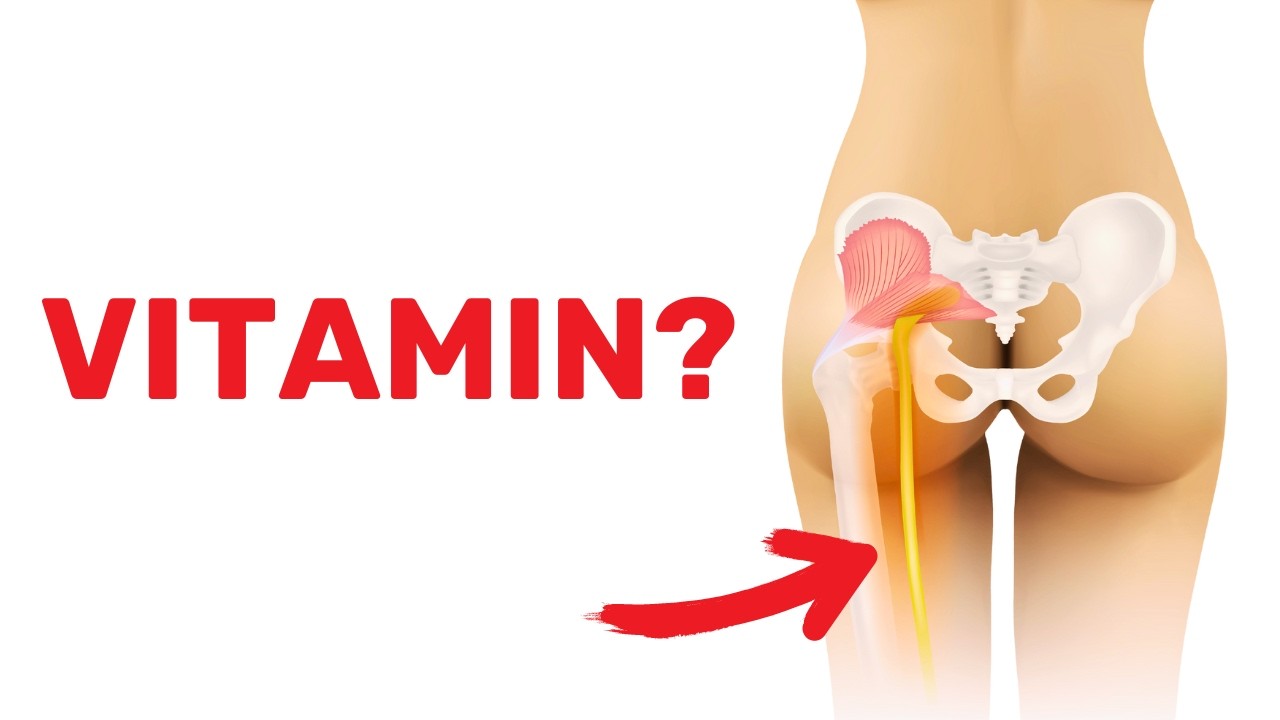
Use coconut oil in cooking or take a spoonful daily to help fight off yeast infections. In addition to dietary changes and natural antifungals, certain vitamins and minerals can support your body's ability to fight off fungal infections. Vitamin C is a powerful antioxidant that can boost your immune system and help your body to combat infections.
Aim to get at least one thousand milligrams of vitamin C per day from food sources like citrus fruits, berries, and leafy greens, or from a high-quality supplement. Zinc is another essential mineral for immune function and can help to inhibit the growth of Candida. Foods rich in zinc include oysters, pumpkin seeds, and beef.
You can also take a zinc supplement, aiming for around thirty to fifty milligrams per day. Beyond diet and supplements, certain lifestyle practices can further help to reduce Candida and fungal infections. Keep the affected area clean and dry, as Candida thrives in warm, moist environments.
Change out of wet clothing, such as swimsuits or workout gear, as soon as possible. Opt for natural fibers like cotton, which allow your skin to breathe and reduce moisture buildup. Chronic stress can weaken your immune system, making it easier for Candida to overgrow.
Practice stress-reducing activities such as yoga, meditation, or deep breathing exercises. Drnking plenty of water helps to flush out toxins and supports overall health. Combating Candida and fungal infections naturally involves a multifaceted approach that includes dietary changes, natural antifungals like caprylic acid and Pau d’Arco, probiotics, and supportive vitamins and minerals.
By making these changes and following these tips, you can effectively address and prevent recurring yeast infections. Remember to always consult with a healthcare provider before starting any new treatment, especially if you have underlying health conditions or are taking other medications. By taking a proactive approach and incorporating these natural remedies, you can support your body in overcoming Candida and fungal infections and achieve better overall health.
Thanks for watching!