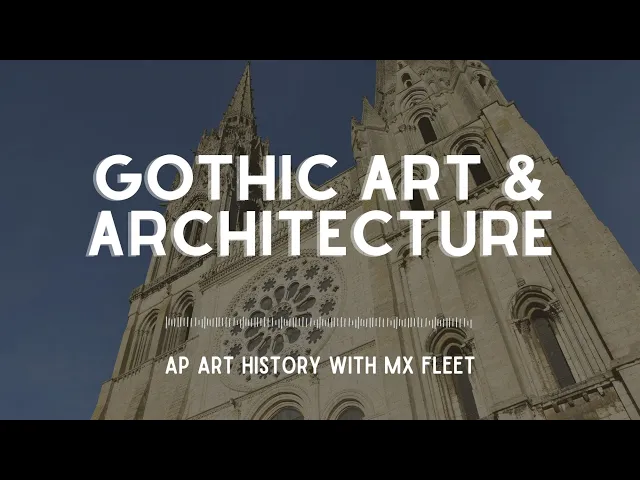
romanesque we are going to transition now to gothic europe alrighty so there was um this era of peace and prosperity that was carrying over from the romanesque period especially in and near paris we have the centralized monarchy that is beginning to form um and establishing a clear line of succession so that's reducing a lot of these kind of smaller conflicts that are happening that would typically happen between lords typically you would have an area like this that was separated into lots of smaller kind of like dome dominions and when power is centralized under a kingdom
there's less squabbling over individual parcels of land so this increasing centralization of power also results in this increasing centralization of wealth so we see a lot of growth of cities and towns um and then we're also seeing this um this this movement where paris is becoming the intellectual center of western europe so whereas stuff was happening primarily in rome we have things now carrying over to france so the early gothic period was quite successful we're seeing the growth of these cities we're seeing lots of artistic expression lots of art being created however the later gothic
period and beyond was marked by a lot of conflict and turmoil and there was kind of a trifecta of things that happened during this 150 year period that were really nasty so the first thing was of course the hundred years war between france and england this is causing widespread ruin across time and space i believe the 100 years war actually lasted 112 years so you can imagine that this extended multi-generational conflict is causing a lot of damage um in this region we also have the babylonian captivity of the papacy so this is somewhat complicated and
i'm gonna probably oversimplify it but basically what happened is because um france is now becoming the intellectual center of western europe um that's one of the things that is factoring into the decision for the pope to move from rome to france so once this pope moved to france there was another pope that showed up in rome and they basically had like a pope rivalry so this really undermined the power and authority of the church um and resulted in a lot of people kind of like separating themselves from the church ever as a result the final
nail in the coffin for this rather dismal set of years was the black death of 1348 which wiped out about a third of the population of western europe so this was being bringing art and architecture to a standstill in terms of people creating it like there were there was so much death that people like that had not been able to receive employment like got employment as gravediggers there were so many bodies that they couldn't dig the graves fast enough it was this awful die-off of human beings that had this profound and lasting impact on art
and culture in western europe for many years so one of the things that was a result of this was people retreating to these earlier styles of art as like a form of penance like we're sorry the art was too beautiful we're gonna make it a little bit less pretty now so that was kind of like the uh nasty nasty stuff that is happening in western europe so one of the things i'd like to bring up when i talk about the black death is like this had such a profound impact on human history that when you
look at population growth over the course of thousands of years we can see a pronounced dip in the growth of human populations um during the bubonic plague of 1347 and 1348. so you could read entire books about the effects that the bubonic plague had on trade on commerce on society and art but one of the most important things that happened was changes to the fetal system so a lot of people died of the bubonic plague and just as we're seeing with coronavirus right now a lot of the people that are dying are people of lower
classes so in this particular instance it was serfs so serfs were the people that were working the land that they lived on in service to the lords so they didn't really have labor unions back in um people who were serfs had typically had poor diets really short and miserable lives and of course the play comes in and wipes out a bunch of surfs so what happened was that the number of surfs went down so the supply is going down but the lord still had all this land they needed to work so what ended up happening
is that the serfs were like hold on there aren't as many of us as there used to be so we can actually bargain with you a little bit more so that resulted in the service demanding more wages and better conditions to work in so that was kind of like one of the long lasting impacts of this point in time was that we start seeing feudalism kind of disappear especially to as power is centralizing in these kingdom in these larger kingdoms rather than these these small land parcels fun facts all right so a couple of things
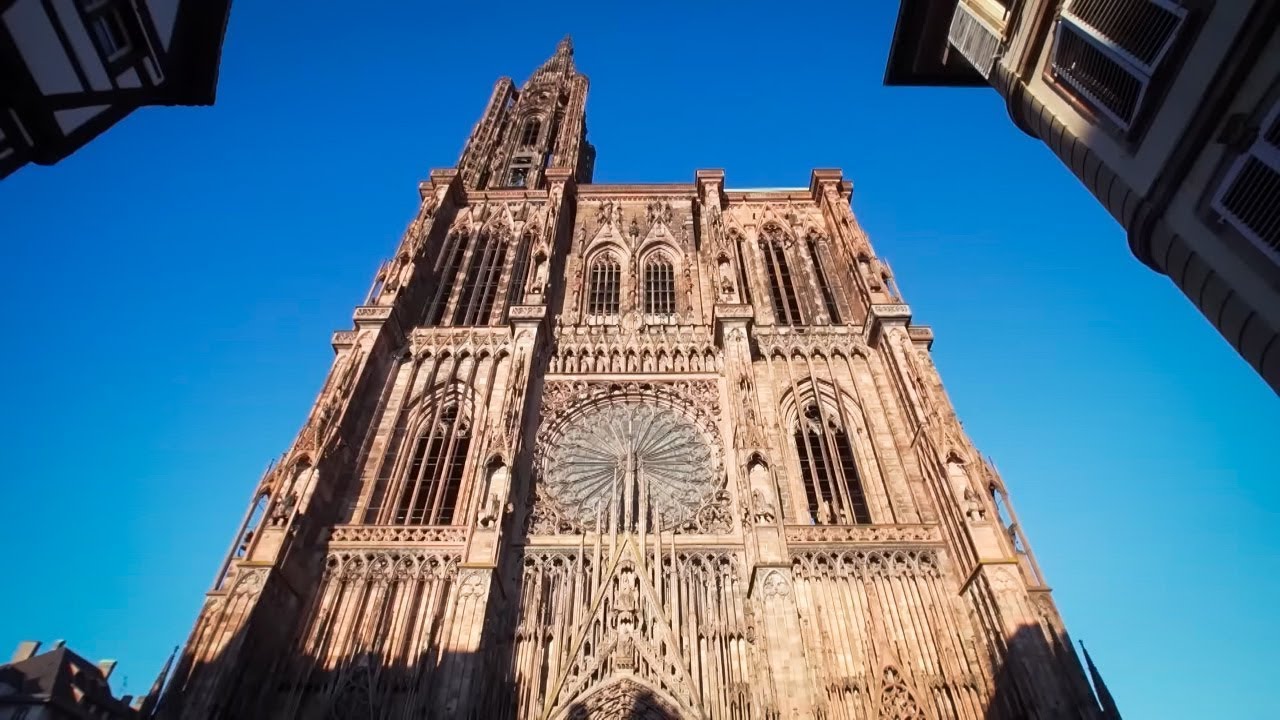
are happening with regard to art and architecture in the gothic period largely we see a carryover from the romanesque period in terms of styles and trends it's just that things are getting bigger and fancier so in romanesque things are already kind of big and chunky in gothic art and architecture we see things becoming even bigger and rather than getting chunkier they're actually getting taller so at this point in time there's been a lot of technology developed to make buildings taller without having to make the walls so thick so what happens is that we're seeing this
increased verticality in buildings so there's a couple of structures that are engineered to support these taller structures one of them is called a flying buttress so flying buttresses are these scaffolds that are basically like crutches for the building they are supporting it and keeping it upright um and they are opening up this interior space by supporting the weight of the roof and the building itself and requiring the walls to not be so thick you'll also recall that when we looked at romanesque architecture the windows were relatively small and the walls were very thick one of
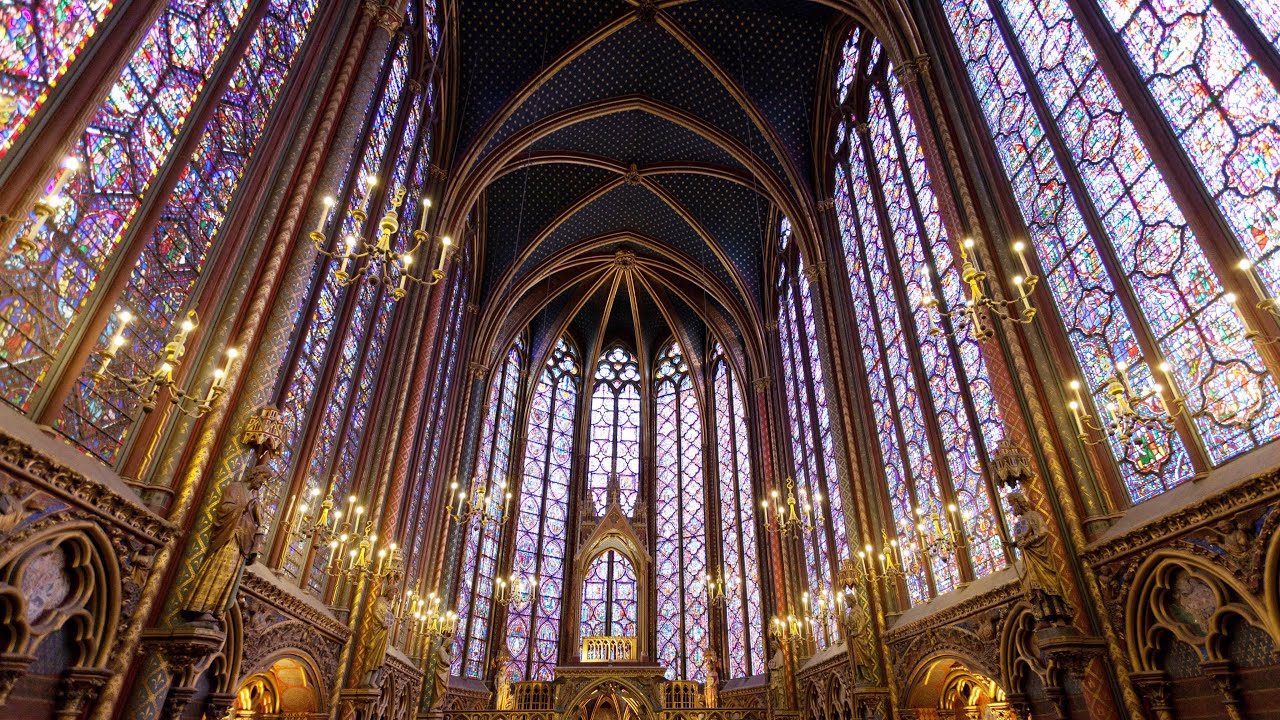
the things that is happening in gothic architecture is that as the walls are getting thinner and there's exterior support for the weight of the wall in the ceiling the walls don't have to be as thick and they don't have to always be made out of like stone so we have the advent of rose windows these beautiful stained glass windows that are adorning the surfaces of these walls and important areas of the church and i'm going to be talking a little bit more about the purpose of stained glass within the context of religious architecture in just
a moment but these rose windows by and large are bringing more light into the building and then they're also providing this elaborate decoration and form of expression in terms of other things that are being developed to enhance gothic architecture are pinnacles so these are these tall spires that are providing stability and oftentimes ornamentation and then we're also seeing the enlargement of choir spaces because um up until we're getting to that relatively dismal period of the gothic period these ceremonies are becoming larger and more elaborate as we'll see in the cathedral that we're covering today as
well a lot of the larger cathedrals have to con continuously retrofit their spaces and renovate because they have lots and lots of pilgrims that are coming in so these people that are going on these religious journeys to these important sites um and visiting these important relics within the realm of christianity so there has to be modifications made to these cathedrals so that people can move through them a little bit more easily so the overall intention of building things taller um is to get people to look up towards heaven there is a um there is an
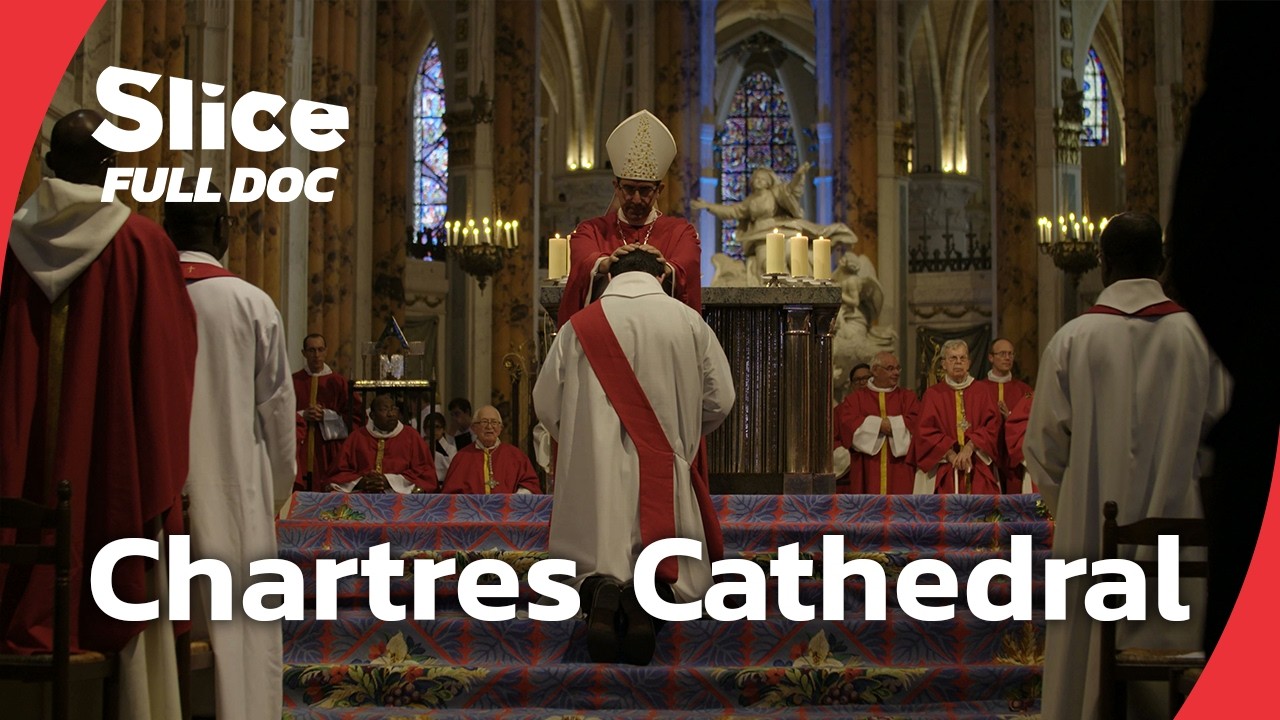
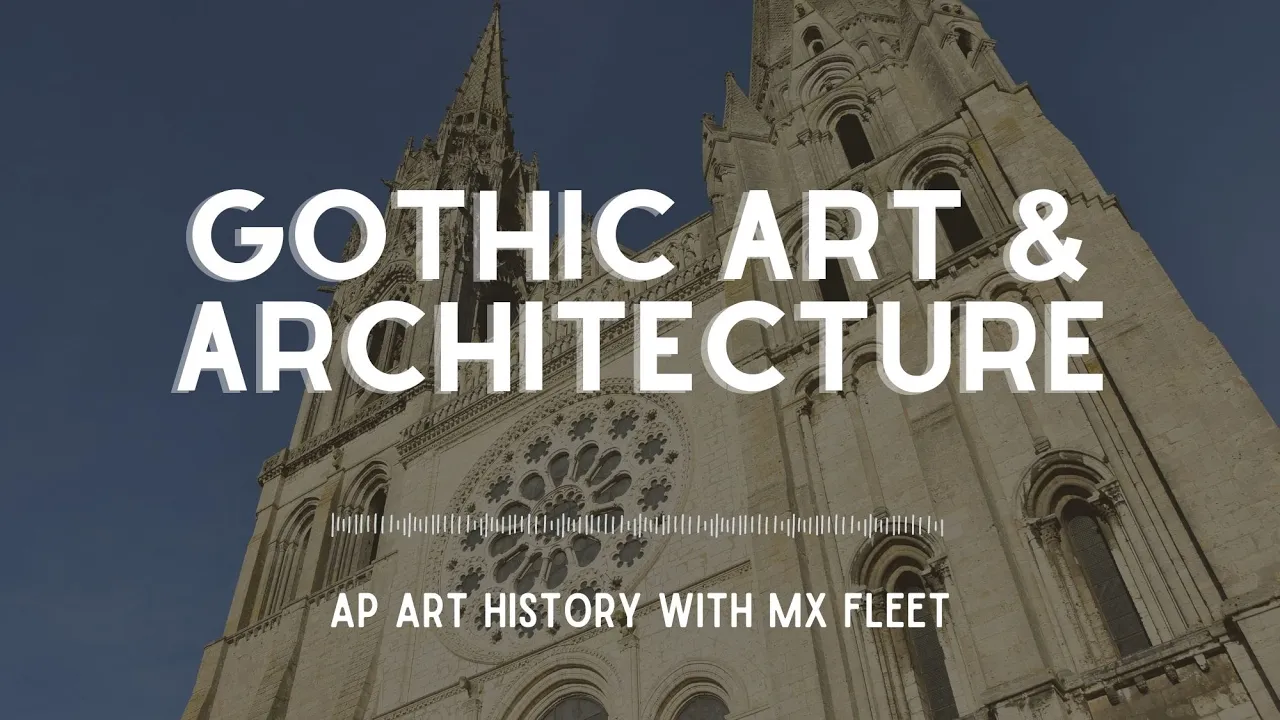
intention on the part of these architects to get these these people that are visiting these sites to be absolutely gobsmacked to get them to like have their mouths dropping open in awe as they are within this holy space so similarly to what we were seeing in the highest sophia it's something that is meant to be awe inspiring um gravity defying really getting you to believe in this like divine cosmic power of god so this is our gothic cathedral for the ap curriculum i believe the pronunciation is chucked i always inevitably end up saying shart instead
so i apologize so this cathedral um and its initial even just its initial construction spans many many years so it was initially uh be beginning construction in the 12th century um but at this point in time nearly everything was destroyed in a fire and they had to start over so one of the things that happened after this fire or be before this fire is that the the cathedral actually housed an extremely important relic to christian to christians which is the santa cam kamisha which is the tunic that the virgin mary wore at jesus's birth so
this was a very important and famous um relic and the people who ran this cathedral actually obtained it and had a spot for it in the cathedral um and then the whole thing burned down but the cloak this um the santa cami kamisha was one of the only things that survived so that was kind of like interpreted by these officials as like a divine sign like we should make the church on top of these ruins and make it even bigger and better than before because god is telling us to because he let this thing survive
so what we see as a result of these like various things that are happening we have the fire and we have a couple of things that are surviving that fire and then we have the expansion of the church and then the destruction of like other stuff around it to make room so there's this kind of like frankensteinization that is happening with this building we have these initial foundations that are built and then other stuff was added and then there were modifications made to enlarge this choir space and then of course in the final iteration we
have this choir space that is um expanded upon or at least the eddies apps where all of these little um chapels have kind of been fused together to allow more light into the space and the chapels have kind of been simplified here so um we also see kind of this frankensteinization in terms of the exterior decor as well we have two spires one right here and one right here in the narthex of the building so this left spire is from a later period it's a little bit more elaborate elaborate and decorative whereas the spire on
the right is older so this is the enlarged choir space right here there's a couple of things that have been done to this particular cathedral because it it it does house this extremely important and famous shrine there's going to be a lot of people that want to come to this building and you can imagine that as a sermon is going on right here or there's some sort of service that it's it would be extremely disruptive to have suddenly have like 100 people coming into the building through the narthex and like okay we're here in the
cathedral so there were actually separate doors that were installed on the sides here so the the altar is right about here so people could actually enter the building this way and then go into the ambulatory here and see all of the cool relics and then exit out this side without ever having to interrupt the service that is happening right here with the um with the patrons of the church right here form fits function so here is an exterior view of this cathedral it is absolutely massive and you can see in this image too these are
all the buttresses these are these external structures that are being used to support the building so in earlier periods oftentimes these buttresses were concealed within the walls of the structure because people didn't like the way they looked and this is one of the first times in um christian architecture that we're seeing buttresses used on the external surface of the building and they are retrofitted to add this external ornamentation and decoration here is one of the rose windows right here off of the transept and this is the enlarged apps right here and then the choir space
so there's a couple of different parts of this cathedral that are mentioned in the ap curriculum one of them is notre dame de la belle our lady of the beautiful window pardon my horrible french pronunciation i apologize so one of the things that we see a lot particularly in gothic architecture is the use of light to represent this the symbol of divinity so light is beautiful and immaterial it is the perfect christian symbol for something that is kind of representing this the divine so we have this combination of this artistic medium that is very beautiful
um and involves light as well as this christian religious imagery and this this combination is creating this transcendental experience for churchgoers it really is especially at this point in time particularly awe inspiring to walk into a church and to see this extremely colorful beautiful glittering image on the surface of the walls in a lot of cases it almost seems to be floating above the ground because the interior is otherwise quite dark so this particular portion of the lady of the beautiful window stained glass was undamaged in the fire right here these scenes on the sides
right here were added later on so in this image right here we see the virgin mary crowned as the queen of heaven she's obviously the focal point of this image remember that this is a marine shrine so she's going to be the big deal in this particular edifice um and then the christ child is in her lap right here you can see this nimbus halo so there's a cross within the halo around his head and he kind of has the proportions of a small man because that is fairly typical at this time to depict children
particularly the christ child as basically small adults um stained glass in general um was oftentimes used in churches to create these um like large-scale illuminated works of imagery at this point in time not a lot of people are literate so it really is imperative for the church to communicate their teachings through visuals and one of the largest visuals and one of the art forms that can be shared by hundreds if not thousands of people at once are these stained glass windows they're large enough that they can be seen by lots of people at any given
time and then they're also in the central and like important location within this greater community so these narratives were very didactic in nature they have an educational purpose they are showing images of these figures that are being mentioned in sermons that a lot of times people are only hearing about and not reading because they are unable to read at this time so um like manuscript illumination um the creation of stained glass windows was a very long and laborious process and there were often times many different specialized artisans that would work on creating these images just
obtaining the materials to create the the glass and the different glass colors was extremely expensive and in fact a lot of the glass that was used in western european buildings up until a certain point was actually imported from constantinople over in the east a lot of these tones to use expensive materials like this really beautiful red glass right here is actually created by adding gold to the molten glass so it's really expensive so the way that this is done is that the glass is made and then it's cut and it's wrapped in leading which is
this material that is made of lead so you got to be careful when you do it because lead is toxic so you can imagine that a lot of these artisans are probably being poisoned as they're doing this um the glass is then painted and then fired again to set the colors a lot of times there's these details that have been added by the artist and the surfaces of the glass those things were painted on and then those the finished pieces then placed into the window frame so i don't have time to like go through an
entire video the process but you are free in your own time to research exactly how this is done so these are the royal portals these are on the narthex of the building i believe you can see them right here so this view right here is this location over here with the two spires this is the northx so you'll notice that this entrance right here um is very similar to what we saw in the saint foy cathedral where we have these um half circle shaped motifs over a door so remember that this is called a tympanum
these particular doors were used by church officials there were other entrances that were used by others so what you'll notice when you look at the figures in these images is that there's a lot of similarities to the uh the tympanum images of saint foy we have human figures that are kind of shoehorned into these small like little niches and they're kind of filling up the architecture instead of being like small and then having the architecture seem larger and more grand we have this hierarchy of scale with um christ as being this the largest and most
central figure and this case he is kind of like in the throne of heaven and he has this halo around his head um and then he is surrounded by these um by the four apostles right here or the four evangelists my apologies um there are other images that are surrounding um these like main images right here um these are mostly kings and queens um that are mentioned in the bible so these images again you'll notice the figures are not as stiff as we saw in the romanesque architecture the figures are a little bit more naturalized
their faces are a little bit more realistic the drapery is a little bit more realistic but they're still very otherworldly the figures appear to be floating and they're also very elongated and they they kind of don't really have that intimidating look to them they seem very passive so we're seeing this the softening of the image of christ rather than like this image that is intended to to kind of intimidate people into being christian it is more of like this is your this is kind of like the place where you are being saved and like there's
not really like any sort of mention of hell or like you're entering this building um as a sinner all right our next work is um the moralized bible so there are a couple of moralized bibles in existence the particular examples that the ap curriculum uses are from france and spain and belonged to members of the royal family so there's a couple reasons why this is for one thing moralized bibles required an incredible amount of work both in terms of like writing as well as illumination so moralized bibles are are called as such because they involve
the creation of images and text from the bible itself so you have ima you have the text from the bible and then you have illustrations but then beyond that there's also additional content where there is text that is interpreting the um the canonized like scripture from the bible and then there's also additional images that illustrate that description and elaboration so there's basically double the amount of information in these books that you would see in a typical bible so these are among the most expensive and lavish eliminated manuscripts ever made so we saw the lindisfarne gospels
and how beautiful and and intricate those were when you look at a single page in the moralized bible there are eight illustrations on a single page it is an incredible amount of work the only people that would have been able to afford a manuscript like this of this quality that would require this much time and attention would be members of the royal family they are incidentally of course to the only people usually that are literate at this time and they're the only ones who would probably find use in a manuscript with text so what you'll
notice when you look at the these pages in the moralized bible is that they're very similar to stained glass windows in the ways that they are framed in these particular cases right here we are seeing these arched spaces right here that are framing these figures inside of them the backgrounds are also relatively flat and not providing that much detail which we're pretty used to at this point in time we won't really see it again until the renaissance period which is next lecture and in this case we're seeing eight images um one in each of these
rounds it's an easy one to remember it's a round kind of like space that an image is situated in so moralized bibles um are oftentimes regarded as important historical artifacts because they reveal a lot of the uh kind of like the the paradigm of the time they are oftentimes drawing parallels between the individuals and events that are canonized in the bible and the people that are existing at the time that this bible is being illuminated so one of the things i always ask students to notice when they're looking at religious manuscripts is like are the
people in these manuscripts like do you think that people in like the the places that the bible is mentioning would have been wearing these clothes or they would have um been like this apparent ethnicity and the answer is usually no so oftentimes we see this kind of indirect um influence of how people are appearing in moralized bibles um and that influence is largely based on the people who are commissioning it so if you have a a bible that is being created in medieval france then the people that are depicted in the bible are going to
look medieval french they're not going to look like they're from 25 ce in jerusalem so another kind of like more direct consequence of having these bibles being created at this particular important time is that the beliefs uh or rather the the the largely held more popular beliefs of the time particularly of christians of are being reflected in the commentary that is being made on each page so again we have the scripture on one side um and then this commentary so oftentimes this commentary is drawing upon contemporaneous figures so the all of the characters who are
good are basically um they're they are compared to kind of like the the good like at this point in time like modern christian whereas all of the characters who are villainous or bad are equated with people who at this point in time in medieval france or medieval spain as like the people that are like the villains to christianity of the time which in this case are usually people who are foreigners or practitioners of a religion other than christianity in this particular case hebrews are targeted particularly frequently so this is one page of a moralized bible
right here so this is an example of a more secular bit of imagery we have um these figures of royalty and we're showing this mentor and mentee relationship we have um the blanche of castile right here and then his mother or um and regent is shown here so she is the one who is basically um helping to rule the kingdom for him until he becomes of age in this image down here we're seeing a parallel between this mentor a mentee relationship we have an older monk on the left here who is instructing a younger scribe
on how to create a manuscript illumination we also have these bits of architecture that are quite fantastical in nature in the background here so this image right here is um an illustration from one of the the books of the bible i can't remember where it is at the top of my head right now um and this um collection of narratives and images is basically a narrative a narrative of what will happen at the end of time so essentially the message is that there is this ongoing battle between god and evil but spoiler alert god wins
so it's okay so the format here is again very reminiscent of stained glass windows where you're having this imagery that is narrative in nature it's telling a story and um i i will get into in a little bit but there's obviously a lot of kind of like anti-semitic and xenophobic messaging that is happening both implicitly and explicitly in the images and text here so um i want to give you an example of this and how kind of like these moralized bibles work so there is text from the bible here it says and i saw another
sign in heaven great and wonderful seven angels have thing the last seven plagues for in them is filled up the wrath of god the commentary um basically summarize that was provided in a text below this was basically saying um hint the seven angels are faithful preachers who teach god's people like that is the role of preachers this is kind of like the allegorical version and then this is how we interpret that in our time and space this is an illustration of this commentary that was provided we have these two preachers right here you can recognize
them from their dark robes and funny haircuts and then they are reaching out to the people here and these people are like yeah like i can listen to you i i'm down with this and then you have these two individuals right here whose backs are facing these preachers so oftentimes um people who were jewish were referenced by having these um conical or pointy shaped hats um this is basically insinuating um to the reader that medieval jews have literally turned their backs on god and that they are no longer like god's people so imagery like this
and narratives like this um were a lot of the reasons are a large part of the reason that that jews were persecuted so heavily during this period they were also blamed for things like the black plague as well all right our next illuminated manuscript is the golden haggadah so this particular image was created in late medieval spain at this point in time late medieval spain was pretty multicultural we had people who identified as christian living there we had jews and there were also muslim groups as well so haggadah um ahagadah or plural hagadot is a
narration so this is a jewish manuscript in this case this um narration is of the story of passover and the ritual of the seder so passover for those of you who don't know is a festival that commemorates the exodus of the jews from egypt under under the leadership of moses so if you've ever watched the prince of egypt this is basically like the second half of the movie so it is theorized that um very wealthy jewish patrons uh commissioned this sort of illuminated manuscript it is highly unusual because typically within judaism images are prohibited particularly
when they depict like religious imagery um this is very similar to what we're seeing in islam however there were exceptions made for imagery that was didactic in nature so they're like okay this is educational so it's okay that we're using images for this also medieval jews were not always following this prohibition anyway again in a multicultural society you're seeing a lot of gray areas in terms of how people are practicing their chosen faith we're not seeing things nearly as orthodox as a lot of people assume they would be so the handling of the stylistic elements
the figures the way that space is explored etc are very similar to what we see in um contemporaneous christian texts so texts that were created um for christian bibles for example around the same time we have these heavily draped figures oftentimes they have very thin hands um enlarged heads and these long bodies we also have interestingly these contemporaneous settings um for those of you who understand like passover like most of the stuff that happens in um the this particular narrative is in egypt these people don't necessarily look like they're from egypt circa a thousand bce
they are not wearing clothes that people would have worn in egypt around a thousand bce so these are things to think about again people don't really have that are creating these manuscripts are not creating images that they are intending to be kind of like reflective of the uh like canonically accurate location or time period and they are instead referencing on what they know in their particular location and their particular people and traditions so here are two more images from the golden hoga we have the preparation for passover right here so images are typically read from
right to left at this particular point in time god comes to moses and tells him like i'm about to bring the seventh plague it's not going to be great basically i'm gonna kill every firstborn son unless you have the blood of a freshly slaughtered lamb painted above your doorway so we can see the the lambs being slaughtered here and the blood being prepared um and this scene right here this is referred to as the scenes of liberation um one of the the final things that is happening in this narrative is that moses um is crossing
the red sea he strikes his staff and creates a corridor in the red sea for his people to cross um and then he call once the egyptian armies are coming after him he um calls the um he basically lifts his staff up and the sea comes back and all his people are safe so again here's our egyptian army they don't look particularly egyptian here are the jews leaving egypt this is not particularly egyptian architecture as i'm sure you will be able to see very clearly so again we're seeing what is familiar to this artist at
this particular location and point in time being used as a a reference in a framework for the imagery that is being used in this hakata so for this next piece i just want to give a warning there is a bit of blood and body horror involved as well as an emaciated body so this is the virtugen pieta and it is an in-dashed build i apologize my my german is about as good as my french um it is um an object that is typically used for private devotion this is not something that you're gonna find in
a large fancy cathedral it's not as refined or decorated as something that you'd see one of those places so this kind of sculpture is something that was actually found a lot in german abbeys at the time and for those of you who don't know an abbey is basically a place where monks or nuns live so we're going to see this word again this is pieta so pieta is a phrase or word that's used to describe a scene where mary is holding jesus's lifeless body as he is removed from the cross so there's a couple of
famous pieta out there this is perhaps the most famous one this is michelangelo's pieta um and we have mary here holding jesus lifeless body this is the pieta and notre dame again when you look at these images they look relatively sanitized you're like okay jesus has been on a cross for several days he has been nailed to that cross and left to die it's a particularly grisly and gruesome way to go and yet when you look at these scenes like there's not that much blood and gore involved they're actually quite beautiful um and in a
lot of cases you see mario looking kind of passive and resigned but there's also a little bit of optimism because there's kind of like this foreshadowing that he will rise again when you look at this image it is quite gruesome we have mary right here you can see that she has a little bit more emotion on her face than we're seeing in in this image right here and even this one and when you look at jesus's body in particular he looks very lifeless and these images he just kind of looks like he's sleeping or he's
passed out in this image he looks well and truly dead we have blood running down the arms we can see the festering stigmata or the the holes basically where the nails went through when he was nailed to the cross and we can see the the wounds blistering it's it's really like unpleasant and emotionally riveting and that was the intention of a work like this it was intended to inspire emotion and like a visceral reaction in the viewer and this was consistent with a belief at the time that one could connect with god through emotion and
and feeling so the fact that this christ figure is extremely emaciated he looks like he's in pain we see this um this pained expression on mary's face uh we're seeing this this not super pretty like sanitized pieta like we're seeing in other images um is is really like it's intentional it's not just gore for gore's sake it is intended to inspire our reaction in the viewer so our last piece of the day is the arena or scrovegna chapel this is oftentimes referred to as the arena chapel because it was built over the site of a
roman arena so the chapel also takes its name from its patron enrico scrovegni so um scrovegna came from a very wealthy family um and his family was so wealthy that his father was actually mentioned in dante's inferno and um dante actually placed scrovegni in hell and basically accused him of usury so scrovegany like many other people at the time were afraid of going to hell so they were trying to find forms of penance that they could use to to basically save their souls and one of the ways that a lot of wealthy patrons did this
was that they funneled a lot of their money into these massive expensive projects so this was a a way for him to atone for his father's usury um usury is basically a fancy way of saying someone's a loan shark so interestingly a lot of the frescoes on the inside of this chapel illustrate um like money-related sins so he's basically like i i know i know that what my family did was bad but i'm atoning for it now look at this beautiful art by giotto um so one of the fascinating parts of this chapel is the
use of trump louis which is this painting technique that translates to fooling the eye so upon first glance you would think that this was like mosaic tile inlay and that there are panels that have been built into the wall to create these little niches in different areas this is all flat so the artist has painted this entire surface with this optical illusion to make it seem like there are these these panels and like bits that are sticking out and then others that are recessed into the surface so this was really brilliant on giotto's part creating
this optical illusion we're going to be seeing it again in um the early italian renaissance art this trump will be so there's a couple of frescoes on the inside of the um the arena chapel that you should be aware of this is the last judgment fresco so um one thing that you're probably noticing is that these images look a lot different from the other images that we've seen from the gothic period for one thing the humans are a lot softer looking the figures are more natural um they're still very heavily draped and kind of disembodied
and that they're they're floating and that's of course in a lot of cases because they're angels and they're supposed to be floating but in other cases you can see these figures that are grounded so giotto and his followers really were the first kind of like in this pre-renaissance period that we're engineering this technique where the figures are grounded um we have these illusions that the artist is doing to create the illusion of three-dimensional space like this is not actually an alcove that is sticking out like in physical space but it's painted to look that way
that's again the trump louis fooling the eye um but we're still seeing a lot of similarities to older forms of art for one again last judgment we're going to be seeing a lot of last judgments in the ap curriculum as usual um jesus christ is in the middle he is kind of like the king he has his halo and he's surrounded by another halo and he has all of his angels and then he's surrounded by um six of his apostles on either side um and he is the judge at the end of the world so
in this bottom register right here this bottom section we have a cross that is separating two halves of this narrative we have the people who have been saved so these are all the people who are kind of like in the on the good side um we actually have some scrovegni right here who had himself painted presenting a model of the arena chapel um two angels so this is basically like a self-insert like look at what i did i did a good thing i'm on the side of the save please don't make me go to hell
and then of course on the right side we have hell we have this really like dark and like nasty and disembodied looking narrative lots of these like swirling twisted figures um and then we have the devil right here who is eating sinners and then excreting them so we had like would you rather be on this side or would you rather be on this side sort of narrative happening here this is the lamentation so this is perhaps one of the most important frescoes within the arena chapel for a couple of reasons for one it has an
extremely revolutionary composition every single image that we've seen thus far that includes um jesus he has been in the middle he is front and center he is the largest figure there is absolutely no question who jesus is in the narrative we've seen it all throughout this unit we saw in the past units as well this is one of the first times in christian history that we're seeing jesus not in the center of this narrative in fact he's in a corner this is a lamentation scene so this is the scene of jesus being removed their light
source as well from the top right these figures are grounded in space we have a foreground we have a mid-ground and a background and these figures have weight at substance to them they're not floating they're in different positions they're not all super frontal we have the figures in the front that are larger than the figures in the back we have facial expressions we have foreshortening this is extremely unusual and and quite revolutionary for the gothic period it's at this point in time that we're starting to see a transition between the the more kind of like
rigid and and blocky um forms of like older christian art and then we're seeing a transition into these this this renaissance this rebirth of ideas um that is coming in the um 14 and 1500s interestingly too giotto chose to include this little image right here on the left this scene is from a store in the bible called jonah and the whale so basically what happens in this um narrative is that jonah is told to go to nineveh and he's like how about i don't and he tries to like go away but then his boat capsizes
and he's swallowed by a giant fish or a whale um he's the creature of some sort has been depicted as both in narratives and then like god has mercy on him the whale like throws him up and he kind of like has a literal come to jesus moment so this the symbol of like all seems lost but it's not over yet is kind of foreshadowing what's going to be happening here like all seems lost but in three days jesus is going to be resurrected and ascend to heaven