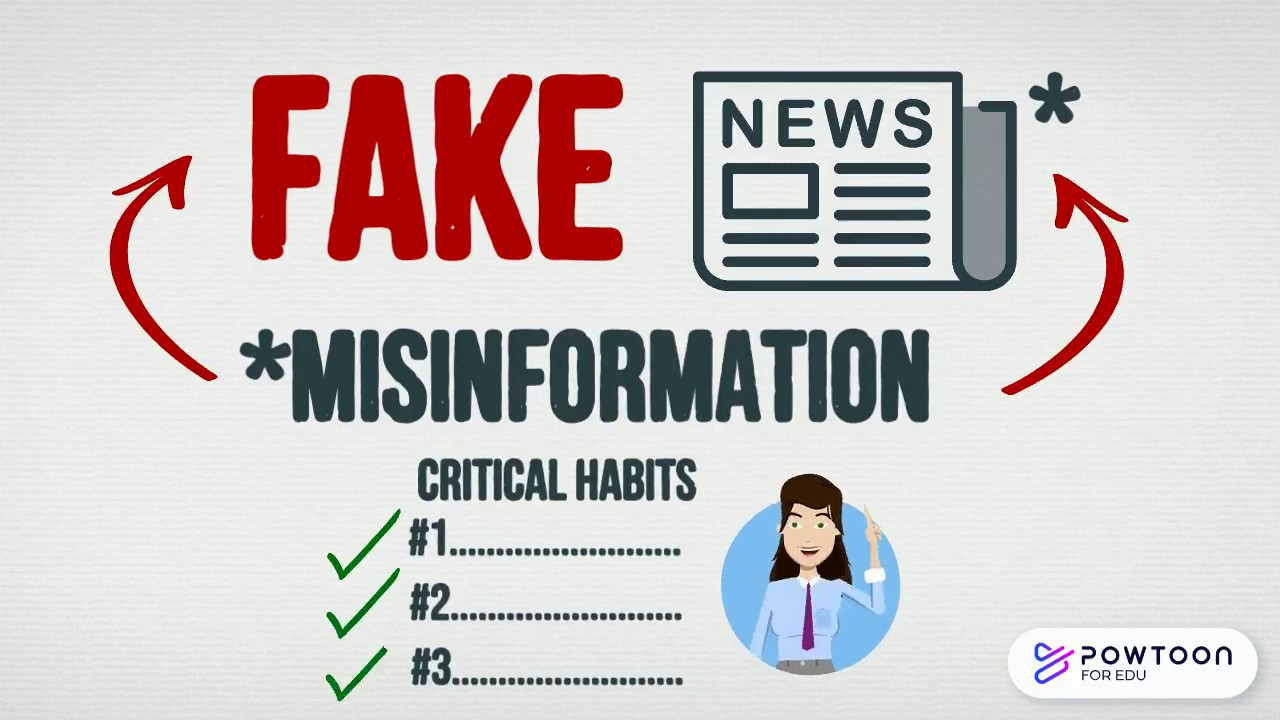
Don't be a target for trolls. Our VERIFY team wants you to have the tools to fight disinformation online. A key way to make sure you got your facts straight is to vet the source of your news.
There are a ton of news outlets, and they often have conflicting headlines. How do you know which one to trust? Here's how to be sure your news source is legit.
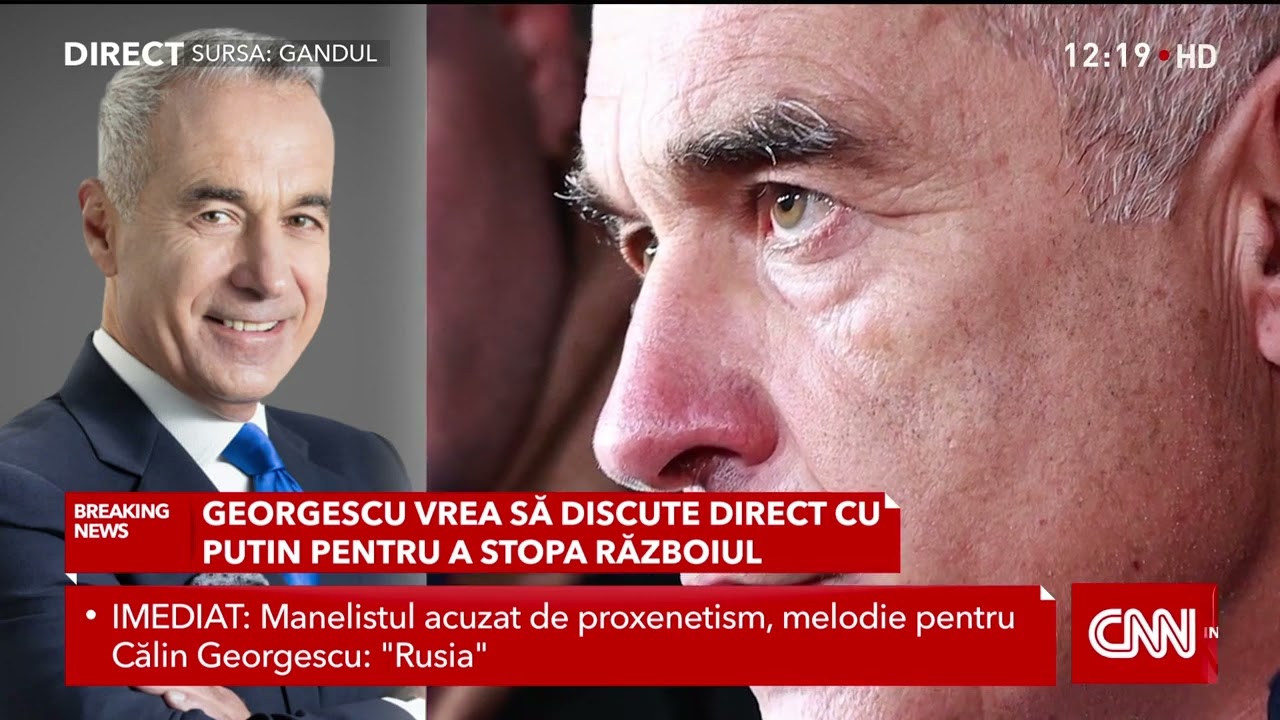
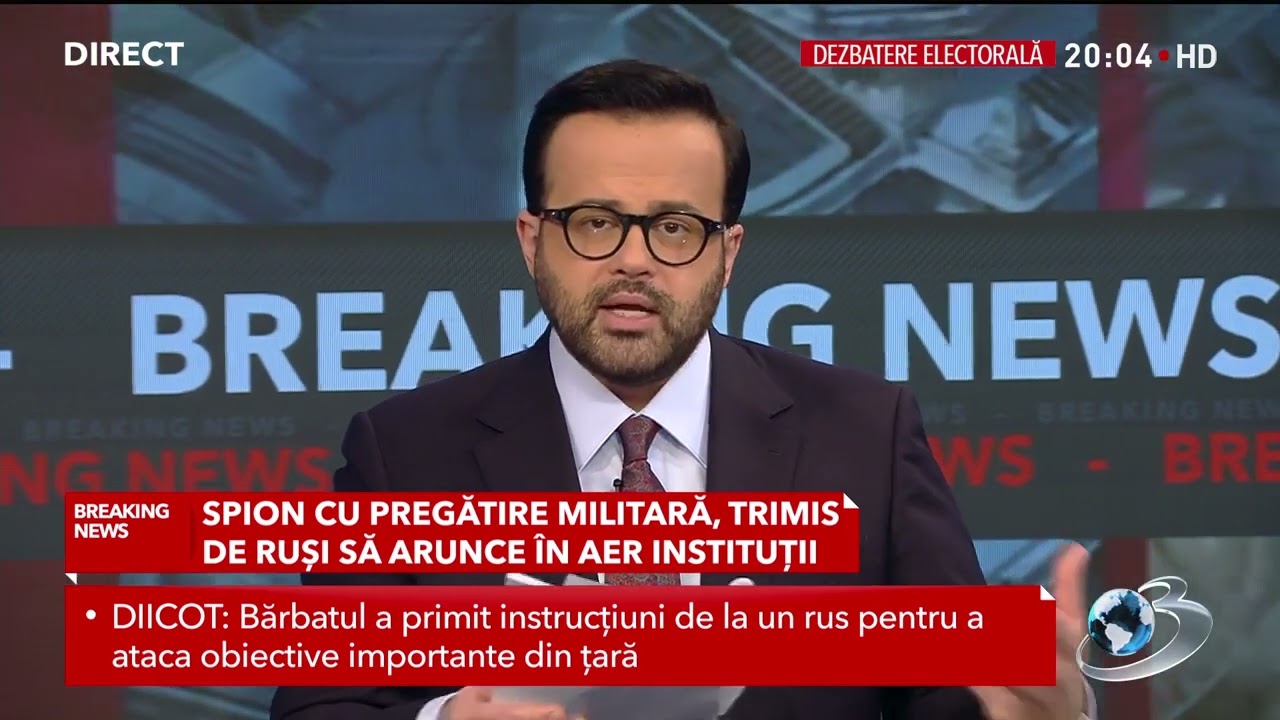
First, check it's website. Look for a clearly identified name and straightforward URL. Disinformation sites will often say "Breaking News!
" or something similar but not give a recognizable station or outlet name. You can look for an "About" section that will tell you about the organization's mission, reporters, and how long they've been in the business. Also, keep an eye out for red flags like "satire" publications, sites affiliated with the cause or product, and websites that seem to be mimicking another news organization.
Reliable outlets will also generally be verified (blue check) on social media. But, beware, that doesn't always mean they're unbiased or accurate. Ever see a photo online and think 'hmm, that one doesn't quite look right.
" Well, out of context pictures and photo editing tools can easily spread disinformation. If something seems odd to you, try reverse image search to find the photo's origin. For example, we often see a lot of doctored and out of context images shared online during big storms and hurricanes.
Like this photo here that appears to show a shark swimming on a flooded highway. Spoiler alert: this one is fake. But, if you weren't sure, this is how you can check for yourself.
Right-click on the photo and save it to your desktop. Then open Google images in your web browser, drag the photo to the search bar and release your mouse. Then, check out the results.
Look for red flags like earlier posting dates and lots of results. In this case, you also see a lot of articles clearly debunking this photo. Moral of the story?
If it seems fishy, it probably is. You see them everywhere these days on social media. Covering every type of topic from politics to pop culture to whatever this is.
Photos with text on screen like this are called "memes". Usually, they're made to share a goofy joke or make a point. But, they're also the perfect tool for trolls.
Memes are designed to elicit a reaction which can sometimes be negative like anger or defensiveness. This makes them an ideal tool for spreading division and disinformation. Now, since the text is in a photo it makes it harder for social media to filter memes.
So, hateful or false claims often slip through the cracks online. Plus, check out how easy it is for anyone to make a meme. We can go to a meme generator website and type in anything we want.
Just because a meme claims to be factual, doesn't mean it is. The bottom line? When it comes to memes, maintain a healthy does of skepticism before clicking share.
Try researching the claims online or sending it to us to VERIFY. Here at VERIFY we only use primary or expert sources to fact-check the claims you send us. But, what does that even mean?
Let's break it down so you can find reliable sources and become your own fact checker. Primary sources come from people that were actually there like eyewitnesses or officials in charge. Expert sources are like scientists or analysts that have conducted research and have extensively studied a topic.
Generally, primary and expert sources are the most reliable sources for fact-checking something you see online. We recommend looking for original documents or websites with URLs that end in . gov .
edu or . org. Those usually contain the most reliable information but it's still important to independently verify each source's legitimacy.
Double check the credentials of every expert and look out for research conducted on behalf of a company or industry---those studies are usually biased.