Did you know that the ancient Greeks consulted oracles to see their future? Hello and welcome to World History Encyclopedia! My name is Kelly, and today's video is all about how the ancient Greeks foretold the future like reading a horoscope, only way more exciting.
Don't forget, the easiest way to support us is by giving this video a thumbs up, subscribing to our channel and hitting that bell icon for notifications so you don't miss out on any new uploads. World History Encyclopedia is a non-profit organisation and you can find us on Patreon - a brilliant site where you can support our work and receive exclusive benefits in return. Your support helps us create videos twice a week, so make sure to check it out via the pop-up in the top corner of the screen or via the Patreon link down below.
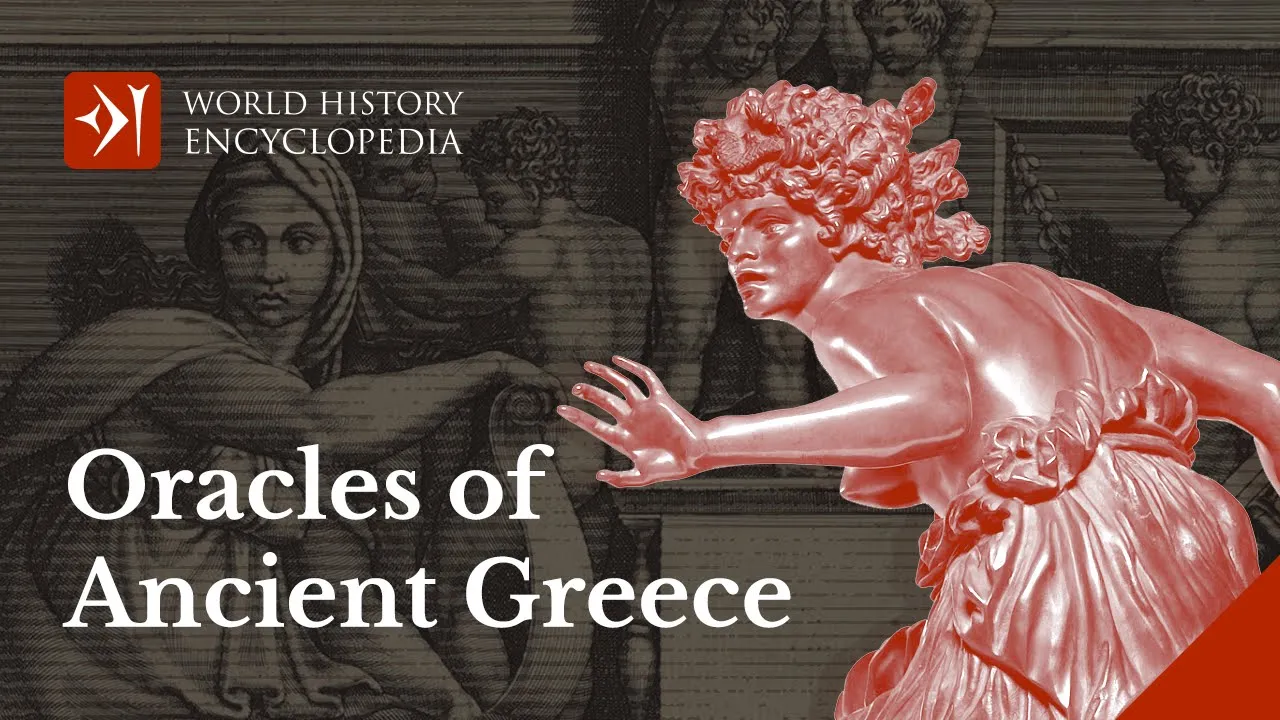
Oracles in the ancient Greek world were the way in which the people of Greece could communicate with their gods. Gods couldn't be communed with directly so an oracle, who was often a woman, was the person that the gods spoke through, acting as the medium between the divine realm and the world of the mortals. The gods were thought to already know one's future; the fates had woven the course of one's life at birth but couldn't communicate what they knew directly.
Consulting with an oracle was the way in which a people could learn the will of the gods for their lives, what the future held and these oracles were set up at important religious sites across Greece, with the most important ones being the Oracle of Apollo at Delphi and the Oracle of Zeus at Dodona. Zeus had numerous sanctuaries in the ancient world where oracles were delivered, including at Olympia, at Zeus-Ammon in the Oasis of Siwa in Egypt, well known for Alexander the Great's visit, but the most important one was the Oracle of Zeus at Dodona in Northwestern Greece. According to the Greek historian Herodotus, the Oracle of Zeus at Dodona and the sanctuary of Zeus-Ammon were each founded by a black dove that flew from Thebes in Egypt and announced the site.
In Greek mythology, heroes often travel to consult an oracle for protection, guidance and on what the future held. Jason was given a protective branch from a sacred Dodonian oak tree by Athena to attach to the prow of his ship the Argo and Achilles in the "Iliad" called on the help of Zeus Dodonian while Agamemnon consulted the Pythia at Delphi about the war at Troy. In Homer's "Odyssey", Odysseus consults the Oracle to see whether he should return to Ithaca in disguise or as himself.
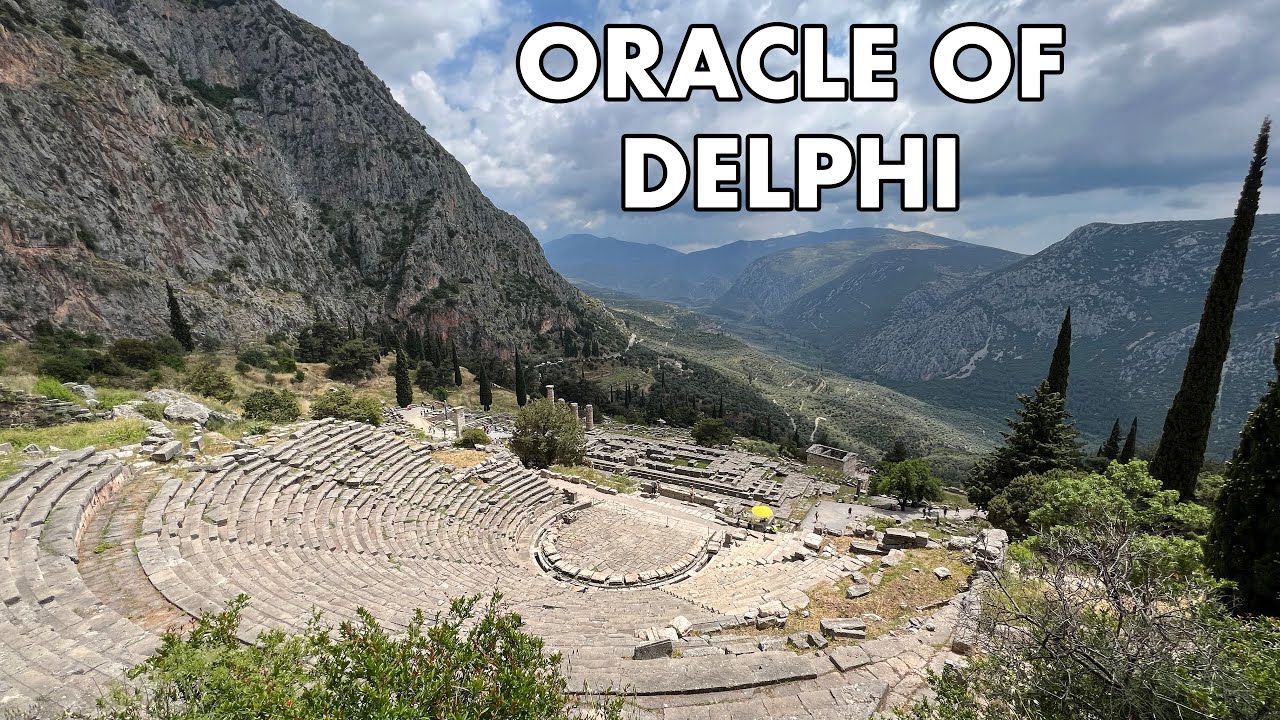
The Oracle of Delphi was the home to the most popular Oracle in the Greek world: the Pythia or Priestess of Apollo, the god of prophecy, music, light and healing. The temple complex at Delphi, built in honour of Apollo, dates back over 2,700 years and was known all throughout the ancient Mediterranean world. The temple was built based on a mythological story of Apollo; the god killed the monster python after it was sent by Hera to terrorize Leto, a lover of Hera's husband Zeus and the mother of Apollo and Artemis.
After slaying python at Delphi, a temple was built in his honour, and that is where his oracle was situated. The diviner, a priestess, called the Pythia, channelled prophecies from Apollo in something like a trance-like state, answering specific questions asked by travellers. Pythia were chosen from the priestesses of the temple, and even if she had a family, she would have to relinquish duties to her husband and children to take on this responsibility.
The chosen woman was often, but not always, from a higher-class family and was usually, but not always, educated. Greeks and foreigners from across the Mediterranean world travelled to the Oracle of Delphi to ask a specific question, and this included kings and royals. Oracles were always consulted before important decisions had to be made, like whether to go to war or not.
Many of the proclamations from the Pythia were unambiguous and included ritual advice for various crises like crop failure, and they were also asked personal questions regarding children, marriage and professions. The issue with the Oracle is that their answers were not always straightforward. One of the most well-known examples of a king consulting the Pythia at Delphi and being returned an ambiguous prophecy is King Croesus of Lydia.
He asks the Pythia if he should go to war against Persia, and she responds that if he does so, a great empire will be destroyed. Croesus, thinking this means that he will defeat the Persians, goes to war but is defeated, and his empire is destroyed. So, what did it look like to actually consult the Oracle of Delphi?
Well, a consultant of the Oracle was expected to be well-dressed and to be clean; there was no restrictions on who could visit Delphi to speak to the Oracle unless you were a murderer. If you've had someone else's blood on your hands, you were considered defiled and were prohibited from consulting the Oracle. This comes up numerous times in mythology, with Heracles being turned away after he had killed Iphitus and when Orestes arrived at Delphi with the blood of his mother on his hands, the Pythia ran out of the temple in horror.
Other than that, though, Greek or foreigner, you were allowed to consult the Oracle. Before you could enter the temple, you would have to sacrifice a goat. You were expected to make other sacrifices and give other offerings to Apollo and you had to sacrifice a holy cake known as a pelanos before a consultation.
Votive offerings to Apollo have been discovered at the site and date as far back as the 8th Century BCE. The Pythia could only be consulted one day a month for nine months of the year and citizens of Delphi would get to go first unless someone was present who had given a large donation. The Pythia herself or Pithyai, for when Greece was heavily populated, Plutarch tells us they had two priestesses and a third on standby.
They had to drink and bathe at the Castalian Spring which purified her before prophesying. Inside the Doric Temple to Apollo was an adyton, the prophetic chamber that was set into the ground where the visitors would hear the prophecies from the Pythia. If there was more than one Pythia, they would take it in turns to give answers.
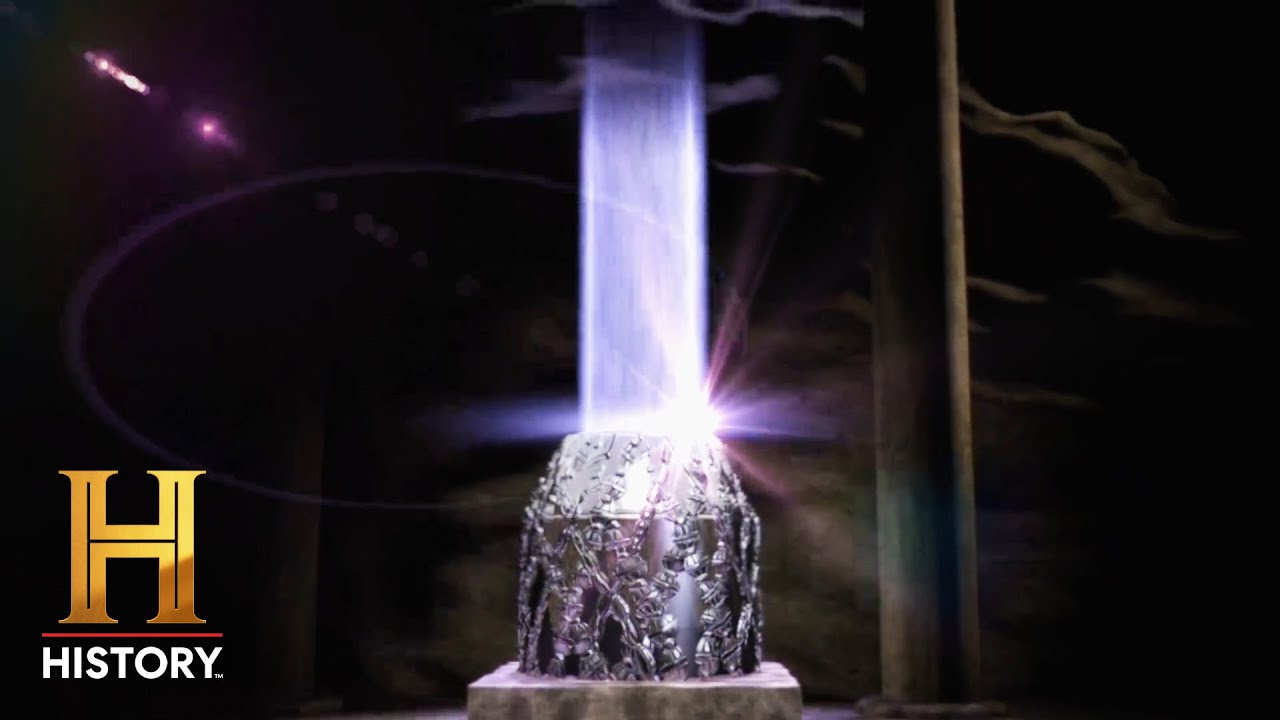
She would sit on a bronze tripod which was a three-legged bowl with a lid to speak her prophecies and this tripod was a symbol of prophecy with the god Apollo sometimes being depicted sitting on one. According to the historian Plutarch, the Pythia's powers of prophecy came from vapours that rose from underground springs and some modern day scholars believe these may have been hallucinogenic. It is also documented that supplicants were in a heightened emotional state in preparation for their meeting with the Pythia, and this coupled with the potentially hallucinogenic vapours, may have caused what the ancients regarded as prophecy.
To the people of the time, however, even Plutarch, the Oracle was the mouthpiece of Apollo. As the god of prophecy, Apollo was closely linked with diviners and oracles who relayed his messages but there is a famous story where this goes wrong; Cassandra the daughter of Andromache and Priam, the king and queen of Troy, was a princess and a priestess of Apollo. She was given the gift of prophecy in return for her hand in marriage to the god but when she went back on her word, she kept the power of prophecy but was cursed so that no one would ever believe her.
She prophesied the doom that her brother Paris would bring when he was born and warned against bringing the Trojan Horse into the city walls, all to no avail. Stories like those of Cassandra and Croesus served as cautionary tales for an audience on the importance of keeping one's word and the difficulties involved in interpreting the meaning of any prophecies from the gods. Do you believe in horoscopes and divine in the future?
Let us know in the comments below! If you enjoyed this video, make sure to give it a thumbs up and subscribe to our channel so you don't miss out on our new videos every Tuesday and Friday. This video was brought to you by World History Encyclopedia.
For more great articles and interactive content, head to our website via the link below. If you like my shirt, you can find this design and a bunch more in our shop at worldhistory. store, or you can find a link for it down below.
Thank you so much for watching and we will see you soon with another video!