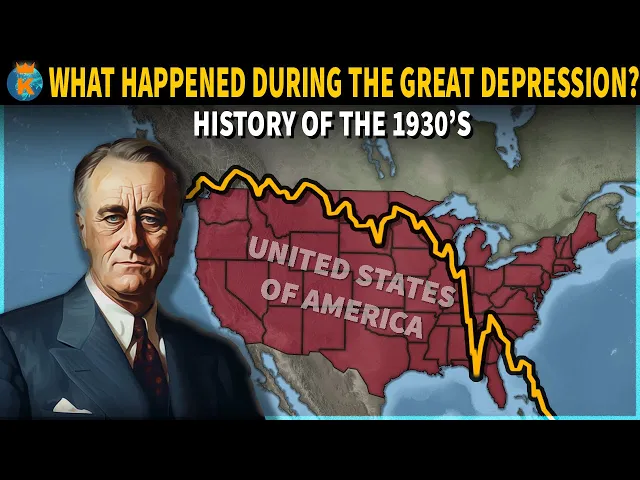
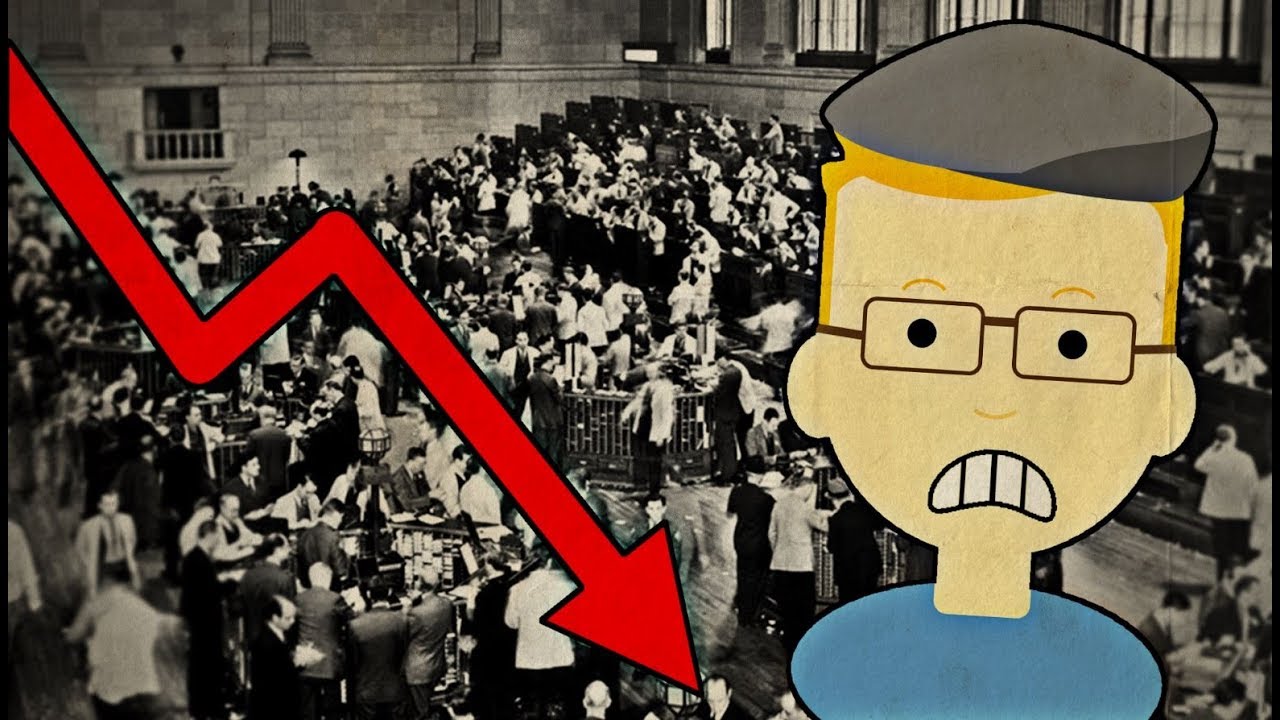
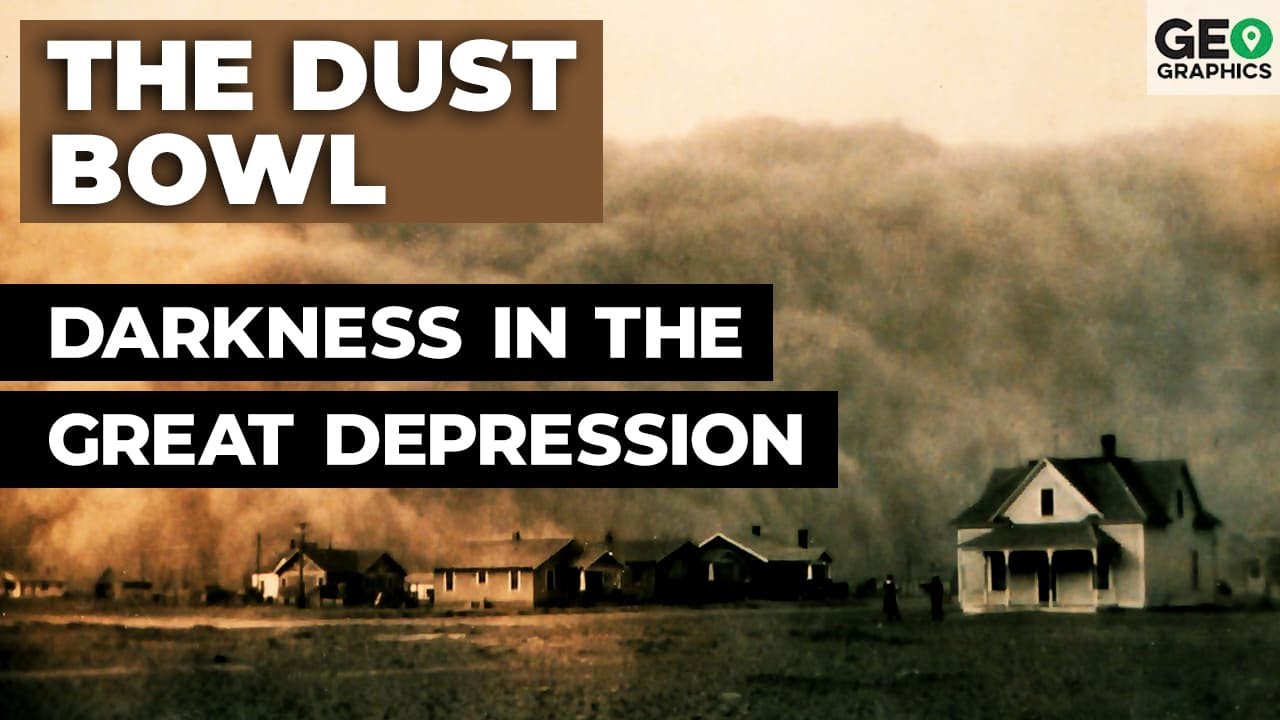
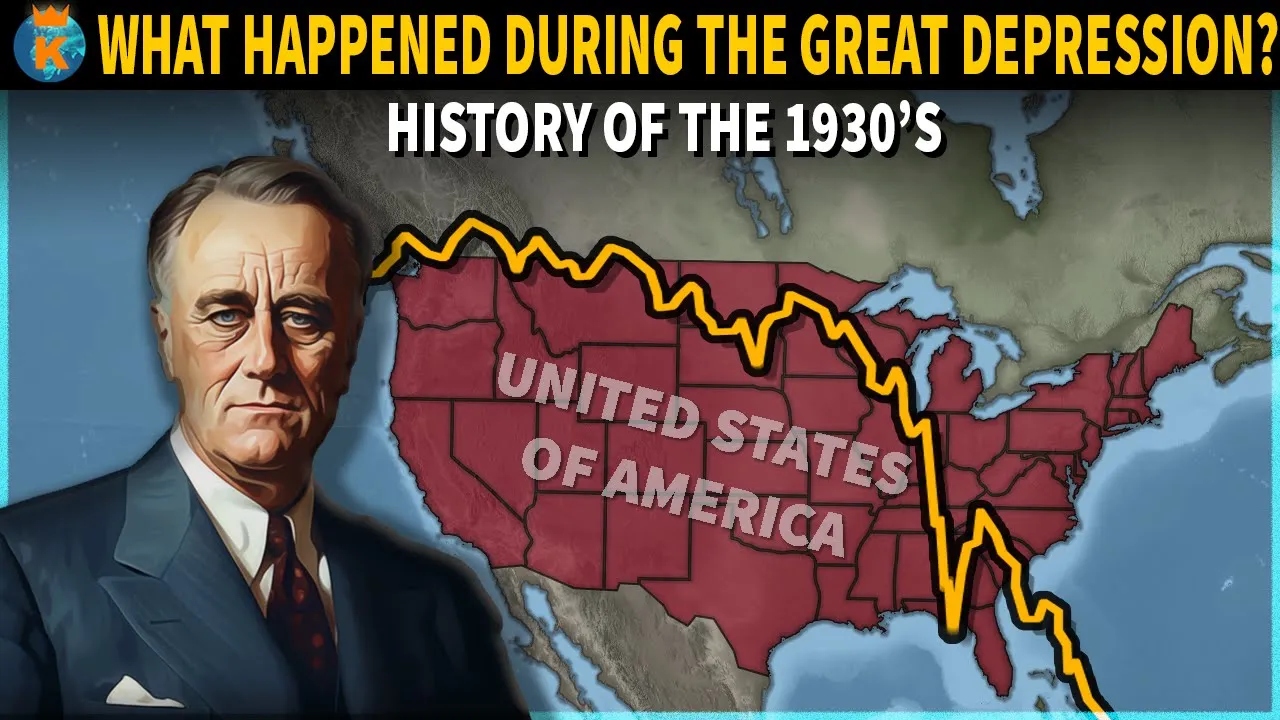
The Roaring Twenties brought about an era of bootleggers Flappers swinging Jazz and economic prosperity but what would follow arise other than a dramatic and crushing fall at the start of 1928 the end of the Roaring Twenties the economy in the United States was sitting pretty with further progress on every Horizon Wall Street admittedly saw a minor stock market crash in the spring but things quickly balanced back out and people were happily ignoring any further signs of trouble to come by the Fall however the market seemed to have reached its peak and started the downhill Journey
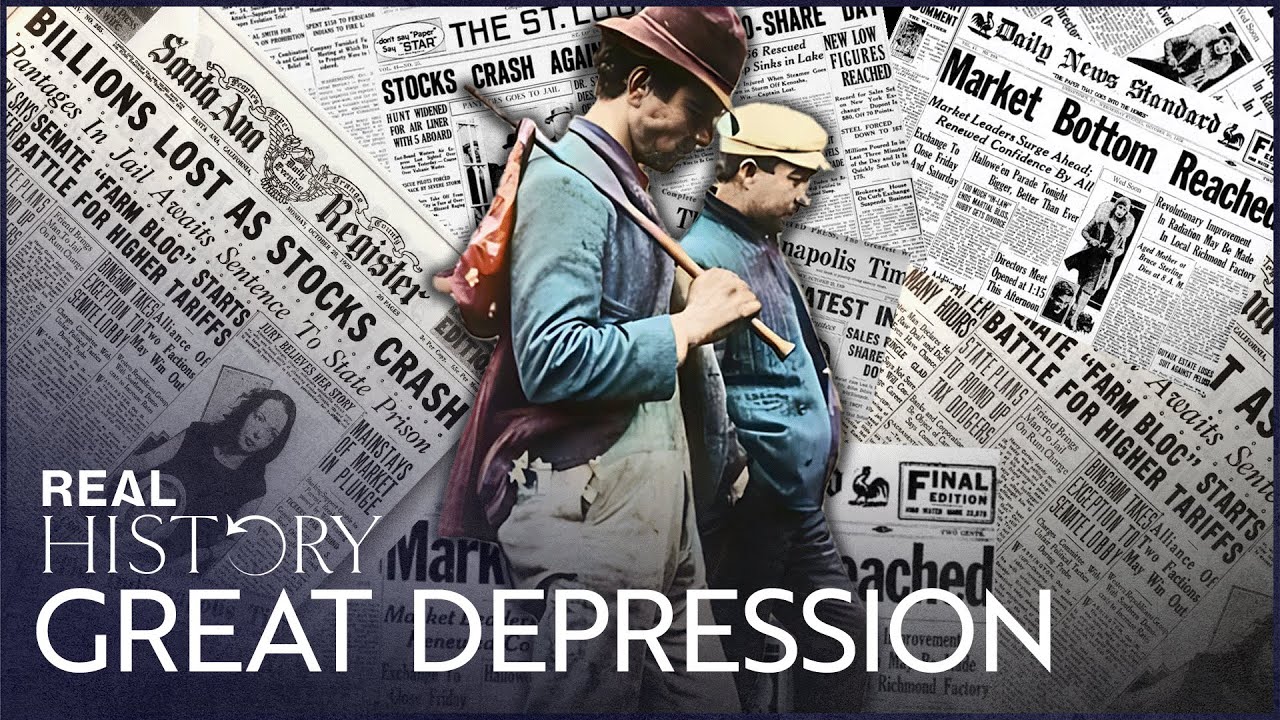
with mass numbers of the American population having increasingly been investing in the stock market some people were finally starting to pay a bit more attention to the falling and volatile prices stocks were being sold at a faster Pace now and October brought about black Thursday on the 24th the day that the market crashed by 11 and Americans frantically hoped to sell what they had while they still could over the following days the market continued to plummet and panic was on a chaotic rise Monday October 28th would see a 12 drop and the next day Black
Tuesday would mimic the Thursday before Americans were losing money by the millions and Trust in Wall Street was all but non-existent corporate and private wealth was affected by the ongoing crisis which since the American economy off the rails now however many economists and historians look beyond the chaos of Wall Street itself and point the finger at what the Federal Reserve did before the actual crash it was the Federal Reserve less than two decades young that had cut required reserves to only 3 percent and permitted massive monetary expansion over the Roaring Twenties experts say that it
was these actions that caused inflation and the eventual crash of the stock market which the FED reacted to by cutting the money supply and essentially dooming Banks across the country thus when the winter of 1930 triggered a new wave of Hysteria and startling Bank runs hundreds of American Banks proved unable to pay out and miserably collapsed the U.S government was hesitant to react as president Herbert Hoover believed in minimal government intervention and felt that the situation could resolve itself this stance would hold until the following year but Congress had other plans in fact Congress had
already reacted on June 17th the Smoot Hawley Tariff Act had been passed with a goal of protecting the United States economy by imposing colossal duties and over 800 foreign products this decision by Congress would prove to be one of the most catastrophic attempts at stunting the depression quite frankly only accelerated it dozens of countries already affected by the consequences of America's economic collapse seeping out from its own borders chose to retaliate working with the American tariffs to effectively slash Foreign imports and exports in the United States as the Depression was only worsening now Herbert Hoover
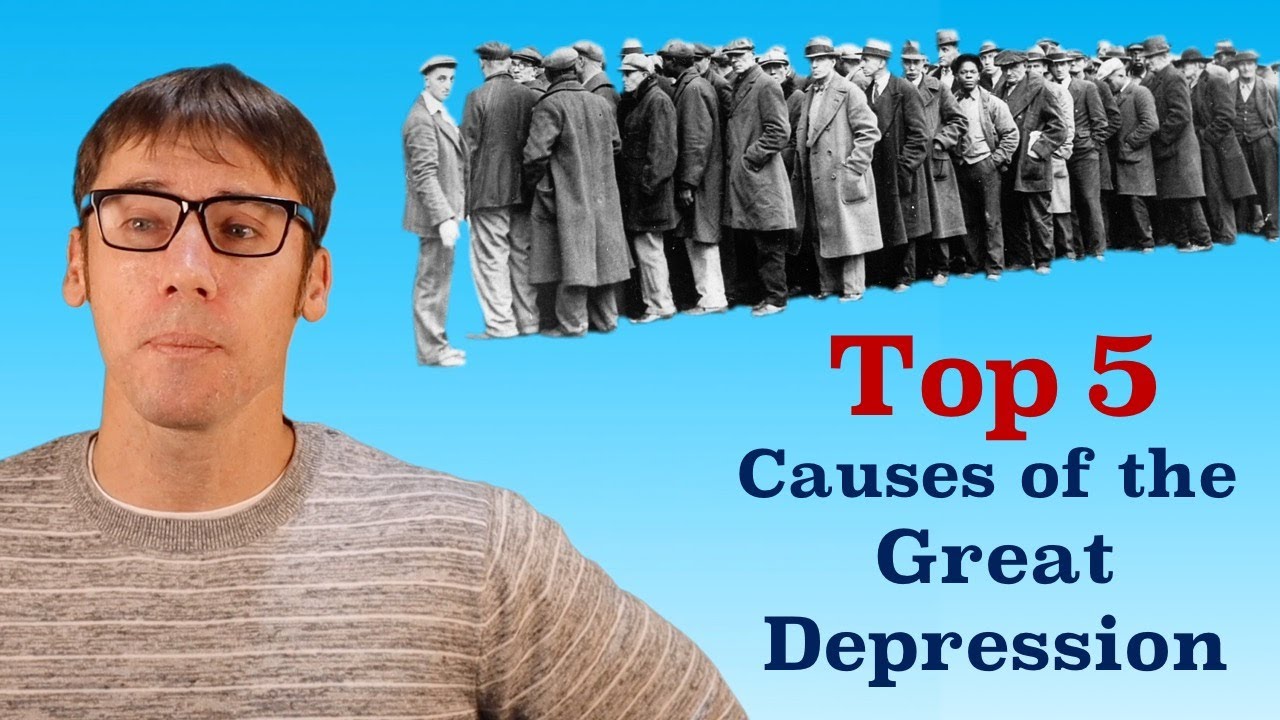
finally chose to react seeing that the situation wouldn't be turning itself around anytime soon President Hoover subsequently made multiple decisions that he believed would put the economy on a better track such as implementing increased taxes and increasing federal spending by nearly 50 percent which also brought about the creation of the Reconstruction Finance Corporation this being meant to provide loans to struggling Banks Hoover was hoping to give the economy a bit of a Kickstart and the stability to keep prices High which in turn would keep wages from dropping but this meant little to the 15 million
or so unemployed Americans and the growing thousands of closed Banks across the country people were growing hungry homeless and angry with their government's failures it then comes as no surprise that when the next presidential election rolled around a new face was elected to solve America's ballooning problem in 1933 Franklin Delano Roosevelt won the presidential election in a landslide Franklin Roosevelt dubbed FDR had run his campaign on promises to provide aid for the impoverished American people and find a new solution for the nation to crawl its way triumphantly out of the Great Depression his inaugural address
after the sweeping election Victory would become widely remembered for his famous quote the only thing we have to fear is fear itself and it was this attitude that would follow him throughout his efforts to recover the economy and public Trust FDR's calm and in control attitude would serve a much needed purpose during a time of such panic and he would utilize this facts through his live radio talks that would become known as his Fireside Chats his goal with these talks was to keep the American public in the loop on everything that he and Congress were
up to and how they planned to act particularly there was an important focus on Roosevelt's New Deal the New Deal was a string of domestic policies and programs with which the president promised to take a method and try it if it fails admit it frankly and try another it was a reassurance to the American people that something was going to be done and things would keep being done until the problem was solved but this required a drastic increase in government interference which some today still view as problematic nevertheless it was what FDR opted to do
in the initial period deems the first hundred days Congress got to Quick work passing new laws and programs including the Federal Emergency Relief act the agricultural adjustment act the Securities and Exchange Commission the Civilian Conservation Corps and the National Recovery Act amusingly shortens to the NRA these actions were focused on boosting the economy by supporting programs for the poor providing government subsidies to Farmers as a way of increasing prices regulating the stock market providing more young workers with government jobs and controlling prices wages and unions these moves seemed promising but they were only the start
of FDR's ambitious plans later efforts in the second wave of the new deal would include the Wagner labor relations act the fair labor standards act the work progress administration and famously this Social Security Act with these acts mainly focused on getting the workforce back out there and protecting the employed the Roosevelt administration was both pushing to a better economy whilst also aiding the American people in doing their part the problem with this new deal however was that the Supreme Court often opposed it by 1937 FDR was growing fed up with the resistance to his ideas
and he looked to fix that by packing the Supreme Court this faulty conclusion turns much of the public against Roosevelt and Congress proved unable to make it happen regardless many economic historians doubt that Roosevelts would have resolved the depression anyway even if the opposition to his ideas had been dealt with some go as far to say that FDR did no better than Hoover he simply made the same changes on a larger scale one big difference however was the move by FDR to remove the United States from the gold standard which thus far had impacted the
economic Downfall by slowing export demands still one study by economists at the University of California found that Roosevelt's New Deal actually lengthened the Great Depression by nearly a decade however many will heatedly debate that it was FDR and the New Deal that actually put an end to the country's economic woes and quite a few economists are part of this group whether the New Deal thus worsened or ended the depression is not known for a fact even today but one thing that numerous agree was the final boost America needed to get out that was World War
II if the GDP and lowered unemployment are to be the metric it's asserted that the Great Depression had come to a complete End by 1942. unemployment though is a bit tricky to judge when 16 million Americans were suddenly called upon to fight in the global Warfare so while international trade and certain demands saw an increase throughout the fight private sector production dropped by around 50 percent taxes spiked and the general quality of life was on a decline it really wasn't until after the second world war concluded that a true light at the end of the
tunnel could be seen and reached but this nevertheless leads many to credit the war for the resolution even today we can't pin down one specific act or event that ended America's greatest economic collapse we also can't say for certain what caused it the stock market crash smooth Hawley tariffs and even the gold standard can be attributed as having an effect on the downhill Sprints the U.S economy took towards the depression but it's not possible to blame just one or even to blame only those factors doing so would be no different than claiming that World War
II resolved the crisis it's just not that simple foreign