Climate change is one of the biggest and most complex issues facing society today. To limit global temperature rises and associated climatic effects we all need to rapidly decrease the amount of greenhouse gas that we release into the atmosphere. Global efforts are focused on the energy transition, the process of replacing high emission fossil fuels with low carbon energy sources, as we strive to reduce our overall emissions to zero.
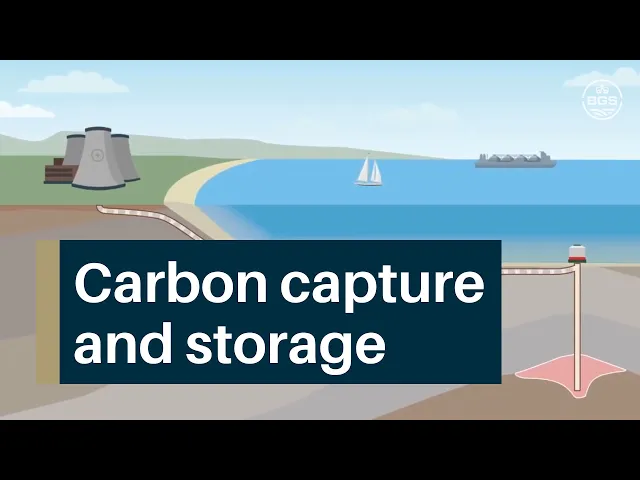
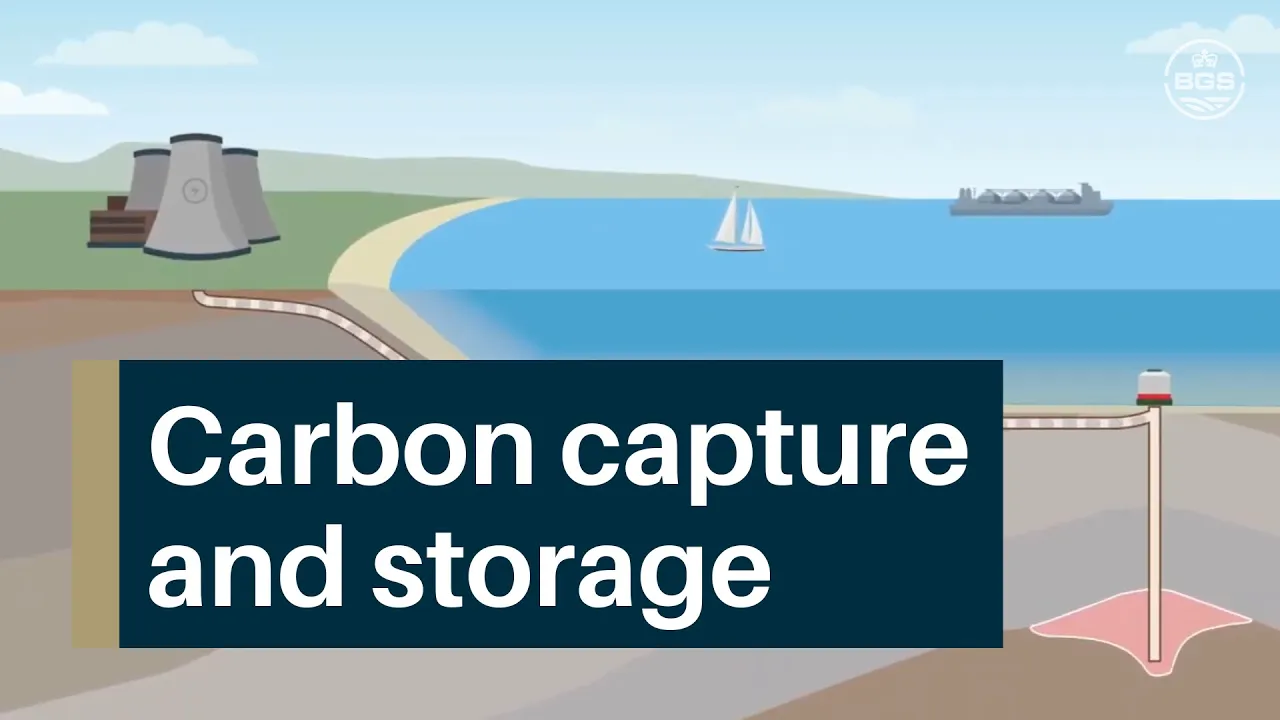
The success of the energy transition relies on a range of low-carbon technologies being adopted around the world. Carbon capture and storage is one of these low-carbon technologies. Carbon dioxide capture and storage can be applied to emissions from large sources such as power stations, cement factories or oil refineries, by storing more carbon dioxide than is produced.
The negative emissions can enable us to achieve net zero targets. The carbon dioxide or CO2 is captured at the source, then transported and permanently stored in geological formations deep underground. At the British Geological Survey our research aims to make CO2 storage a permanent useful and cost-effective element of the energy transition.
We study the character and capacity of potential storage strata, how storage CO2 might interact with surrounding rocks, technologies to demonstrate that storage is permanent, long-term operation and closure of a site, and social attitudes and Community concerns. Carbon dioxide capture and storage can help us to reduce our overall emissions to zero. We are committed to increasing our scientific understanding and addressing the gaps in our knowledge to enable it to play a key role in the energy transition.