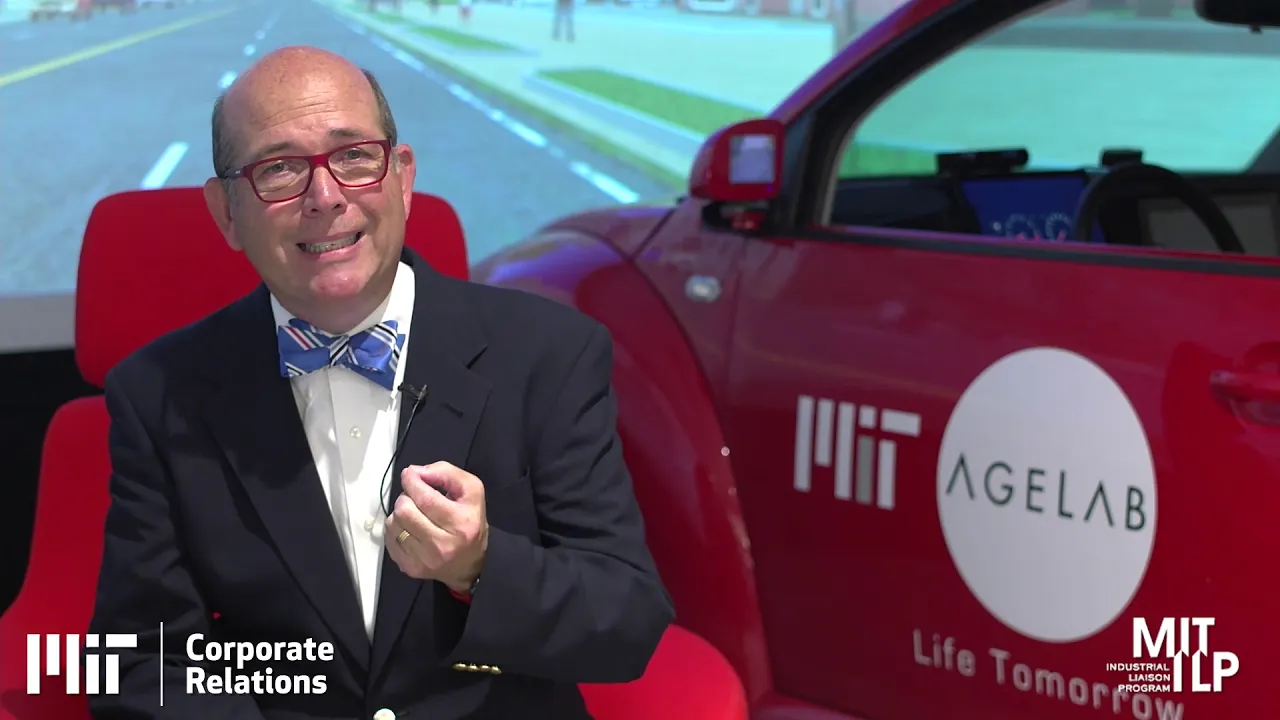
longer life many would suggest means longer retirement to think about this a little bit of mathematics from here at MIT from 0 to 21 years old is roughly 8,000 days from 21 to midlifecrisis what many of us would call 45 46 years old is just about 8,000 days I bet you're catching the algorithm now from about 40 something to 65 is 8,000 days but imagine this the fastest growing part of the population worldwide is 85 plus and if you make it to 65 you have a better than 50% chance of making it past 85 and
guess what that time between 65 and 85 and change is another 8,000 days retirement planning finance what we're going to be doing in the future is no longer about a short period of living with trips to Disney grandchildren and a few other things in-between it is now planning for one third of your adult life so here at the age lab we have a team of psychologists and data analysts behavioral scientists trying to understand not necessarily with the finances of longer life are going to be but what will you do with all that time how do
we start thinking about how to finance it where to live what to do how do we invent not just a short period but an entire new life stage that is waiting to be written so as I write my book the longevity economy this is not simply about more time it is a time to reinvent life stages and rituals and the like this is not your father's old age think about the following this current generation let alone tomorrow's generation of older adults are not just living longer but they have more education they have more money and
more expectations than ever before for instance in education not only do nearly 1/3 of them have some or more college education they're also on the Internet in fact Facebook was considered now the social media nursing home of all social platforms out there because the 45 and older are growing in light numbers as I know in some of our research here the future is female women are online in large numbers particularly middle-aged women doing research they are the chief consumer officer of the home they're not only taking care of their home and perhaps children but they're
probably caring for more parents than they had ever planned on having children in terms of money the longevity economies and that's simply a story of more that is more older people it is a story of more buying power the 60-plus worldwide make up the third largest economy after the GDP of the United States China and then the longevity economy and if that's not convincing enough in the United States the 50-plus make up 70% of the banned buying power so while we certainly study Millennials and Gen Z here in the lab and there's lots of them
for now they have no money and so for businesses that are interested in exciting and delighting and realizing we're that emerging market that is hiding in plain sight is it's right in front of them and it looks a lot like the 50-plus but finally in the longevity economy is not just about more money and more numbers and more women being the primary agents of innovation it's about a new generation gap the baby boomers here in the United States or Europe or the dong Chi in Japan have a new generation gap it is expectation to live
longer and better throughout their lives they've seen improvements in schools and stores and products technology and even public policies paving the way for their entire lifespan it is unlikely that that next generation of older adults is simply going to sit back and wait for the paratransit bus to pick them up one week late or to hope that grandchildren come visit or to think that their home can't support them and that's just the brakes know the longevity economy is a story of expectations with numbers buying power and political impetus so one of the things that we
have worked on here at the lab is how do you create new products and services that may serve an aging population but don't look like it's made for the old big beige and boring is not a product that not only do older people not want but we also know that younger people would never buy it as well we've developed a concept here in the lab called transcendent design that is products and services that help the older adult and older consumer seemingly by stealth that is they excite and delight they are things that people want in
youth do you think they're cool when you're young convenient when you're middle-aged and ultimately provide care and older age so for instance the almost ubiquitous personal emergency response system where for europeans the social alarm they help by phone can't get up device we know that this device is not only easy to use profoundly practical and affordable so therefore it should be used but in fact around the world less than 20% of those who need it actually use it in fact here in the United States only 4% of the frail market actually uses those devices because
no one wants to wear a device drive a car or live in a pot property that says old man walking or old woman about to fall down no the longevity economy as I write in my book with the same title the longevity economy is about deciding and dividing and defining and designing a world that excites and delights across all age groups so in other words the same system that may help you in old age is the same system that you may want because you think it's cool and youth older age used to be all about
retirement planning the question is do I have enough money will my wealth span live as long as my life span these are issues that we're tackling here in the age lab looking at behavioral economics not just in terms of savings behavior that's a basic need we're trying to ask some other questions how are people thinking about life tomorrow for instance are they really considering where are they going to live and what does that mean in terms of trade-offs do partners actually agree and discuss on what their retirement or older adulthood goals and objectives are going
to be how do we engage people to envision that future-self which while most behavioral economics is focused around money we've actually said yes it's money but it's also something else what are you going to do with all that time countless surveys interviews and focus groups that we do around the world have indicated that people that are older always somewhat lament the fact that I never knew it was going to be this long so retirement planning here in the age lab is being transformed into longevity planning to take into account those issues that we don't think
about how are you gonna provide care what am I going to do how do I maintain my home do I work shall we say the gig economy before I finally say I'm stopping work overall in fact thirty percent of Americans twenty percent of Canadians and even fifteen percent of the people in the UK say they plan to work until they drop the longevity economy is not simply about the money that they need to age well it's about social connectivity its meaning because while you need money in retirement you also have to have a reason to
get up there early in the morning and that's something that we're working on in the lab to invent life tomorrow





![Harvard Professor reveals the Science of Happiness in 15 minutes | Arthur Brooks [ARC 2025]](https://img.youtube.com/vi/w8a0T5XLrXc/maxresdefault.jpg)