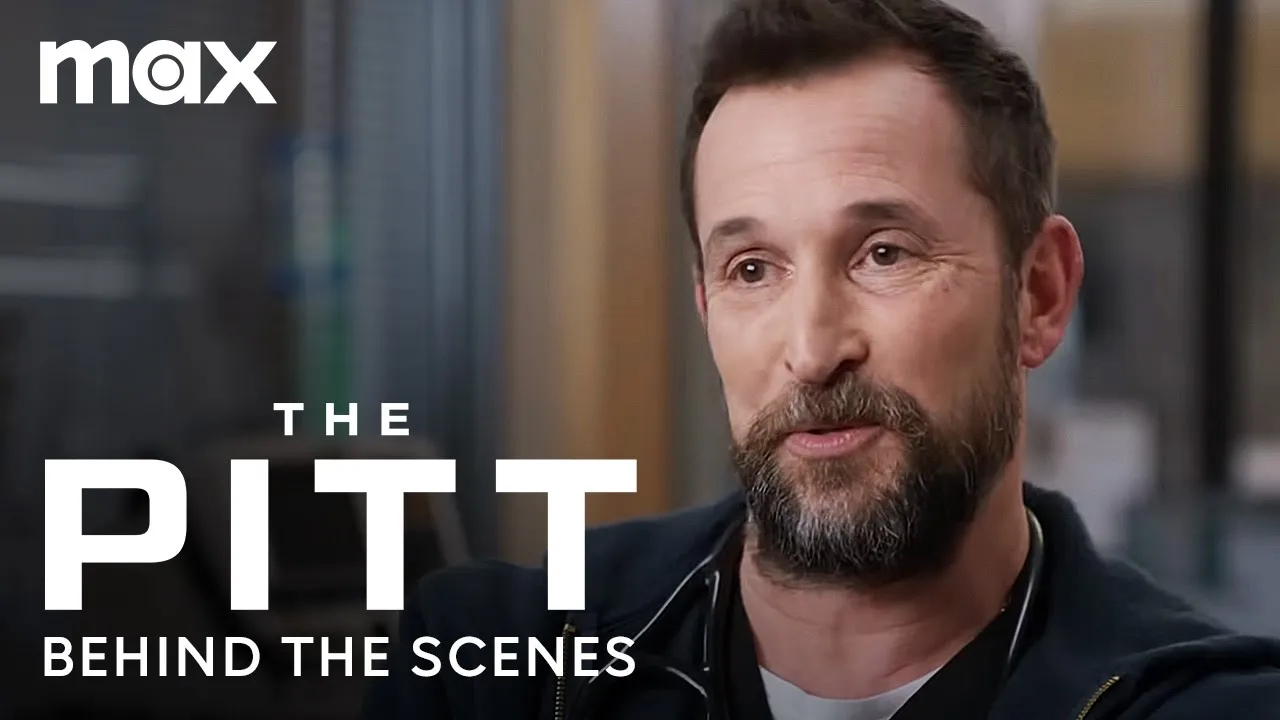
JOHN WELLS:<i> There have been many, many medical shows,</i> and this is something you haven't seen before. DR. ROBINAVITCH: Coming through.
We really want this to be the most accurate medical show <i>that we've ever had on TV. </i> (HELICOPTER ROTOR WHIRRING) (HEART RATE MONITOR FLATLINES) ♪ (TENSE MUSIC PLAYS) ♪ We are able to bring a tremendous amount of authenticity to the show. SPEAKER: Incoming.
We did two weeks of boot camp with the actors. They need to look proficient on camera. PATRICK BALL:<i> This is doctor school,</i> which is just completely bonkers.
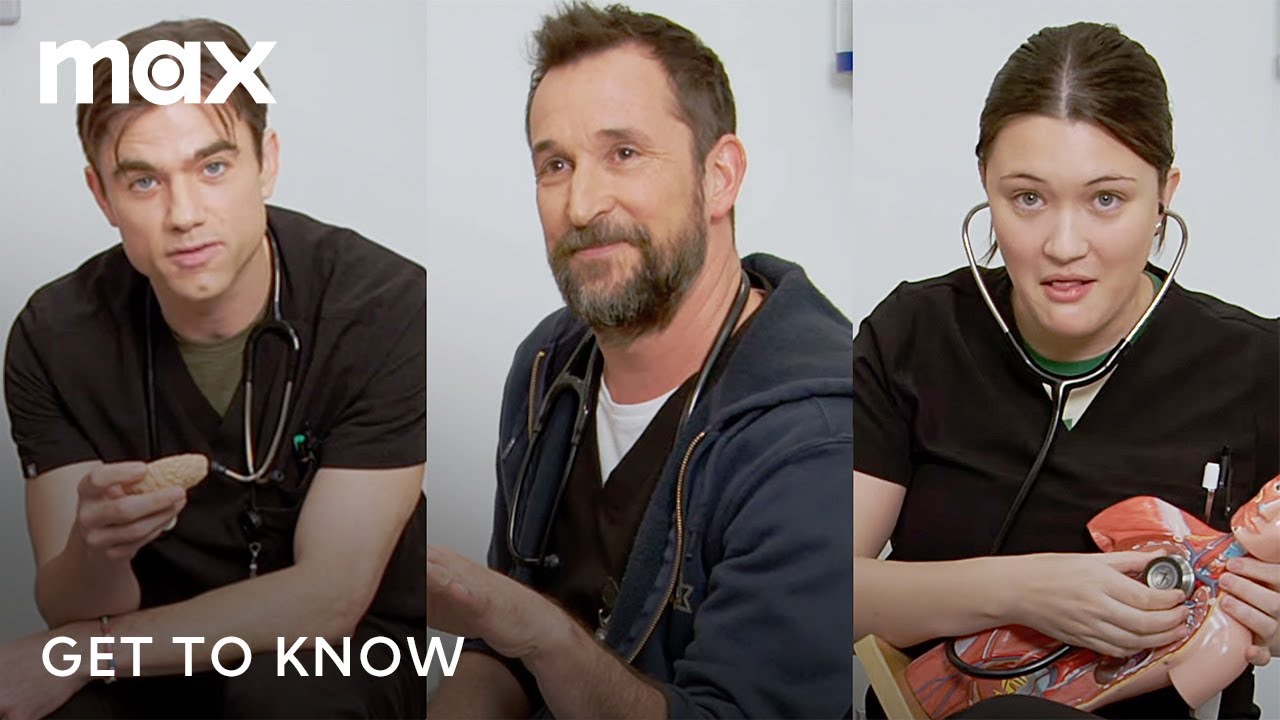
We were all put into a stage and surrounded by five to six medical professionals. It was amazing because we got to work with the doctors one-on-one. We got to practice all of the procedures <i> on dummies and mannequins.
</i> NOAH WYLE:<i> On one hand, I was walking in as the old pro,</i> and on another hand, I was walking in <i> just as much of a newbie as everybody else. </i> We did it all. We learned to sew, we learned to trach.
<i>I'm really good at traching,</i> and I'm really glad that I'm not playing a doctor because I can't sew anything up. DOCTOR: Does your resident know how to suture, or do I need to teach? FIONA DOURIF:<i> CPR definitely surprised me.
</i> I never realized how fast it is. The doctors were very insistent that when we do CPR, we need to look like we're doing it for real. It's 120 beats per minute, <i> and the reason you do it is pumping blood into the heart.
</i> They taught us intubating a patient, <i>which is to breathe for them. </i> We learned how to use the camera to look at the vocal folds. You can breathe for people.
DR. ROBINAVITCH: Good job. I will say, I was really good at intubating.
The coolest skill might be that we can all ultrasound now. It's really trippy because we had volunteers, <i> and we just put gel on their belly</i> <i>and do the whole ultrasound. </i> We do rehearsals for big trauma scenes because there's so much to do.
The lines come rapid fire, the procedure comes rapid fire. <i>There are so many moving pieces. </i> It becomes a bit of a dance, really, where everyone has their own choreography.
Nothing like a little challenge every now and then. We were told that bumping into each other <i> is very realistic,</i> so we never really shied away from it. ISA BRIONES:<i> The main thing that we got from the medical boot camp</i> was to feel in the world and get used to that version of life.
I'm running on a hamster wheel like so fast <i>to keep up with these actors. </i> I can't say enough about this ensemble. Good luck.
If you need me, I'll be saving lives.