You managed to get yourself in trouble well I uh I tried to get my country of Norway to start taking the fertility crisis seriously and as we've seen in Many Nations people are unwilling to do that and uh yeah that motivated some uh some attacks along Al along that way how did all of this start well it started with with an article that uh me and Le caner a profession Evolution psychology wrote Earlier this year where we uh concept iiz and theorized the concept of involuntary single women in syns um and then uh I did
some interviews about that and uh PE people weren't happy um they felt that talking about involuntary single women was was uh misogynistic and uh they didn't want to connect that to uh declining fertility what's the line between talking about involuntarily single women and misog Well one of the main drivers of low fertility is that people is having too hard of a time to find Partners so women either do not find a partner with whom they can have children or they find one too late so that the reproductive window is shortened so this means that uh
women aren't having the children they would like to have in Norway women would like to have 2.4 children and they're having 1.4 so um dysfunctional dating Market is an important contributor uh to this uh Fertility crisis okay and how's that Mass istic um that is a bit of a puzzle that I think I have eventually uh managed to solve through going through this process um many felt that uh if you uh bring the attention to how the dating Market works for women you are some somehow blaming women for low fertility and as an evolutionary scholar
um I would never think of assigning blame to any groups we are born into this environment with a Certain nature and that plays out differently in different environments and now we've created an environment where it has become very difficult for women to find Partners what are the specifics of the mating psychology that are going on that are contributing to making this environment difficult for women in that regard well we are the first um first Societies in in human history that have um that have individual partner choice No other Society have done that before it's always
been different extents of various degrees of arranged marriage um so when we opened this up in the 1960s we talked about this last year how this six million year buildup to the today's mating regime and when we open these mating markets up what has happened is actually quite predictable as a consequence of the difference between women's promiscous attraction systems and parir bonding attraction systems and Uh the regular fertility researchers do not understand these mechanisms um for everyone it's just a big puzzle while we're no longer partnering up and and cre creating children but from an
evolutionary perspective it's it's quite predictable explain that dig deeper for me well as as we talked about the last time six million years ago with our last common an ancestor with chimpanzees we made it promiscuously which is what most which is what most animals do so there Um women or females are incentivized to be very chicy they're supposed to uh give mating opportunities predominantly to the most successful males CU that is the most effective way of Distributing uh beneficial genes to the population so um and then because of the development of our species around four
million years ago we uh evolved a different attraction system pair bonding attraction system and there that's more um say egalitarian because then it's it's uh you want Paternal investment from the male and then a woman will typically then pair bond with a with a male of similar partner value so you having a promiscuous system mating opportunities going to the most to only to the mostly to the most attractive males and in a parir bonding attraction system it spreads more evenly H but we didn't become a Pure PA bonding species we have a mixed system we
both have an promiscuous attraction system and a Parab bonding attraction system and for every human Community has existed a fundamental challenge that's been how to reconcile women's different preferences according to those attraction systems in a way that allows functional mating uh now men are different uh our their promiscuous attraction system is very very inclusive most men would sleep with most women While most women would sleep only with a small proportion of men um so what what happened when we tried to Um introduce this system for the first time with the West Second Sex revolution in
18th century things went very poorly because we didn't have contraceptives and we were so poor that breaking up uh was very hard and women weren't independent they were dependent on men so you had a very high rise in illegitimacy because women competed for the most attractive male and when when they became pregnant a lot of the time the man just moved on which wasn't Allowed a century earlier so then we had a pullback with Romanticism and we went back to we connected culation to par bonding again but then in the 1960s with uh birth control
and post World War II Prosperity we were able to implement this system and then because of this uh this gap between women's promiscuous and uh parir boning attraction systems we've seen an increasing stratification among men where some men at the top uh get an increasing amount of mating Opportunities and then while men at the bottom are being uh excluded from mating both longterm and short-term that means relationships and uncommitted sex respectively um and if and if we people can't find somebody to partner with if they can't PA bong it's just much less likely that they
will reproduce so as the the single rate has skyrocketed over the past four five decades you also see an increase in in low fertility what are the stats that convinced you This was an important um area to look at both from a birth rate standpoint but then also from a relationship satisfaction Singleton standpoint as well well so in Norway the fertility rate is 1.4 and uh experts haven't wanted to portray this negatively they've said that well it's low but the population going to continue increase and people have an impression that s ahead this Will have
drastic consequences but the fact is that with a fertility rate of 1.4 you lose onethird of your generational size per generation so in only three generations we will have lost 70% of the children and that is if we in Norway are able to keep a fertility rate of 1.4 the leading experts in this field predict that the rates will just continue to decline as they have for a long time now not so long in Norway but in other nations it seems to be a Self-reinforcing process whereas people get used to there being fewer children even
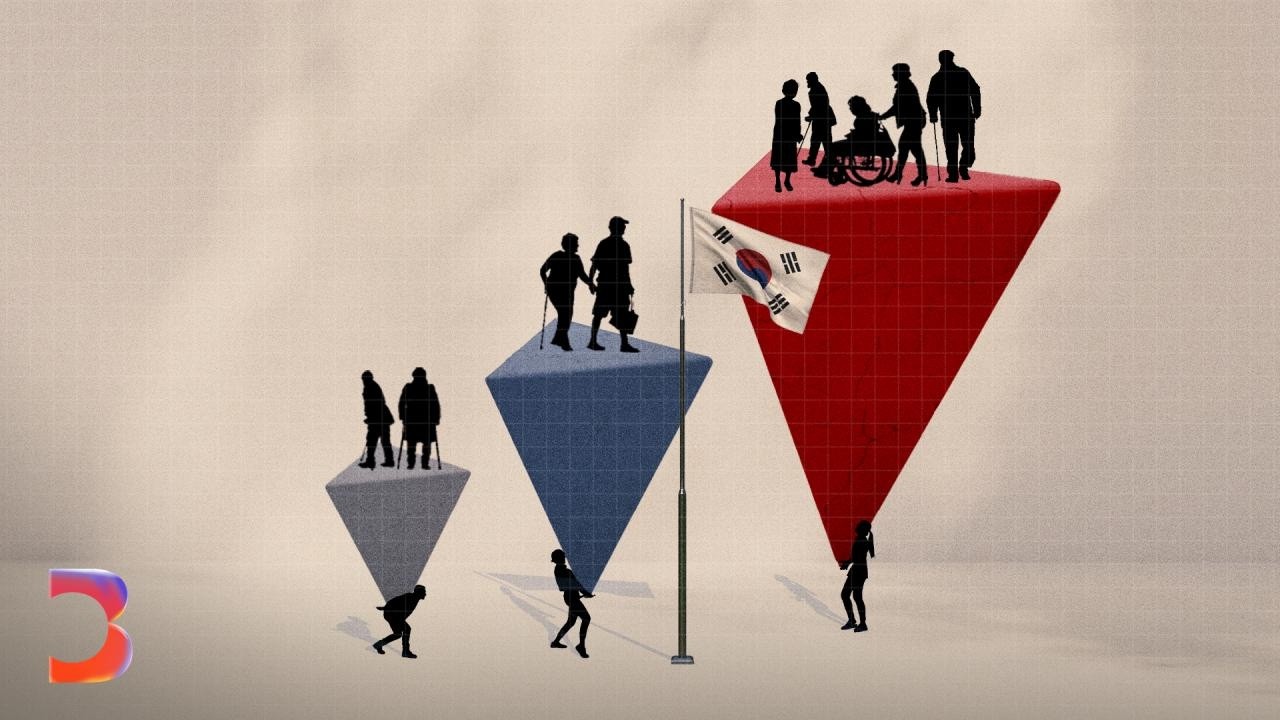
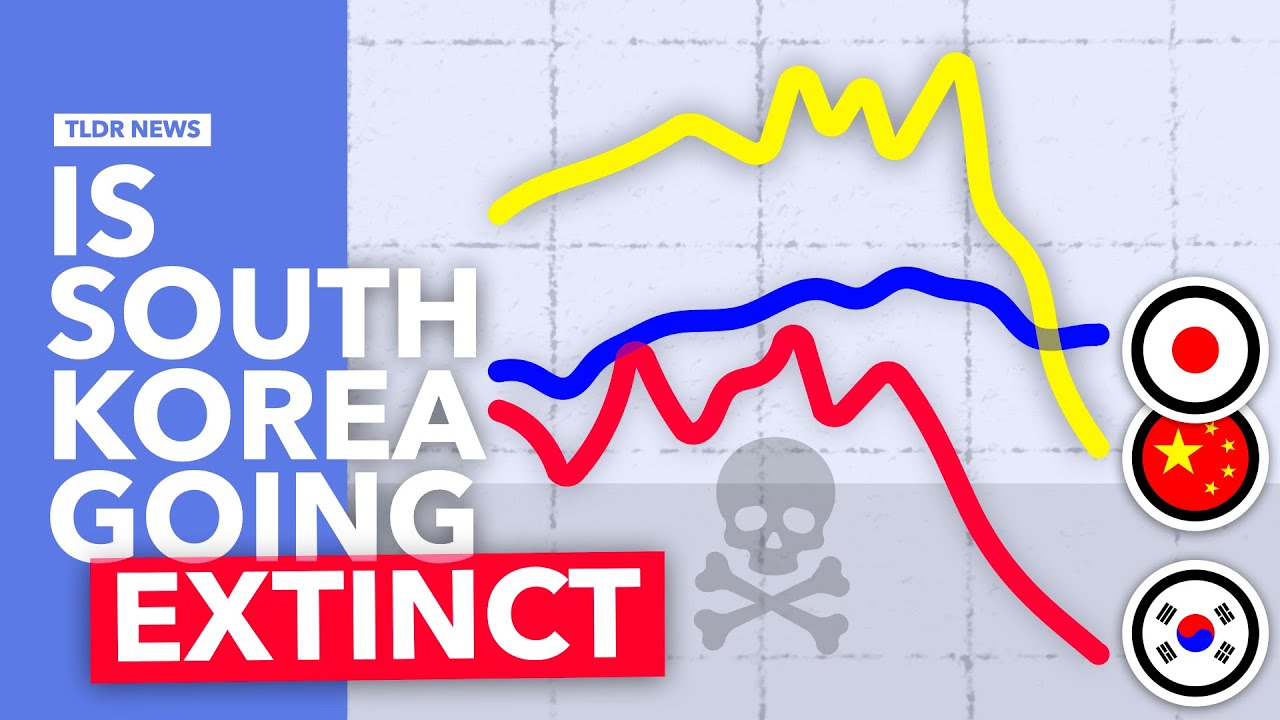
though they want more for each generation people want less children so if our um fertility rate keeps falling for instance down to South Korea's level of 0.7 then in three generations 100 people in generational sizes reduced to just four and in the next generation one which means countries will be empty and that is a that is a that is a very real Existential threat uh that experts and populations have not so far wanted to take seriously and that's what I I tried earlier this year by spurring this debate in Norway and um yeah people weren't
ready for it but uh but it is moving along and uh people are contributing and with time I think people will accept that this is an existential threat perhaps the greatest challenge of our era and then we perhaps can start experimenting with ways to uh To find a way to motivate people to reproduce again yeah I mean I've been hopping on about this what to me felt like kind of late uh but the internet and maybe why the society was still outside of the Overton window as an early adopter but yeah I I you'll be
maybe the fifth sixth seventh conversation that I've had on something to do with birth rates uh declining fertility and um I'm going to keep on [ __ ] banging this drum Because we can think about how much public attention has been galvanized toward climate change worthy cause something that people probably should be concerned about about not trying to destroy the ecosystem so on and so forth yeah it's not going to happen in 75 years there are more pressing concerns and my biggest learning when I started digging deep into X risks were that you should be
triaging your efforts onto the ones that Are more Global more catastrophic and sooner and uh there is nothing there is nothing I mean maybe maybe you could look at um misaligned AI nanot technology and engineered pandemics but even those you don't have a particularly good prediction mechanism we know how many one-year-olds were born last year we know how many there are in Norway in the UK in America in Australia we know that number demography is Destiny as it's called so if we know that it we Have a guarantee and one thing uh that some people
may be thinking is why is declining birth rate a bad thing I think this is one of the sort of key uh areas of ignorance that a lot of people have if they haven't thought about it so well the the the world's overpopulated in any case or or maybe that just means more room or maybe that means more jobs or maybe that means it's easy to get into good schools or something like that so can you just give The overview of what a declining population means Downstream from that for the people that are alive to
see it yeah absolutely uh a few weeks ago in Norway we had this this big controversy because up north they had to shut down a school and people were very unhappy um if every generation you lose a third of your generational size there's going to be a lot of schools shut down and then when they grow up There won't be enough people to step into the jobs that exist and this across time will age the population Gra ically you can imagine if look at a situation like South Korea where in three generations you'll go from
100 to four people um who's goingon to who's going to keep Society Running you're just going to have a bunch of really really old people and this will also change um cultural psychology we've been very fortunate since World War II with an With a growing economy when we start have have to fight when we have negative growth or or stall growth we're going to be fighting over a shrinking pie and our specie tends to get quite unpleasant in those situations um also you would think this is connected to the this is this this has some
interesting connections on several levels with the climate crisis one thing is that people assume that this will be a slow decrease and that Having fewer people will be good for the climate in a way that is true that is one factor but if we're going to solve the climate crisis we're going to have to make a lot of progress between now and and say 2050 when we're supposed to reach Net Zero and it's possible to do that but if we have to channel more and more of our of our uh resources toward taking care of
the elderly and we see societies start solely disintegrating and becoming we'll have more and more Ghost talents and and the cultural psychology turns uncooperative I don't think we're going to be able to make those technological steps to allocate those resources that we need in order to get there so I I think solving the climate change climate crisis and other challenges that we have in the decade head it's just going to be a lot harder if we have uh a collapsing population numbers and also um because of the climate crisis people are less Willing to engage
uh low fertility because they assume that it will be beneficial so some people are they're so used to the to the to the challenge of overpopulation which we talked about for Generations so that switching your mind and thinking about a brand new problem that goes against the previous concern it's just really difficult but if we don't have these discussions now things do not look good we're going to have to start experimenting and see What we can do soon because I'm pretty sure very few people would want to live in societies where there are less and
less young people and where we eventually disappear and that is where we're headed now this isn't this isn't some temporary thing this is a really large Trend and experts think it will only get worse so at some point we have to take this seriously and see what we might be able to do about it yeah maybe uh not the best thing for us to bond Over but the UK's recent census data came out and said that we were at I think 1.44 uh compared with Norway's 1.4 so just for uh Clarity to run those numbers
again because it's very difficult to work out what 1.4 multipli by 1.4 multip by 1. for when you need two or 2.1 um that means that last year there were 5917 to births in England and Wales in 2023 that's the lowest number since Records began the lowest number that that has ever been recorded 1.44 that means that 100 people in Britain today will have 52 grandchildren between them and only 37 great-grandchildren so in a 100 years time you're talking about 63% of the population being wiped out every 100 Norwegians 30 great-grandchildren and for every 100
South Koreans four yep that's those are those are terrifying numbers and that we're not sounding the Alarm and refusing to talk about it it's it's it makes you feel like you're in that movie don't look up I mean the asteroid is heading straight for us but out of uh misplaced concerns political concerns confusion we're not willing to accept the facts the way they are and i' I've I've experienced that in Norway over the past months U I've talked to quite a few of the leading experts and people that research fertility people that work on this
in the government and They all have this unified um approach to this that we can't portray this as a negative thing we this is this is I mean this is their this is what they research this is what this is all they do and they are concerned but they're afraid that if if they tell people how seriously how serious this is somehow the politicians won't take them seriously they will think their alarmist this could affect their career and their funds and they're hoping like the Current strategy among uh commentators in the media and among researchers
is that somehow those children that weren't born when women were in their early 20s and late 20s and early 30s will now over the next 10 years be born when women are in their late 30s and in their early 40s so there's no data that supports that this will happen but the researchers are assuming that if we just wait 10 years perhaps the fertility rate in best case Scenario will go up to 1.7 because women around 40 will start having so many children that it really boosts the fertility rate and that could happen it's not
impossible but it's a really usling strategy after we waited now for 15 years while this has has plummeted that we should wait 10 more years before we portray this negatively because the rate could go up uh over the next 10 years it seems strange to me that somebody doing research into the literal Future of the human species forget the kind of projected future of the environment that the potential human progeny will inhabit climate these are this is the number of people that are going to be around in future it seems odd to me that when
you're able to to throw soup over a van go or glue yourself to the M25 in protest of big oil or whatever um and and you know even the more sort of downto Earth data sciency people Hannah Richie from our World in data uh who specializes in climate science being on the show you know she's she doesn't pull any punches when she's talking about the climate you know she's really and she's as as sciency and Evy as it's possible to be seems odd to me that these researchers would think that they wouldn't be taken seriously
if they gave what are to be honest much more easily verifiable pieces of data that will occur in a much shorter time about Something that's a pretty big threat to human civilization yeah no I mean we will get there uh South Korea uh the government there is pretty clear they said not too long ago that this is this is the point of no return if we don't get the fertility rate up now we're going to disappear uh not there yet this is a process Finland is a little bit ahead of Norway a colleague of mine
she's been running the debate there for three years And three years ago they had the same anger and the and the attacks on people who who said that this was a really serious problem uh but after a process of a few years the population and politicians have gotten to where they're now taking this seriously and they're going to start experimenting to see what they can do and also here in Norway the politicians are beginning to take this seriously strangely they're taking it more seriously in the researchers that That that under well that have the data
and work on this so we just uh established a national birth rate committee uh that will uh study this and see what kind of solutions they may suggest uh I don't have too high hopes to anything substantial coming from there they're probably going to try to throw a little money on the problem when we know from other countries that that doesn't work um giving giving money to parents to have children it doesn't have An effect that in those instances there are certain ways you can boost the numbers a little bit but then suddenly you're paying
a million dollars or $2 million per extra child so it's it's not it's just not feasible uh but the researchers that are doing this and and those that are working on it and the government they uh they have what I think at least are misplaced fairs I wasn't I wasn't a a debate um last week uh with someone from the birth Rate committee and someone from the Ministry of Finance and the woman from the ministry of finances started by showing the audience um a kind of frivolous equation she was showing that uh having more children
uh would be negative for the national economy because in Norway we a very generous welfare state and we have oil money every group um in the population is is is a net negative so she was making that Kind of jokingly saying that well at least children aren't profitable for us and then later in the debate because I was so curious and I've been curious for so long why they're not portraying this with the seriousness that it that it requires they all have this attitude that okay let's talk about it but not negatively and then when
I pushed her on it and I asked her just to amuse me could could you say could you confirm to the audience that 1.4 means that we lose The third of the generation and she did that she finally did that yes that is true but you can't portray this so negatively because then you will empower the political forces on the right so there's this belief that if we talk about low fertility there's going to be there are going to be these people on the right that will deprive women of their uh their Reproductive Rights and
we will be taken back to the Dark Ages and at least in Norway the risk of that Is infantis infantism small we even our right R party are from a international perspective uh feminist Social Democrat I don't think I I don't I don't think us having this discussion and taking things seriously is going to turn us into the handmaid's tale but this is this is a common assumption also some some of them they're afraid that they will be perceived as racist that if we are concerned about a Western countries having low fertility uh that would
be Inappropriate because there are so many people in Africa so they have all these strange um hang strange that is that that is Olympic level mental gymnastics to say if we care about our country that somehow throws into harsh light people of a different skin color in a different country I mean I've been banging the drum from my conversation with Stephen J Shaw who wrote did this amazing documentary called birth Gap uh South Korea's his pet project like who's who's Campaigning for the South Koreans that are going to by their great great grandchildren have one
person for every hundred South Koreans that there are now there's entire schools that are empty in Korea at the moment yeah and uh does it not count it it only counts if it's the dark the darker skinned people it doesn't matter if it's the ones from the East I wouldn't take the content that seriously this is the beginning of a debate that is very Confusing and at that phase of the debate personal attacks anger those kind of accusations tend to be quite so uh over the last months I've been called I've been called a misogynist
a fascist uh because because I bring up this problem people assume I want the government to force women to have sex with and have children with incels uh and yeah so those accusation of racism or or wanting to empower the Far right it's just the the confusing beginning pH face of a of a really important debate and that will only last for so long once we once people work their way through that and throw out those accusation that I don't know if they're that serious when when they accuse people being racist I very much applaud
your patience with this but I find it I find it so difficult you know I my default is never to throw a label at somebody like that I don't none of my Friends do that none of the people that I respect care about do that either and I just find it I find it very trying to imagine the psychology of somebody who defaults to to that the defaults like this it's so boring as well it's so [ __ ] predictable like these these bigot well like just it's like the bigotry dartboard and you just close
your eyes and throw a dart and whichever one it lands on you know it could have honestly you could have told me that This would have been transphobia and I would have said yep could have picked that one as well like it's just so obvious to me and it doesn't it doesn't take the best of what your interlocutor is trying to propose to you it takes what your mental model of the worst of it and then just tries to run away with that so I mean fair play for keeping your cool with regards to it
do you see you know you do seem quite even keeled as best I can tell do you kind of See your role at the moment as being like the Vanguard of this political talking point you're kind of through the breach first and you're going to take some arrows and maybe that's a price that's worth paying is that kind of how you're perceiving it well people are people and in the cultural moment that we live now those kind of accusations are the weapons available um so when I I presented uh my research for the Norwegian uh
in fertility Institute a Few weeks ago and they had been so amazed at how I this summer had been able to elevate this debate about low fertility to the National level and and trigger a really FY debate FY debate on it they had tried to do that for years but they weren't successful and the reason why they weren't successful is because they didn't portray this as as the problem that is as serious as it is uh while I said that this was an existential threat and that we need to Look at how mating markets work
how why is modern dating so dysfunctional and then I described using the evolutionary Sciences what it is about female and male mating psychology that in our current environment creates a stratification that contributes to single them that then results in no fertility so the way I see this there's there's several there's there's several u bottlenecks in the pipeline between being single and having a child and then I describe the different uh hindrances along that Pipeline and and of course um especially in a culture like the Norwegian one a very Social Democratic Culture The evolutionary Sciences are
not broadly embraced to say it mildly uh and and yeah saw in I saw in one of the articles that it referred to it as a controversial wing of psychology or a controversial subset of psychology that you come from yeah and when we published the insing article in Evolutionary Behavioral Sciences uh uh one of the newspaper commentators referred to this as the online publication The evolutionary Behavioral Sciences so yeah it's it's been strange and also the attacks of I would say over the last few weeks uh people in in newspaper commentators experts even the leader
of the of the birth rate committee have disproven my positions about 10 or 20 of them but the weird part is when they write these articles To disprove my positions not a single time have they uh argued against the position actually have it's been exclusively strawman which is a little bit predictable too and it's okay um I just want this debate to get started and now it has started and if that means that I have to uh just endure all those weird attacks and personal attacks and and and being discredited Well hopefully I'll be able
to be in this for the Long Haul and I hope to contribute more productively with time but right now the debate is going and for that I'm thankful let's get back to the underlying dynamics that are driving this sort of decline in birth rate because it's something that we are seeing across the world for as I'm sure that the researchers that you were talking with recently know uh the birth Rates especially in sort of South the South areas of of Africa fittingly I think Chad has the highest birth rate in the world which is's kind
of on brand given the name um every 15 years every 15 years the birth rate decreases by one child per mother in African countries too so it's from 8 to 7 to six around about every 15 years or so at least this was when I looked at the data about 18 months ago um it may have sped up it may have slowed down but my point being this Is a global uh situation I think everywhere except for Israel basically uh they've managed everybody is is dealing with this and this was really interesting and telling to
me when I looked at the uh news article from the UK that came out because you had some very country specific reasons given by people in the comments they were saying uh migrants Islam taxation cost of living the covid jab who would want to bring a human into this cruel rotten World tap water this is good the country is too full and this is good the world is too overpopulated and I was thinking well some of the stuff is kind of universal right but a lot of that migrants Islam taxation cost of living covid jab
uh you know this very specific to the country and yet we're seeing birth rates across the world change so can you just square square the circle of the Dynamics for me of what is universally happening that's causing This to occur because presumably the intersexual Dynamics and the sex ratios in different countries are all at different levels and yet we seem to have this sort of universal um degradation of birth rate yeah um so um Let's Line this up along these bottlenecks that that I talked about so um I like to view this as as uh
something that happens in three steps first you have to be able to find a partner you have to date you have to Find someone you have to read that your couple and that has become increasingly challenging the next step is that you have to decide to have a children and there there are different hindrances and then you have to be able to make one now the latter one it's not it's per it seems not to be that big of a deal as you're aware sperm quality has decreased 40% among men uh but according to the
experts it's still more than good enough for making children so it's not that We're not able to now then there are some problems for women because they postpone having children but women aren't their facundity has not decreased in all likelihood uh at the earlier ages so so the latter bottleneck seems not to to be a real issue um and then just to just to just to step in there you mentioned at the early ages but obviously if uh the first and second one finding a partner getting a partner then push you into the third one
the third One can then become right I've I've jumped ahead of ending but yeah yeah yeah yeah no absolutely so the but the issue that there hasn't been changes in fund fund seems to be the same or better than before so it's not that we're not able to have children but yeah when women start very late then it becomes more problematic but that is not more problematic than it used to it's just that women are starting later so then we have to look at then we have to look at The world so where and and
so where in the world where birth rates where people are still reproducing and growing or in countries where female equality is not a very high value and and and this is an important factor this is a result of the empowerment and Liberation in equality uh afforded to women in the process that has been ongoing in the west sin for like 800 years and here it's very important for me to State uh that I am an enormous supporter of equality for Women I am such a big supporter of that that I would like also women in
the future to have the same rights and opportunities that women have today if we continue down the path we are now and just self eradicate those populations that are left are not champions of women's freedoms so when when we go into this and we talk about what has happened um with women over the past say particularly 150 years that Explains um much of the first bottleneck but describing these mechanisms and this process is not um doesn't mean that I I'm against it I'm just describing these are the mechanisms that are at play this is how
human nature plays out in certain environments and I wish it wasn't that way but it really seems to be that way so this is what I I will be describing so what we talked about last year is that our lineage uh over the yeah it's interesting to look at the last six Million years uh we became a pair bonding species around 4 million years ago and women only evolved an attraction to men uh that motivated sufficient pair bonding and reproduction in really impoverished environments so men as we talked about because their promiscuous attraction system is
so uh generous they're a lot more willing to have sex with women and and engage with women than what or a lot diff many different Kinds of women than what women are so if if a man activates her peer bonding attraction system that can be a man with similar mate value as she has they fall in love they have sex they have a child but if you have an environment like you have now that appeals predominantly to or to a great extent to the promiscuous attraction system which is what Tinder dust Etc uh then women
will be a lot more selected so we have a few things that have happened here women have been Empowered to have their own jobs make their own money be free and importantly to choose their own Partners For The First Time in human history the result of that has been that the better women are doing the more they exclude uh the lowest value men from their potential pool of Partners and with prosperity and with a promiscuous mating regime like we have now or that is a lot more promiscuous than before female mating psychology Seems uh to
channel the attention to higher value men to avoid uh the deception of similar value men that's something that happens in pris when there's High promiscuity while lower value men in a in a in a um environment like we have today even though they are uh receiving less mating attraction and having less opportunities and we see their number of sex partners going down they will have increased expectations of promiscuity uh so you you get more and More dysfunction the further away from this third sexual revolution of the 1960s we get this is only getting worse so
the problem with creating relationships now and this has been something that's been in the in the debate in Norway to an enormous extent what women are what very many women have said in this debate I don't know how representative is this but their main Point talking point is that men aren't good enough and if men do not become Better women simply don't want to partner with them and certainly not have children what do you think they mean when they say better it's it's quite predictable women of course because they have a because of our evolutionary
past they have a a lower desire for partner variety while men because by having promiscuous sex they would leave a larger genetic ly they have a higher desire for partner so one Norwegian one study showed that Norwegian women want five lifetime sex partners and Norwegian men want 25 so this is a question of how markets work when you have a high demand of female sexuality and a low Supply women will have the power on the short-term ating market so as we know if you if you as a woman go on tnder now you will get
access to thousands and tens of thousands of men and you will have men that have much higher mate value um give you a lot of attention and try really Hard to get a date with you and then get you to bed so when you have that kind of enormous choice that kind of power it's very natural that you increase your standards now if women understood better and I do understand it many understand it very well and some understand it to some extent but this isn't this isn't a cultural script that we're raced with we're not
offered this information when we grow up it's just not a part of our culture because it's mating rashim is so New but it's it's a big difference between a short and a long-term mating market so if many women confuse the power they have on the short-term mating market with the long-term mating Market where men and women are more equal so the short their experiences on the short-term mating Market motivates women to increase their partner demands which then when they when which they can do on their short-term a market there's no limits to how many attractive
men they Can have there but if they want a boyfriend then they have to go on dates with men that have similar mating value with them because in a monogamous regime our specie mates assortatively people with similar value find each other and this makes it harder and harder for women to find Partners uh and and the funny thing in the debate that's been in Norway is that so many said that oh my God we real those men need to stop telling women to lower their Standards uh the problem isn't that we have high demands and
and then they go and list 10 things that men have to do to get better so um this environment that we live in now it just motivates women number one they don't need men anymore they used to need men and those emotion that attraction women have for men evolved in a much more impoverished environment were having a man was could be of existential importance and now They don't need him women can have wonderful lives without men um for many women the type of men that they would have access to Simply isn't good enough to justify
not longer uh being single and on an individual level that is perfectly fine and I support it 100 % so what women are doing on the short and long-term Ed Market I have no issue on that as individuals I lay no blame but our society will disappear if we don't do anything about this and the thing is This is a brand new system that no human Community has suceeded with them we've been doing this for 50 years and these processes these changing between uh uh different mating regimes typic it can take centuries some of them
the older ones took much longer even so that we after 50 years having found a way to reconcile individual and social needs it's no wonder but now that we see the effect that our inability to find Partners leads to self eradication we Need to talk about it we need to agree that this is a problem and that it's an existential problem and we have to start experimenting not by forcing women to marry incels but to try to find if we can create new dating Arenas if we can increase the knowledge around this if we can
change people approach to dating and mating then I am I am naively positive I mean I I've studied the human or homine mating over six million years we fac tremendous challenges and our ancestors Solved every single one of them and the 21st Century's reproductive crisis it's not the biggest one I I I I think we can make changes and these fertility researchers that I've talk with they don't have much of an historical perspective they look at today and they see this is a problem they don't understand why it's happening and then they give up and
a lot of them say we just need to embrace low fertility we've solved problems like this so many times Yeah go ahead how do you know that it's women's standards being too high and not men the standard of men decreasing um because it's it's relative I mean men are men and women are women uh going out and saying to men you have to get better I mean who would go out and say uh somalis need to get better or people with Down Syndrome have to get better we don't talk like that to groups we don't
say they're not good enough and tell them to better Themselves one because it's inhumane and two it doesn't work you can't tell groups to pull themselves together uh so yeah maybe men have gotten worse and worse maybe women have gotten better and better but I think it's more it's it's it's a change in that women we had patriarchal societies where women were subservient and dependent on men uh if they didn't find a partner they would be sanctioned socially hard uh they would live in poverty many times so now that We've created these wonderful new societies
that innate biological attraction that women had to men that motivated sufficient reproduction in the past it's no longer strong enough life is too good and given that we have to look for new Solutions I can see why uh somebody that wanted to find uh potential holes or headlines to pick in your argument would be replete with options because uh un a mean characterization of some of the Points that you're putting forward would be something like so the argument is women should get into relationships with guys who either aren't good enough or that don't fundamentally like
that bringing back a patriarchal or enforced monogamy style socially enforced monogamy not handmade stale uh socially enforced monogamy style uh Society is better that uh equality and women's financial and socioeconomic Independence is uh anathema uh to um having a a Flourishing Society therefore all of the things that we have done should be rolled back and the more that we roll them back the more that we then get the birth right to be able to flourish again so uh I mean we've spoken about this I've spoken about this hundreds of times uh but it's a difficult
Circle to square to say that something which was good and that everybody is in support of women getting their socioeconomic Independence women having equal access to the things That they should women not being under the boot of their father or their brother or stuff like that like these things are good in a developed society and and yet they can also have this externality which is well it's misaligned with mating psychology and downstream from that what you end up with is this really difficult situation and you know to the women that are listening to especially the
ones that are struggling to find a guy that they Think is good enough you know there's no I and this is where we get into interventions a little bit later on but I think it's very difficult to say hey girls lower your stand standards like what does that mean what does that mean in in the same way as telling guys that you need to do better like what does that mean especially at a group level you know the individual level what you're asking is kind of like a a what's a tragedy of The commons type
thing a God's eye view uh coordination you individual man you should work harder so that you can help the birth rate or you individual woman you should lower your standards so that you can help the birth rate it's like not for you you take a a personal uh cost you pay a personal cost in order to supply a public benefit and uh yeah it's it's it's fascinating so okay we've got what a couple of other things here when women say men do better and They've got a list of a list of things what are the
main areas because presumably one of the places that we should be looking at for intervention is is how do we make men more attractive to women in this new environment that has to be one of the roots that you lay out it would be stupid to not give that information out to guys because there will be a subset of men that go hey just give me the cheek what is it they're looking for again and if you just give Me that and I'll just like tick tick tick tick tick and I'll be sweet so what
are the areas that women say men are lacking in well these lists that that has spread they're they're not terribly insightful or helpful I think but it reflects the experiences that women have had with men um don't be so interested in hunting and fishing and cars uh don't talk about yourself uh give me the right emotional Support uh don't brag about things it it's it's this minutia that they say that men in general suffer from and it's it's not men in general there's there's there's a normal distribution among men you have a a few men
at the top that are phal and a few men at the bottom that are terrible and then you have just a bunch of normal guys and and women are right in today's environment men AR good enough for women but then we have to ask what are we going to do about that and I Don't know a single person I don't even know if I've met a single person who wants to go back to the Dark Ages and and put women under the boot of the patriarchy but if we really love female freedoms as highly as
many Proclaim and I certainly do then we owe ourselves to start experimenting and trying new things to see if we can have societies that exist in the future where women also are free I mean the stakes couldn't be higher so this misplaced fair that if we talk about low fertility women will suddenly live in oppressive patriarchies the day after tomorrow or 10 years down the line or 50 years down the line I mean I understand the faar because nobody wants to go back women don't want to be unfree again but what I've done in my
research and in other projects also I I I've studied the cultural changes over the last thousand Years to see how what is it that made modernity emerge and we never go backwards we have these really deep cultural changes intermittently and they're terrible and we're living through one now um and in those cases we have to start entertaining new thoughts new norms and new values and and different community unities should try different solutions based on what is Salient to them based on their cultural Legacy and I think Norway is in a unique Position here we've been
spare hending spare heading new gender relations for 150 years we've been in the Forefront of female equality and we in scavia we have really good culture for this we have a a cohesive populations we have a lively National debate or we're willing to find an experiment with new things and find Solutions and I think we can do it here also and I think All Nations should do that build on their cultural legacies and try new things and I mean in Norway It would be so anatha for I think the risk of us going back to
the Dark Ages is very small but I'd be willing to uh to suggest a suicide pact on this I mean we're stirring towards self- eradication let's just agree if and and I understand women's Fair of this so let's agree female freedoms at the level of 2024 can never be threatened let's have that as our starting point let's experiment with new ways of dating and mating but never ever anything that would involve Jeopardizing women's freedoms and if those means that we come up with are unable to help us increase fertility then we'll die together we'll disappear
we'll we'll just dwindle until there's no one left and that will be the Norwegian way and then I'm sure some other countries in the world will experiment with more uh handmaid's tail like uh like means for racing fertility but that won't be us and and that is that is the successful we have all these Different communities all these different cultural legacies that make different means Salient to us we need to start experimenting we need to do something because we're all disappearing in in this part of the world yeah I um just to kind of play
the other side and so much of what I was learning about over the last few years to do with you know the increasing socioeconomic success of of women over the last 50 years particularly uh the tall girl Problem as I've come to say that if you stand on the top of your own status hierarchy it's very difficult to find someone above and across on the other one and um yeah you know 50 years ago when Title 9 came in and the gap between women and men in University was smaller than the gap between men and
women now men are now further behind in terms of their University uh attendance than women were When 9 a policy that was brought in to precisely help raise up what was at the time an underperforming minority right or an underperforming group perhaps not a minority and um I'm just trying to think about like where that energy is to help raise up underperforming men um you know if we do have if if this is true let's say let's let's let's take the sort of public proclaims as accurate that men are not being of a high enough
standard in order for women to date them That would be like saying well women aren't of a high enough intellect in order to get to go to university well what do you do you you you help you spend billions and billions in taxpayer funded money to create councils and research initiatives and social change campaigns and you help to change norms and you raise up the group which is falling behind but even more so in this one the death of appropriate and eligible male Partners directly impacts The wellbeing of the life of the single women who
don't have anybody to date you know you could say that kind of in a roundabout way more smart people including women going to University makes for a smarter and more prosperous world because there's like people doing Innovation and stuff like that it's a much less direct route right than if you spend a lot of money helping men to become better which I'm sure that the men aren't going to have a problem with It's like hey man like here's free gy membership and mindfulness training and blah blah blah or looking at the socioeconomic problems which is
well why aren't men flourishing why aren't they going to University why is it two women for every one man doing a four-year us college degree why do women out earn men between 21 and 29 by over ,000 a year the age during which the uh socioeconomic success of your partner is probably going to be more indicative of Your mating success when men and women are more likely to be available and trying to find potential Partners where their facundity is highest so you're going to be able to get the best bang for your book so to
speak out of your mating efforts at stage two of the bottleneck that we'll get on to I just get the sense that there there really is very little sort of charitability being paid uh you know even the word incel uh William Costello Andrew Thomas was on Very recently talking about it the word incel just sort of conures up all manner of of of maybe it needs to be rebranded you know unfortunately it's a very great term that was used and sort of spread too widely as a meme but like who wants that who wants there
to be people who want to do a thing and can't do the thing and are sort of claing and and desperate and and and trying and and don't get that like that's not that'll be like saying like a in in intellect or Something oh involuntarily stupid or something that's the reason that women aren't going to univ it's like no no one said that no one thought that but because we are dealing with men who traditionally have been in uh a referential position in society and because we're talking about women's bodies which is a very uh
fraud topic that nobody wants to come in and and feel like they're starting to mandate anything uh yeah you know if you talk About situations that sort of raise up men and men's standards that feels like kind of manipulating the market in a way like men no men should raise themselves up they should try they should want to do it it's the if you loved me you'd know why I'm mad at you kind of argument and then on the other side if you said well what about women's standards being too high go what so you're
saying that you want me to get into a relationship with somebody that I don't like that I Don't love that isn't good enough for me we've spent all of this time building up as socioeconomic success finally getting egalitarian access to all of the things that we need and you're telling me that now I have to row back my financial Independence to like some weird old and worldy 1900s 1800s Victorian England version of mating mentality just so that I can feel remotely satisfied with a partner that I don't think meets my stand and that's not going
to happen so I mean this is like a i you seem to think it's a tractable problem but to me it's a like a you know Spaghetti Junction of cables that every time you try and pull on them like today there's been we between the two of us there's been like 20 absolutely unspeakable things that you've that that one of us has said right like that these the this area of discussion is So non typically done in a manner that isn't used as a a a cudle to to hit people over the head with or
to try and get some sort of Nefarious campaign across that you don't nobody uses What's called the Oxford manner right the ability the ability to play gracefully with ideas that's not allowed um but yeah anyway just to kind of fight the other side of this when women had a problem we said what can we do to fix Society but now that men have a problem We say what is it that men are doing where they can't fix themselves yeah we don't tell but that's it's certainly not in Scandinavia that's not what we tell poor people
just pull yourself up by the bootstraps that more of an American strategy but what you said about the Insel term is very interesting unfortunately that coin was trimed uh or at least and spread into the mainstream with these terrorist attacks of the 2010s and what this has cost it's very unfortunate I mean inels it's arguably the most or one of the most marginalized groups in society on some level it is the most marginalized group these are men that be are being deprived of Life opportunities or just suffering in in in solitare uh and I've wrote
One oper in Norway where I said there's a reason why you don't know the name of a single Norwegian incel Uh I speak up about these matters and I'm in a position to endure the hatred and the attacks that come and and they have become increasingly grave could you imagine what happened if a regular guy an inel spoke up and said I have never had any mating opportunities let me tell you how this destroys my life first he wouldn't be met with compassion he'd be villainized he'd be seen as a misogynist and a potential Terrorist
so we've created the culture where these men that are the most marginalized and you could say oppressed aren't even allowed to speak up about how terrible their lives have become so we don't hear anyone bear witness to this marginalization women spoke up loudly and proudly about what the patriarchy were doing to them and they succeeded with with liberating themselves from that it's very difficult to see in the short to to mid-range how These men can be a part of the public conversation because the costs that we impose to them are so enormous and to that
other thing you said about how can we race up men well that's that's what you could call one of the scan avian paradoxes in raising up women as I again thing that I mentioned to you last year uh the Norwegian welfare state men pay more into it in taxes than they receive from it women receive more than $ 1.2 Million from the from the welfare state over over their lifetime than they pay in in taxes and 1.2 million dollar it's that's still pretty good money so and and I think that is one of the Lynch
pens of our society the reason why Norway according to the UN almost every year is the best Society living in the world is precisely because we transfer these resources from men to women and that allows and there's a variety of reasons why that creates a better Society but then a negative aspect of that is that men lose these resources and women gain them which is good for society good for the women and the children they bear but it makes men relatively less attractive because number one women to a much lesser extent need the resources of
a partner and men are have lost these resources that in previous times would make them more attractive to women and that's a that's a very bad Externality so we created the perhaps the greatest Society in human history and because of the way we did that we're now striving towards self eradication because we created Society where men actually aren't good enough to entice women's uh attraction system systems so that women are are want to have sex with them and pair bond with them and have children with them and uh that is unfortunate and like you said
that is a spaghetti what about the second Bottleneck let's say that we've managed to weave our way through the first one we've managed to find a partner we're happy with them we're ready to settle down get married and and and the question comes up are we going to make babies yeah so that has to do about culture and ideology this is what we covered the last time over over over an hour and uh I recently published a book called stories of love from Vikings to Tinder Where I take the reader through a 8800e journey of
Western ideologies of love to show how we ended up where we are today and how that explains Our dating dysfunction and the demographic collapse so we now live in a world with the mating ideology that's called confluent love Confluence means to come together so we're supposed to come together and as long as that's beneficial we're supposed to stay together when it's not move on so it's we have serial pair Bonding interspersed with optimistic short-term relationships so we sleep around when we're single and hope and preferably not when we're hitched up and then relationships last for
as long as they last and this this the values of this mating regime is convenience reward and individualistic self-realization so we're supposed to uh to do whatever works for us as individuals and to Modern ideology that makes a lot of sense and uh we we've Wanted we wanted to do that for a good while but we weren't prosperous El but now we are and now we've implemented this regime symbolically from 1968 uh before that to give an example of another uh ideology of love from the early 1800s until 1986 we had the ideology romantic love
where cultures imposed on people they indoctrinated them acculturated them socialized them however you want to put it thinking that a man and a woman as individuals they're Only half a person so you're supposed to find that other soul that matches yours and then you're supposed to merge in a pair bond underpinned by very strong true love and this love lasts a lifetime and then you self-realize as a couple through the bread winner housewife model so from our perspective that that sounds a little bit silly but impulsing those beliefs on people push them together together and
made them have children to a sufficient extent well you could say Maybe to a too high extent uh because they really the population growth during that period was enormous so in that second bottle when it comes to having children in earlier times in all earlier times I'm sure there were exceptions here and there but maybe those weren't too functional societies imposed on people that they had to parir bond and have children if not you would be sanctioned ostracized or maybe you'd be a monk or go to war or work the Fields uh and we don't
do that anymore and we only and here's an important part contraception we only we didn't evolve to have this incredible desire to be parents we have a desire for it but as we see now it's not strong enough for our current environment uh Evolution Works in a way that it implants proxy for it you're sexually attracted to someone uh you do these things and then in some it leads to sufficient reproduction but now that we detached Culation from from reproduction through effective contraceptives those adaptations that we evolved for the previous mating regimes don't work as
well and we also have this ideology where had not having children has we having children has become quite voluntary I mean there's still some pressure but you'll do fine without in some Millar it's even seen as heroic not to have children you have environmentalists uh that think children Is wrong you have all kinds of different anti-natalist beliefs and and this reduces the pressure that in previous times push people toward reproduction so that's when people do manage to pair bond and they have to decide whether children you have those ideological differences from earlier times and then
you have other environmental pressures such as the costliness of having children the difficulties the time pressure Etc so uh you have all these Factors that play in there and what politicians and fertility researchers are drawn to are those more mundane environmental factors so Norway probably has the best social regime in the world for having children we give incredible benefits to parents and children that there's there's probably never existed an environment in the history of humanity where it's more beneficial to have children than in Norway and still we're not doing it so what this birth Rate
committee uh is probably going to do is suggest we throw another $100 there another there but we know from research that that's not going to work so if if we're going to work on this second bottleneck it's about cultural change and evolving towards a new ideology of love and that sounds very inappropriate for modern Minds we're not we're supposed to leave individuals alone a lot of people have said in the debate in Nor it's inappropriate for politicians to engage but I mean if we're staring towards self radication nothing is more important than than the question
of existence versus non-existence so we really should be open uh to experimenting and trying to question even our most sacred values in a lot of the studies I think that I've seen lots of the survey data GSS data and a few others come back and some of the highest rated reasons for Why people haven't had kids is um not ready yet still working on myself uh don't have the money and insufficiently financially secure what do you make of the sort of cost of living and self-actualization ideology sort of slth thought pattern when it comes to
its contribution because at least in terms of self-reports uh haven't found somebody I'm sufficiently attracted to wow didn't mean to do that haven't found Somebody that I'm sufficiently attracted to um to be able to uh have a partner with is very low down the list very low y y uh well we don't know that is the thing about this we experts actually do not know what the precise factors are that have created the situation they don't understand why people aren't had they know some they know that urbanization is a factor uh individualization but how they
play in how much they affect things Uh it's still a puzzle and especially what of these factors could be amenable to policy what is it we have to do h what kind of society do we have to move towards to make people again having children it's been very underresearched uh that is among other things I'm I'm I'm part of a a group of researchers that are applying for funds now and we want to actually find this out we want to study female and male mating Psy reproductive psychology and See what are the actual factors not
what people say are the factors but through long through longitudinal studies to uncover what the actual elements are that motivate or demotivate reproduction and it's it's especially with an evolutionist psychology this has been so under research over the last few decades there's been so many valuable contributions on on dating and relationships and parental investment partner preferences sex everything Within mating except its ultimate function which is to reproduce that's been enormously under research which is which is puzzling and now it's it's become existentially important to understand these mechanism I suppose you hinted at it before the
difference between approximate and ultimate reasons you know approximate reason sex feels good ultimate reason it makes babies um looking at the ultimate justification You you it's a much more direct uh intervention to just get straight to the proximate because you know exactly how that works you can manipulate it more directly uh getting in and and sort of the ultimate is usually the unspoken thing it's the thing behind the thing uh but I do wonder I was having a conversation with a friend uh who was telling me that he uh held his sister's newborn baby for
the first time and this is the first member of his kin that's Been like newborn his first family newborn he held it in his hands and as as he was doing it immediately he had these sort of classic visions of a warrior man going to protect this child it's not his child but he's pretty close right you know he's an uncle and uh it we had a conversation and I think there's an odd maybe sort of mimetic child desire that goes on that increasingly atomized uh non- pan generational living Where people are in their own
houses they move away from home at 18 they don't get to see their brothers and sisters and potentially their children quite so much anymore everyone's in their own Silo on top of that a declining birth rate means that there are fewer children around to show people who don't yet have children that children are a thing that you can have how much have you considered this this kind of um the one of the big impacts of Being around children is that it perhaps encourages you to have children and by that having fewer children begets reduction in
the incentive to or the drive to have children yeah that's that's uh that's why the leading research in this believe that this unfortunately is a self-reinforcing process like I'm mention Norwegian women want to have 2.4 children but they have 1.4 now that it's fell to 1.4 the next generation will Probably want to have quite a bit fewer than 2.4 and we've seen this through the generations so we're not able to fulfill our fertility ideals and this puts us in a spiral that just entails us as Society circling the drain until there's no one left unless
we're able to turn this around yeah the fertility yeah so that's why that's well as moving Target yeah no that's why I mentioned at the beginning of our conversation how unfortunate it is that the main or Region researchers on this they're just waiting for women around 40 to have an unprecedented number of baby because I mean the leading international experts are pretty uniform they don't all agree but they're pretty uniform this isn't turning around it's it's they say that it's more likely that it continues to decline than that it tapers off or goes up again
so if we don't turn this around likely it will only get worse and this circling of the drain is Just going to go faster and faster until our societies collapse didn't someone say that the best you can do is for the fertility rate is to just resign and relax yeah that was the commentator in Norway's biggest newspaper she uh she thought 1.4 was just that was just a um a number that captured the moment uh and she also so she talked to these experts and they said yeah yeah I know Norwegian women will start having
babies Soon in their 40s so this this is going to go up again so yeah she she actually wrote that the best thing we could do for the to increase theiller rate is to resign and relax and if we do that we disappear and then Norway's ex sexiest woman of the year said that men were whining and then a gay guy said that men are trying to cry their way into women's pants yeah there's been and I'm grateful that they chime in I'm I I haven't responded To almost any of them uh I'm just glad
that people are participating in this debate and if they want to smear men or or want to attack my credentials or my intentions or call me a fascist that's just how these debates work and hopefully this is the first phase of the debate and then if we're able to get past it we can agree this is an existential Challenge and after that we can start talking about experiments and then executing them and maybe we can Have more research on this and and we can have a national movement to try to turn this around I I
like I said I think especially Scandinavian nations are the best situated Nations for doing something about this we should spare this we should be in the Forefront we're so rich and wealthy and we have such good National conversations and we're so far ahead in general we we've been doing this for so long why can't we like cease this is the biggest problem we've faced At least in a very long time let's try to solve it let's not resign and give up what happened at your University when they found out that you were researching fertility rates
well there too I am very understanding I I was working at a center of of environmentalists and they need to have their profile and I respect that that and when they found out that I was going to Research declining populations from a negative perspective they didn't want to have anything to do with it but I found a different University that I'm applying for research funds from so I'm okay but uh well it's people don't understand that 1.4 means that our societies will disappear they don't see the problems with it and they don't see how this
can work against solving the climate crisis collapsing Societies are going to develop new technology they're not going to be cooperative they're probably not going to recycle too much either I mean it's we want functioning societies stable functioning societies for the Next Generation so we can fix the climate crisis and this is a new situation before this summer there hard maybe one or two opets a year in leading newspapers where people said that we'll be fine 1.4 isn't a big of a deal and One oped wrote that this for sure won't be as bad as the
Black Death so we'll be okay which is a pretty low B so yeah I I I I understand I'm I'm and yeah I'm especially for environmentalists it's hard to wrap your head around how uh a declining population could be a negative thing so uh I I try to be understanding but yeah it's it's it's yeah it wasn't too cool I'll be okay I I applaud your patience I really do it's uh you know when you're I had this really great Conversation with Richard Reeves I'll send it to you once we're done because I think the
political psychology side of science communication activism talking about topics that are kind of on the edge of the Overton window I think it it really might be good framing for you given that he's the uh founder of the American Institute for boys and men so he's having a similarly unpopular discussion and um we spoke about that and he had this really interesting Insight where he said that people who talk about unpopular topics and feel uh scapegoated or or or uh castigated or you know insulted when they do it what they do is they become increasingly
aggressive with their tone because they're more and more frustrated that they get sort of labeled as this really nasty thing so you know you see a lot of I think men's rights activists uh probably a a good chunk of them get thrown into this bucket because they've Been fighting about family court or divorce law or you know male suicide or whatever it whatever it is for for a long time and because they've either been ignored or insulted what they do is they just keep ramping the rhetoric up I think you could see this with the
climate uh movement too right no you don't understand if we get past however many parts per million in CO2 it's going to be a problem so I'm going to throw paint over throw soup over a painting I'm going to glue myself to the M25 and I'm going to do you know big big all bigger bigger bigger and um as Richard said the problem you have when you do that is that you become less and less acceptable to be understood especially in an arena that's increasingly inflammatory because you are more inflammatory the way that you communicate
these ideas becomes more aggressive which is the exact opposite of the impact that you wanted it to have So at the very time when you need to be as uh peaceful and gentle as possible you're putting this strong argument forward but you're doing it from a place of sort of rationality and realism as opposed to one of like just steaming in it's all emotion because it's much easier to dismiss the arguments of somebody saying something you don't want to believe that is already unpopular if they do it Laden with emotion as opposed to if they
come In and they say hey interesting St I'm just going to put some some facts forward for you here here's here's some things that you should consider and they go what a reasonable nothing that anybody can say is that you haven't been reasonable with the way that you've put your your points forward and uh I I I never thought about that before it was really interesting I've never been an activist really for anything I've got interests and stuff But I've certainly felt that uh distaste sometimes when I've been talking about stuff to do with men's
mental health or whatever and I I you know the r rck does get a little bit more agitated it does get a little bit more fiery you think ah is that actually effective what am I doing am I using this as a a a punching bag opportunity to vent about my own internal frustration at nobody listening or am I doing this to try and make as big of an Impact as I can in the world because those two things often are actually uh counter to each other yeah no you asked her earlier if if if
I saw myself as some kind of fire brand I I wish I wasn't in imp position I want to jump over these next two phases and jump to the one where we start researching this and conducting experiments and try to turn things around I don't enjoy being the object of hatred and derish and having well if if If at least they attacked something that was actually my position but so far it's been exclusively stman and it's yeah it of of course it's it's tiresome it sucks my my department lied to a newspaper that I was
no longer connected to them I have a contract out the air and they just didn't want to be associated with me the reason reason why I'm sitting here is because uh my University would no longer let me use the podcast Studio Which are just bizarre I'm like just what is this it's so odd that's how these things work yeah I was at a dinner a couple of weeks ago with a a member of the birth rate committee a very reasonable uh person and and he said he's they haven't been able to create debate about this
and this summer I was able to do that and and and that noise will help them so now now we're working through that phase Where people are just arguing and bickering and saying this isn't a problem and hopefully we can get to the point where we can have a recent discussion about this and that's when the birth rate committee will put forward their findings however useful or unuseful they are I don't know we'll have to see but then after that something else will come I mean this isn't a one-year conversation we're going to be talking
about this for Generations unless we're able to turn this around us recircle the drain I mean it's going to become more and more apparent how devastating how disastrous the consequences will be of losing a third of your generation or two thirds of your generational size per Generations it's it's this discussion is not over it has just started and thank you for for pushing this and not just inviting me but so many others to talk about this you're the you're one of Those who really are spting this in the international marketplace of ideas and that's really
valuable I appreciate that thank you yeah it's uh it's an such an odd type of existential risk because you know some of them F wildfires start you feel the heat there's black plumes of smoke in the air or there's Smog on the ground or you know people die in a pandemic but demographic collapse is this sort of really unique class of we've never faced This problem before yeah yeah yeah no I mean it you send an enemy at us guess it's we're immediately going to know exactly what to do our neighbor comes go to war
against us we're going to band together we're going to forget all the bickering and we're going to unite and we're going to do our best to survive and beat them and murder them and win that's in our nature when we're now self eradicating we're just what it's we've had low fertility before but we never Had this kind of increasingly Global phenomenon that is that just isn't stopping it's just it's just a continuing decline so our cultural intuitions our cultural legacies we have almost nothing to build on we have to think a new we have to
analyze and understand something that is really complex and then we have to come up with completely novel Solutions probably and that is a hell of a challenge we have very little to go on here this is a Brand new environment well I know that you've only just published your last book which was awesome but I mean you've got a hell of a topic for the next one and jumping in with two feet and doing whatever it is that you need to do dude I appreciate you uh I I I really do I very much appreciate
you sort of sticking your neck out as we would say in the UK and uh and and doing this work it'll be interesting to see how you and Leif and The rest of the guys get on I loved when we met at HB last year and it's been uh it's interesting to see where people end up so I really hope that you sort of make it through if people want to keep up to date with what's happening from your side of the world your uh data your research and stuff like that where's best to go
well maybe under the YouTube video you can put a link to my stores of and VI to Tinder it's open access so it's Free to download uh if you want to see what I published can go to my Google Scholar yeah thank you you can go to my Google Scholar page and just type in my name and and you'll see my Publications there also research gate is good there are different ways to find it unreal mads until next time mate I'll see you thank you so much Chris was a pleasure talking to you again take
care thank you very much for tuning in if you enjoyed that episode there is something else you Will absolutely love right here go on give it a tap