[Music] thank you [Music] good morning s or product designers I don't know M with a new microphone yeah yeah and keep you it's still working my microphone is still working yes yes let's see if I touch it she has a new microphone people this is working so oh I don't know so good your sound is loud yeah because every record is a great day yeah yeah right we are excited all the time yeah I think the beauty is red boob or coffee yeah what news what I forgot the words right now well hey what will
you talk I don't know well I have to tell you if you are not if you don't subscribe the Channel please go ahead subscribe the channel click here in the red button and like this video before please go ahead do that and share the comments you like it yeah I am right about that yeah for sure yeah we know that and today we have a special guest for us because he's a reference you're not a designer he's not a designer he's a reference and product our first guest uh out of design world out of no
no I don't think so in good morning West I suppose so Wendy you know Wendy Indie yes yes everybody it said film is a product manager today but it's his background is inside and I suppose Mr Kagan is the first he fights for a guest yeah out of design yes exactly we have yeah we have we have new one yeah we have a lot of options here because I don't know if you know good morning ux now it's a current program for design team Channel so you you can watch Fridays Fridays morning right Friday morning
yeah so yeah one Friday will be design connect it's uh in Portuguese version yeah that we you interview Brazilian people uh overseas and expats in the of the world and you and if you I don't know are interested interested in learn more about us you can watch in our Channel or in our website we have a website Portuguese in Portuguese subtitles too but but I suggest to you to learn Portuguese of course of course because very very important and and probably we have a Spanish version right maybe we are talking about we are talking about
but um I would like to to know if our audience like to to see these contents uh mix it with the Portuguese contents too because we have the same uh contents in podcasts too but our feed is mixed with Portuguese content and English content as in our Channel too and I would like to to know and to to learn more about your view my dear audience if you like this or you have some problem with that with this mixed things together a language oh I don't know if they like to to follow two channels or
two fields in our projects one and in English and the other in Portuguese [Music] so you are suggesting more work for us oh nice yeah but I yeah but I am I am concerned about that yeah you're right you're right no Portuguese speakers we are doing yeah to see this mixes yeah we are doing user experience here kind of yeah yeah exactly but who cares for Frameworks oh so okay let's call our next guest please Mr Mark Kagan let's go perfect so well uh uh like all or again wow like all or new guesses I
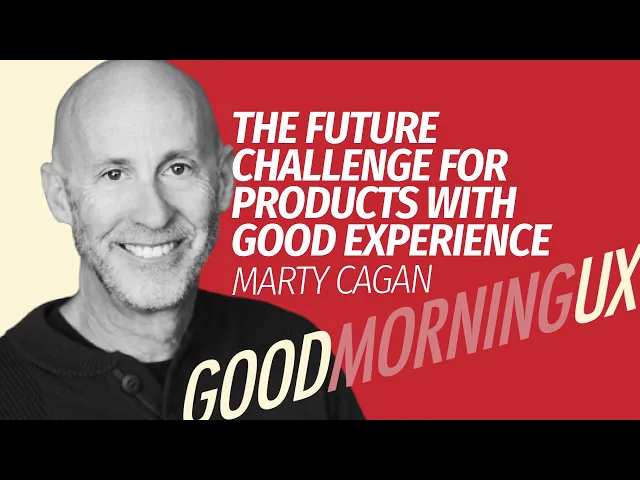
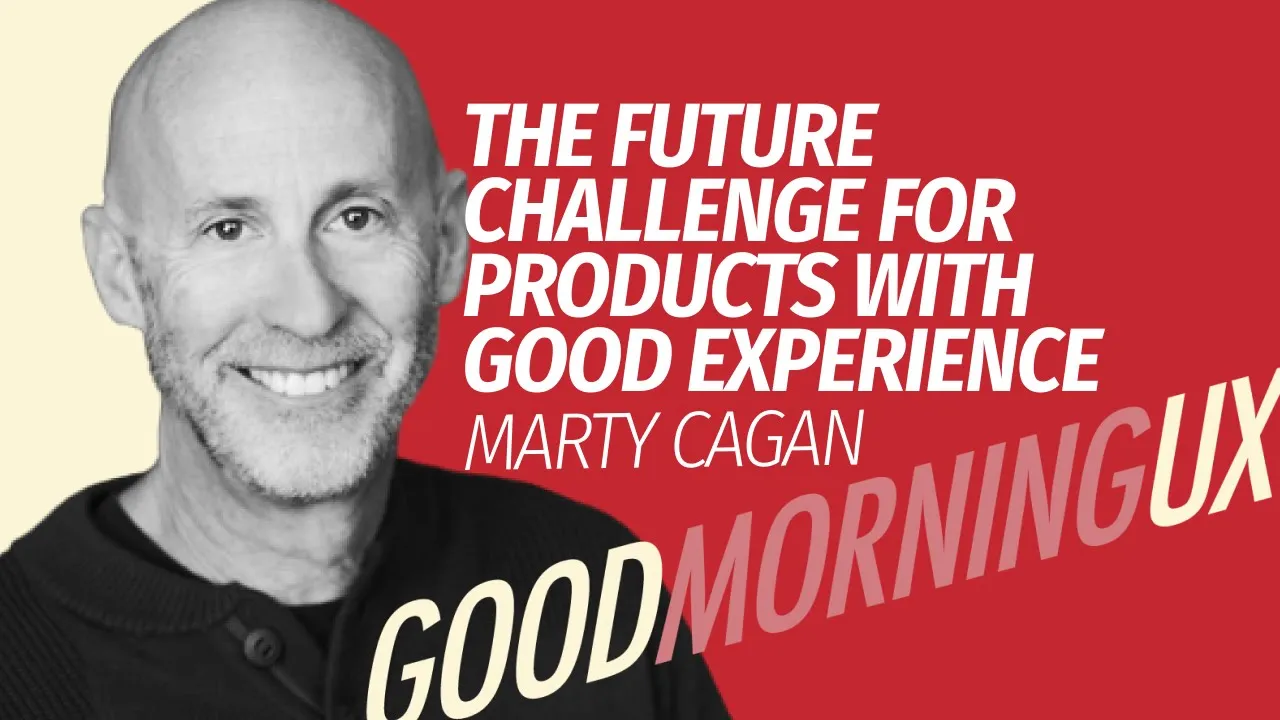
have to say again that you are a reference for us I'm very excited to be able to take a quick moment to listen to you and let our audience know a little more about the author of a book that made a difference in the industry so thank you very much to stay here with us Marty it's a great pleasure well thanks for inviting me nice and uh maybe someone Steve doesn't know you uh you and needs to know about your work and your experience can you tell us a little about your experience introduce yourself a
little bit here sure sure well I started doing Tech products many years ago right out of University my first 10 years of my career was as an engineer uh so I was writing software and then um I wanted to learn more about product and I wanted to learn more about design um and really for my whole year my whole career I have been focused on products technology powered products and my interest has always been product teams uh I'm interested in how engineers and designers and product managers work together to come up with Innovative products yeah
yeah I know that I'm very nervous here I'm sorry [Laughter] and yeah you I don't know but you make this so simple but I think your background's not so simple like this well I I uh I mean I've been doing products for a long time so um I've worked on a lot of products before and I the first half of my career was as at product companies I worked at HP I worked at Netscape Communications I worked at eBay and then for the second half of my career I just uh advise other people in many
many companies 100 over 100 companies yeah great and now you you are working as a consultor with your company yeah not really a consultant more of an advisor uh and um sometimes an investor but yes we help other companies oh nice Rafael wrote 30-ish questions right away that I'm going to control him okay so I'd like to contextualize and get started I read your book inspired in the first edition I was at I start up and it was a significant change that time first everyone wanted to apply every detail of your book to day-to-day of
the company then a few years later a new edition of inspired and translated into Portuguese I have here inspirado right now and uh and I was at a big company that time and when they discover your book there again they are again try to apply the entire Vision But Here Comes the sad part in some of these cases it didn't work out as expected you may have seen this globally in various possibilities in science but for the most part what can you see from hits and misses about an actual product vision is it the problem
of culture maturity adaptation to the ideal context or or all these options and so on can you bring us your thoughts on this topic yes well I wouldn't call it product Vision not something different product vision is what we're trying to achieve in the next five to ten years that's something different um I will tell you that I I when I wrote inspired the first edition which was a long time ago but I wrote that first edition it was meant to share the best practices of product teams mostly for the people I work with in
Silicon Valley and then um uh when I did the second edition which was 10 years later the second edition that's the one you have um that went all that went much further than Silicon Valley that went to many companies all over the world and that's great but what I learned in many of those companies was that like you said the teams wanted to work this way the problem was their managers didn't let them the managers did not they either didn't let them or they didn't know how to help them and what I realized was it's
not enough to S to share the practices of the best teams you also have to share the practices of good leaders and so that was the reason I wrote the new book empowered yes and empowered is coming out in Portuguese as well uh very soon um and uh by the way in both two two versions one in Brazil and one in Portugal so I didn't know Portuguese was that different but maybe yes like like the British and the Americans in English yeah but anyway the purpose of empowered was to help the leaders that wanted to
change understand how they needed to change too now that's I think so that's I think the biggest reason is that leaders need to do a lot in order for teams to work the way we're talking about what that doesn't address is what if the leaders don't want to change and unfortunately this happens all over the world there are many companies where the leaders don't want to change or maybe they might be willing to change but it's not the product leaders that are the problem it's the C Level that's the problem so I have a partner
that is writing a book for those people for the CEOs it's called transformed and that's a new that that will be the newest book probably the only other book in the series but um that's a hard question that's a hard one if somebody is running a big company and they you know don't want to change then well the probably not going to change especially if the CEO doesn't want to so this is um this is a big challenge that's also why uh most Transformations fail it's because Transformations happen just in the I.T part and they
don't tackle the bigger problems which go all the way up to the senior leadership yeah I saw this this complement that somehow broke the idea of leadership vertically common in control that you are writing right here so because without people from the inside out there are no products right so and how did you see the impact of the book empowered in covenants that only simulate the Strategic leadership but do not know how to deal with and generate people's motivation and the real development well I'm pretty happy with Howard a lot of people have told me
that that's what they needed they needed an explanation of product Vision product strategy team topology because there are lots of good books in fact this is the newest one it's my favorite new book um by a guy named Tony Fidel he wrote this book he's the one who did the iPod the iPhone the Google Nest device he's very good and there are many books that talk about why companies should work this way this is my favorite now but it doesn't tell you how a product organization should work uh and that's what empowered was trying to
do so I'm happy with empowered for companies which really already want to change if they don't yet want to change that's a different issue and that's where hopefully books like build there are several others like that too that are trying to convince CEOs that the best companies work very differently than the rest wow and then we we are talking about these issues it's difficult to to make the the company works as a product company but as you said this problem is more connected with the um the maturity of the leadership or the difficult the leadership
accepted this new vision of the product not it's not about the the market or the the type of the company uh the sector it's about the leadership no matter the the in your opinion no matter the the company the the type of the company is all about leadership yeah I think that's true it's um if for example the leader does not doesn't want let's say the company is sales driven today they're just it's all about sales it's not about product unless the leader wants to change that is not going to change it's just just not
going not until the board of directors replaces the leader or maybe the company it goes out of business but at some point it's it won't change though unless the leader wants to the biggest thing that causes leaders to just to get serious about product is usually a competitive threat there's a company like Amazon that decides to go into your Market into their after their customers and then the leaders often get serious unfortunately it's often too late if that's what they wait for but there's not much I don't know I I do think this does bother
me that there are so many companies that that are so obsolete in how they work but in a way that's kind of how the industry works if those companies were good if they were all like Amazon then startups would never have a chance right startups would fail because they going up against Amazon are going up against you know stripe it's hard because they're very good but but when most of the you know when so many companies are not good it creates opportunities for others look the reason Tesla is so expensive is so successful is because
the other car companies in the world didn't do anything haven't innovated for many years so good for Tesla bad for the other companies yeah this ecosystem of failures needs to exist right to that's an opportunity yeah it does it is sad because there are many people who lose their jobs many people lose money I understand that but I can't really change that is not your fault you are just bringing light and highlight for some subjects right that's right oh yeah I I have another question because we we are talking about your books and of course
your books is very very important are very important for for the markets and they they have uh made a huge difference in the industry when we talk about this uh this Vision about Prada and the new way to to manage our Industries our companies and everyone but do you I don't know do do you expected that uh was it what you expected when we were launched the the book you never know honestly the truth is um you know I've been writing about these topics for a long time but the truth is only a small percentage
of companies follow the things in the book uh and you know just to be clear hopefully you know this but nothing in in the books I've written inspired or empowered nothing was invented by me it's all all we do is write about what we see being done at the best companies I thought by now many many more companies would be working like the best companies and not because of my book but because they're the best companies they're the most successful in the world why wouldn't and there are very good books there's there's working backwards that
talks about Amazon there's how Google works which talks about Google there's no rules rules that talks about Netflix there are all these great books even if my books didn't exist I still think most people would have wanted to work like those companies but a small only only a I don't know what the real percentage is maybe it's 10 15 something like that there are there's a small percentage of companies in the world that work like the best companies everybody else is still working in very obsolete ways so I don't think my books have had that
big of an impact uh that's the reality um if you look based on that they haven't uh I don't think it's the fault of the uh the people on the in the companies it's more a fault I think of the leaders of those companies it's a good a good way to see that but I don't know but you how do you see you as um because I think the the industry or the people the product people see you like a a guru a kind of person to to follow or to to listen and I think
it's good it's a a a good achievement for your career but um before this uh after this after the book how this impact your career as well well I the book was minor I I've been um in fact I remember the first company I worked with in Brazil uh it was some it was uh which was when the internet was just starting uh they were of course in the internet enabling company so they were very early but I really liked them it was the problem in Brazil was there were very few companies that had internet
access so at the time so it was just very early but that's an example where anywhere in the world there's just you know there's great teams there today of course there's many many good companies in Brazil it's a fantastic market and many companies have created products today not just for Brazil but for the world based in Brazil I love that and so uh yeah I love to see that happening um it's been happening in China it's been happening in Australia and New Zealand and and of course all throughout Europe and so that's good you're a
mute no and uh I like I I need to to give you a chance to he has a lot of questions and I I have to send control control I ask you about the term product designer soon no go ahead yeah yeah I don't know but you you told us in the beginning of the this conversation about your interests in to know more to learn more about design in your beginner of your your career and your book kind of uh brought us this new new way you are renovate the way to to to call our
profession like a product designers because we we are we were using the term ux designers at the time but now the term product design is growing a lot and I think in my opinion it's a kind of uh um part because your book because your thoughts in your book and I would like to to know what's your view on the term product design now do you believe that these actually change the performance you are what we knew about ux design that is uh is that right right well the truth is we um you know that
we didn't come up with any of those titles in design in the Des I if you look online from articles from almost 20 years ago I was complaining about the design Community needs to make up their mind what are designers called uh are they interaction designers are they ux designers are they experienced designers are they service designers what are they make up your mind we know they're not graphic designers we know it's more than that but I was you know we were frustrated product managers weren't much better lots of titles for those people too but
I I remember saying look I'm just going to use Alan Cooper's title uh and we used his for years uh which was really interaction designer because that was the difference and so we talked a lot about interaction designers uh we got that from him over time what happened was in the design community and this still goes on in the design Community they say well you know this person knows interaction design and visual design this person knows service design and interaction design and so now we just say we and I don't one of my partners is
much more connected with the design community and the design community at least in Silicon Valley started calling use introducing the term product designer uh and so we just adopted that we just said okay product designer it's good and the reason that happened was because um in in many companies for a long time they had Specialists they had an interaction designer they had a service designer a visual designer a user researcher and the problem with that first of all in one level it's good it's better than it used to be when they didn't have any designers
now they have lots of designers the problem is there's a lot of handoffs and it slows everything down do you really want three or four designers to work on a product team that's not very scalable it's very expensive and so many teams in Silicon Valley just said look we are going to have one kind of designer most of the time and that person's called a product designer and that person is skilled at least in interaction design they usually also are trained in service design they're also trained in visual design uh and they're certainly there's training
and user research but they're primarily this interaction designed product designer and we're going to do things like Design Systems to automate the visual design side to help a product designer be more efficient that's just kind of the the current Trend in there um I I I think it's good I don't mind it at all we're just sharing that though we're not trying to influence that the only thing I would say we try to influence is you need a real designer on your product team so we tell a lot of CEOs that you don't have real
product design you need real product design because in a lot of CEOs they think somebody that does graphic design is a product designer and so we have to explain the difference um similarly and this is a problem in different parts of the world more a problem it seems in Europe but you know some places say oh product design good you have that's good but you don't have a service designer you need a another person that's a service designer and like no product designers are trained in service designed too we don't really need to there's one
so we are trying to um we're trying to encourage companies to have these strong well-trained product designers just like we try to encourage companies to have a strong Broad tech lead engineering and a strong broad product manager we we liked that so we're trying to encourage more people to do it but you know there's that's where it came from it's not these are just Trends in the industry that we're we're just spreading around yeah I understand your point you provoke it and instigate people to think and walk on their own feet right but of course
people don't always interpret or go beyond they get the information okay this is the rule right now I will follow that right this is a problem yeah now you're getting this is actually a very general problem in the industry it's too many people in my opinion too many people want a recipe they want a process they want to step one step two step three and I keep trying to explain that that is not how good product works good product is about thinking it's really about thinking it's more about principles and I tell people all the
time if you want a process there are lots of processes out there most of them don't work but if that's what you want to do go do it but I say good product teams don't believe in that that's not what they do they think there's a great quote from Elon Musk which is the problem at big companies is that people use process as a substitute for thinking and unfortunately I think he's really right I see the same problem Steve Jobs said the same thing the pro he called it the disease of process people so it's
it's understandable you know somebody oh this is new I've never done this before my manager can't help me somebody tell me what to do somebody give me a Playbook somebody give me a recipe and it's just not a good way to start I think it's much more helpful to spend the time with that person to teach them the principles and then to teach them to think yeah it's more important to understand the the basis of the the knowledge not a kind of framework the Frameworks and are good in some some occasions but sometimes I see
the Frameworks the recipes being used like uh I don't know a mask for our Gap so our weakness that's right and yeah and it's a it's very very um I don't know but very worried because uh we we can still working in a wrong way and even don't know about that because the recipes because the Frameworks and because that we can deliver it something not so good I suppose and also it's it it's ironic but it slows things down a lot because people think that when they they pick a framework really any one of the
Frameworks and those Frameworks try to handle everything and the result is they for most things it's too slow for most things there are steps you don't need to do for most things it's a waste of time and many CEOs look at a team trying to do a simple you know that should be doing a simple thing and they've made it so complicated why they're not thinking they're just following a recipe and they're not thinking they're not you know I say look let's spend just two minutes thinking about this how important is this how big a
risk is this what happens if you get it wrong if it's not a big deal just build it and go it's like you have to use your you know use sense common sense or helping companies because probably you I don't know you faced it all the time this this type of behavior it is difficult to accept this new way to to figure this new way when you think in truth because it's difficult for people to to stop to to do the same thing they they have been doing a long time that's right yeah so it
changes hard for people and that's what it is it's just change uh and especially if they you know let's say you worked in an old Brazilian company that has worked the same way for 50 years and that's where you spent the first several years of your career and they do things their way and then you go to a startup which is really the opposite and you know you're probably going to be very confused you're going to not see all the things you're used to and you're going to have people that are just saying go out
to your customer figure out what they want build it and you've never worked that way before so people go through this all the time not just in Brazil I mean everywhere and so I think the most important thing for helping somebody learn is is coaching because that's what we're talking about somebody find somebody that's what I tell everybody that reaches out to me if they're they want help said find somebody who knows how products are built good products are built and ask them to teach you uh or better yet work for them work for them
and they then they that's their job to teach you how to do this but that's really how most good people learn yeah we saw this in agile manifest the industry says let's apply a joy in everything squads or Spotify model but nothing works because of this lack of thinking right yeah well people people when they see agile they focus on the process they don't focus on what's important and a lot of companies today follow the agile process but don't get any of the benefits it's crazy but that's the reality and that's because they don't understand
what the real principles are and what is important and what is not it's much easier to gravitate towards process than it is to uh to deal with the real harder issues and talking about the importance of thinking what is the next step to empower people and create successful products do we do we have to prepare it for the new phase of that it's just thinking what what are your thoughts about that well moving to if if a company is feature teams which unfortunately most of them are um and they want to but let's say the
company does want to change and become like the best product companies in the world I use the label empowered product teams to describe how I see these companies working and if they want to make those changes there's really three kinds of changes that the company has to do and they're all significant the first one we were kind of talking about already which is if they're not already reliably frequently releasing product changing how you build is critical right they need to get to the point where they're releasing every week for example if they're still releasing once
a month or once a quarter I don't care if they call themselves agile they're not agile at all so they need to get that out of the way um and you don't need to be agile for that you can do continuous denigration continuous deployment and not be agile at all but you're much more agile than a company that thinks they're agile right that's the difference so that's the first thing the second thing you need to build skills in is figuring out how to solve hard problems because now if you're an empowered product team you're not
handed Solutions anymore on a roadmap you're handed problems to solve so you have to figure out how to solve those problems which obviously is thinking but it's also skills you know you need skills you need to learn how to do product discovery uh and that's the second big topic and the third big topic is how do you decide which problems you need to solve that's uh the more fundamental topic this is often involves your leaders there are always a lot of opportunities in front of every company there are many threats and the company has to
decide which opportunities are they going to pursue which threats are they going to take seriously and that's the third area that's what where product Vision comes in that's where product strategy comes in again a lot of skills um so these are the different kinds of skills that's needed for a company to become a strong Product Company sometimes companies in fact very often when I meet companies they have already one of those three they usually know how to do frequent continuous deployment so that one is not a problem in a lot of companies in other companies
it's still a big problem so for example in companies that are following ridiculous processes like safe they're not releasing frequently they they have the first issue they have not addressed so but most you know but most decent companies have figured that out 20 years ago it's not that hard uh and so then they'll work on the other two items but that's what's involved and those you know that's not easy like we said it requires the CEO it requires support from sales and marketing and finance and legal so they have to help too but fundamentally it
means real product managers real designers strong Engineers all working together so back to the importance of people right caring for people When developing collaborating and thinking so it is an excellent mission for leadership for the next step right right I think the leader's biggest responsibility is Staffing and coaching it's developing their people to be strong um and a lot of leaders don't do that unfortunately that's not enough though in addition to coaching them you also have to provide that common product Vision that North Star they have to provide that uh product strategy they have to
decide a team topology so the leaders have a big job to do a lot of people think that moving to empowered teams means leaders don't have anything to do and it's very much the opposite in good product companies the leaders do much more than they do in feature team companies be Richie do you have some yeah yeah I would like to come back enjoy the moment please I would like to back another uh subject when Marty uh told us about the the I don't know the behavior to follow some recipes of Frameworks because recently we
talked in our uh another show not another the boundary wax the Portuguese version for this show we talked about the uh the nisunders thinking about the diagram the diagram business users and technology and how these create a kind of battle between these three um roles product managers designers and engineers and I think it's uh it's happened because we are so focused on the recipe the the process the framework and because that this framework says to me I need to defend to to fight by my my point of view and my view is about engineering not
about design AI not about products and I would like to to know um in your view where are you where are we going wrong or do we misunderstanding this in your opinion yes well first of all that diagram is not that bad there's way worse diagrams um however I don't think it's very helpful for the reason you do so I never you you won't find that diagram or anything like it in the inspired book you won't find it in the empowered book I think those actually hurt more than help in terms of people really understanding
these things so forget Frameworks forget diagrams for a minute let's just what I try to say is look when you're building a product there are always four risks four risks you have to worry about if your customer is going to buy it you have to worry which is value risk you have to worry if the customer can figure out how to use it that's usability risk you have to worry if our Engineers can build it that's feasibility risk and you have to worry about that our company can support it in other words support it sell
it Market it Finance it monetize it you know service our customers and that's business viability risk so those risks we don't really control we just those that's the world that's the reality we have those risks now what we can do is look at what we're trying to build and ask ourselves where are the worst risks where are the most serious risks and then based on where they are we can tackle those risks we need three skill sets in order to tackle those four risks we need product management skill sets design skill set and Engineering skill
set and that's why we have a cross-functional team we need those skill sets obviously the engineers care most about you know are going to be ultimately responsible for feasibility our designer is going to be ultimately responsible for usability and our product manager is going to be ultimately responsible for value and viability however what we're trying to do is work together to figure out a solution that's valuable usable feasible and viable and that is a lot of back and forth a lot of give and take and that's what you're trying to encourage could you show that
in a diagram ah sometimes people try all the time and they show me their diagram and I say well here's what this doesn't say here's what this doesn't say or this implies so I I think sometimes it makes it worse than better yeah if the people don't want to think if you show a diagram no matter because they do not want to think and right when when we when we didn't think nothing matter and a good example of that is there are a lot of designers that think because of diagrams like that they believe that
it's their job to defend the user you've heard this and like the product manager hates the user like the engineers hate the user it's like what are you thinking no all of us are there to try to come up with a solution that our users absolutely love and by the way the biggest con contribution to that is not usually the designer and it's not usually the product manager in the best product teams It's usually the engineers uh that are actually coming up with the best solutions for the users so does that mean you know that
the engineers don't care about user of course not just like is it the product managers the only one that cares about the business of course not it's just that we all have different knowledge areas that we have to bring to the team so you don't want anything that encourages say a designer to think their job is to defend the user if they have to defend the user to the rest rest of their product team that team and that company has some big problems yeah this company has problems with hiring people probably I mean it's terrible
it's all backwards and you know where did they get that in their head I don't know um could have been one of these stupid diagrams so yeah yeah process silos and lack of thinking silos is a big part of it for sure you know it's um if if that's how you want to think a design as a silo I think design is much too important to be a silo they need to be right there in the room where it happens when decisions are made not in a silo but but the designers need to to be
prepared for that to to stay in this moments to the sides something about oh they have to be a first class full-time member of a product team yeah yeah that's why we don't like to set up design is what's called an internal agency where every once in a while a product manager will come to a design team and say we need some help on design yeah that's not useful what's better is the designer is right there with the customers with the engineers seeing the problems trying out the ideas and really coming up with a good
solution yeah yeah I I see a lot that design has the role to connecting silos within companies I think we have we have this Mission bringing the user Vision uh uh but working to broke These Walls Within companies well the whole idea of a product team is a cross-functional thing right it's product design and Engineering so product teams don't work for design they don't work for engineering they don't work product they work together where each member has a boss of course but they're together they're a team a cross-functional team or Spotify calls them squads but
that's the idea it's not um it it not there are no silos because that's why we make it a cross-functional team and by the way we've been doing that for more than 20 years this is not a new thing yeah totally totally walking to the end can you give us a hint what is the next book going to be well though we hope the next book is called transformed which is aimed at how do you change a company and that's my partner Jonathan Moore is uh the primary author on that and the rest of us
are contributing but um and I've read I've reviewed some of the early chapters and I think that it's going to be a very good book but just so you know recording you know creating a book is a very big project and it takes a long time so uh so it'll be at least a year until that book is out yeah we we we know about that we try to we are trying to to launch two books and it's a lot of job to do yes it is yeah so I'll I'd like to invite you to
come back one day and talk again about your content and the new book please yes I I think that would be great looking forward to having that all right thank you so much Marty yeah so much it was a conversation that I I could listen for many hours because it was a great class for us like I said your reference uh we are very excited to to get this moment with you so thank you very much for your time well thanks for inviting me good luck with uh your show and uh good luck to everybody
listening yeah thank you and I'm sorry for anything uh I don't know many questions the terrible question talking a lot by my English too I'm sorry oh perfect all right all right thank you bye bye thank you foreign [Music] like I said he's a reference yeah yeah I read his first edition and the second edition so I'm following him uh and his content a lot so I have empowered I have his pirado inspired inspired he's a great helper and I think he brought [Music] good points and provocation right yeah he was provocative we could start
some good subjects and to I don't know we uh we have summed off these points opened yet but but we can bring this again another time but it's what's very very important because all these subjects was um not worse is are very very important for us today yes and I think the summary of this conversation is we need to think like he said the lack of thinking so learn think more exactly it's very difficult very very difficult yeah I think it not just about Mark Kagan and what he wrote but all authors that we brought
here uh in some way they provoked right they they deliver something to think about not just to follow just to apply everything you have to think in right okay I will try to understand the context and try to apply some way in my context not only uh in the Box so I think what he brought today for us it's something like that okay and and I suppose Rodrigo we are creating a kind of web of subjects web of um yeah talking about yeah talking about good morning yeah you're right yeah yeah we are creating this
because we had a good conversation with app covert when we're talking about flows information architecture and we will talk again with her about this new her new book stuck talking about diagrams and these things and we had a good conversation with oh my God I forgot the the name uh Jason mask suit yeah Jason we talked with him about brain words canvas for leadership right yeah I suppose we have here a good told us about uh the empathy to listen and now Mark Kagan sucking about okay people you have to see the the people who
work for products listen and and Improvement so I think everything is connect and I'd like to ask you our audience to suggest new names yeah new new guests for products for tech for design so comment here not just American or British people around the world yeah yeah we we want to talk with people for every place in this globe I like to I would like to talk with uh I don't know a Japanese an Australia we had so so many people so many good designers around the world and you can help us to to priori
prioritize the names to choose the names send us in not our comments here yes and I have to ask you again subscribe the channel click in the red button like the video share the video please share we need we need your help to share our content and to make us more I don't know more no more no in the industry especially outside of good friends here say eagle yeah yeah we are more familiar with the subject uh for different countries oh no no no no you are crazy we said that we are crazy but you
are crazy I am Okay so thank you for you thank you to what watching us and that's it thank you for your comments oh no no uh yeah okay yes yeah yeah yeah that's it okay so I see you on the next one good morning wax bye bye [Music] oh [Music] [Music] what's up [Music]