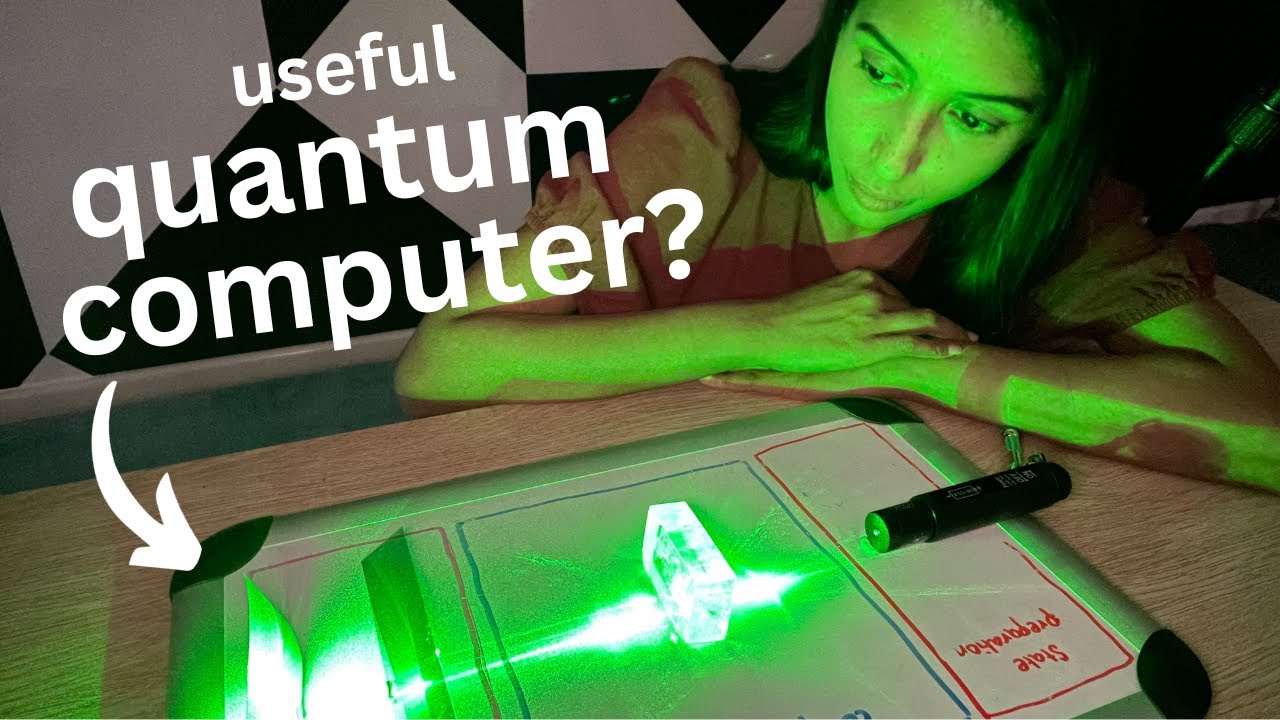
Imagine a computer that could solve the world's biggest problems. A computer that could simulate novel materials, to help sequester carbon from the earth's atmosphere, or help us develop new low-cost fertilizers that require less energy and less fossil fuels to produce. Now, there isn't a conventional supercomputer on Earth capable of solving these problems, but quantum computing is a new form of computation that harnesses the power of quantum mechanics and is expected to solve problems beyond the reach of today's classical computers.
With this nascent technology, we aim to create a supercomputer that seamlessly integrates quantum and classical power together, the same way that today's computers integrate both CPUs and GPUs. We call this quantum-centric supercomputing and our vision is to build a 100,000 qubit quantum-centric supercomputer by 2033 so that the world can start tackling its biggest problems. This system will look nothing like the quantum computing that we have today.
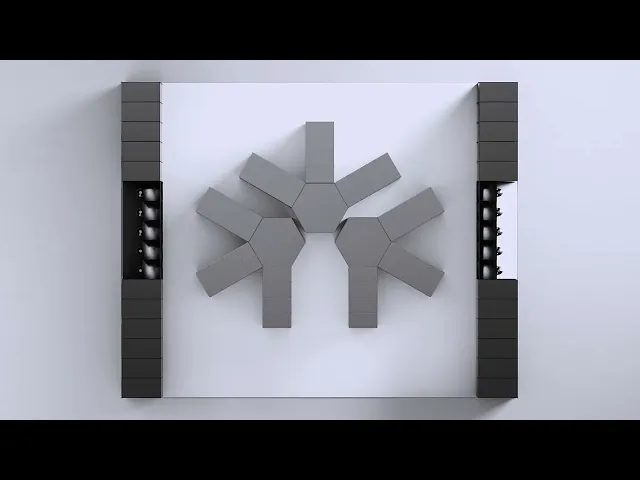
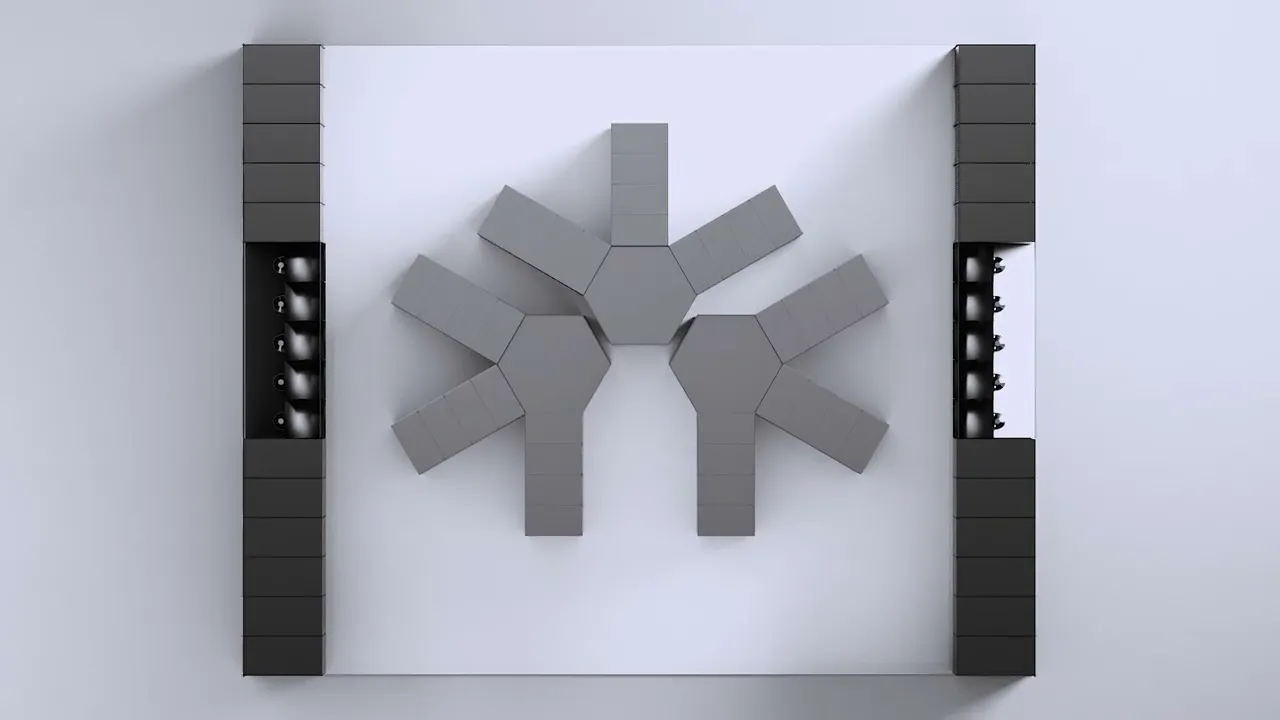
To achieve this kind of scale and power, we need to develop more advanced engineering, further research into fundamental physics, and push at the very edges of computer science and quantum information theory. We have a lot of work ahead of us, but we already have the first building blocks for quantum-centric supercomputing. It's called IBM Quantum System Two.
We shared our designs for it in late 2022 and we're planning to share our first working system in 2023. By connecting multiple Quantum System Twos together, we plan to create systems of many thousands of qubits, but to continue on the path towards 100,000 qubits, we'll need to work hand-in-hand with the world's finest academic institutions, research organizations, and enterprises. So we're proud to announce that the first partnerships in our journey are with The University of Tokyo and The University of Chicago, both leading institutions in the fields of quantum computer science, quantum components, quantum algorithm design, and quantum communication.
Together, we are taking the first steps to make 2033 the year of quantum-centric supercomputing.