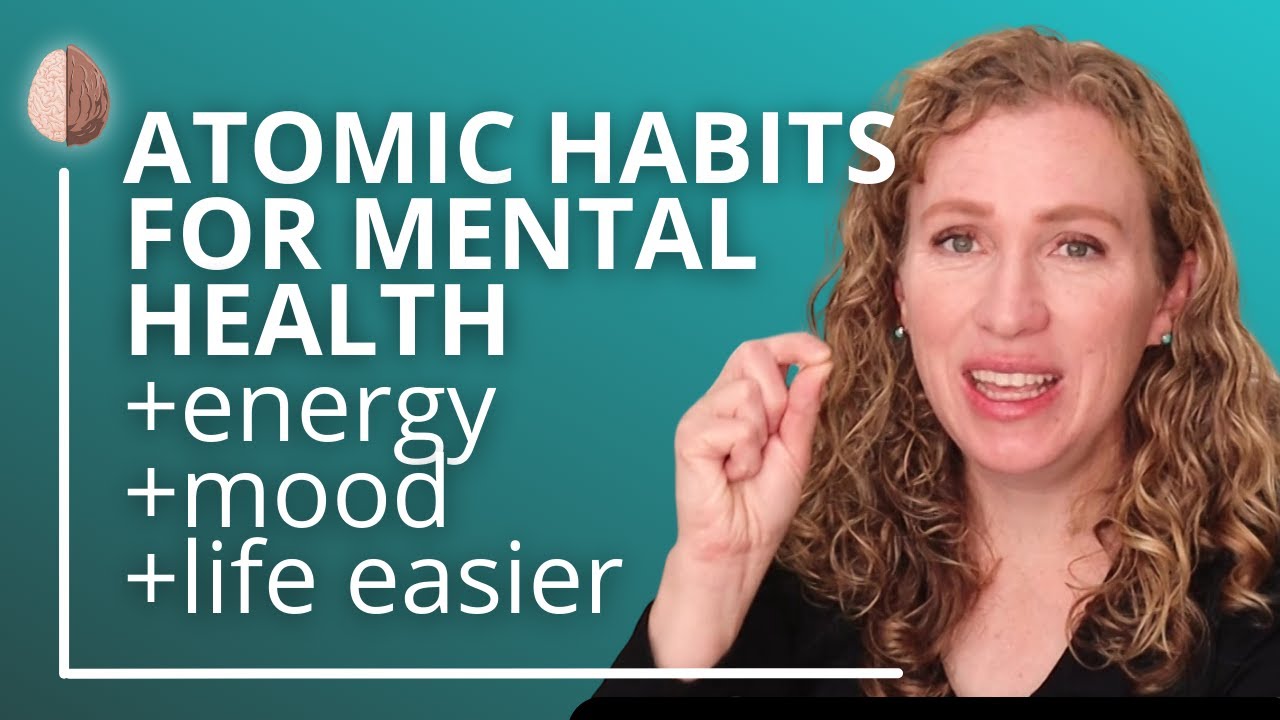
Hey everyone, and welcome to TopThink. Today, we will learn 12 Daily Habits for Mental Wellness. Now, let’s begin.
How are you feeling? In the hustle and bustle of daily life, it’s smart to do an occasional check-in with yourself. Are you truly connecting with others?
Prioritizing your own wants and needs? Stress and anxiety can sneak up on us when we least expect it, wreaking havoc on our physical wellbeing, our relationships, and even our career. Maintaining your psychological wellbeing isn’t just good for your soul – it also ensures that you are able to function in all other areas of your life.
Mental wellness is a constant journey, as our daily activities and interactions will constantly take a toll on it – for better or for worse. It’s a gauge that always needs to be checked and adjusted. And remember, what works best for you personally may change over time.
But there are a few well-established tips for making sure you stay on an even keel. So without further ado, here are 12 daily habits for mental wellness. 1.
Connect with Loved Ones Work, hobbies, and interests can keep us entertained and occupied every day, but it’s our relationships that give our lives true meaning. If you’re looking to increase your daily mental wellbeing, try investing in your relationships – with colleagues, with friends, with family, and with your community. Connecting with someone you care about will instantly and naturally boost your mood.
And deep conversations with those who understand you best can help you process your feelings and find clarity. It can be hard to carve out time to socialize, but it’s so important to make the effort to do so. Quick phone calls, emails, and texts can help you stay connected.
Drpping a handwritten note in the mail is also a lovely and intentional way of showing you care. If you think you’re too busy to see friends, try inviting them along to do errands with you or meet up over a quick cup of coffee. 2.
Prioritize Your Alone Time While investing in your relationships is key, so is making sure you have ample time to yourself. It’s easy to get so caught up in the daily grind, surrounded by people who need your time and attention, that you may find yourself with precious few moments alone. But it’s so important to be able to have at least a few quiet minutes to think your own thoughts, connect with your emotions, and do a personal check-in.
Carve out time in your schedule for a daily walk – think your thoughts, or listen to a podcast or music that is special just for you. Read a book, watch your favorite show, or enjoy a creative pursuit like coloring, painting, or crafting. Doing something easy but meaningful while alone can help coax your mind into a flow state where it can process complex feelings and start to decompress.
3. Celebrate Small Wins Life is short – enjoy it! It’s OK to throw a little party for yourself when something goes right, no matter how small.
In fact, by celebrating small wins, you can keep up your spirits and give yourself the motivation to strive even further toward your goals. You can even apply this strategy to your other mental wellness goals in and of themselves. For example, if you’re trying to amp up your exercise routine, start small: aim to exercise just 10 minutes per day.
After one week of successful 10-minute workouts, do something nice for yourself as a reward! Get a fancy cup of coffee, take out that book from the library you’ve been eyeing, or buy yourself a fun new exercise band that will help you take next week’s workouts to the next level. 4.
Organize Your Space A cluttered environment can lead to a cluttered mind. You end up distracted by mess, have trouble finding things, and can feel stress, regret, and even guilt about all the cleaning up you have to do. Taking a few moments a day to keep your home and workplace organized can do wonders for your mental health.
Gather loose papers and recycle anything you no longer need. Put loose pens and clips in a cup or drawer where you can easily access them. Dust and vacuum so things look shiny and new.
Fold clean clothes and put them away, and gather all dirty clothes into a laundry basket out of sight. Make use of all available space. Set up a box for items you can re-gift or donate.
5. Read a Book Reading is a wonderful habit for mental wellness – and there is science to prove it! A study from the University of Sussex showed that silent reading for as little as six minutes per day can reduce your stress levels by as much as 68%.
While reading articles can certainly keep you informed and entertained, a regular habit of reading books is even better for your mental wellness. Books engender empathy, allowing us to experience another person or character’s perspective. They also spark our creativity and imagination.
And escaping into another world can help us get outside ourselves and own troubles, promoting relaxation and even better sleep. 6. Enjoy Healthy Food Eating a healthy diet doesn’t just help your body – it’s also good for your mind!
Knowing that you are putting good nutrients into your body can reduce feelings of anxiety or guilt about your physical health. And a healthy diet can boost your energy levels and mental acuity. Develop a diet rich in plants, lean proteins, healthy fats, and whole grains.
Make sure you eat regularly. Skipping a meal can lead to irritability or distraction. Don’t just eat your food – enjoy it!
Taking the time to prepare, serve, and eat a delicious meal is a form of mindfulness. Try to limit your caffeine consumption, as too much can make you wired and anxious. In fact, it’s best to enjoy most things in moderation.
That said, don’t forget to occasionally treat yourself too! 7. Listen to Your Body It’s easy to get caught up in the hubbub of daily life – so much so that we might ignore our own needs.
As the popular saying goes, “the body keeps the score. ” While it’s smart to have a routine and follow a daily schedule to minimize stress and give yourself a sense of control, you also need to stay alert to the messages your body is trying to send you – and act on them when necessary. Make sure that no matter how busy you are, you are still keeping up with your basic needs.
Eat regular, nutritious meals. Get enough rest. Get up and stretch if you’ve been sitting for too long.
And remove yourself from a situation or conversation if it’s getting too upsetting or stressful. 8. Commune with Nature Spending a few minutes outside every day can do wonders for your mental wellbeing.
Studies have shown that spending at least two hours outdoors per week can lead to a higher level of psychological wellbeing. Enjoy the beautiful world we live in. Take a walk, notice the intricacies of the trees, observe the night sky, and literally stop and smell the flowers.
The enjoyment of the great outdoors can be incorporated into some of your other wellness habits. For example, you could plan a hiking trip with friends. It’s outside, it’s exercise, and it’s best enjoyed while connecting with people you love.
9. Move Your Body Daily exercise is a great way to boost your mental wellbeing. A little bit of movement can relieve stress and send the happy hormone oxytocin flowing to your brain.
Stretching, cardiovascular activity, and simple weight training are all smart activities to incorporate into your daily routine. Try a daily walk or bike ride. You can do it even if you think you don’t have leisure time.
Rather than drive to your appointments and errands, walk or bike instead. Learn a new yoga routine through a free online video, or try playing a pickup game of basketball. 10.
Take a Break When we are super busy – professionally and even personally – it can get easy to get stuck in a cycle of activity that ultimately leaves us overwhelmed or drained. Make sure you build regular breaks into your daily schedule. Many people swear by the pomodoro technique, which consists of doing focused work for 25 minutes, followed by a five-minute break.
After four blocks of this, you can treat yourself to a 15- to 30-minute break instead. This allows you to maximize your productivity without burning out. 11.
Live Mindfully Living fully in the present is a beautiful pathway to mental wellness. Avoid focusing too much on regrets of the past or the anxious unknowns of the future. Instead, develop a daily mindfulness practice to keep yourself emotionally and physically grounded in the here and now.
There are several easy way so incorporate mindfulness into your daily life. Yoga, journaling, and meditation are all beneficial practices. You can also make a daily gratitude list, and try to limit unnecessary material consumption.
12. Stop Scrolling You heard that right – it’s time to put the phone down! If you spend any significant time with a smartphone, you probably won’t be surprised that it’s doing nothing for your mental wellbeing.
This technology has truly transformed our society in some ways for the better: in terms of opening communication pathways, teaching us new things, and keeping us entertained. But its omnipresence in our daily lives can make it addictive. Using social media can help you maintain your relationships, but it also feeds you an idealized version of other people’s lives, leading to feelings of dissatisfaction and FOMO – “fear of missing out.
” Don’t rely on it too much to compare your real life to someone’s online portrayal of their own. Plus, the constant notifications from your phone can interrupt your train of thought and lead to a feedback loop of dependency and gratification. And the blue light from your phone interrupts your circadian rhythm, the sleep cycle that ensures you are well-rested.
In other words, don’t be afraid to unplug every once in a while. Thank you for watching TopThink and be sure to subscribe because more incredible content is on the way.