want the best interval workout want to improve your V2 Max the most do the Norwegian method that's what all the influencers and podcasters tell us that's what health longevity Guru Brian Johnson does 4x4 minutes it's the key you don't need anything else all right stop listening okay you know me if you don't get ready to we're going to break it down we're going to tear this apart and I'm going to show you that 4x4 minutes is kind of a fine workout it's okay but there's nothing special about it in the research around it has been
misunderstood and miscommunicated so let's start with the research itself let's go back to where the 4x4 minute came from so there's a long history and running to doing similar workouts 4 by mile comes out to a little bit longer than 4x4 minutes for most college to Elite athletes for slower athletes for 4 by K or 4X 1200 is a traditional workout we have fart lcks that are similar running back 100 years it's okay it's fine but what happened is some Norwegian researchers in the '90s and into the 2000s started to test this workout in novices
and moderately trained individuals to see hey can this improve their performance this really got its jump when a bunch of researchers are a couple researchers in Norway in 2007 published a paper they compared the 4x4 minute method versus three other styles of training and we're going to break this study down because it's important here so what were the styles of training okay first we had the 4x4 minutes which was 4x4 minutes at 90 to 95% heart rate Max with three minutes of rest in between traditional workout okay the other ones long slow distance so they
spent 45 minutes at about 70% of heart rate Max so a easy run second one lactate threshold training so they'd spend 24 minutes at 85% heart rate Max and then the fourth and final one 15 on 15 off which is essentially repeating 15 hard in this case 90 to 95% heart rate and 15 easy for well in the research they repeated this 47 times okay so very short interval moderate interval 4x4 minutes like longer lock threshold steady and then long and easy and what the research showed is that after eight weeks where they repeated this
training East grp repeated the training three times a week the 4x4 minute group improved their V2 Max the close by I think a little over 7% next was the 15 on 15 off which was a little over 5% and the lactate threshold and the Long Easy runs had negligible effect so no real increase in uh V2 Max lactate threshold and running economy improved in all groups so what's going on here do we get to declare 4x4 is the best no because we have a couple problems here okay and this is frequent in the research first
there was no real performance standard so no run a race see what your maximum performance is it was all physiological parameters which is a problem because performance is often the best indicator of Health longevity and it's what most people care about okay second andol is in research when we look at interval we have to essentially ma match the load so lot match the volume intensity combination now there's a number of different ways to do this researchers did it one of the traditional ways here looking at our heart rate time spent Etc but what we find
here is when we match the load it shifts us from how we typically do things in the real world why because no one's doing three times three 45 5 minute easy runs in the real world comparing it to three hard sessions in the real world three hard workouts a week it's just not how it's done it divorces it from reality yes it isolates the variable but in isolating the variable it doesn't give us a sufficient stimulus to respond because it takes more easy running than it does comparatively hard work or meet more easy sessions than
it does harder sessions third and not to nitpick but no one trains eight weeks in a row of the same workout over and over again again divorced from reality and then finally the reasons that we see the 4x4 minute group increase VO2 max the most followed by 1515 is that they're specific to that adaptation if we look at V2 Max what is it depending on the athlete is roughly running or training at around 3K Pace or 2 Mile Pace somewhere a little faster or slower depending on the level of fet but that's the kind of
pace that generally elicits the V2 Max response okay what do we have when we have 4x4 minutes it's essentially 5K down to 3K Pace depending on the a it's specific if we compare that to 15 on 15 off what we realize is that is a traditional kind of Veron vinique bot workout which will elicit V2 Max because the pace is fast enough okay and the recovery is short enough where we stay at V2 Max for a significant length of time now they probably could have optimized this workout a little bit better by having them go
harder because it's only 15 seconds so one of the benefits of this workout is you don't stick at 5K Pace or heart rate or what have you you're able to go a little bit hard because it's only for 15 seconds okay and you have equal recovery so the point is what is this research tells us specificity matters if you want to train and Target your V2 Max you're best doing something specific we've known this for a really long time but what this training neglects is that everything around it contributes not only to your ability to
do that workout but your ability to perform holistically the this is why we periodize training okay now if we look at the other research that has compared V2 Max and there's been a lot have looked for the optimal interval intensity to increase V2 Max most of them suffer from the same problems they compare 4x4 minutes to 8 Minute intervals to 1 minute intervals to 30 second intervals to variation of it and what we find time and time again is that basically the specific the one that is specific to the PACE or effort that elicits V2
Max tends to do the best again V2 Max elicited at about 3K pace so what do you find what Jack Daniels found 40 50 years ago is it intervals that were 2 3 4 minutes in length at appropriate Paces again 3K Pace or so did the best job it's not rocket science it's specificity but here's the problem when it comes to intervals is not just the pace that is specific but the modulation of all the variables so this is why the 15 15 work workout worked almost as good okay because if we manipulate the rest
in the distance in the pace we can elicit V2 Max for example or lactate threshold or whatever you want to call whatever parameter you're after depending on the mixture for examp for instance this is why Norwegian athletes like the Inger britens often do some of their lactate threshold training with 400s that's right 400 repeats not long 20 minute sessions or tempos 400s why they take a page out of the famed Hungarian coach mahali igoy shorter intervals not so fast with really short recovery so if you're doing 400s in let's say 70 seconds or 68 seconds
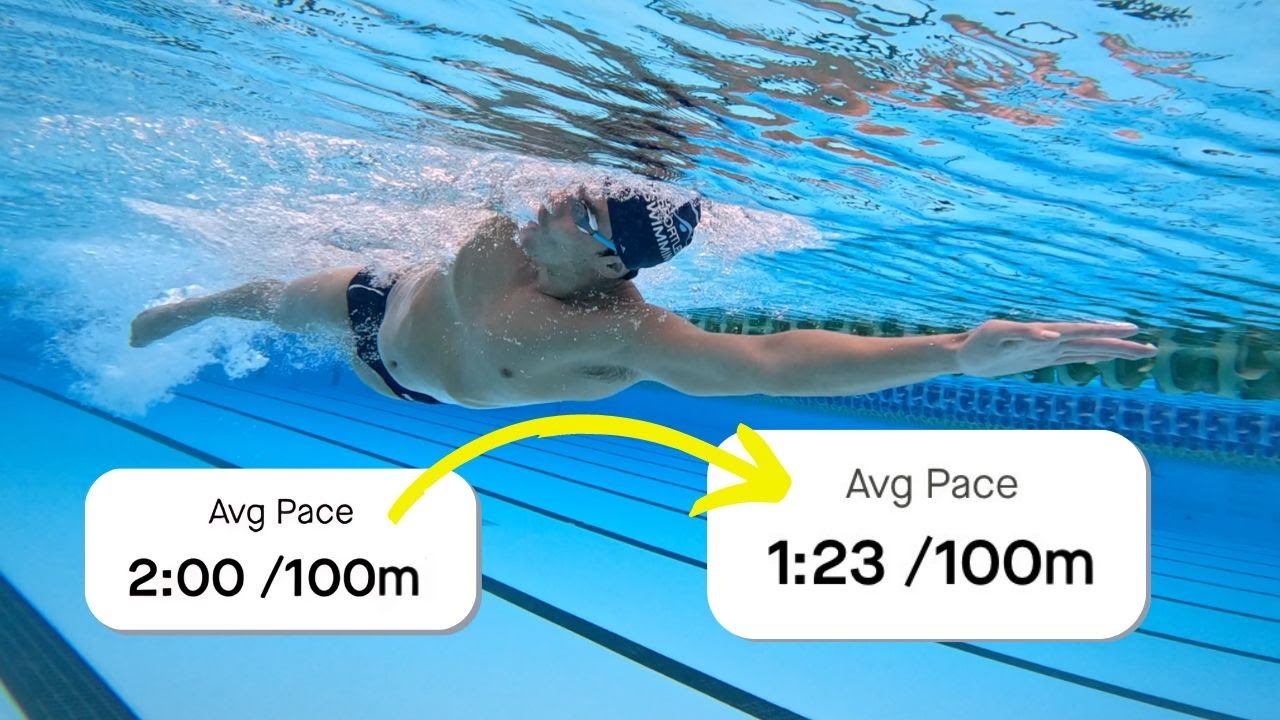
with 30 seconds recovery you can be at around lactate threshold for those guys it's what swimmers do right swimmers don't go hey I'm going to do 20 minutes at lactate threshold they do sets of hundreds with short rest or 200 swis short rest how we manipulate the variables matter and that gets me to the last point when it comes to this Norwegian method whenever you think there is a magical protocol it's 4x4 minutes that's it guys don't change it everybody repeat it week after week after week what happens and what we know is that we
adapt to the stimulus applied and we adapt in the direction that we apply that stimul so if we think the magic is in the protocol 4x4 minutes with three or four minutes rest depending on the protoc call you subscribe to what happens is our only Avenue of adaptation is to run that workout faster so I'm going to use distances instead of minutes because it makes it easier to understand this but it's saying I'm going to go 4 by mile every week sometimes two or three times a week because that's what influencers do don't do that
don't do it three times a week okay back to On Target if I do 4 by mile with 3 minutes rest every week first week 5 minute I run them at 5 minute pace the next week 455 the next week 454 next week 452 I'm getting a little faster I'm going to stagnate at some point okay it's just going to happen why my body's going to adapt in that direction and then the kink in the pipe to get faster is going to change this is why the magic is not in the the protocol it's how
you manipulate that What If instead of hey my only path is getting faster I manipulate the variables I say I'm going to extend my endurance my specific endurance so instead of 4x4 minutes at 5 minute pace I'm going to go 4X 430 or 4X 5 minutes or 5 minutes 5 minutes 4 minutes 4 minutes for my intervals what have I done that I've challenged my body to adapt in the direction of extending my specific endurance same thing I could reduce the rest instead of 3 minutes rest I'm going to take 230 rest what am I
doing I'm challenging my body not in the pace or intensity that I'm running but in my ability to recover and adapt in those 2 and a half to 3 minutes leads to slightly different adaptation similarly I could increase the speed or shift the speed I could change the intervals I could go if I'm stuck in can't go faster I might go from 4X 4 minutes to 6X 3 minutes why because I can run a little faster at 3 minutes segments which might again give me the stimulus to break through that kink in the pipe I
might need to go longer and a little bit slower this is where you bring in other intensities why because that kink in the pipe might be my aerobic endurance alternatively I might have to go faster and shorter for intervals before I come back to my V2 Max work that's why we do speed training to make that V2 Max work a little easier to make that 4x4 minutes at 5 minute pace feel smoother in all the physiological underpinnings underneath so here's the point there is no magic protocol there is no magic workout there is no workout
that will increase your VO2 max more than another it's how you manipulate the workout to get the desired stimulus to give the adaptations if you want to increase V2 Max guess what you're going to have to spend a lot of time at or around V2 Max but guess what if you just did that you're not going to increase V2 Max to your maximum capacity because you're going to need a lot of easy running that provides the cardiovascular and aerobic physiology back background things like mitochondria density things like aerobic enzyme utilization and aerobic enzyme quantities that
allow us to maximize the stimulus when we train at that faster Pace at BO2 Max same with lactate threshold same with anerobic capacity same with speed reserve it all matters it all intertwines it's why training is simple but also complicated that's why I'm going to have a lot of videos and already have a lot of videos explaining the Nuance of trading because if it was simple everybody would do the same thing and they don't so the bottom line is this if someone tells you this is the best workout for X Y and Z ignore it
it's not why because it depends on the stimulus that you're trying to elicit and how you manipulate the variables will change the stimulus there's also individual it 4x4 minutes for someone like me who still at the age of 40 can run I don't know a 420 or maybe a little faster mile is going to be a different workout than someone who has 4x4 minutes who best mile time is 6:30 the demands shift and change got to be aware of that so again the point is understand what you're trying to accomp get the right stimulus for
that going to have to experiment a little bit and then manipulate the variables to progress in the manner that you desire or see fit sometimes that's going to be extending the interval sometimes it's going to be shortening the rest sometimes it's going to be getting a little faster sometimes it's going to be doing something completely different to get rid of that kink in the pipe or offer the support so you can do that quote unquote V2 Max workout better so don't listen to people who tell you this is the key workout and especially don't listen
to people who tell you to repeat it over and over again for weeks and months on end you've got to vary things up this is exercise science 101 so let's bring it home by simplifying if we actually want to increase V2 max if that is your goal for whatever reason it is I'd also suggest you look at our V2 Max video that I did to see if appropriate goal for some it is for most probably not but anyways if that was the case what would you do there's two paths here what we need to do
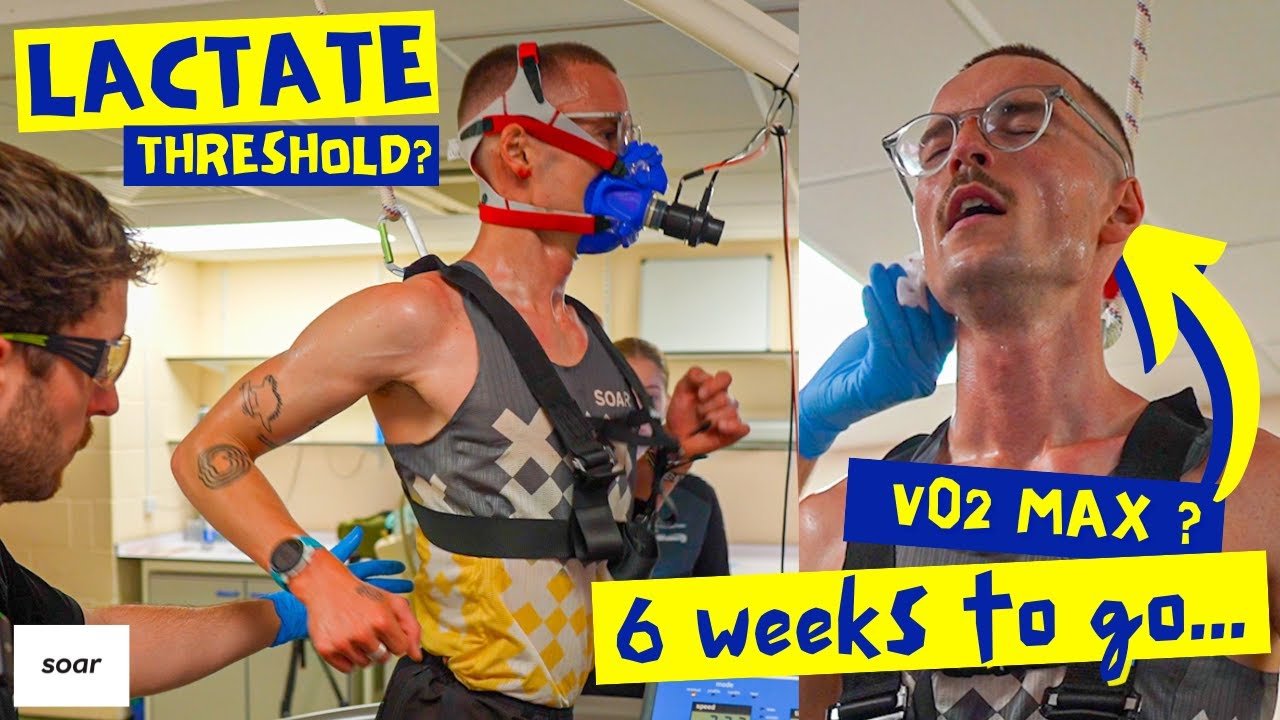
is provide a stimulus that causes our body to essentially be embarrassed in the direction to improve V2 Max V2 Max again is more centrally limited than peripheral although both play a role so we need to pay attention to both of them meaning Central cardiovascular peripheral more muscle mitochondria and the muscle Etc we need both let's not get lost in the weights but essentially we have two paths one is what I call the specificity path which means we need to run at Paces that elicit or get very close to putting us at BO2 Max so again
we ride that line of being at Max for a longer period of time which puts a stressor on our body to adapt in a positive direction so for most PE people this is running at about 3K Pace two mile pace for novices it's closer to mile Pace why is that the case because of physiology right an advanc Runner 3K Pace might be 8 n 10 minutes pace which comes closer to mile pace and some other stuff we won't worry about so anyways around the pace that takes you around eight nine 10 minutes to complete okay
and the goal here is generally to increase the the pressure to adapt which means that we want to extend or increase our reps so that we're spending more time providing that stimulus so let me give you example if I ran a 3K allout out race let's say it took uh 9 minutes for simple math it would take a little bit of time to get up to V2 Max Aerobic System reved up but then we're going to be up there for I don't know 7 8 minutes of it well that's 78 minutes of stimulus again it
doesn't work exactly this way but it's a good way to look at it if instead I do uh let's say 6 by3 minutes what I've got is 18 minutes of total time during the thing but of course during the rest period our V2 goes down a little bit but because we're not getting full rest it comes back very quickly so we're still probably getting I don't know 15 16 minutes at or near V2 Max during that training period that work out so it's more of a stimulus again it doesn't work exactly as spend more time
at this this thing and we adapt but it's a good way to think about it this is why we do interval training that's method one now the key here and this is important why 4x4 minutes isn't the be all and all is for some 4x4 minutes will be great for others he'll try and run 4minute reps Brian Johnson longevity Guru who posted about his 4x4 minute reps and as I tweeted about is uh he ran them where the first and especially the second R were too fast and he was probably close to or over the
pace to the listed V2 Max so that rep three and four he couldn't get up to that intensity fatigue one so he's spinning only one or two reps there so 4x4 minutes at least the way he pasted it not a good workout backfires so we want to choose workouts that allow us to meet the stimulus we need in this case for some 4x4 minutes great for some it'll be 4x5 minutes for a lot we'll need to work from what I call the bottom up meaning starting at 30 seconds on 30 seconds off or 1 minute
on one minute off or 90 seconds on 60 seconds Off 2 minutes on no 90 seconds off whatever it is but that allows us to sustain that intensity successfully for enough reps where we get a stimulus and then from there it's changing the rest reps Etc to allow for that demand shorter rest actually allows us to spend more time at V2 max if we withstand the Fe fatigue why because when we hit that rep our V2 starts to go down down the longer the rep the longer we're able to recover from it takes us a
little bit time to get back up shorter rep this is why the 15 seconds on 15 seconds off works because you get BO2 up comes down just to touch then goes up down a touch obviously for longer reps we can't do 15 seconds rep because the fatigue would get us and we wouldn't be able to complete the long rep so this is balancing the second path to do this ex exactly what I just outlined there which is what I call let the rest do its job meaning an incom complete rest will eventually get you up
to V2 Max because of a combination of what we call the slow component of V2 don't worry about it and and just the physiology of recovery and oxygen demand that again don't worry about it we cover some of it in the V2 Max at YouTube or in my book the science of running but what happens let's take 30 seconds on uh 15 seconds off or 30 seconds on 30 seconds off what happens is during those 30 seconds it's not long enough that first rep to get us up to BO2 Max right we don't get all
the way there because it takes about 90 seconds is for our Aerobic System to get fully red up so we get partially the way there almost there then we take our recovery but we don't our our oxygen consumption doesn't come back to zero only drops a little bit so we start the second rep and we're almost our oxygen consumption is already elevated so that means by the second rep V2 goes up again third rep probably at Max and then with the short rest we let that kind of keep us stay near Max because our V2
doesn't come down much during rest what does this allow you to do allow ows you to run a little bit faster because the rep length is shorter and accumulate a higher load of time spent because the during the rest you don't come down as much in terms of V2 so you stay elevated so you can either run a little bit faster or run again the same kind of 3K Pace but extend it for a longer period of time without kind of the stress this is what I'd call the swimming model because they do a lot
of stuff with short rest short reps I will say the difference between swimming and running is that you can't recover quite as quick so don't copy swimming workouts exactly because we're fighting against gravity and some other things the pounding Etc which means that we can't handle really short rests with the exception of 100 meter repeats again 15sec repeats anything longer you got to have at least basically 30 seconds or more rest or else it's you're not having rest whatsoever so those are the two Pathways to do it either specificity or use the rest to keep
the aerobic demand elevated during the short R that's the path and I'll just end with this hopefully from that example you'll tell that 4x4 minutes 5x3 minutes 6x2 minutes 8 by 2 minutes 10 by 90 seconds there is is no differentiation someone's going to tell you one one increases V2 Max more than other there's no studies that compare it because of the nature of constraints of studying in fact I don't think there's any studies that compare very similar workouts what we see is comparison of workouts of different types meaning a 3K 5K paced one and
a 10K or half marathon PAC versus very short site very few studies compare actual demands similar workouts meaning we're tweaking the thing like we would go 4x4 versus 5x3 because there's no real differentiation okay so there you go don't fall for the magic workout there is none I think it's freeing because it allows you to be an artist and you get to vary the stimulus to keep progressing in the direction that you want to all the best subscribe check out my newest book sign out for my free newsletter appreciate you guys watching leave comments on
what you like cover I'm a science and running nerd so I'll cover it all the best that I can take care