[Music] Hello everyone and welcome back to another episode of the English Learning Podcast. I'm your host Jason and I'm your co-host Julia. We're so happy you're here with us today.
Whether you're walking, studying, or just relaxing at home, we're excited to help you on your English learning journey. Today's episode is going to be super helpful, especially for those of you who want to speak English better, but you don't have a speaking partner. Exactly.
A lot of learners feel stuck because they think, "I don't have anyone to practice with, so I can't improve. " But guess what? That's not true.
You can practice speaking English alone, and you can get really good at it. That's right. In this episode, we'll show you the right way to practice speaking English by yourself.
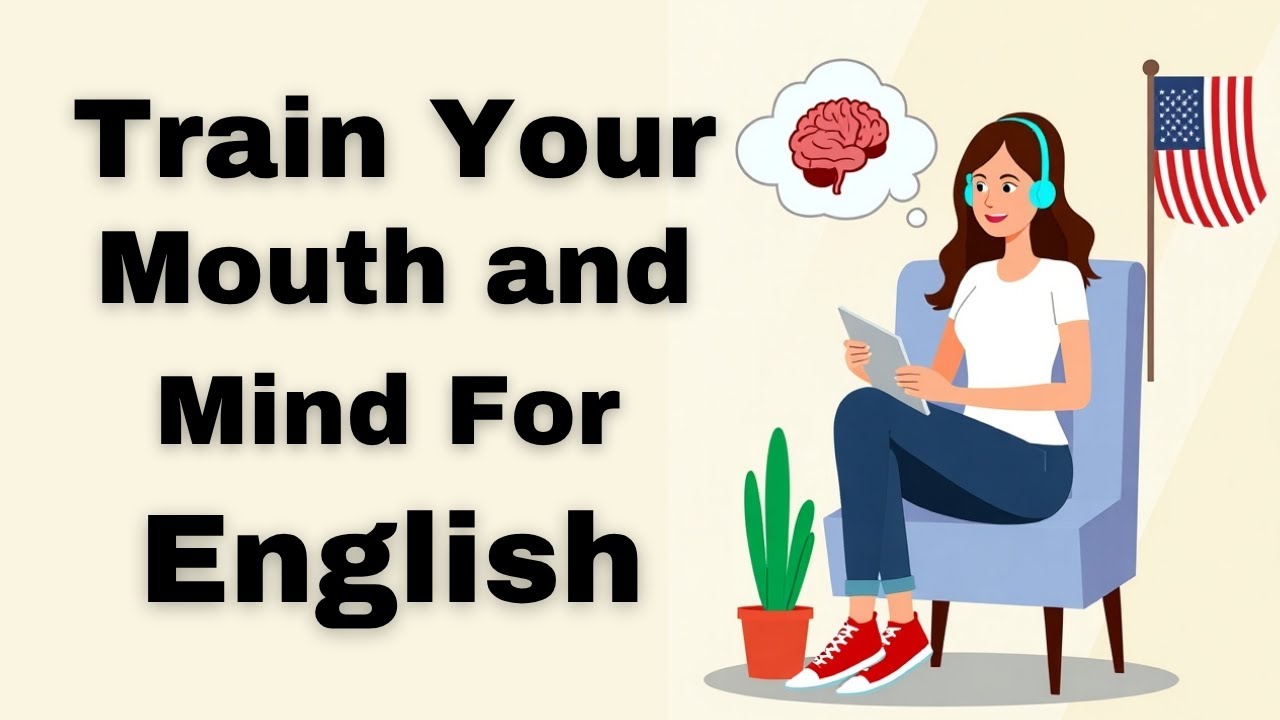
We'll talk about simple, fun, and powerful techniques you can use every day, even if you're just sitting in your room. And don't worry, we'll guide you step by step. You'll learn how to talk to yourself in English, how to use your phone to improve, and even how to train your mouth and brain to speak more fluently and naturally.
By the end of this episode, you'll have a full list of practical ways to practice speaking alone, and you'll feel more confident starting today. So, grab a notebook if you want to take notes or just listen and enjoy. And don't forget to subscribe to the podcast and give it a like if you're watching on YouTube.
It really helps us and supports more English learners like you. All right, let's dive in. First, let's talk about why speaking alone feels so difficult and how we can make it easier.
So, before we jump into the techniques, let's talk about something really important. Why is it so hard to speak English alone? I mean, it sounds simple, right?
Just speak. But it's not always that easy. You're right, Jason.
Many learners feel shy or even silly when they try to speak out loud to themselves. They think, "Why am I talking if no one's listening? " It feels awkward at first.
Yes. And I've heard this from a lot of students. They say things like, "I don't want my family to hear me.
" Or, "I feel embarrassed when I make mistakes, even if I'm alone. " Totally. And another problem is not knowing what to say.
You sit down, you want to practice, but then your mind goes blank. You think, "Where do I start? What do I talk about?
That's such a common challenge. And let's not forget, without a partner, there's no feedback. You don't know if you're saying something correctly or if you're pronunciation sounds right.
It can feel a little lonely and uncertain. Yes. And because of all these reasons, shyness, confusion, no feedback, many learners stop practicing.
They wait for the perfect moment or wait to find a speaking partner. And sometimes that never happens. Exactly.
But here's the truth. You don't need to wait. Speaking alone can still help you become fluent.
It just needs to be done the right way. And when you follow the right steps, it actually becomes fun and very effective. Absolutely.
It's all about breaking those mental blocks. Just like learning to ride a bike, you feel weird at first, but once you practice, it becomes natural. And remember, even native speakers talk to themselves sometimes.
It's a normal part of learning and thinking, so don't feel weird. Feel smart for practicing in any way you can. I love that.
So, now that we understand the challenges, let's explore the solutions. In the next section, we'll give you a complete stepbystep guide to practicing English alone with clear examples and easy tips. Let's do it.
Get ready to speak with more confidence even if you're your only audience. All right. Step one, talk to yourself in English.
This might sound strange, but it's actually a powerful technique. You don't need anyone else to start speaking. That's right.
You can talk about anything. What you're doing, what you're thinking, or what your plans are. For example, if you're brushing your teeth, you can say, "Now I'm brushing my teeth.
After this, I will make some breakfast. " Exactly. Describe your daily routine in English.
You could also ask yourself simple questions like, "What should I wear today? " or "What do I want to eat? " and then answer them out loud.
You can even have a mini conversation with yourself. Pretend you're two people. Hi, Julia.
How was your day? Oh, it was great, Jason. I studied English and went for a walk.
Yes, it sounds funny, but it really works. The more you do this, the more natural speaking becomes. No pressure, no judgment, just you and your voice.
Step two, practice in front of a mirror. This is great for building confidence and improving your body language. When you look in the mirror and speak, you become more aware of your expressions and pronunciation.
It's like talking to another person, but it's just you. You can practice greetings, short introductions, or common phrases. Try saying, "Hi, my name is Julia.
I'm learning English because I want to travel. This also helps you see how your mouth moves. That's important for pronunciation.
Just 5 minutes a day in front of the mirror can make a big difference. Step three is one of my favorites, the shadowing technique. Have you heard of it, Julia?
Yes, it's amazing. Shadowing means you listen to a native speaker and then repeat exactly what they say at the same time or just a second after. Right?
You can use a podcast, YouTube video, or even a movie. For example, listen to a sentence like, "I'm going to the store," then repeat it just like they said it. Same speed, same rhythm.
It feels like copying, but it's actually training your brain and mouth to speak fluently. It improves your listening, pronunciation, and speaking all at once. Start with short sentences and slowly build up.
Use subtitles at first if you need, then try without them later. Step four, record yourself and listen. I know many people don't like hearing their own voice, but this is such a helpful tool.
Yes, it really shows your progress. Just use your phone. Record yourself talking for one or two minutes about anything.
Your day, your favorite food, a movie you watched. Then listen to the recording. Ask yourself, did I speak clearly?
Did I use the right words? How was my pronunciation? You'll start to notice small mistakes.
And that's great because now you can fix them. Over time, your voice will sound more confident and natural. You can even keep a voice diary, a daily or weekly recording.
It's fun to go back and hear how much better you sound after a few weeks. Step five, use prompts or flashcards to speak. This helps you think faster in English.
Yes, you can write topics like my family, my dream job, or what I did yesterday on flashcards or pieces of paper. Pick one and speak about it for one or two minutes. It's like giving yourself a mini speech challenge.
You don't need to be perfect. Just speak. The more you do this, the easier it becomes to speak without pausing too much.
You can also use apps that give daily speaking prompts. The goal is to train your brain to speak without thinking too hard. And finally, step six, set speaking time challenges.
These are quick, focused, and fun. For example, challenge yourself to talk in English for one minute non-stop. Pick any topic.
Then try 2 minutes, then three. You can even time yourself on your phone. Say, I will speak about my favorite food for 1 minute.
Go. Then listen and check your fluency. These short challenges help you stay consistent and motivated.
You're building fluency without even noticing it. So, those are six great ways to practice speaking alone. And the best part, you can do all of them at home without needing a partner.
Exactly. Now you have no excuses. Speaking alone doesn't have to be boring or difficult.
It can actually be fun and super effective. All right, now that we've covered all the steps to practice speaking alone, let's talk about something just as important. your mindset and motivation.
Yes. Because even with the best techniques, if your mindset isn't strong, it's easy to give up. Many learners start with energy, but after a few days, they stop because they feel tired, shy, or think, "I'm not improving fast enough.
" That's so true. And I always tell students, fluency is a journey. It takes time.
You won't become fluent in one week, but if you keep going, even a little each day, you will improve. Exactly. The key is consistency over perfection.
You don't need to speak perfectly. You just need to speak regularly. Make it part of your life.
Even 5 or 10 minutes a day is enough. And remember, it's okay to feel nervous or make mistakes. In fact, mistakes mean you're learning.
Every time you mess up, you get closer to success. That's such an important point. And here's something I love to remind myself.
You don't have to be great to start, but you have to start to be great. Love that quote. And here's another tip.
Celebrate small wins. Maybe you spoke for one minute today. Great job.
Maybe yesterday you learned a new word and used it. Amazing. Keep going.
And if you ever feel tired or lose motivation, just remember why you're learning English. Is it for travel, a job, making new friends, hold on to that reason. It will keep you going.
Yes, your why is your fuel. So, be kind to yourself, stay positive, and keep speaking, even if it's just to yourself in your room. You're doing better than you think, so don't stop now.
Keep practicing. Keep growing. Fluency is on the way.
Well said, Julia. Now, let's move on to some practical tools that can make speaking alone even easier and more fun. Before we finish, let's quickly go over some common mistakes English learners make when practicing speaking alone and how to avoid them.
Yes, this part is important. One big mistake is trying to be perfect. Many learners stop speaking because they're afraid of making grammar mistakes or mispronouncing words.
But guess what? Perfection is not the goal. Progress is.
Don't wait to speak only when you think it sounds perfect. Speak now. Improve as you go.
Another mistake is practicing without a clear focus. Some learners just speak randomly with no goal. It's better to have a topic or question each time like describe your favorite movie or talk about your weekend.
Good point. And some learners also don't listen to themselves. They speak but never record or check their pronunciation.
That's a missed opportunity to grow. So avoid these mistakes by keeping it simple, setting small goals, and being kind to yourself. And remember, mistakes are a sign you're learning.
Exactly. Speak bravely, not perfectly. That's the real secret to success.
We've covered a lot today, so let's do a quick recap to help you remember the key points and then we'll share a simple action plan you can follow. Great idea. So, first we talked about how speaking alone might feel strange at first, but it's actually a powerful and practical way to improve your English fluency.
Then we broke it down into a stepbystep guide. One, set a clear goal. Two, choose your topic.
Three, use prompts or questions. Four, record yourself. Five, reflect and improve.
We also talked about keeping a positive mindset. Don't worry about mistakes. Just focus on speaking every day, even if it's for a few minutes, and celebrate your progress.
Absolutely. and we reminded you to avoid common mistakes like trying to be perfect, practicing without a goal, or skipping the reflection step. Now, here's your action plan for this week.
Step one, choose one topic per day, like food, hobbies, or travel. Step two, speak for 2 to 5 minutes on that topic alone in front of a mirror or your phone. Step three, record yourself at least twice this week and listen back.
Step four, write down one thing you did well and one thing to improve. Step five, keep it up for 7 days. Just one week to build the habit.
That's a simple, powerful plan. And don't forget, you're not alone. Many learners around the world are doing this, too.
You're part of a global community working hard to become confident English speakers. You've got this. Stay focused, stay positive, and keep talking one word at a time.
And that's a wrap for today's episode. We hope you're feeling inspired and ready to take on speaking practice alone. Remember, the more you practice, the more natural it will feel.
Absolutely. Speaking English is a skill and just like any skill, the more you use it, the better you get. So don't wait.
Start today and keep practicing every day. Even a few minutes makes a big difference over time. Before we go, we want to hear from you.
If you found today's episode helpful, please leave us a review on your favorite podcast platform. Your feedback helps us improve and create content that helps you. And don't forget to subscribe to the English Learning Podcast so you never miss an episode.
We have tons of tips and advice to help you on your English learning journey. Also, if you want to share your speaking progress with us, feel free to tag us on social media at Englishlearning Podcast. We love seeing how you're practicing.
So, go ahead and take action. Start practicing speaking today. And remember, you're capable of more than you think.
Thanks for listening, everyone. We'll catch you next time with more tips and strategies to help you improve your English. Until then, keep speaking, keep learning, and keep take care everyone.