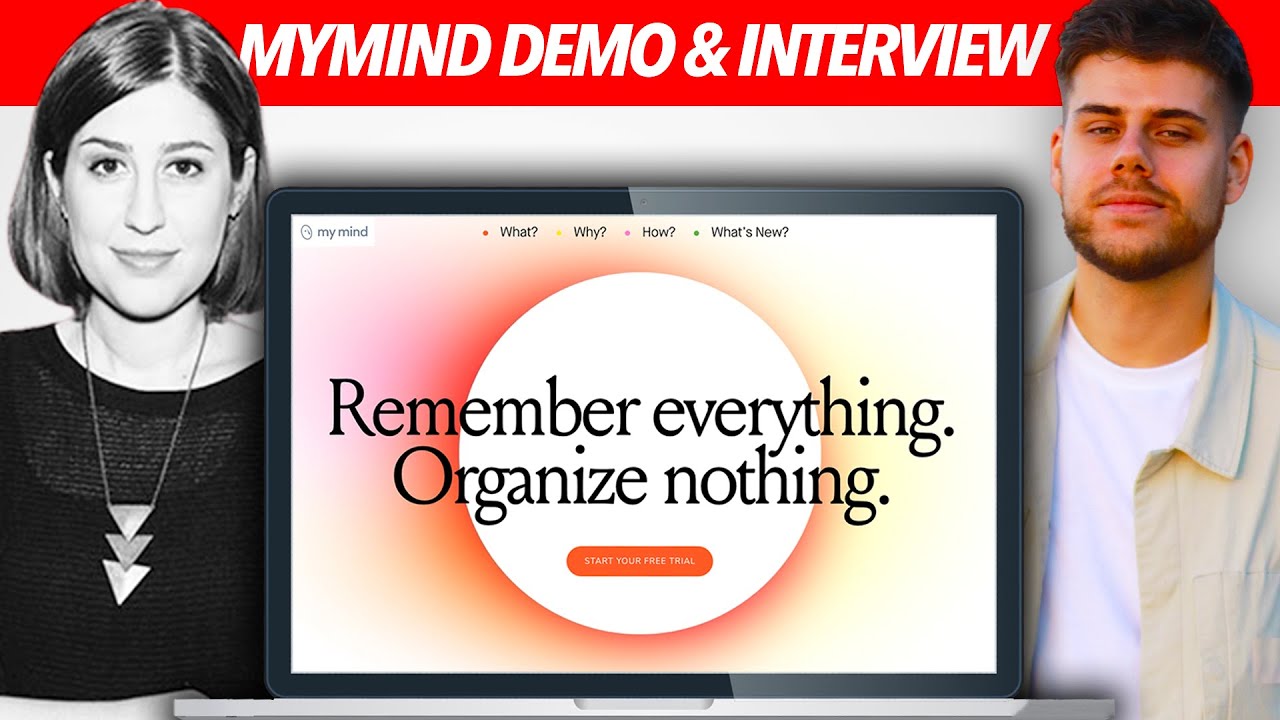
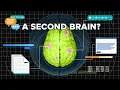
our brain isn't a filing cabinet it's very messy it's very interconnected is it is it misunderstanding what we really need from these tools in the first place your previous thoughts and work and effort being processed by this external cognitive entity that's like literally a second brain that would be incredible this new feature set does unlock something that I've been waiting for it's fun to organize your stuff right if you organize information you will make more money and you will be happier history has shown us this is not true if you think that you need a
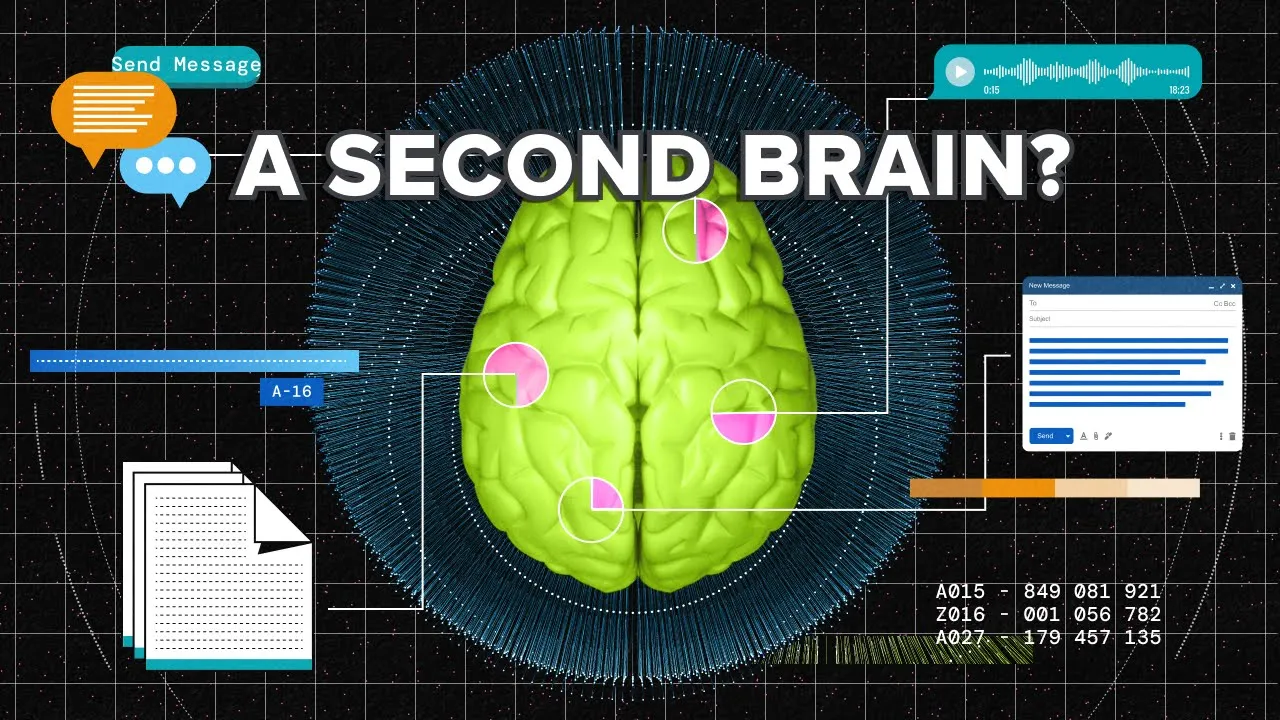
good writing app to write your book you're just wrong [Music] thank you since the rise of the computer humans have been gripped by the idea of having a second brain but has reality held up to that promise how many people spend more time organizing their second brains instead of leveraging the information within them how many people constantly look for a better to do App instead of actually checking the to-do's that they're organizing and how many people have an endless stream of data that they'd love to one day process but they just don't have the right
tools or time to do so due to the structured directive nature of computers to date computers have been a shell of maybe the second brain that we've long hoped for still incredibly powerful but also requiring discrete instruction from the director but within the last year consumer AI has shown up to the party now capable of processing simple language prompts and interfacing with unstructured data possibly fundamentally changing this game so today we chat with writer Matt Eliason Nat has tried the full gamut of Knowledge Management tools but he's also written prolifically for years read 250 plus
books created courses grown viral social accounts ran an agency and even recently Inked a book deal and yet even that questions the productivity promise of the current toolkit so can AI change things and enable our second brains to finally work for us let's find out as a reminder the content here is for informational purposes only should not be taken as legal business tax or investment advice or be used to evaluate any investment or security and is not directed at any investors or potential investors in any accz fund for more details please see a16c.com disclosures [Music]
all right not great to have you on the line great to be talking about Knowledge Management at one point you were writing a lot about productivity Knowledge Management and that's one of the reasons that we have you here and and tell me about why you got into that space I think at one point I adopted the belief as many do that the more I learned about productivity and the more knowledge I collected the more financially successful or happy or whatever I would be and ended up going very hard down that track because a lot of
people do once they get the idea in their head something with the tools just clicked very well for me where something about the way I was using it wasn't as immediately intuitive to people's and then in particular with Rome for those who remember that Ma that it was really like a Mania I think I I just got very lucky that I was super early on it was using it before a lot of other people and I was one of the I was probably I think it was one of the first people with a small to
medium-sized audience who talked about it and then I think that helps people with much larger audiences pick it up tell me a little bit more about your saying you you seem to have this intuition about how to use them and then you shared that with other folks what was it delivering for you and then subsequently others you know that's a good question because I'm not sure that I could honestly say all of the effort has delivered a compensatory amount of value in the sense that I you know I think that this is just like a
very common mistake or like causation versus correlation thing that people make including myself which is that they look at something that somebody does who they look up to and they assume that oh because they do that thing that's how they're able to do this other thing that I like and respect because they wake up at 5am that's how they could start this business uh when it might as as it might just as well be the opposite in the sense that uh because they're the type of person who can start that business they also like to
wake up at 5am right uh and I feel like I might actually be more in the later camp where even as a kid I very much enjoyed finding interesting bits of knowledge and then sharing them with people or trying to explain them and so I almost like this kind of digital Magpie I enjoy just collecting shiny bits of information and to the extent that it's helped with writing most of it hasn't uh the the only thing that I could say definitely has really helped is a habit that I've had for 12 or 13 14 years
now of like taking notes from the books that I'm reading and so I used to do this on Kindle now I do it on physical books and use read wise to extract the highlights but the medium that I organize those highlights in doesn't seem to matter because I had them in text files at one point I had them in Evernote I had them in notion I had them in Rome I had them in uh back in notion right like I've moved them around I've lost a lot of the formatting and additional annotations so many times
that it almost doesn't matter like you're almost saying it could be on a stone tablet and as long as you have that there or is it maybe the search ability there's only maybe a few functions that you need in order for it to be useful not all of the features set well yes I think it's really the the the searching the indexing and the collecting that are very helpful but pretty much all the other features are often like get in the way or become distractions or give you the sense of photo activity right like oh
I'm doing all of these I'm organizing my knowledge you know you probably should be writing or like playing with your kids or doing something else right um the but expanding on that the thing that's really been helpful is the actual reading the books right like I wish I had spent more time reading more books instead of continuing to hyper optimize my highlights from the books I had already read maybe there's something meta here though where to your point it's like because you feel like you're being productive with the notes that you take Within These Knowledge
Management tools it makes you want to read more books because you feel like they're more useful but at the same time it does seem like there is this false understanding of what you're getting from these tools but one thing that I noticed was when you and a few other creators saw Rome like you said there really was this almost like Mania and maybe something behind that Mania at least it felt to me was as though there was an unlock as as though the prior knowledge management tools were lacking something that this now provided so maybe
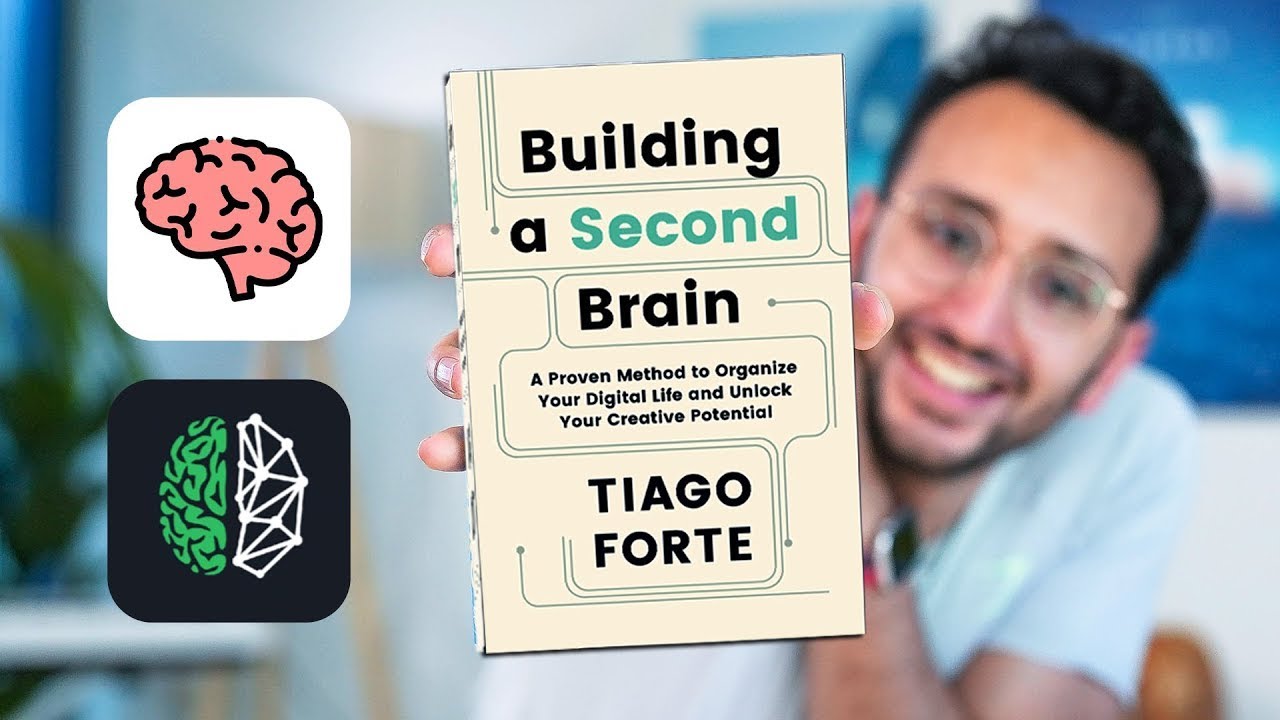
you could speak to that experience yeah it's funny because this all happened at an interesting time where I had gone through Thiago Forte's building a second brain a couple of years before and when I went through it I was having these conversations with him about how much I hated Evernote because it it really forced you into this hierarchical way of organizing your information and so you had a folder for home or whatever and then you're putting your notes about your house in there and you have a folder for books and you're putting all your book
notes in there but pretty much every piece of knowledge should live in multiple places and you could also do tags and stuff but the tags felt clunky and so what was exciting to me about Rome when I saw it was it introduced this more of a like Knowledge Graph uh which is really I think how we think about things right like that's more of how our brain works our brain isn't a filing cabinet uh it's this very it's very messy it's very interconnected and it felt like it fit that much better for me and that's
what made me so excited about it and I think made so many other people excited about it we kind of take for granted today if you're getting into Knowledge Management today almost every tool has this right uh you know notion very quickly adopted this same uh you know interconnected backlink structure that Rome popularized and I think that's great because I use it in notion all the time now uh that's the main tool that I use and that that feature in particular was what felt so magical because to the point that we talked about earlier very
few things in these tools are actually useful for improving the creative output which I think what you're really optimizing for by using them uh you know search is very useful and the capture is very useful and I do think that these bi-directional relationships between bits of information are super useful as well so that you can log a few notes on something or log a few connections on something as long as it's connected to two or three other things in your second brain or whatever you want to call it it will be very easy to resurface
it later much easier than if you have to pick an arbitrary folder to put it into you at least for me you have to remember the route right you're saying with Evernote you have to remember oh there's this thing hidden in you know four layers of folders and I have to remember it's there versus you're saying the interconnectivity allows you to surface it more easily almost like stumble upon it would you say or a little bit more like that and the thing that I liked about it too was that Evernote required or I should say
any hierarchical file system requires very deliberate placement of each piece of information you have to think about it a lot where you put it it doesn't it might not seem like you do but you kind of do because you're saying okay in 10 years if I don't know I need this piece of information how do I accidentally refined it whereas with uh a much more like widespread hyperlinked Knowledge Graph style you can kind of just like slap 10 different relationships onto it and you'll probably be able to find it again in the future that's so
interesting I was uh filing something away because I'm still in ancient times I still use Evernote but uh I was filing something away and I had this thought as I was doing so yesterday I've just I will never see this again well I I had a few people reach out to me over the last week or two and they said hey you know I need to migrate all of my stuff into a new tool what do you recommend and I said well like don't migrate anything just like start using a new tool and then for
the next three months so see which pieces of information you end up needing and then go migrate them but what you will probably find is that you can delete 95 to 99 of everything you have in Evernote or notion or whatever and never feel that pain for the rest of your life it's so true and in a way it reflects on the fact that so many of us are digital Hoarders where if we did the same thing with physical items we'd end up in these homes just you know boxes and boxes and boxes and in
a way because it costs so little and it is kind of out of sight out of mind we do it digitally but that kind of brings me to this question not do you think that maybe the way that these Knowledge Management tools haven't quite lived up to their promise is that just because we misunderstand the way our own brains work and what we we really need and we kind of convince ourselves that we need these Knowledge Management tools or is it a facet of these tools not having the right technology maybe the right feature set
yet and obviously this will eventually Dove tell tale into our conversation around AI but I want to get a sense of like is it us misunderstanding what we really need from these tools in the first place I think it might be more of a false promise issue because I think if you look at say the notion marketing or the Evernote marketing they advertise themselves as a a Wiki as a digital filing cabinet uh and they do those things very well right they allow you to collect and organize information and I think the false promise that
many of us believe or have bought into or whatever is that if you organize information you will write better articles you will make more money you will be happier you will get all of these benefits from it right and that one I think is uh a much that one I think is probably just not true you know I make this analogy all the time that 99.9 of the best books ever written were written on a typewriter or by hand like if you think that you need a good writing app to write your book you're just
wrong like it's just not true history this is not true exactly so it I do think that there is this big element of uh the other thing they're delivering is fun right and we don't kind of like we don't like to admit that the reason we read productivity books or watch motivational YouTubes or stuff is because it's fun and makes us feel good not because it's going to produce any uh tangible benefit in our lives and that's part of what they're delivering too like it's fun to organize your stuff right if we think about things
along the spectrum of like actual utility that these tools are indeed bringing and then this false promise and you know maybe everyone and their own experience with Knowledge Management fits somewhere along that Spectrum you know tell me a little bit more about how you've maybe moved closer to that Utility side of the spectrum I I really think the next big utility is going to be a note-taking tool that offers custom GPT or whatever embeds as a service for your knowledge graph I I've seen people do it Dan shipper has that great uh project he did
where he put all of Andrew huberman's podcast transcripts into a GPT embed model and then you can just query it with anything you want to know and it feeds you back huberman's answers from podcasts right uh theoretically any note-taking app should be able to offer that as a service or maybe you pay you know I pay like a thousand dollars or more for this right very happily where I could just say okay here are my notes from it's got to be like four or 500 books now thousands of Articles every little like idea I've written
down over the last 10 15 years here's all of it I just want you to like index it and then as I start writing just give me a little like pop-ups along the side or when I ask for them give me little pop-ups to say oh you know you had this idea or oh this idea from this book or this ID from this article or whatever like these are all relevant to what you're doing right now because I'm pretty sure we can actually already do that with the tools that are available on the market nope
yeah nobody's just created a consumer side version of it uh and that would be the point where you I mean that's like literally a second brain right that's literally your previous thoughts and work and effort being processed by this external cognitive entity and then fed back to your like current working mind or whatever to enhance what you're trying to do without you having to go look for it and that would be incredible like that would be so useful I would use that non-stop every day if you imagine a tool like this where an AI can
parse your personalized unstructured data it can be proactive and it can Surface things as you need them what do you think this unlocks the the valuable thing is the ideas but everybody receives ideas in different ways and so you know for example like one thing I realized about myself at some point is that I have a very hard time processing auditory information like I don't remember it it just doesn't really imprint for me but when I read things they stick with me really really well and so if I read a book I can remember a
ton from it but if I listen to an audiobook I don't remember anything Some people prefer the long form essay style like some people uh would prefer a short form video of the idea right and so if you have an idea and you can turn it into one of those forms something that's trained on you should be able to help you produce those other forms of your work to help that idea reach the most people possible and and we're seeing something else in tandem with the potential for that which is uh like platforms aren't really
letting you use them as funnels anymore like you know early internet marketing with social media 10 years ago or whatever like your Facebook and your Twitter and whatever we're all to drive traffic back to your site right where you could get email signups or sales or whatnot and it's way harder to do that now so you actually want to create native stuff for each of those platforms for the people who want to spend time on those platforms because that's what's going to get rewarded but now you're like not creating one article you're trying to create
like 10 assets off of each idea which is a huge time suck and so it's interesting to think too like what would it look like if you had this kind of like content assistant who you train not only on all of your writing and stuff but on your preferred format for short and long form videos and uh train on your voice so that you can immediately create like a podcast from your articles and all these things so that you can be this like hyper distributed idea person that that world is not very far away it's
probably like less than two or three years out yeah it's hard to believe that won't be on the horizon all right nah this was fewer so 's idea of anywhere it falls flat maybe where it doesn't especially given that you've been so present in the space and so yeah this was really enjoyable and I'm also looking forward to seeing where this goes yeah thank you so much for having me on thank you so much for listening to the a16z podcast if you've made it this far don't forget to subscribe so that you are the first
to get our exclusive video content or you can check out this video that we've hand selected for you