In the end the the beautiful thing about Market making is it's very Democratic and like if you aren't making the markets better you don't get to trade so you know there's would you be able to help our viewers on a channel understand what Market making is and how firms primarily make money out of Market making activities I've been in the same kind of market for a long time I've been I've seen you know from the days of Trading on sheets in the pit to the things now I mean would you be willing to say what
the minimum salary that you've seen in the industry for someone who's first starting out all the way into there there is theoretically Edge and trade um but the the margin for error is insanely small people making directional bets are usually your best friend uh they aren't playing so in options you know they're not playing volatility they're playing Direction Well okay I can easily H Direction risk and it's incredibly interesting to see like some of the most successful firms today how close they came to closing down like the number of firms that are are gigantic today
that that have came within a hair of feeling what advice would you give um to young people what differentiates a candidate getting in and what would you recommend to aspiring you know so getting the actual application of the way markets work uh To combine that with a theory is where a lot of people run into trouble know that this industry changes so fast um this actually has bitten me a couple times in my career you become really successful and you you kind of like rest on your laurels uh but like if you're not constantly innovating
constantly changing you get left behind so fast so just always always always be pushing always be curious So welcome back to the Quant insights uh second podcast here we have a guest who wants to remain anonymous today but has 20 years of experience um Market making for different firms and he's going to be referred to as John today John Smith so John hey great to have you on the podcast would you be able to explain a little bit of your Market making experience and how you got into the space and your career development today yeah
of course uh thanks for having me Um so I got into options making Market making 20 years ago um actually applied to a firm out of school I had no idea what I wanted to do but I had a computer science degree and decided that a cubicle was not for me and so this seemed somewhat appealing uh went to the firm I traded in the pit for a number of years uh eventually started um traded on my own for a long time and then and now I'm back to working for firms again um just to
be generic but uh I've been in The same kind of market for a long time I've been I've seen you know from the days of trading on sheets in the pit to the things now I mean from markets that are 20x wider than then than they are now things are hundreds of times faster now than they were then so it's it's been a wild ride a lot of changes that's really interesting what would you say is the biggest difference um between the changes then when you're trading in the pits and you're saying markets are so
Wide was there more opportunity then or is there more opportunity now it's just different um there's a lot more volume now and the pricing now is so much better like back then you you you know you you weren't able to put things in as fast you weren't able to run your your smiles as fast so like you're trading off sheets and you might have something worth five and it's trading nine uh and you know so you like you know and try to adjust your sheets in your head so like There's just a more margin for
error uh and I like to tell people yeah like things used to be a dollar wide so if you were you know if you were wrong it you had a lot of room for error now if you're off by a dime you're on the wrong side back then if you're oh I have 90 cents of Edge and this isad of a dollar now you now you sold it instead of buying it um and then like things just happen a lot faster you know in the pit people have to physically ask you for Quotes and so
you're always uh you know you're on top of it and you can change it you know different markets you can update quickly but like now with the screens like you you are vulnerable every you know you have potentially tens of thousands of markets out there at the same time and you know you got to be on top of things a little bit and there's no one telling you oh hey you're off on this they tell you you're off on that by trading it with you so obviously a big Difference to having all those screens in
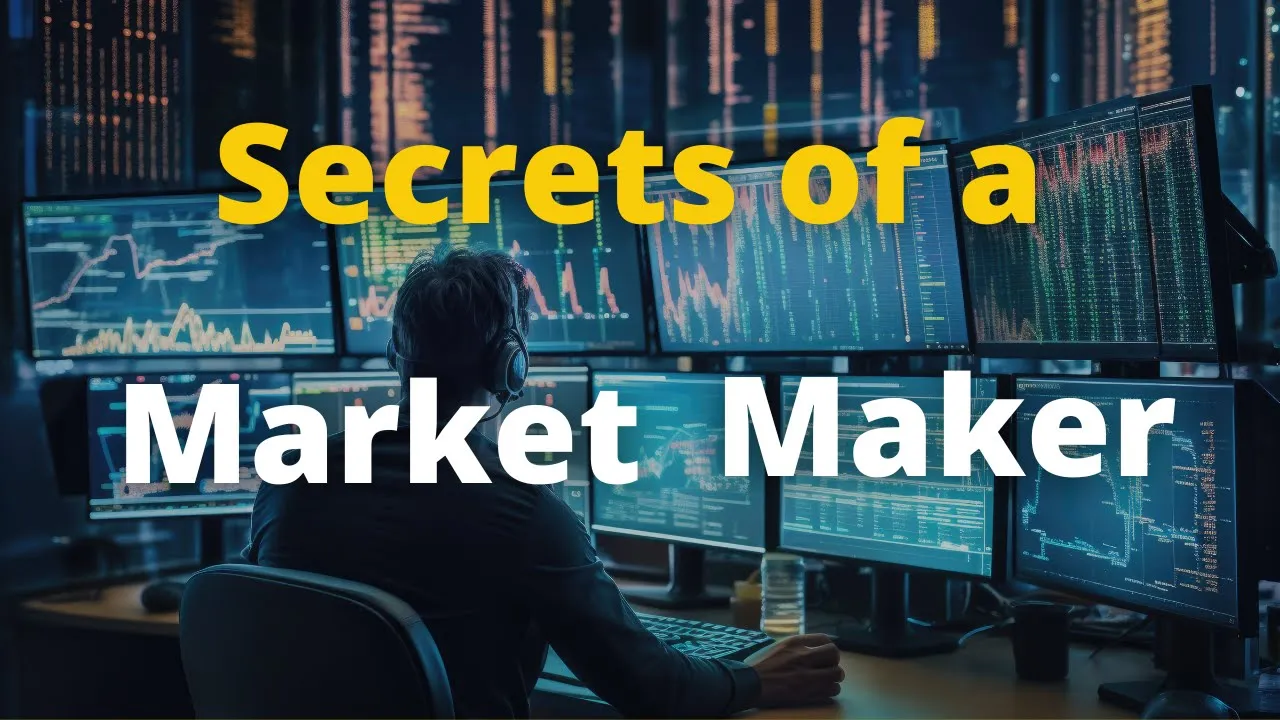
front of you now with um all inhouse propri Tre trading software that makes looking at all that data you know visually in an easy way well I guess um taking it Taking It From the Start would you be able to help our viewers on a channel understand what Market making is and how firms primarily make money out of Market Mak activities oh sure absolutely um so I work as an options Market maker and what we basically do is You have a theoretical value and then you will vend to the market via computers or voice uh
bids and asks um you know so you're willing to buy or sell everything uh one-sided markets are very frowned upon um and then you know you try to incorporate enough Edge into your spread such that you will make money over the long run you will probably make money on more trades than you lose on um but you tend to lose more money on the ones when you're wrong uh Be it uh someone knows something you don't or uh if you're slow like if your systems aren't fast and the underlying moves and you're the last one
to move you you can get ripped on on Delta and then you know you throw away your whole days worth of profits on one trade so like it's a there there's theoretically Edge in every trade um but the the margin for error is insanely small so and and that's that's coming about by Informed Traders so if I if I run that back you're you're trying to be there on both the bid um and the ask and then you're trying to make that difference but then at the end of the day of course you end up
holding a position because they're are informed Traders um who who who are in the market and they're trying to be directional so you end up with a position and I guess what what percentage of the time have you seen it over your career that firms are wanting To hedge um those directional positions that then you have to take on um versus uh you know actually hold a position on your book oh I mean like you're you're going like you'll try to keep your your Greeks as neutral as you can unless you have an opinion right
uh directional risk is the easiest one to hedge you know you just get out and hedge there then you know your V risk and your interest rate risk and your skew and your Curt and uh all Your teenies are where you really run into problems um but dire so in Market making um people making directional bets are usually your best friend uh they aren't playing so in options you know they're not playing volatility they're playing Direction well okay I can easily hedge Direction risk so you know I sell you a call and I buy Futures
and I hope you win because then you're going to come back and get out of the market and I'm going to get Edge back again uh but people are actually trading volatility right so someone trades a straddle or something like that um if you know I don't know how knowledgeable people are listening to this a straddle would be an at the money call and an at the money put together so generally a bet on movement either more or less but those people are actually making a bet that you're probably going to win or lose on
you know you can't hedge away that risk Unless you have other well you try to by selling other options or buying other options but generally they're actually making it bet against you where's the directional guy and and you can make them just be friends exactly so that that's actually quite interesting so you brought up a almost volatility um trading strategy there and you're you're just explaining that it's a bit of a zero sum game with the market maker um I I would put a Caveat to that are how many market makers are on the exact
same product you know for example um if if I'm doing a trade with two legs there and I'm trying to execute as a retail Trader am I guaranteed to have the same Market maker be on both sides of that trade no I mean ideally you almost aren't um so say most markets uh call it 12 to 18 market makers uh all you know well backed and things like that so like in general as a as a retail Trader you would want I mean You guess you want everyone there and have it be super tight but
in general if two market makers disagree so that one guy's a little better bid and one guy a little better offer that makes for a tighter market for you um I mean you can it depends what markets are uh most products that I'm aware of no one's really over 25% market share so you're going to be trading with more than one person uh but it would be the same group of people every time excellent so so if If we have 12 market makers on the same um on the same line and they're all trying to
compete for the business I guess the the obvious question is what what's in it for them so yes they're going after this difference in bit ass spread and um they're willing to take on positional risk as a part of that and take on all these other risks um you know gamma and Theta risk and things like that but what's what's the primary incentive for Them I mean you're trying to maximize Edge while minimizing risk um so in the end the the beautiful thing about Market making is it's very Democratic and like if you aren't making
the markets better you don't get to trade so you know there's I payment for order flow aside um so the more aggressive market makers are the tighter markets become for retail Traders and if you want to be successful in Market making you markets get tighter Every year they will continue to get tighter every year um so like yeah like you're basically trying to balance you want to be on the trade um but you don't want to get run over on the trade so like say the Market's a bucket a buck 10 right and you're like
okay I really want to sell this well say it's price time you can offer A110 but you're behind other people or you can offer a doll five but maybe that's not enough Edge For you to like compensate for your risk so you're just trying to balance out you know making as as much money as you can while uh I guess being in the market like if you you're like oh I'm if the Market's a buck a buck five and you're 90 cents at 110 you're just not going to trade so like it's it's a balancing
act of of getting on the trades you want to get on trying to avoid the other trades but like appropriately charging for risk I guess is the main the main idea that Makes a lot of sense and at what at what point on a specific product I mean I guess there's all different kind of risk limits but is it usually a volumetric limit um that's being run real time that you know a market maker would be willing to have on a particular product at a particular tenure um at a particular strike to actually um take
directionally on their book oh sure I mean so all market makers will have different risk limits but to my knowledge all market Makers have risk at least internal uh but like yeah you would you know you have X amount of Vega risk you could take x amount of theta uh the big one is what would call span risk right like I I don't want to lose more than x dollars on a 3sd move and mean you'll know too like a 3sd move in options is not really a 3sd move right like it's they happen way
more than they of course yeah I mean I mean you've brought up span there so is this a daily process that your rist Team will run and make you guys aware of um you know do they run the span the span book or is that going on ongoing during the day during the trading day yeah that's second by second and like different risks you you'll have different like um time frames to cover different risks like maybe you're okay with this risk but you don't want to go home with it right so like maybe like by
the end of the day like a lot of times when we were doing our own thing um like Okay we have this span risk and it's not an emergency right because the markets are open um when markets are closed it's a lot riskier because they can Gap a lot easier um so you're like okay I want to cover this before I go home but sometimes you'll have just a gigantic amount like say you sold a bunch of calls and you have actual Deltas you're like okay I need to get these done in the next 30
seconds so like different risks have different time frames um But Like everyone kind of has these limits that they're trying to stay under um everyone you know that's that's another big source of uh I don't know people still working on like what what is the right amount of risk and every firm's different too uh you know different firms have different like risk reward profiles they're looking for some firms are willing to take a lot more risk than others some groups are taking will to take a lot More risk than others some people just want to
you know Harvest bit ask and have a high sharp and some people are willing to forego sharp for more money uh or the opportunity for more money and in in that opportunity um I I would imagine of course even just speaking about different um different ways that you may trade volatility um as a market maker that different strategies present different risk reward benefits so you know if if you have a volumetric risk Directionally on a um on a certain product um Let It Be You Know strike and in time but then does that actually present
difficulties when looking at the portfolio as a whole because you may have actually traded off some of that risk by um you know doing a multi-legged strategy how do how is that balanced on the risk book or is it always a volumetric uh limit per per product no I mean so it all it all goes into the same soup um In a large derivatives Market making book you're going to have got honestly maybe hundreds of thousands of strikes on um so you just it it's you know you're like okay that has this much Vega this
much skew this much Curt and it just kind of goes into the soup and then you you would want to look at like okay what's my Vega right here but also what's my Vega on a move um those kind of things um so yeah you're just kind of trying to handle Like things like that obviously like the so you know in generic options par a straddle would be very risky a spread like a bull spread call Spread putot spread be less risky and then a butterfly would be less risky than that you you constantly want
to be liking butterfly right so like if you have a call spread position on your longer call spread then you'd want to uh like sell a further out call spread then you have the butterfly like you basically can Mitigate a lot of your risk by tightening things up on the V smile like basically you want things to be as close as possible like your 45 Del to call and your 40 Del to call are very related whereas your 10 Del to put and your five Del to call um are not as related um again I
I apologize I'm getting specific there but your meteor options versus your further away options kind of thing no no that's that's that's great Insight so yeah and And um so Market making activities around options specifically so when you are covering so many products over different times and um and different different durations different stripes and possibly different products and underlines completely and you've got one market making person um sitting on the same thing what kind of software are they using and what are they looking at are they looking at a volatility smile to help them trade
sure so at this point It's almost all proprietary um there are a few vended softwares out there uh that like you could use if you want to like look at risk and things like that but they're generally not fast enough to compete with uh the firm's proprietary stuff these days but I mean we had six screams just full and like you're still fighting for scream St so you've got your smile up got your term structure up you got the B on the day You know you're looking at 16 different things and then you get you
know your actual markets um opportunities in the market um other other things like you know so if you're trading oil you might want to keep an eye on gold and the S&P that kind of thing so it's really hard like you kind of get used to it but it's kind of overwhelming at first you're like oh there's 50 things that I'm going to watch right now but there typically you just kind of make a rotation through Them and and in your experience you know 20 years being on the desk you would have seen a lot
of Juniors come into this position um from the start I guess what what are some of the challenges that a junior Market maker has when they first come on the desk but you know they've just freshly come out of University they know all the math um they're really switched on maybe they can do a little bit of programming what are the main challenges that someone Like that faces when they first get into the real world and they're trading an option book sure I mean one of the biggest things is that the people coming into the
industry now are just smarter than they used to be uh the competition for these jobs is is a lot harder I'm not sure that I would get past a resume pile uh these days but a lot of them I mean these people are brilliant um and they've had success their whole lives And most things have probably been easy and this is a very unique industry uh there aren't really books out there you can't really prepare yourself for for Market making you just to have to figure it out once you get there you know it's kind
of pass down um I'm sure one day there will be uh but you know so getting the actual application of the way markets work uh to combine that with a theory is where a lot of people run into trouble you know The the situations the market mechanics you know like things don't have one price uh they have Sol prices you know there's a bid and an ask and if you want to buy it you can't necessarily buy the bid maybe you can maybe you can't maybe you can get it done from bid maybe you have
to pay the offer um trading costs matter a lot uh you know the things trade like oh I would have traded that like yeah but like you know we missed it so now we to Figure out why we missed it like we're taking earlier like it's you have to be very careful with your quotes out there and so in the theoretical world like you get these people um who are just like I said just brilliant uh and they can do all the math and they there's a place for that in the theoretical Quant as well
but for your Quant Traders you also have to understand the way the markets actually work and that's kind of where people get frustrated um and it takes a Long time you know um when I came into this industry I like to tell people like it took me six months before I even knew what I did for a living uh just just kind of getting used to it um but yeah it's just it's hard and there's you know these people are used to be able to study things and there's not books for it so you just
kind of have to like figure it out uh and and some people it comes easy and some people it doesn't most people can if you love it if you Really really love it you can generally get there um but it's just a a different world I guess it's it's very different than Academia yeah I can I can imagine that there's a bit of a training will period um with the actual Traders coming onto the desk and a big big learning curve of how the markets work um and interesting to see um maybe some of it
and most of it is in that execution of the actual trading book um and then knowing what Your costs are going to be and that you can't necessarily trade at your bid and offer all the time um but uh yeah moving more into that and the experience that someone needs what would you recommend um for a person coming in knowing what those challenges are are there any resources or opportunities that you would recommend to a person coming in who's um trying to be the best Market maker that they can possibly be um sure I mean
like you know your Basics your your probability statistics your coding your linear algebra um all going to be first and foremost for like just kind of knowledge uh for resources Honestly YouTube is is quite good uh I can think of at least one channel I know it's pretty strong for Quant uh python stuff um but like in general the best way to learn trading in my my opinion I guess is to trade um paper trade cash trade small money or Something like that but get get in the market trade your personal money see how you
do like you know uh there there's simulations too where I think you could simulate a market maker strategy it's hard to it's probably harder to simulate a market strategy but you can get used to the things like expiration risk and things like that people have a hard time with that you know everyone I remember we had uh Quant start uh when we were on Our own and you know they just don't really understand the in like oh well volatility you sold volatility and then volatility went lower so you should have made money and you're like
well no because we also moved a lot and there's a lot of ins and outs of things that like you you kind of get a feel for there like otherwise you would just always sell things if if you didn't lose money when you moved like you would always sell every option um you so you Can be directionally right with your volatility but if your timing's off then maybe you're not making money fast enough yeah yeah like yeah like or like you see a lot of this on um on numbers right or like economic data so
like when the unemployment data comes out volatility will go lower but also you'll probably move so you you know your p&l has a lot to do with both of those things um like oh you sold a 15 ball and now it's a 13 Ball but you moved 4% like So you lost a lot of money because what you're short doesn't even have all let's Okay so say you short an at the money option but you move so far that it becomes a 10 Delta option now like your sensitivity to that parameter is not what it
was um so like a lot of this stuff that like you don't really get a feel for in a class or or with software like you know um the the real application of it it just it it's not totally necessary But man does it help with intuition when you get those quants who actually understand the ins and outs of Market mechanics and trading they those are the people who are going to run these firms someday um the people who can put together like an actual trading idea with the math and the the coding it it's
interesting you just speaking about some of the risks that you need to develop an intuition for when you're live trading and you've got a really large book I Guess um one of my friends who's a market maker he recounted a time where um members of his team um just kind of uh miscalculated the risk and the potential risk of what it would cost them in terms of the book for dividend risk so you know suddenly some some of the firms um undercut their dividend and it made a massive difference to their portfolio just because of
how large their portfolio was and the options that they were trading with so dividend risk Was a huge sensitivity and that's not necessarily something that um you know it's really highlighted in the mathematical Finance program they're not talking to you about huge dividend risk um from a portfolio perspective but when you're trading really large books little risks like that that you need to develop an intuition for and at least be aware of um they they do matter have you have you got any examples like that where um you know these little sensitivities that Maybe aren
aren't common to think of aren't your first order Greeks actually have heavily impacted a book uh yeah I mean mean dividend risk is first of all hilarious to me like because yeah like you said like I I've heard so many horror stories about dividend risk but te it's it's a zero some games so someone needs to be making on the other side of that and I've never heard one person so I don't know that someone's just really good at it and Really quiet but everything I hear about divid everyone's La yeah every's getting blown up
I mean um gosh the Dividends are something uh interest rates was a big one lately um you know how how do you model interest rates and in the money options uh you know some people kind of figure that out um a little bit faster than others because we had 0% interest rates for so long that people kind of got sloppy there yeah I mean your your your tiny options are going to Be one of the worst the toughest things to model because what can happen to Skuse invols and Curts on large unexpected moves um your
CO's uh I'm old but your great financial crisis you know you're got the Spanish banking crisis I mean so many different things um like those things when when a option is close to zero comes back to life that's one of the things that you're your models just not going to get right Um oh another one of my favorite things that it's a phenomenon in real life that you could never model is what I call like puts with call Deltas um so like this happened to Tesla for a while and any other GameStop for sure any
meme stock like the stock will actually rally and the puts will be worth more because volatility will increase so much than they were at the beginning of the day so the stocks up you know 40 bucks and the puts are worth more like there's no Model in the world that's going to be able to figure that out that's comical that that that that aids itself to the infinite volatility theorem hey yeah oh man yeah like it's yeah I guess yeah calls go to underlying and puts go to strike right uh but it's uh it's it's
phenomenal and like it's like so like okay I I think I want to short that but then I want to go down so like do I even hedge anyway but but like your model is never going to do that so Trying to overcome that things like that where your model is just not going to get it right there's no mathematics that's going to do that correctly for I mean I guess you could have some kind of insane slide but I think it would break I have to assume it would break if you you start having
puts in calls with Deltas that are wrong um but yeah that's that's a big one um what else in the treasury market one time They they changed a deliverable rule so that that that moved things I won't get into the ins and outs of that but I mean there's just a lot of small things that like you you you made a good point here you're you're big Greeks you know you're Vegas SK Kurt everyone's aware of uh and you can easily hch that out but the the little things yeah like your dividend risk like your
row like your anything uh can really eat you up Sometimes and and that's where it sounds like having that experienced person on the desk John you know really really makes a difference and because they've they've seen they've seen it before they've heard horror stories from other people at other firms um about letting this stuff go so then it's front of mind when you have years of experience whereas I guess for that Junior Trader who's coming into the role it's not necessarily front of mind when they're Looking at numbers on a screen and they're worrying about
one thing and one thing only which is where am I offering and where I asking no that goes both ways too um I tell people a lot that I was I'm I'm pretty good at managing wrist down but I was a better Traer when I was younger um because I've just seen too much now you know like like oh this could happen this could Happ yeah like you know you're like if you youve been only get burned so many times before Evolution will will change your behavior um so it's yeah that definitely goes goes both
ways but like it it's good to have balance on the desk too like because you you need the people who who are like this is an opportunity and we need to push it and then you also need the person is like okay but let's also think about what could happen um because like you can't you can't be totally R first you're not gonna make any money and you can't be blind and stupid you're Money so there's there's a balance in there of course no yeah and I guess um now we we we don't need to
talk about strategies directly because obviously everything's um kind of proprietary between firms but um just in general like just giving our audience a better sense of the role of the market maker and where the opportunity is so if we just paint that picture as um we you know you've got 12 market makers on a particular product and you're looking at Your volatility smile which you know has a certain structure and then you've got your term structure which is across your 10 years and you're then trading around that when other people and um other Market participants
and then moving around their bids and ass is the response of the market maker is the opportunity in the fact that you have some information that you think that your volatility curve is correct so therefore if bids and offers move maybe Further up from that then you may be um trying to take a position where you're going to benefit from a decrease in prices back to back to kind of the mean volatility curve that you presume yeah um and you hit a lot points there they pretty good uh yeah so like the the V smile
is going to be the big one right that's that's the one that's pretty straightforward to model and you it's really hard to get that wrong um unless You're in a product like uh has more jum like a your a doll sare product you're can experience a lot of targeting such that like your distributions are not going to be even but say we have a oil or a stock um a non-dividend bay stock um you're you're those that's going to be your stuff that holds up more often um term structure there there's a lot of a
lot of stuff there but like you got to be careful there you know know if you're Like oh this one month you know say you have three months that are kind of decreasing then one month that goes really high after that you're like oh I should sell that well like maybe um but maybe there's something else behind that maybe there's a presidential election right to like uh you know trying to try to figure out that and then yeah like your shapes and things like that um so I guess just sticking to the volatility and maybe
hearing more about um that you Know because quantitative modeling around that um so you've got this smile which is kind of like your your mean of the line of your distribution of what you expect to to happen and um the distribution around that for all the different strikes those distributions kind of they estimated based off historical volatility or forecast volatility or what what they think realized volatility will be what Are the kind of distributions that are used to model um you know the likelihood of of moves around those um different strikes yeah so I mean
like you can you can kind of model um your inventory you can kind of back test uh like the risk of certain spreads you know say you have a 25 Delta 10 Delta five Delta fly um kind of thing and you can plug that in and most big firms have back testers and you could you know check out the variance on that And how much you expect to get out of line and how fast it would mean revert right so like um one how far you can get line then two like I guess how fast
it would come back would be two things you'd really want to consider um but like and and yeah in general like then you kind of model that within your framework if you can um being as generic as possible here like you you need to change your values on those things and sometimes changing your values on very Tight spreads is difficult right like if I have say it's two years out and it's two strikes to each other uh they're going to be insanely correlated right and like from like a covariance perspective um but like eventually you
need to put in some kind of risk parameter there because you don't want to carry an infinite amount of that risk um so that's just another thing thing that's is part of the the cycle uh that didn't wasn't there 20 years ago I mean It's probably been there for 15 years now but no one really B that stuff 20 years ago just because it's um fast execution these days and and um people are responding in real time and changing so so I guess what we're talking about here is that the fact that if if there
is something that trades on a particular um you know time time and price as a particular product then um you know all other bids and office potentially on that product could be updated is that Right yeah and and that's the thing right so like if you don't update you're going to just keep getting swung at and like so you need to find a way to change your Market on on that option on that spread on that whatever uh and so you have to figure out some kind of automated theoretical way to do that quickly or
someone else is going to figure it out faster and and what you're saying is someone's moving in response to what so they're being reactionary With their V curve and they're updating their both Cur in real time based on some other product that's traded if you don't you're saying that you may be at the adverse selection of that person updating their V curve in the fact that they're buying at the right time because they know it's going to move in that direction and makers are going to do the same thing that and that's one of the
harder things to deal with too is like if people are changing their values you Have to decide if you want to change with them or if you are confident in what you're doing um so you know your confidence in what you're vending is a big big big deal like and sometime and it changes right you know like if I were making a market in 2010 I don't know it was it was really pretty slow then um one thing but if you're making a market on March of 2020 you know maybe maybe you're way less confident
what you have going on there and like you're like okay Well I don't want to be on an island here I don't have an opinion um versus when you do uh so like that's one of the trickier things like it'd be really easy to just have your own values all the time it'd be really easy to just kind of track the Market's values but trying to figure out out when when to do which is a lot of where uh The Edge comes in oh that's really interesting I guess and and also so speaking about those
bad times Maybe So like um in 2020 when the Markets um do get really uncertain can can a market maker ever remove their bids and offers so I as far as I can tell there's primary B market makers and secondary market makers on products and primary market makers need to be in there a certain percentage of time is that right it's different for every product um so there are markets where you have to vend um there are markets where you don't have to vend uh generally you want to be in there if you Want to
trade but I I have seen markets where screens just went blank and that's um depending on what position you have on it can be very scary or very exciting uh but yeah I mean in I'll talk about 07 because I was on my own then so um yeah I mean like when you just start gapping around or the first time they announced qe1 I mean markets just just were gone for a little while sometimes and then then you know they come back as everyone kind Figures things out are market makers allowed to do that are
they allowed to just just disappear their um you know to take off their their offers and bids and are there any reprecussions with the um actual exchange like like certain ones there would be you could lose your uh status uh but with certain markets like you're allowed to and you know they might call you um I've been in markets where you know there there were no markets and so We got out too because you didn't want to be the only one out there because what just happened and they'll call you and then they'll ask you
and please put your markets back in you know like uh in general I don't know of anyone who's really been pun punished um for that and I'm sure it's happened but I you know in general people just want to be in there enough that it doesn't happen a lot but I I've seen it where they're just gone or or just insanely wide right like I Mean you could have a certain Market that's usually a dime wide and everyone's going to get30 wide like technically you're in Market but usually they'll have some kind of minimal width
too yeah yeah I see I see that a lot in the gas market in Australia um especially on the physical you'll see um someone sitting there in the bid and someone sitting there um on the on the offer and they're like $3 apart you know with the mid being nine bucks so you've Got this huge huge uh um discrepancy between where where you're able to sell and buy from if you're going to trade with that guy but then the actual Market you know is done in small volumes and they're like 20 cents apart so um
yeah it's it's really interesting to see that you know it kind of depends what markets what time and what else is going on that that limits you know what the bit ass spread is sure and then like so say you were the only one in there right you you Might go unlit right so may meaning you'll still trade but you don't want to show because people because like you don't want to this is only thing that's very different now than then uh when I started when I started you know you're in the pit so you
have your values and then everyone has their own values but they're all basically just yours right now everyone's vending their their values so like if I had no idea where to fit things I could open up a market and Fit a smile to it right so if you're the only one in there you don't really want to give if you're confident you don't want to give away your values there either too so there's a little games M up there too so yeah vending do you want to explain that for our audience oh sorry this I
mean like when we we call it vending quotes whenever you like so you know when I'm sending all spreads and options into the Market we we we say we're vending quotes then um but it's Basically you you have if you're quoting 30,000 things you have 30,000 bids and 30,000 asss out there and if anyone has any kind of uh even mediocre software you know they can look at those values and fit a smile to them and like okay well this is especially at the money right at the money VA is here uh skew is here
Kurt is here but if I feel confident in my values I don't necess want to give them to other people for free if I don't have To exactly so so what you're saying saying is some market makers may not may be delaying updating what they truly think um to the market until they're ready to respond yeah right and then that happens more in crazy times right so if you tried to do that in normal Market times you you would just not get on any trades um the people who are displaying lit liquidity would get all
the trade so it's you know in in in a world lit markets where people with Multiple people are are are much better um for for everybody but but in crazy times you know like there's certain strategy that sounds appropriate oh well no that's that's really interesting oh well I think we've covered off um Market making really well there thank you very much John um I guess for for um our last segment you know what advice would you give um to young people so we've spoken that the landscape is very very Competitive to get in and
um people come with a lot of programming experience and um you know maybe through Masters and phds and they've been working very hard they're very smart individuals what differentiates a candidate getting in and what would you recommend to aspiring um market makers great question um a lot of firms are are looking for you know good good culture fit meaning you know people who who want to work in Teams who want to be collaborative um you know if you're just insanely good individually that can be good but like in general you're going to have to work
with other smart people uh so you know people who can collaborate people who are looking to work with other people um people who are passionate about trading uh for me personally when I interview people I tend to find that people who really really love trading are much more successful than people who don't or you Know I mean when I got into this industry it was not you know the highest paid industry in the world um now it it might be um so you know you get people who are motivated by different things but people who
actually love trading tend to be a lot more Su successful um and so yeah I would just say just getting getting your hands on anything you can get on uh that's outside the realm of like typical math I mean obviously you have To be good math you have to be at coding but if you came in and you're like oh I checked out all these other websites and then I researched Market making on my own or I've been running my own Alpha strategies on some kind of website or I do these trading competitions that those
are the people that like get flagged as like okay this person is really interesting this is a person you want to talk to yeah showing an actual industry sorry interest industry no yeah that's That's really good advice in terms of the um I I guess most people maybe coming in they might want to learn how to program um what dissemination do you see in your own role like um obviously you have you have software developers who are you know producing the trading software that you're using to then execute um these trading strategies on as the
pure Trader and then you know there is this role in between which is like the quantitative Trader where they Maybe they're doing research and they're doing development and they're um coming up with trading strategies and they're implementing them in you know maybe a high level language like python would you be able to explain maybe the roles that you think fit under this umbrella of of quantitative um Trader quantitative analyst um and then software engineer and kind of where people could aim for if they want to be um at a firm doing Market Making uh sure
I mean this goes you even go further than that um so guess we'll start as close to the metal as possible you could have like your your fpga programmers um that is one of the fastest growing areas you know that's basically Hardware programmable Hardware um that that's as close to the metal as you can get and those are very hard to find these days um getting easier and you know on top of That you have like your low latency people your C C++ kind of stuff um these are typically you know people people who work
on the systems behind the scenes the way you communicate with the exchange um things like that like that's where you really really need the speed you know it used to be seconds and now it's probably Nanos um W yeah so like that's a an area and then when you get into like um you know your Quant developers uh you know that's G be Mostly coding but you have to have some kind of understanding of actual options I mean maybe not you're not going to trade them but you at least understand what a v smile is
you know how it works like uh uh you know when you're changing things like your correlations and your covariances and things like that you're have to have a basic understanding there um then yeah on the research side um these are people who are going to like create models um create other Strategies um you know the real the the option specific but very math heavy um and then I how are they usually coming from PhD backgrounds or coming out from Quant programs or other firms uh other firms always uh but you know mostly Masters are phds
um again but it used to be bachelors's uh so like the the math inherently is not that hard it's the application I mean you need it's not it's not easy but for the the kind of people who are applying it's not the Math is not the hard part uh it's putting it all together um and so those people will be coding in like a a python and like a C++ right so like some of your backend stuff you probably still need to be fast but you want to be high level uh languages for quick programming
and understanding and running back tests and things like that and then your Quant Traders um will generally [Music] be putting together actual trading Strategies um so probably mostly python on that end um you know higher just higher level uh but like actual making trades in the market monitoring how your trades are doing you're GNA be doing a lot of lot of monitoring uh which sounds boring but it's not like you know there's 10,000 things to keep an eye on um but yeah but you do need you need very strong coding skills for any of these
roles uh but obviously the the level of coding is different at each At each station and I guess to um to top that conversation off for the person who um really wants to become a market maker and be the trader be the executor um and they want to have a career over the next 20 years um like you've had in the industry what what advice would you give to yourself um back then when you're starting out but with the caveat that it's now in the today's current Landscape with today's technology and today's resources for learning
uh I mean phenomenal question like that's it's it's the biggest combination of world and maybe it's my bias because that's the area I'm in um but you know you need the like if you're coming in now like you need you you need coding skills for sure you need um very basic math like I mean probably maybe Advanced probability but like it's not as important to understand the linear Algebra behind the derivations um but then like you know you us need to get like you need to get in there and you need to get excited about
it and you need to get reps um so you know coming in the door no one's going to expect you to have any kind of actual trading experience no one's going to expect you to have talked to Brokers or experienced markets but like just ask like so this would one where I'd say the biggest thing would be after you get the Job like just asking people around you like I I had a person just come bother me every day um you know who's a Quant is asking questions asking questions asking questions and now they're one
of the most talented Traders around just the the desire to learn is is what will get you there like the passion for it and if if it's not there then it's not there but if you really really want it then just ask people around you and just immerse yourself in it as much as you Can because it's really hard to get experience in trading without trading yeah that's phenomenal advice so being inquisitive and being the person who wants to learn and um and I guess that's there are few and far between when you see actual
true High performers that are willing to go above and beyond and continue asking the right questions I guess um yeah I see it in in my own industry um people get comfortable don't they yeah I mean there's you know you Bring in a a bunch of new people there's always just a few who who really really want it um and they're generally very successful and you know everyone's got their own thing it's not for everybody you know it's it's a very demanding job but yeah like you can really differentiate Yourself by just caring and asking
questions and wanting to learn as much as you can that's excellent oh well thank you very much John um that's really invaluable advice In the last piece we because we spoke about it before um you did recommend um a couple of books um had a couple of book recommendations for people who who want to become well-versed in the options and Market making um space What would those be um and who would you recommend them to oh man basic level uh Sheldon nberg um option volatil impressing is the Bible for Market making uh it's you know
it's very basic but it's a lot like we said it's one of Those things like there's not a lot of books out there on this stuff so you know he he'll teach you the the the basics there uh Hall um is amazing yeah yeah it's really really good and then I mean honestly if you're really into it um just books on like the the history um you know you're God what's the long-term capital book it's uh oh genius failed um the new Jim Simons bio is pretty good uh book quants like just for like learning
How it all came up is kind of interesting and then trying to think of other specific Market making books like those are the really good ones for the math and then you kind of want like the story to go with it yeah that that's a really interesting perspective um John yeah I guess you know you've been around for 20 years so you've you've seen these things develop but um I guess for people who are starting now and going to start Their Journey their 20y year and plus Journey um the the history is probably often you
know it's it's a nice um part that actually assists in your learning development and understanding why things are the way they are and and it's incredibly interesting to see like some of the most successful firms today how close they came to closing down like the number of firms that are are gigantic today that that have came within a hair of failing is staggering uh so you know It's it's always interesting especially from the Quant perspective to realize that you know you know you live in a world of of models and normal distributions and and that's
just sometimes that doesn't work uh so it's good for like just kind of having the back of your head like you need to model things you need to take risk but like knowing that it's not always you know a 5 SD move a 10 SD move is going to happen even though statistically it Never you know like uh that things like that are very interesting no that's excellent hey y to to leave um the viewers um maybe in ad admiration but um also to to kind of get them excited about why they would invest their
life into trading obviously it can be a very lucrative career would you be willing to say kind of um what the you know minimum salary that you've kind of seen in the industry for someone who's first starting out all the way into the Opportunities for for people to maybe develop their own um algorithm and then get percentage and bonus um off off those when they implemented um what's kind of the range of salaries and what are the opportunities there oh man it's it's it's a gigantic range um so yeah like I've been around some I
know a lot of different people at a lot of different companies I mean like you it's all it's all six figures start but like I mean at a market making firm Now getting 300 out of school is not unreasonable um certain firms would pay more than that um and then like actual trading I mean it depends on how you do it it right uh but you can make much more than that if you go the percentage route you can make much more or much less than that but like the and and who knows right trading
is bound to slow down at some point but the the money is definitely there right now because the opportunity and the Volatility is there he yeah exactly and the volumes are there and like you know you've seen like the the retail flows are getting bigger and like it it maybe it'll come May it'll go away but like the access to markets is a lot easier so more people are doing it you have interest rate volatility now so people are actually you know kind of trying to get in there and hedge a little bit um you
know no one really has an interest in trading interest rates if interest Rates are zero but now you know Banks actual hedgers mortgage companies things like that are in there um but the yeah the the arms race for talent right now is is is insane so like the the the money can be very real from day one so firms are willing to pay for if Talent oh yeah no it's like I mean I I can tell you that when I started I think I made 40 Grand and had to do a lot of coffee running
um the industry is no longer like that uh you know you can make 10 Times that uh your first day and and also like the people are treated differently you know they're like people have a no one's I mean so you work in physical gas so you've heard the yelling and screaming things like that like I used to get just everyone in the pit just yelling screaming yelling screaming now people are kind of like looking to develop people you know there's more of an active actively developing the talent now um it's a more mature industry
Uh so the opportunities are very different and then you have to get like it used to be you had to clerk for or two years or whatever kind of work your way up now people will just go to another firm uh if you do that so you know people are getting opportunities sooner too it's a very good time to be is it's a very difficult time to get in the industry uh but it's a very good time to get into the industry a difficult time to get in because of the Competition and it's a good
time to be in it to to be paid and to have a have a lifelong of fun learning how to tried yeah I think I mean I think I saw 70,000 people or something applied for Citadel and Citadel Securities internships like I mean I I can't imagine well was probably just a baby when I got started but you know it's probably a thousand people you know so like you said it's it's it's hard it's incredibly hard and and you Asked really good questions on how to differentiate yourself and uh I think that's smart I mean
you're going to have to have the the academics to get there too but like once you get there how can you differentiate yourself and it's probably just love of trading and and any trading experience that you can make for yourself through personal accounts or through trading competitions and things like that well John that that is invaluable advice in from someone who Has had 20 years experience in the market making industry so thank you very much for coming on to the podcast um any final wordss no I mean uh uh you know maybe I the industry
is constantly changing so maybe a year from now we we can do this again we can talk about all the things that have changed but like just the yeah you know what I do uh know that this industry changes so fast um this actually has bitten me a couple Times in my career you become really successful and you you know kind of like rest on your laurels uh but like if you're not constantly innovating constantly changing you get left behind so fast so just always always always be pushing always be curious if you hear something
about a new way of doing things don't immediately brush it aside you know ask more questions because that's happened to me a few times like oh these these Doing this now I'm like oh that's silly we don't need to do that and then two years later now you're two years behind and you really wish that like you had put in the research there because these aren't things you can do overnight um especially from a technology perspective just know that like if you get in this industry it's going to be totally different five years from from
now and it's gonna be completely different five years from then like it's it's going to Keep getting crazier and crazier and so you're have to keep uh keep at it and keep updating your your skill set so the learning isn't done after University no I think that's the learning is never done oh well thank you very much again for coming on John and um and we yeah hopefully get to speak to you in a year's time and maybe do a face to face yeah thanks for having [Music] Me