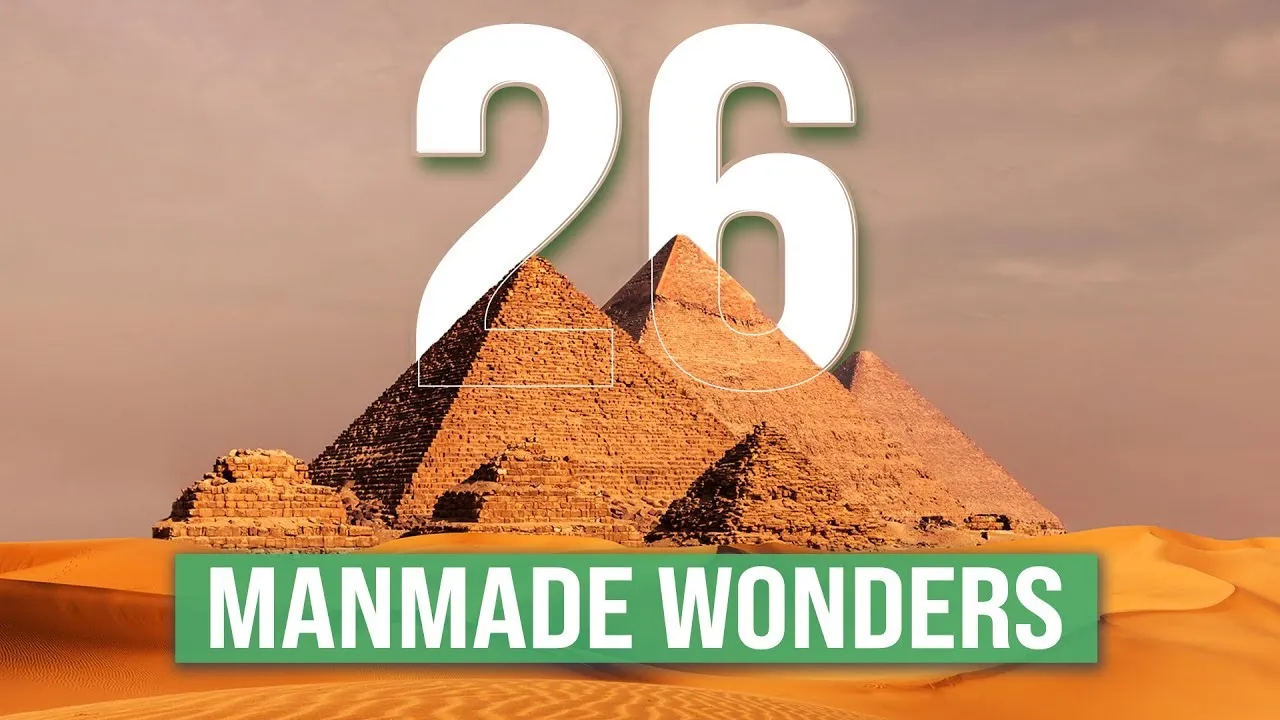
welcome fellow explorers to Hungry passports Journey Through the marvels of human Ingenuity and creativity today we embark on an extraordinary Voyage to uncover the 26 great man-made wonders of the world from ancient monuments that have stood the test of time to Modern Feats that defy the limits of possibility these wonders showcase the Pinnacle of human achievement so pack your curiosity and join us as we Traverse continents and epochs celebrating the Monumental legacies humans have crafted across our planet number 26 nanin Castle Germany perched at top a rugged Hill in Bavaria nanstein Castle looks like it's
straight out of a fairy tale commissioned by Ludwig thei of Bavaria in the 19th century its Romanesque Revival design inspired the Sleeping Beauty Castle in Disneyland nanstein is a testament to the king's love for the Arts and Wagner's operas with its lavish in interiors and stunning Mountain backdrop making it one of the most popular tourist attractions in Germany number 25 the gugenheim museum bilb Spain next we arrive at the gugenheim Museum bil BAU a masterpiece of contemporary architecture designed by Frank gy since its opening in 1997 it has become one of the most admired works
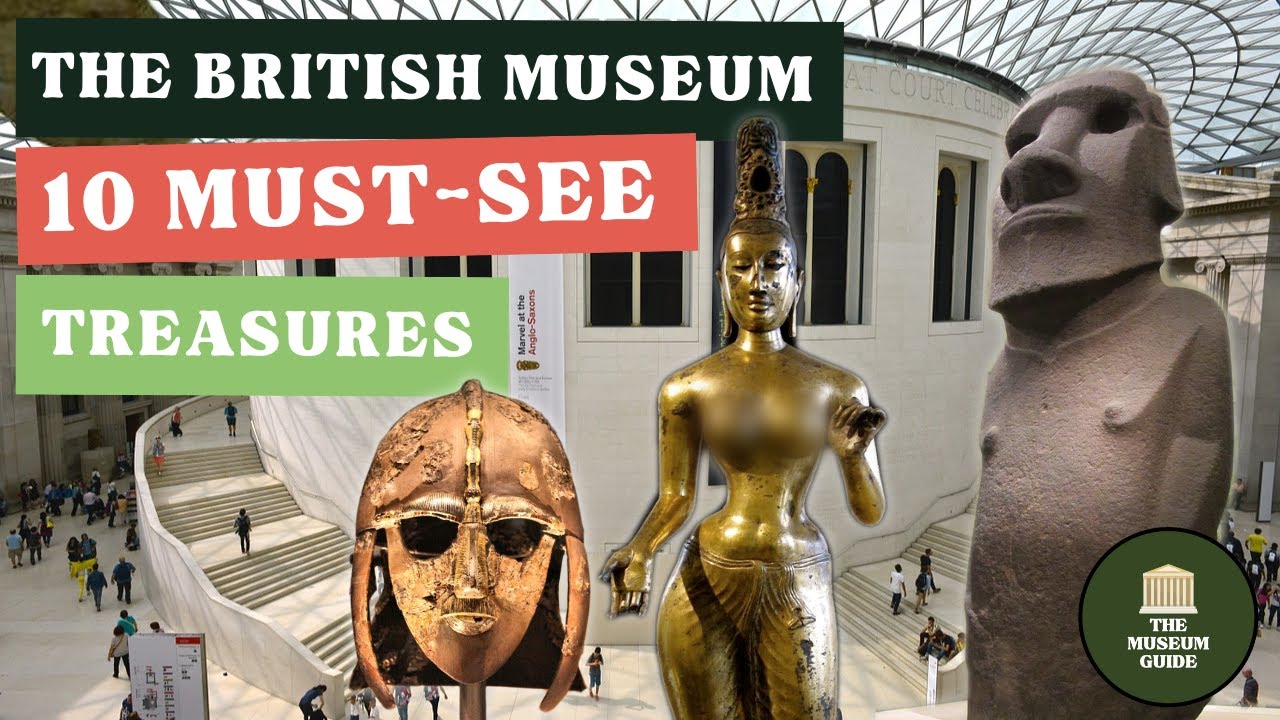
of contemporary architecture hailed for its innovative design and the role it played in revitalizing the city of bil ba the Museum's titanium clad curves reflect the light in different ways throughout the day and its galleries house modern and contemporary artworks making it a beacon of artistic and Architectural Innovation number 24 the moai statues of Easter Island Chile on the remote Easter Island the moai statues stand as silent witnesses to a Lost Society these towering figures carved by the rapanui people from volcanic rock between the 13th and 16th centuries are marvels of human effort and cultural
expression the statues with their oversized heads and haunting gazes are believed to represent the ancestors of the rapanui overseeing and protecting their descendants visiting these Giants offers a glimpse into the islands mysterious past and the Ingenuity of its people number 23 the Leaning Tower of Pisa Italy the Leaning Tower of Pisa is famous worldwide for its unintended tilt construction began in the 12th century but the tower began to lean during construction due to a poorly laid foundation and soft ground completed in the 14th century it stands at 56 M tall and leans at about a
4° angle despite its precarious position the tower has survived centuries and has become a symbol of resilience and Architectural uniqueness drawing visitors from around the globe to Marvel at its beauty and the engineering challenges it presents number 22 the cine Chapel Vatican City the cinee chapel known for its Renaissance art especially the ceiling painted by Michelangelo between 1508 and 1512 is a Cornerstone of Vatican City this masterpiece of high Renaissance art with scenes from Genesis and the last judgment showcases Michelangelo's skill in depicting the human form the chapel serves as the site of the papal
conclave where new Popes are elected linking it to the heart of the Catholic Church its art and architecture speak to themes of Faith human nature and divine Beauty capturing the essence of the Renaissance number 21 Stonehenge Wiltshire England Stonehenge a prehistoric monument in Wiltshire England consists of a ring of Standing Stones each around 13 ft High 7 ft wide and weighing approximately 25 tons archaeologists believe it was constructed from 3,000 B BC to 2000 BC its purpose whether as a ceremonial site a burial ground or an astronomical Observatory remains a subject of research and debate
stonehenge's alignment with the solstices suggests a deep understanding of celestial movements highlighting the sophistication of Neolithic and Bronze Age peoples number 20 the Lou Paris France nestled in the heart of Paris France the Lou stands as a test to the depth and breadth of human creativity and history originally built as a fortress in the late 12th century under King Philip II the Lou was transformed into a royal palace in the 16th century before becoming the Magnificent Museum we know today in 1793 it's not just the world's largest Art Museum it's a historic Monument that Bridges
the past and present of human achievement spanning over 72735 sare Meers of exhibition space the museum is home to more than 380,000 objects and displays 35,000 works of art dating from prehistory to the 21st century number 19 the Hagia sopia Istanbul Turkey originally constructed as a cathedral in 537 ad under the Byzantine emperor Justinian I first the Hagia Sophia in Istanbul has stood as a masterpiece of Byzantine architecture for centuries its massive Dome was considered an engineering marvelous of its time and it remained the world's largest Cathedral for nearly a thousand years the Hagia Sophia
has served as a cathedral a mosque and now a museum reflecting the complex history and cultural diversity of Istanbul its interior is adorned with mosaics calligraphy and marble pillars showcasing the artistic achievements of both the Byzantine and ottoman Empires number 18 the Palace of versa France the Palace of Versailles located just outside Paris is the epitome of the opulence and extravagance of the French monarchy originally a hunting lodge for King Louis II it was transformed by his son Louis the 14th into a magnificent Palace symbolizing the absolute power of the French monarchy the palace is
renowned for its Hall of Mirrors the Grandeur of its Gardens and the Trianon palaces the Treaty of Versa which ended World War I was signed here in 1919 today versailes stands as a symbol of French art and history attracting millions of visitors from around the world number 17 Christ the Redeemer Rio De Janeiro Brazil overlooking Rio de Janeiro from the peak of the 700 met tall cavado mountain the statue of Christ the Redeemer is one of the most recognized monuments in the world completed in 1931 the statue stands 30 m tall with its arms stretched
28 M wide symbolizing peace and welcoming constructed using reinforced concrete and soap stone this iconic symbol of Brazil is not only a religious symbol but also a cultural Landmark offering breathtaking views of the city and its surroundings number 16 the alhamra Granada Spain the alhamra is a stunning Palace and Fortress complex located in Granada Spain constructed during the mid-4th century by the Moorish rulers of the Emirate of Granada in alandal its name alhamra means the red one in Arabic a reference to the red Sandstone used in its construction the alhamra is renowned for its intricate
Islamic Art including arabesques calligraphy and finely crafted tilework as well as its beautiful gardens such as the General Life which served as a Summer Palace and Retreat for the Muslim kings number 15 the Sydney Opera House Australia an icon of 20th century architect ecture the Sydney Opera house with its revolutionary design sits on the shores of Sydney Harbor designed by Danish architect jurn utson and opened in 1973 its distinctive sail-like shells and setting make it one of the most photographed buildings in the world the opera house is not only a masterpiece of modern architecture but
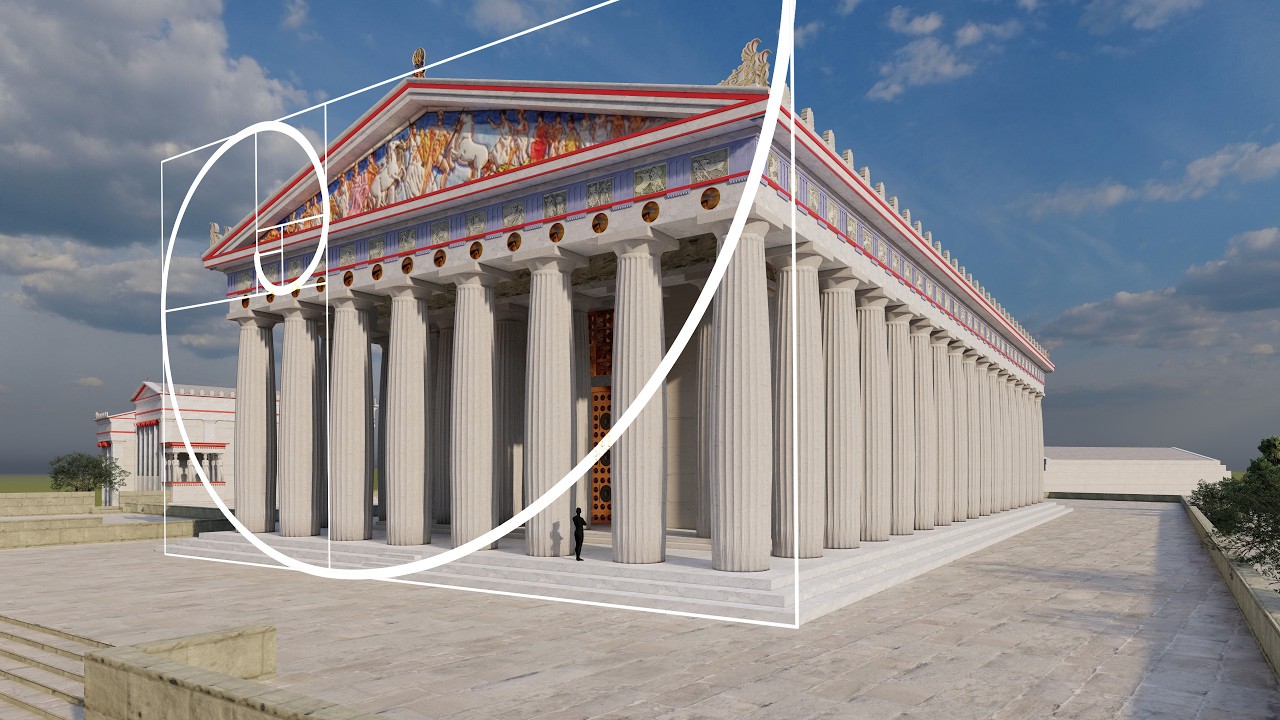
also a vibrant Performing Arts venue hosting over 1,500 performances each year including Music Theater dance and Opera number 14 the Acropolis of Athens Greece the Acropolis of Athens is an ancient Citadel located on a rocky outcrop above the city of Athens containing the remains of several ancient buildings of great architectural and historic significance the most famous being the panon the Acropolis symbolizes the glory of ancient Greece and serves as a beacon of democracy and philosophy it was constructed in the fifth century BC and has withstood the ravages of time invasions and natural disasters remaining a
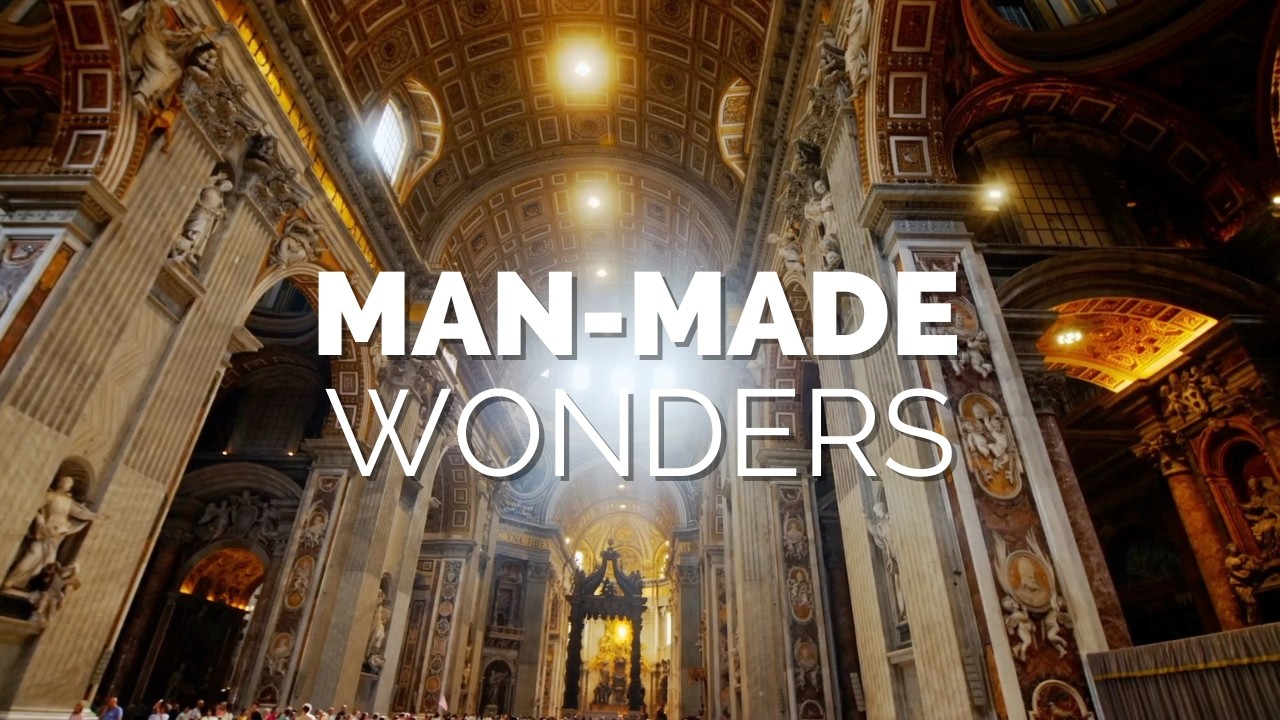
powerful symbol of Greek Heritage and culture number 13 St Peter's Basilica Vatican City St Peter's Basilica in Vatican City is one of the largest churches in the world and a central symbol of the Catholic church built over a span of 120 years in the Renaissance and Baro Styles the Basilica is regarded as one of the holiest Catholic shrines and a stunning example of Renaissance architecture its Dome designed by Michelangelo dominates the skyline of Rome the interior of St Peter is filled with many renowned works of art including Michelangelo's pitar the Basilica stands on the traditional
site where Peter the Apostle who is considered the first pope was crucified and buried number 12 the Forbidden City Beijing China the Forbidden City at the heart of Beijing served as the Imperial Palace for 24 Emperors during the Ming and ching dynasties covering 180 Acres it is the world's largest Palace complex comprising 980 surviving buildings with 8,000 sun and4 rooms constructed from 1406 to 1420 this vast complex embodies traditional Chinese palacial architecture and has influenced cultural and Architectural developments in East Asia and Beyond The Forbidden City was the ceremonial and political Center of chinesa government
for almost 500 years and is now a museum that attracts millions of visitors eager to explore its Rich history and exquisite architecture number 11 Anor wat Cambodia Anor wat a temple complex in Cambodia is the largest religious monument in the world originally constructed as a Hindu Temple dedicated to the god Vishnu in the early 12th century it was gradually transformed into a Buddhist temple by the end of the 12th century spanning over 162 hectares and Anor wat is admired for its Grandeur and the intricacy of its design featuring a moat an outer wall and a
series of three rectangular galleries each raised above the next its central tower symbolizes Mount meu the center of the universe in Hindu and Buddhist cosmology making Anor wat a masterpiece of symbolic and Architectural significance number 10 the Coliseum Rome Italy in the heart of Rome stands the Coliseum an enduring symbol of the Roman Empire's Grandeur this architectural Marvel was constructed between ad70 and 80 under Emperor Vespasian and later completed by his son Titus with its capacity to hold an estimated 50,000 to 80,000 Spectators the Coliseum hosted gladiatorial combats wild animal hunts and public spectacles such
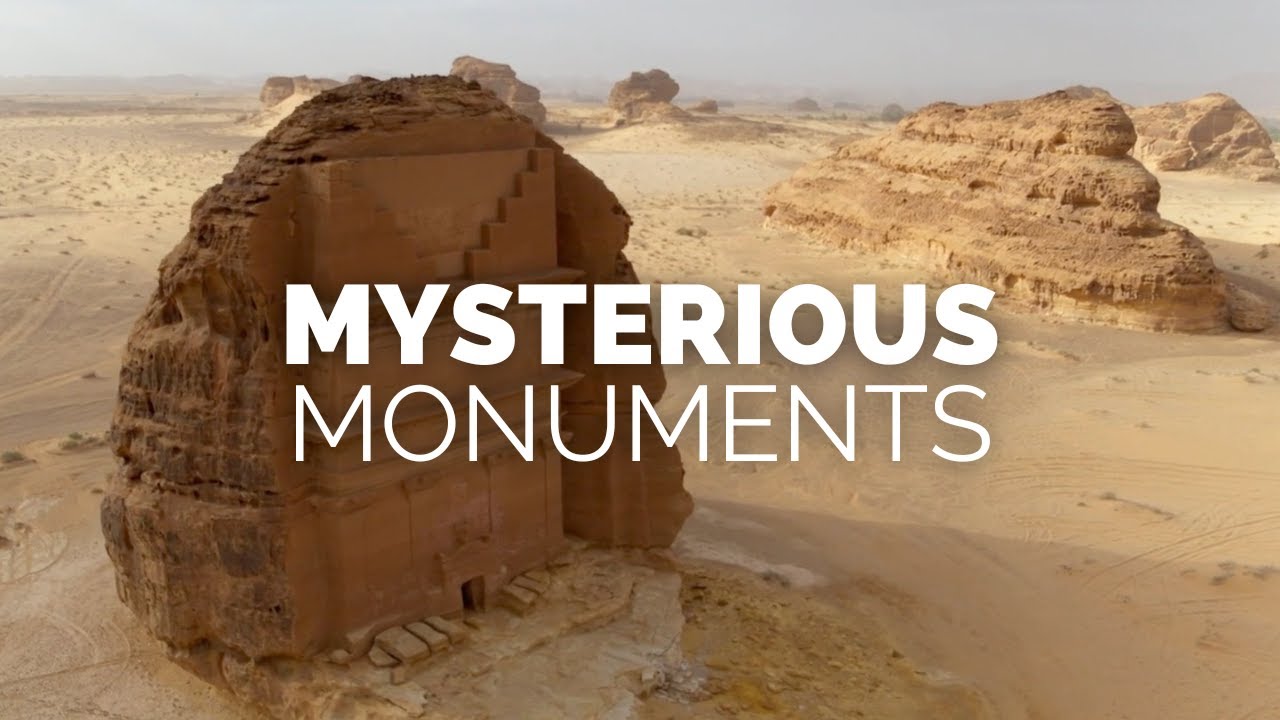
as mock sea battles its ingenious design includes a complex system of vaults and arches allowing for quick entry and exit of massive crowds the Coliseum not only demonstrates the engineering Genius of ancient Rome but also serves as a poignant reminder of the city's history and the transitory nature of Power number nine Petra Jordan carved directly into the vibrant red Sandstone of Southern Jordan's desert landscape Petra is a testament to the Ingenuity and artistic prowess of the naans this Ancient City established as early as 312 BC was a crucial trading Hub linking silk and Spice routs
from Asia to the Mediterranean the sik a narrow Gorge leading into the city reveals Petra's most famous structure alazne or the treasury believed to be the melum of nabatian King aritas IV Beyond its stunning facades Petra encompasses a vast network of tombs temples and an advanced water management system highlighting the naban sophisticated understanding of engineering and hydrology number eight the Great Wall of China the Great Wall of China a formidable ancient defense system winds its way across China's Northern Frontier from the Yellow Sea to the GOI desert constructed and maintained between the 5th Century BC
and the 16th century to protect the Chinese States and Empires against invasions its total length exceeds 13,000 mil making it the world's longest man-made structure the wall is not a continuous line but a series of sections built from stone brick tamped Earth and other materials featuring watchtowers and Barracks it stands as a monument to Chinese strength and resilience offering insights into China's historical military strategies labor force mobilization and Architectural Innovation number seven Machu picu Peru Machu picu often referred to as the lost city of the incor is situated high in the Andes Mountains of Peru
rediscovered by ham Bingham in 1911 this 15th century Incan site was unknown to the outside world for centuries its structures built with the Precision of interlocking stones without mortar have survived earthquakes and time Machu picu was an astronomical Observatory and a sacred ceremonial site as evidenced by the intiwatana stone which aligns with the Sun during the solstices its Terrace Fields demonstrate the Inca's Mastery over their harsh mountainous environment showcasing Advanced AG cultural techniques and Water Management Systems number six the Taj Mahal Agra India the Taj Mahal a jewel of mugal architecture was commissioned by Emperor
shajahan in 1632 to house the tomb of his beloved wife mumtaz Mahal this Ivory White marble mosum on the South Bank of the yamuna river in Agra India is a masterpiece of Persian and mugal architecture the complex includes a mosque and a guest house surrounded by formal Gardens bound rounded on three sides by a crenelated wall the Taj Mahal's construction involved thousands of Artisans and Craftsmen and the marble was inlaid with precious and semi-precious stones in intricate patterns creating a stunning effect of light and color number five the Burge Khalifa Dubai UAE Rising above the
desert the Burge Khalifa in Dubai is the Pinnacle of skyscraper engineering standing as the tallest building in the world since its completion in 0 soaring to a height of 828 M this architectural Landmark comprises residential spaces offices and the Armani Hotel its design inspired by the Spider Lily incorporates Cutting Edge Technologies to withand Dubai's extreme temperatures and high winds the Burge khalifas observation decks offer unparalleled views of Dubai symbolizing the city's ambition and the remarkable advancements in contemporary architecture and engineering ing number four chichin ITA Mexico Chichen ITA located on the Yucatan Peninsula of Mexico
was one of the largest Maya cities and is recognized for its diverse array of architectural Styles the most famous structure here El Castillo or the Temple of kulan is a step pyramid that demonstrates the Maya's astronomical and Architectural expertise on the spring and Autumn equinoxes the play of the Sun's light and Shadow creates the appearance of a serpent descending the pyramid symbolizing The Feathered Serpent God kulan the city also features the great ball court the largest and most sophisticated Mesoamerican ball court where players engaged in a ritual game with religious significance number three the Eiffel
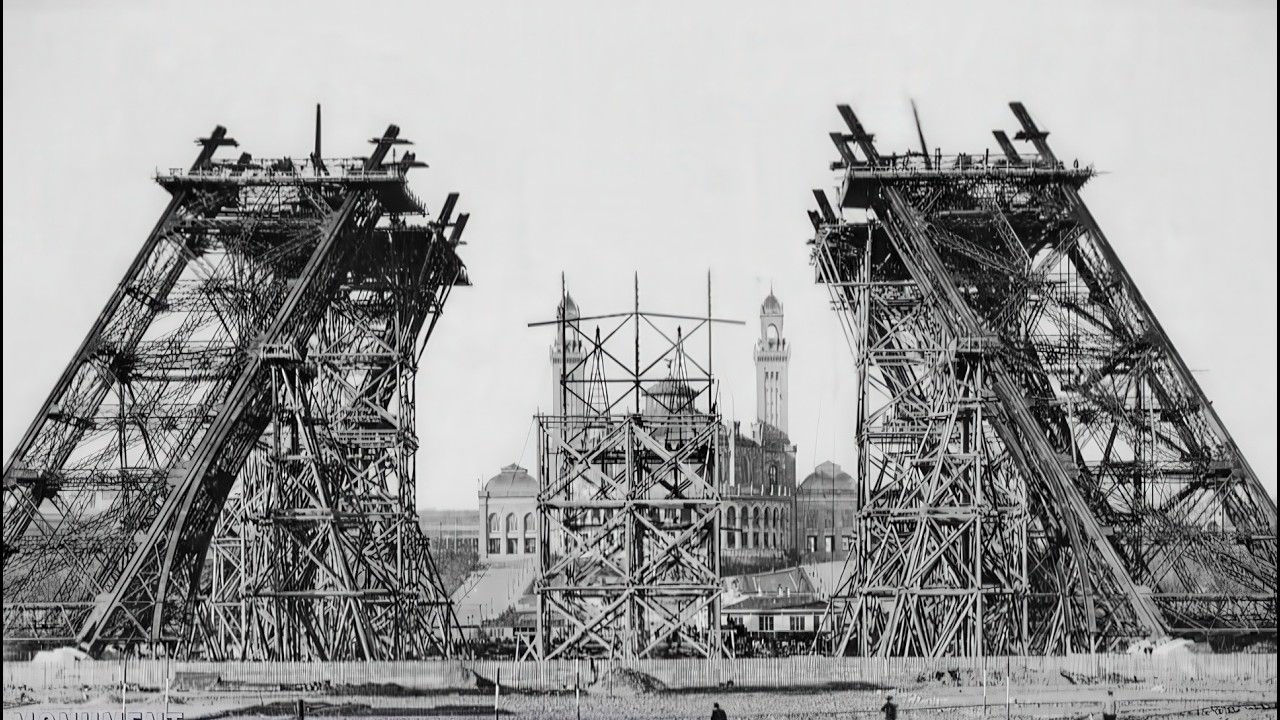
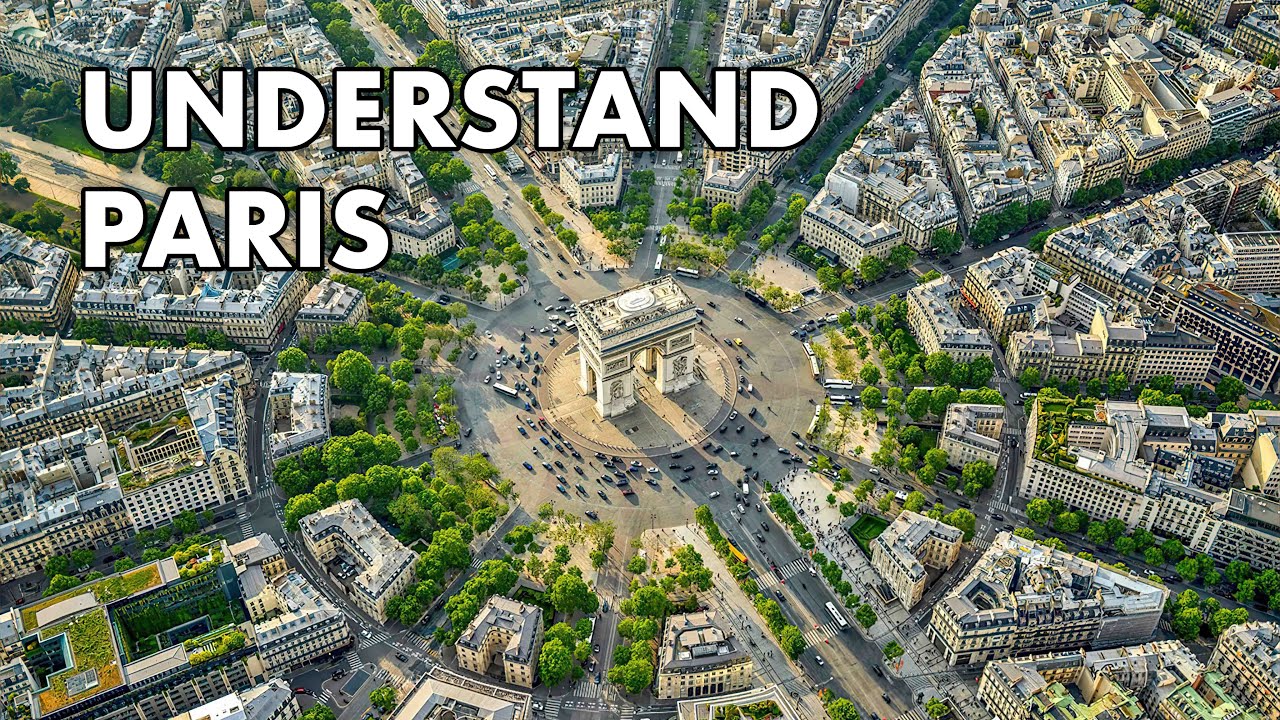
Tower Paris France the Eiffel Tower designed by Gustav Eiffel for the 1889 Exposition universel was a controversial structure initially criticized for its design standing at 300 124 M it was the world's tallest man-made structure until the completion of the Chrysler Building in New York in 1930 the tower's iron lce structure a Marvel of civil engineering has made it a beloved icon of French culture and a symbol of Paris besides serving as a tourist attraction the iel tower has been used for radio transmission and scientific experiments demonstrating its functional as well as aesthetic value number two
the Statue of Liberty New York USA gifted by France to the United States in 1886 the Statue of Liberty stands as a beacon of freedom and democracy on Liberty Island in New York Harbor designed by Frederick August bartoldi with a structural framework by Gustav iel the statue represents liberas the Roman goddess of Freedom bearing a torch and a tablet inscribed with the date of the American Declaration of Independence standing at over 93 me me from base to torch it welcomed millions of immigrants to the United States in the late 19th and early 20th centuries symbolizing
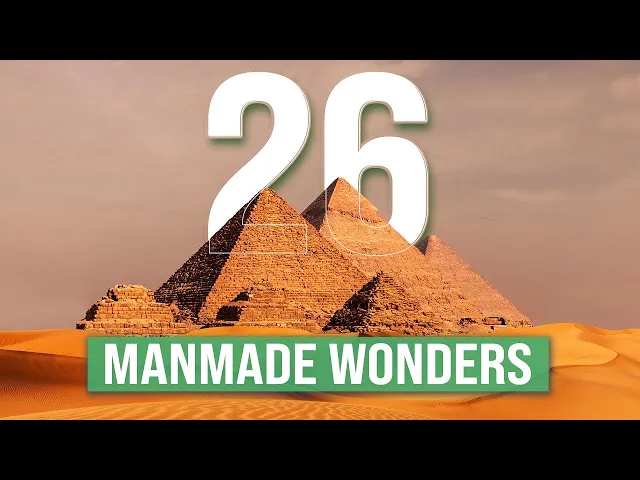
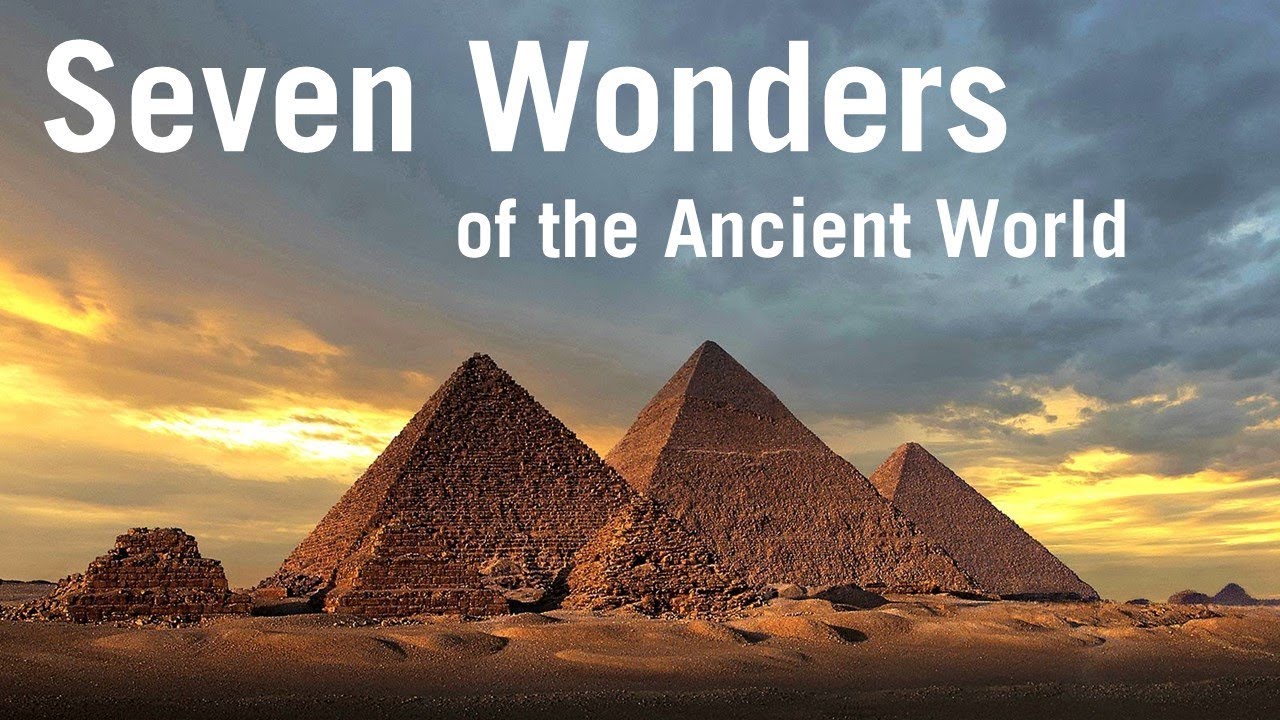
Hope and New Beginnings number one the Pyramid of Giza Egypt the Great Pyramid of Giza the oldest of the seven wonders of the ancient world has stood as a symbol of Egypt's ancient civilization for over 4,500 years built as a tomb for Pharaoh kufu around 2580 2560 BC it originally stood at 46.6 M making it the tallest man-made structure in the world for over 3,800 years the Precision in its orientation with its four sides closely aligned with the cardinal points and the sheer scale of construction involving millions of Limestone blocks reflect the Egyptians Advanced understanding
of mathematics astronomy and Engineering the pyramid complex also includes two other major pyramids several smaller pyramids and the great sphin thinks forming one of the most significant archaeological sites in the world wrapping it up our journey through these 26 great man-made wonders has taken us across the globe each Wonder tells a story of cultural achievement technological advancement and the enduring human Spirit to create and Inspire these sites challenge us to see the world in new ways to appreciate the past and to imagine the future as we end our tour we're reminded of the boundless creativity
and res I that Define our Collective human Heritage may it inspire you to explore these wonders and discover the stories they [Music] hold