getting frustrated with your energy bills trust me I know the feeling last winter I stared at my heating bill so long I thought the numbers would magically shrink but here's something wild our ancestors from the Middle Ages might have actually had some genius Solutions we completely forgot about while we're sitting here with our fancy thermostats and complaining about drafty Windows medieval folks were absolute pros at keeping warm without spending a single penny on electricity and no they weren't just sitting around freezing their boots off they had some pretty clever tricks up their wool sleeves you
know what's really funny these heating methods disappeared faster than your dad's hair in his 40s most of them got lost in the shuffle when the Industrial Revolution came rolling in with its shiny new technologies everyone was so excited about Modern Heating that they tossed these old school methods aside like yesterday to's leftovers but get this archaeologists recently discovered that some medieval homes maintain temperatures of up to 70° Fahrenheit during winter using nothing but these forgotten techniques pretty impressive for people who thought the Earth was flat right speaking of impressive heating methods let's talk about one
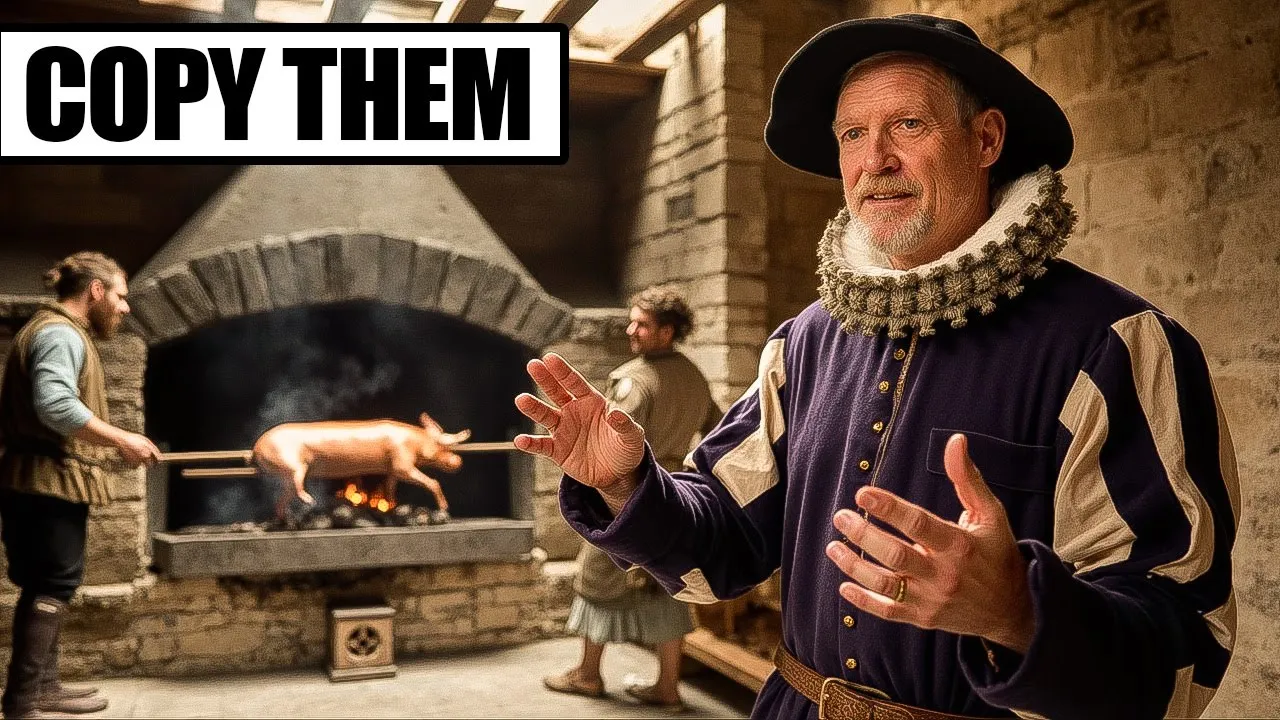
of their coolest or should I say warmest inventions the medieval Hearth it wasn't just some basic fireplace it was the Beating Heart of every home literally unlike our modern fireplaces tucked away in Corners like shy teenagers at a school dance medieval hearths stood proudly in the center of the main room and boy did they know what they were doing with this setup here's what made these hearths absolute genius they worked with the entire house to create a natural heating system the stones around and under the Hearth would soak up heat during the day like a
giant hot water bottle then just like that friend who never knows when to leave a party these Stones would keep radiating warmth long after the fire died down some medieval buildings even had stones that stayed warm for up to 12 hours after the fire went out the smoke was actually part of their master plan too instead of rushing up a chimney which many houses didn't even have it would slowly find its way out through gaps in the roof now before you wrinkle your nose this smoke acted like a natural Pest Control System keeping bugs out
of the Timbers and helping preserve food hanging from the rafters talk about killing two birds with one Stone though I guess nowadays we'd say feeding two birds with one scone to be more politically correct recent studies of surviving Medieval houses showed these Central Hearts could heat spaces up to 600 square ft effectively that's about the size of a modern apartment and get this the stone floors around these hearths have been found with Scorch marks from being constantly heated to temperatures over 300° F makes my attempts at heating up leftover pizza look pretty amateur in comparison
but what about those times when even the mighty Hearth wasn't enough well that's where the medieval folks got really creative with their Community Solutions speaking of which wait until you hear about their ingenious communal fires because while we might complain about our neighbors today medieval folks actually needed their neighbors especially during winter the whole it takes a village thing wasn't just a saying back then it was their heating strategy every village had these amazing communal fire spots where people would gather to stay warm and honestly they sound way better than my neighborhoods HOA meetings these
communal fires were usually set up in the Village Square or a dedicated building called a warming house and before you start thinking it was just a boring fire pit these places were the Medieval equivalent of our coffee shops community centers and social media all rolled into one people would bring their work share news AKA medieval Facebook and even cook together historians found records showing some Villages maintained these fires 24/7 during winter months with families taking turns to keep them going here's something wild archaeologists discovered that these communal warming houses were strategically placed so that smoke
would blow away from The Village's main areas these medieval Engineers weren't messing around they even calculated that a typical Village warming house could serve up to 50 people at once which is more efficient than running 50 separate Home Fires talk about medieval energy conservation the best part these spots created a real sense of community people would share stories arrange marriages and even hold Court sessions there one historian found a record from 1267 where a village solved a property dispute over a chicken while warming their toes by the communal fire now that's what I call killing
two birds with one well maybe I shouldn't finish that saying given the chicken situation but sometimes you couldn't make it the communal fire or maybe you just didn't feel like listening to Mrs Johnson from two houses down talk about her prize-winning turnips again that's when personal heating Solutions came in handy like these clever little hand warmers and pocket Stones because personal Heating in medieval times was like carrying around your own tiny furnace except way cooler these folks invented portable heating before portable anything was even a thing instead of those chemical hand warmers we use today
for camping medieval people carried heated stones and Metal containers filled with hot coals they were basically walking around with their own little pieces of their Hearth the most popular hand warmers were called chauff fettes fancy French name for what was essentially a metal ball with holes in it you'd fill these bad boys with hot coals and carry them in your pockets or muffs rich people had super fancy ones made of silver or gold while regular folks used iron or copper one medieval merchants inventory from 1378 listed over 30 different types of handw warmers talk about
product variety the pocket Stones were even more interesting they'd heat these smooth River Stones by the fire until they were toasty warm then wrap them in bits of cloth archaeological digs have found thousands of these stones with Telltale wear patterns from being constantly handled and reheated some even had little grooves worn into them from being carried in the same pocket day after day makes my phone's wear patterns look pretty boring in comparison but here's where it gets really clever they didn't just use these for their hands people would put heated stones in their boots tuck
them into their clothes or even use them to warm up their beds before sleeping there's this hilarious court record from 1422 where a man got in trouble for accidentally taking someone else's heated stone at a church service apparently ston Waring theft was a real crime back then the punishment he had to provide heated stones for the entire congregation for the rest of winter some doctors even prescribe specific types of stones for different ailments got a stomach ache here's a flat stone soar back try this curved one it was like the medieval version of a heating
pad prescription the funny part is modern science shows they weren't totally wrong heat therapy actually does help with certain types of pain and when personal heating wasn't quite enough medieval folks turned to an even more interesting source of warmth they're furry friends but I'm not talking about cats and dogs here the medieval solution for home heating involves some much bigger animals in fact you might be wondering why medieval barns were often connected to houses well it wasn't because farmers were too lazy to walk outside they were actually using their livestock as living breathing furnaces a
single cow gives off as much heat as a small space heater about 1,000 BTUs per hour now multiply that by five or six cows throw in a couple of sheep and you've got yourself a serious heating system medieval Farmers would build their homes with a clever setup the living areas would share a wall with the animal Barn usually on the North side to block those Chilly Winds the animals body heat would seep through the walls creating a natural warming effect it's like having a bunch of space heaters that also produce milk and wool studies of
surviving medieval farmhouses show that room sharing walls with animal pens stayed about 10° warmer than other rooms the best part these animals were basically self-maintaining heaters feed them some hay and they'd keep pumping out warmth all night long sure the smell wasn't great medieval air fresheners weren't really a thing but I guess when you're freezing a little farm fragrance is better than turning into a human icicle one medieval text from 1382 actually gives Specific Instructions about which animals make the best heaters cows were top tier followed by horses while chickens well let's just say they
were the Medieval equivalent of those tiny USB heaters that barely work there's even a record of a landlord in 1415 who charged less rent for houses that didn't share a wall with the barn medieval real estate's first heating included discount but what about folks who couldn't handle the Barnyard aroma therapy well they got pretty creative with their next heating solution using some seriously smart science even though they didn't know it was science they figured out how to make fire work twice as hard using reflectors because long before anyone knew about the physics of heat reflection
these clever folks discovered that shiny metal plates and Polished Stone Surfaces could bounce heat back into a room like a basketball player making a perfect pass the most common reflectors were made from polished brass or copper sheets strategically placed around fireplaces and cooking areas these weren't your average bathroom mirrors we're talking about massive metal plates some as big as dining tables archaeological finds show that by the 14th century some wealthy homes had entire walls covered in polished metal panels talk about medieval bling with a purpose the science behind it is pretty impressive tests on recreated
medieval reflectors showed they could increase a room's temperature by up to 30% that's like getting a third more heat from the same amount of firewood and these folks figured this out centuries before anyone understood how heat radiation worked my high school physics teacher would have been impressed here's a fun fact one medieval castle in France had silverplated walls in its Great Hall the Lord who installed them wasn't just showing off his wealth he was actually creating a massive heat reflector system though I bet explaining that to the tax collector was interesting no really the silver
walls are for heating not just to make my neighbors jealous the best part they discovered that curved reflectors worked even better than flat ones some clever medieval Engineers even designed Corner fireplaces with curved metal backs that could spread Heat across an entire room it's like they invented medieval surround sound but for heat these curved reflectors were so effective that some medieval documents show people actually complained about rooms being too hot now that's a winter problem we'd love to have records from a monastery in 1388 mention a particularly clever setup where they used a series of
angled reflectors to direct heat into the monastery's infirmary creating what we'd Now call targeted heating zones the monks called it God's mirrors though I'm pretty sure God was more impressed with their prayers than their heating system but what about those cold winter nights when even the fanciest reflectors couldn't quite cut it that's when medieval folks broke out their secret weapon for a cozy night sleep the bedw warmer aka the medieval electric blanket was pure genius in its Simplicity a long-handled copper or brass pan filled with hot coals would be slid Between the Sheets like a
giant warm sandwich filling these warming pans weren't just practical they were often beautifully decorated with patterns and Designs making them the medieval equivalent of those fancy gadgets we keep in our kitchens today each pan could hold enough hot coals to keep a bed toasty for about 2 to 3 hours which was usually enough time to fall into a cozy sleep rich people would have servants warm their beds for them while common folks would do the coal shuffling themselves fun fact archaeologists found one pan from 1435 with sweet dreams don't let the ice bite engraved on
its handle seems like medieval folks had a sense of humor about their chilly night but here's where it gets interesting they had a whole system worked out the coals would be carefully selected from the evening fire with the best one saved for bedw Waring why because nobody wanted to wake up to Smoky sheets or worse a fire record show that some towns actually had special bed warmer inspectors whose job was to make sure people weren't using dangerous coals talk about a weird job title to put on your medieval LinkedIn a single warming pan could raise
bed temperatures by about about 20 to 25° F enough to turn a freezing bed into a cozy Nest some clever folks even developed a rotation system using multiple pans throughout the night one historical document mentions a particularly cold winter in 1442 when a nobleman used six different warming pans to keep his massive bed heated that's what I call High Maintenance sleeping but for those who couldn't afford fancy warming pans or didn't trust themselves not to set their beds on fire there was another solution that helped keep the warmth in while they slept enter the canopy
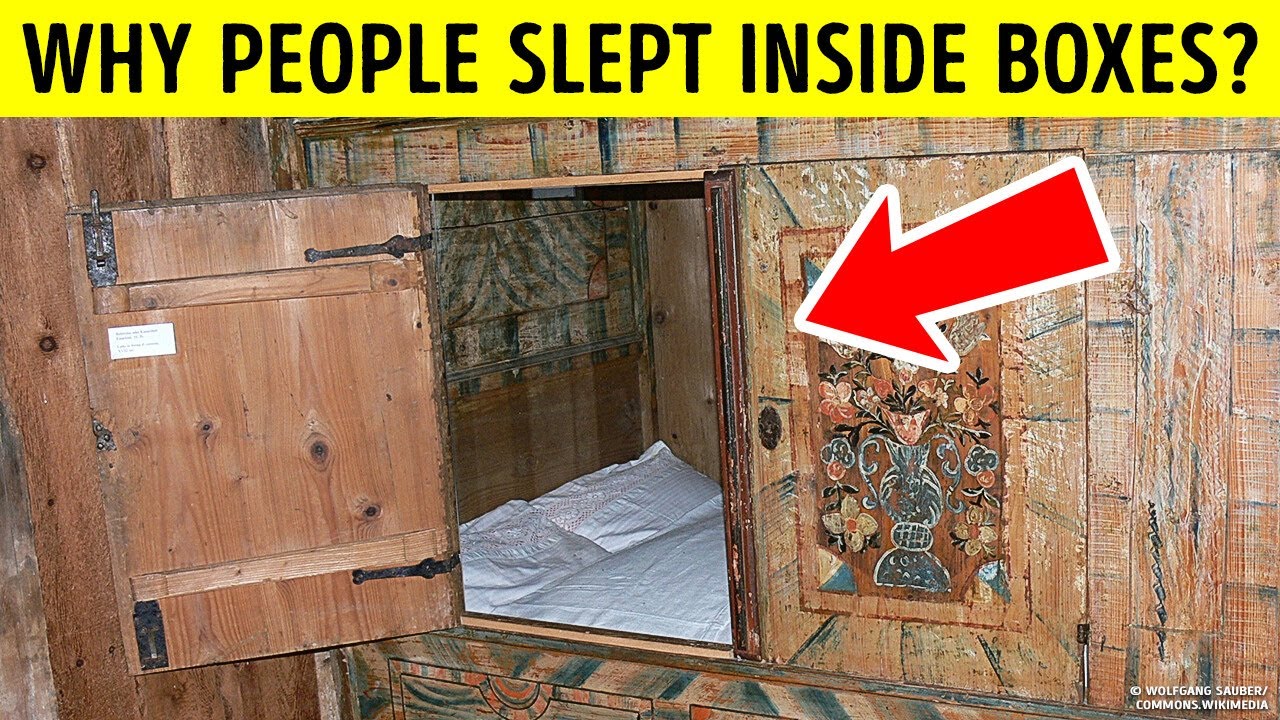
bed and trust me it wasn't just about looking fancy because canopy beds weren't just medieval interior designers showing off they were actually brilliant heat traps the heavy curtains around these beds work like a personal sleeping bag keeping your body heat from escaping into the cold room records show these beds could maintain temperatures up to 15° warmer than the rest of the room making them the original sleep pods medieval Carpenters became experts at designing these beds for maximum warmth the best ones had double layered curtains and a covered top that created a mini room within the
room some even had special slots built into the posts to hold those bedw warmers we talked about earlier talk about medieval Smart Home Technology the funny thing is people started competing over who had the fanciest bed curtains one record from 1389 mentions a merchant who spent more on his bed curtains than his house now that's what I call Mixed Up Priorities but at least he was warm scientists tested a recreated medieval canopy bed and found that with all curtains closed it only took about 10 minutes for body heat to create a cozy microclimate inside but
what about staying warm during the day well medieval Builders had another trick up their sleeves they turned their attention to something we still use today the power of the Sun and they were way better at using it than most modern Architects because these medieval Builders were basically solar power Pioneers just without the fancy panels they figured out that if you built a house with big Windows facing south you could trap the sun's heat like a champ these weren't your regular Windows either they were strategically placed to catch the low winter sun while staying Shady during
summer it's like they invented seasonal temperature control before air conditioning was even a dream the Real Genius came from how they used stone walls they'd build these thick walls that would soak up heat during the day and slowly release it at night like a stone hot water bottle tests on Surviving medieval buildings showed these walls could store enough heat to keep rooms warm for up to 8 hours after Sunset some castles even had special sun rooms with walls up to 6 fet thick Now That's What I Call extreme insulation you know those modern passive solar
homes everyone's talking about turns out medieval Builders beat them to it by about 800 years archaeological studies found that some medieval houses were angled exactly 17 .5 de east of true South the perfect position for maximum sun exposure during winter and here I am still trying to figure out which way is north on my phone's Compass a particularly clever Lord in 1356 had his Great Hall built with differen sized windows on each floor the bottom windows were smaller to prevent heat loss while the top ones were huge suncatchers his servants probably thought he was crazy
but energy bills weren't exactly a thing back then were they but sometimes even the smartest Sun catching tricks weren't enough to keep out the cold that's when medieval Builders would look up way up to their next heating solution those seemingly simple thatched roofs weren't just medieval folks trying to look rustic they were actually incredible natural insulators pack straw creates thousands of tiny air pockets that trap heat working just like modern home insulation but unlike that pink stuff in our attics today these roofs were completely natural and lasted for decades a well-made thatched roof could be
up to 2 ft thick and tests show they were better at keeping heat in than most modern roofing materials the really wild part these roofs actually breathed theyd let just enough moisture escape to prevent mold while keeping all the warm air inside a properly thatched roof could reduce heat loss by up to 50% compared to other medieval Roofing options one medieval record from 1397 mentions a particularly snowy winter where thatched houses stayed so warm the inhabitants had to open their windows in January meanwhile their tile roof neighbors were probably huddled around their fires wondering what
kind of magic was happening next door but the best invention for staying warm during those Long Winter nights well that came from some seriously creative thinking about where to put hot rocks these medieval heating Engineers had one last trick up their sleeves and it involved turning the floor into a giant heating pad because here's the thing about really big Stones they hold on to heat like teenagers hold on to their phones medieval people discovered that if you heated up large stones in a fire and then tucked them under the floorboards they'd radiate warmth for hours
it was like having heated floors before heated floors were cool a typical setup would use Stones weighing between 20 to 30 lbs each they'd heat these bad boys up during the day then slide them into special slots under the wooden floors or benches tests on similar Stones showed they could stay warm for up to 6 hours and get this some Medieval houses had dedicated ston warming pits built right into their kitchens like a prehistoric microwave just for rocks the really fancy places even had ston warming schedules documents from one 15th century Manor House show they
rotated 24 Stones throughout the day with servants switching them out every four hours talk about a hot job scientists estimate this system could maintain room temperatures around 65 degrees Fahrenheit 18 degrees Celsius even when it was freezing outside one monk wrote in 1403 about how they used this trick in the monastery's infirmary he called it God's Own heating though I'm pretty sure God would have just invented central heating if he was directly involved in medieval architecture and there you have it 10 genius medieval heating methods that put our modern solutions to shame makes you wonder
what other brilliant ideas we've forgotten over the centuries doesn't it maybe it's time to bring some of these back minus the Barnyard smells of course