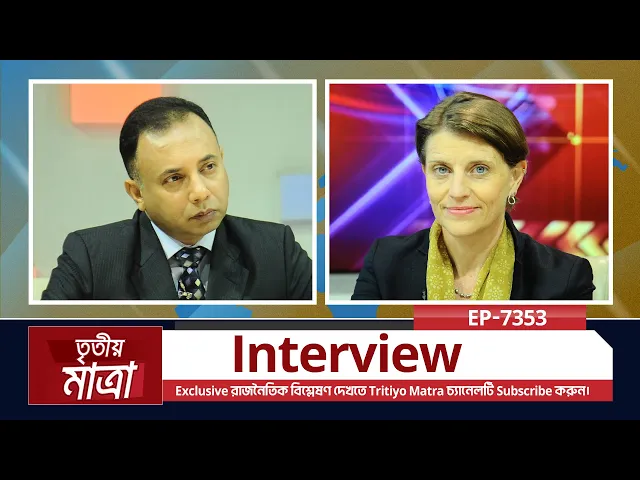
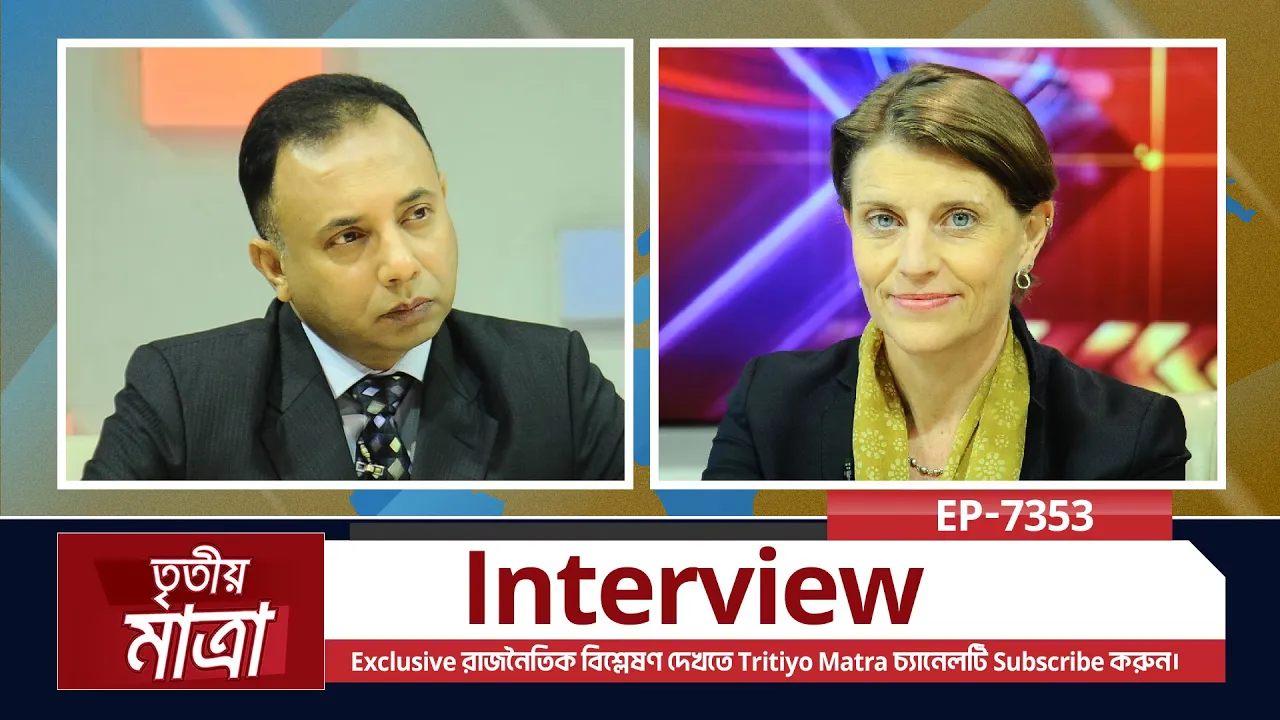
welcome once again to Twitter Matra the United Nations involvement with the Bangladeshi begin during the early stages of Bangladesh Liberation war in 1971. as a billions fled to neighboring India the thin U. N security General launched the first U.
N response in Bangladesh in April in collaboration with the Indian government and with the packing of Unicef WAP Who and the league of Red Cross societies the unacr to the lead in coordinating humanitarian assistance to 10 million Bengali refugees following Independence the refugees returned to Bangladesh and even organizations participated in the restoration process currently the UN system in Bangladesh is working to support National development priorities through a new generation framework called the even sustainable development cooperation framework UNS DCF which is aligned with the ace disease and the 2030 agenda for sustainable development in Bangladesh you and agencies have been collaborating in a new uncoordinated manner to assist the government in implementing the ace disease and increasing development impact in privacy areas to discuss the matter of the UN in Bangladesh we have with us Ms Gwen Luis the U. N resident coordinator in Bangladesh basically always welcome to the show very happy today so the independence of Bangladesh even has been one of Bangladesh main development Partners from your perspective what is the role of ah the UN in Bangladesh now so you're absolutely right I think the UN has been very much with Bangladesh since 1971 and The Liberation War um but I think the un's involvement with Bangladesh and our partnership has changed um as much as Bangladesh has changed in that Journey until today in 1971 we I think who and wfp so the Health Organization and the food organization were first on the ground to provide assistance to people in Bangladesh and that was just very basic humanitarian assistance and over the years as as Bangladesh has developed and the country has has now reached a stage where they're graduating from least developed country status the relationship has evolved and the type of support has also evolved so today I I think you've mentioned the cooperation framework we're really working on different areas that are more linked to sustainable development and that's things like the economic development and supporting the Bangladesh and thinking through job creation thinking through graduation from least developed country status we're working on creating a more resilient and healthy environment looking at climate change adaptation locally adaptation how we can support Bangladesh's voices in global forum when we're advocating for loss and damages and we are also working on issues such as strengthening social services and social systems thinking through what we can do to enhance with the Ministry of Education for example the quality of Education that's been provided Bangladesh has made huge strides in education but there's always further Innovation for their ideas for the qualities that can be enhanced another area of work is around gender-based violence and looking at enhancing gender equality progress that's already been made and we also work with institutions such as the national Human Rights Commission or some of the state infrastructure to look at how we can enhance institutions so it's much more a technical and a support role that's really led by the government and led by the policies such as the eight five year plan or the various policy changes that the government and the people of Bangladesh would like to see so it's it's really an evolving relationship and I I am one of the things that happened after 1971 was the Cyclone bowler and the loss of life and again we're we're still supporting in terms of humanitarian response when there's a climate disaster but it's a totally different types of support it's much more technical it's much more on guidelines there's no more about saving lives and the government does that miss one always what are the primary areas of whether U. N and Bangladesh are currently cooperating and what are the main challenges uh for this cooperation given that numerous classes taking place worldwide like pandemic like Ukraine Russia oh I mean we cooperate in many many areas and I think Bangladesh has made huge progress on poverty eradication and reduction on various different aspects of the work but I think we also have a very strong and important Global partnership and Bangladesh is a huge contributor to peacekeeping for example and that's one of the pillars of the UN Charter is peace and security so Bangladesh provides at the moment 6 000 troops including 400 women soldiers to peacekeeping Bangladesh is also on this in the Human Rights Council which is a very very important role in terms of promoting and protecting human rights and human rights across the globe so there's another key area where we we see Bangladesh's leadership and Bangladesh is also a chair of many of the UN agencies which is a undp a unops the projects agency and so there's a lot of interaction on climate issues on the climate vulnerable Forum or on advocacy globally so there's a really important role that Bangladesh plays multilaterally um but there are many challenges you've said to yourself and and this week in New York uh there's the general assembly and then we're talking about the sdg summit and the Secretary General has called for a huge level of investment 500 billion um US dollars from the developed countries to really support us moving forward on the sdgs because there isn't enough investment we're not making enough progress and we're also facing huge challenges as everyone knows in Bangladesh much better than I am on climate we we're not going to hit the 1.
5 degrees Celsius Target by the end of the century unless we make further progress and that has huge implications and and so um we we really need to hear the voices of countries like Bangladesh and advocating to address those challenges and then as I've mentioned we have a lot of support joint work together in Bangladesh on the national adaptation plan on generating a uh labor standards looking at the agricultural sector reform for example e-filed and FAO are doing credible work with the Ministry of Agriculture so there's a very strong long partnership a multi-sectoral and obviously there's also the humanitarian aspect and Bangladesh is welcome to million rohingya refugees to the country and so we do a lot of work as well in humanitarian assistance as we were mentioning about the sdg summit and you know that the Bangladesh Prime Minister is currently visiting New York to attend the unsdc summit what are your expectation of the summit and how can Bangladesh acceleratives progress towards the sustainable development goals in your opinion well that's really why I wanted to come on the show today is to talk about the summit because I think it's incredibly important and we've made only about 12 progress across the world on sdgs at the moment we should be at 50 we are halfway through reaching 2030 and we are not making the progress that we need to make across the world so I'm really really pleased that the Prime Minister and the team are have gone to New York because it demonstrates a commitment to the sdgs and it also is pushing other countries to come together and really think through how we can accelerate progress we need to do better on social protection and jobs we need to do better on looking at digital infrastructure we need to do better on education across the world on health so bringing the world leaders and asking them to recommit is really really important and the prime minister is not just in New York attending the summit she's also brought a statement of national commitment with her which is a statement that has been worked on across the Ministries across the government to articulate what the government would like to see going forward for the next 15 years and highlighted some of these really critical areas so the Summit is very important because it's really about rescuing the people and the planet and there is also a climate ambition Summit which is part of the meetings in in New York which will hopefully also energize and help us move forward and in the run-up to cup during the opening of the Bangladesh private sector walking committee you stated I quote you know when it comes to the U. N sustainable development goals Bangladesh private sector has so much to gain and so much to give unquote could you please elaborate on how proper selected action to on this disease play a role in releasing in the 2030 agenda for sustainable development well I mean private sector in Bangladesh has been a key driver of development in the country and the private sector has contributed to an economic development already hugely and whether that's a ready-made garment sector whether that's Pharmaceuticals whether that's the agriculture sector which people don't talk about so much but but has been a huge driver of growth and but that um obviously the journey continues we're still on the on the same Journey we need to enhance we need to move towards middle income status in terms of Economic Development so how how the private sector invests in the future how the private sector innovates and develops will be very important in terms of ensuring that the development path continues and that growth continues so one area is around diversification for example I'm bringing in different types of Enterprise to Bangladesh but another one is guaranteeing decent work catalyzing green jobs involving more women and the the the ready-made garment sector again has has great employment for women which has really brought 50 percent of the workforce into the economy which is going to be a huge factor for growth going forward and so that is a very key aspect of continued development in country but then there's also the investment so the sustainable development goals will will continue to require require significant investment and if we want to make the progress that we need to make before 2030 the investment of private sectors and is indispensable we really it needs to happen and so how we Channel those resources to the programs that are most needed is a very important conversation and that's also where we we see a more coordinated and strengthened engagement with private sector whether it's Chambers of Commerce or the Bangladeshi employers Federation or the various different private sector Partners will be really critical to further Advance the goals what do you foresee as the biggest risk for Bangladesh development trajectory um so I mean Bangladesh has done incredibly I mean that I don't I don't think anybody can deny it and we hear it a lot I think there have been challenges and there will continue to be whether it's the war in Ukraine the impact on food prices covered um uh and and the climate issue we've already touched on um but I think there's there's economic challenges and one of them is really about how we continue development and growth in the economy given the need for diversification and and bringing in different types of jobs into the country and over Reliance on one industry is is always problematic and we need to do better to train young people who are going overseas to work maybe so they can be better qualified and they can get better jobs when they do travel and I think there's risks on the social side if we're not able to increase investment in education in Social Services and Health and Social protection um young people need to have the skills that they need and we need to to really think through and where that investment is needed for the future and to take advantage of the young people and and and the workforce that's in place we talk a lot about the demographic dividend and I think we have another 10 15 years in Bangladesh to really take advantage of that so really having that focused investment will be really key including on governance and institution building for the for the future so there's still a lot of work and that needs to be done and we need to do better at ensuring locally LED adaptation that we also look at mitigation seriously in Bangladesh and so there's a lot to do on climate as well regarding sdg there are also a lot of discussions about the Bangladesh advisation from the category of the least developed country in 2026 and it's a significance for the country's future so what are the assessments of the outcomes of the upcoming LDC graduation C brings a lot of opportunities and the graduation from least developed country status but it also brings challenges with it the opportunities are increased and Trust from investors internationally so a lot more foreign direct investment it means that Bangladesh will have less costly loans potentially for development and but there are risks because what it will mean is that Bangladesh will be treated as a middle-income country so the duty-free quota free tariffs that the country has benefited from will no longer be in place so that is also some that's something that needs to be looked at and a strategy adapted climate financing won't be as readily available and intellectual property rights waivers will not be as readily available so there's a lot to do in terms of developing a strategy and to think about addressing those issues a lot of thought has already happened and but we need to continue looking at competitiveness diversification Technology Innovation so that the transition when it happens is smooth and that the economy will continue to grow so we need to see 2026 as a launching pad for 2029 and and the future of Bangladesh so it's an important time but I think it's also a time of huge opportunity and possibility for the country earlier we're talking about the climate and as you are Bangladesh is one of the most climate vulnerable countries in the world every year we see increased climate related challenges including floods monsoons and Cyclones that frequently hit Bangladesh how do you assess Bangladesh Readiness to address the climate Challenge and how does the UN support Bangladesh in its climate work so I I um I had the opportunity um to visit silet last year and following the floods and and I have to say um it's it's really difficult to describe the impact um on of climate in Bangladesh until you actually see it yourself it's it was extraordinary and and the scale of the floods and the scale of the floods that we've seen in the Chittagong District only a few weeks ago is also extraordinary and and but what is also striking is how um resilient bangladeshis are um and um this that the systems the early Warning Systems in the Country Now work the loss of life is relatively low and compared to the scale of the disasters that the country is dealing with year on year on year um and so it's frightening because it's coming faster and the scale and the unpredictability is increasing so so it's it's incredibly challenging and but Bangladesh has called for support and has called for Global action and we need to do more to support Bangladesh in terms of financing in terms of addressing the loss and damage agenda which I think is something that the country and I know and a lot of very strong Advocates are recognized across the world for the advocacy around loss and damage but we we are also supporting on locally LED adaptation many of the agencies undp FAO unfpa you and women are all working on the climate agenda and that means programs that local people have put in place themselves and we're supporting to enhance because people in Bangladesh know what people in Bangladesh need more than we do and so we're trying to support those programs and make them stronger support the national adaptation plan and the priorities in there support the Muji climate Prosperity plan which is about addressing climate but taking into account economic development at the same time so it's also an incredibly important vision for the country that we're we're trying to get behind and but then there's also the human side when the disaster hits and so providing that humanitarian support is something that we continue to do in support of the government and we also have a new program it's a program that is Bangladesh is one out of eight countries in the world it's called anticipatory action where we're able to provide support to people when we know the Cyclone is coming or before the floods so that they can buy what they need to buy travel get you know move their animals make sure that they have what they need in order to be safe and so their their livelihoods are not too badly impacted and then finally Bangladesh is a priority country for early warning for all which is a commitment from the Secretary General and the UN that every person in the country will have access to early warning regardless of the the climate crisis whether it's the Cyclone a flood a Mudslide whatever it happens to be so that's something that we're working on with the Bangladeshi red crescent society and the ministry of disaster management so there's a lot of work around climate we have to do better we need to scale up and we need to be there for for the government and the people and facing these challenges uh let's move to a very crucial issue for Bangladesh and maybe for the region as well regarding the rohingya refusal crisis ongoing in Bangladesh and we see that refugees are eventually affected by climate as they live in temporary houses are made of bamboo and Country protect themselves from the heavy rains and we also see reports of frequent fires in the camps and continuous funding Cuts what is the solution ah to this extremely complicated crisis it is extremely complicated and and again Bangladesh was a really uh demonstrated very strong leadership in opening up their borders and allowing the rohingya refugees to come into the country and but it's six years in and there's no immediate solution in sight and it's very challenging continues to be very challenging in Myanmar and so we are facing a lot of different issues and you mentioned Cyclones and weather-related disasters and we saw Cyclone mocha and the devastation this year we've had many fires in the camps and and we also are facing Financial cuts we're providing humanitarian assistance and this year we've had to cut the food rations to the rohingyas twice already and so people now are getting eight dollars a month for for food which is really only allowing them to buy rice and oil and very very basic Food Supplies so it's it's a it's a very big concern and I know there's a lot of discussion about repatriation return to Myanmar and I know there's some Pilots are being discussed between the government of Bangladesh and me and Myanmar at the moment and the un's position on that is very clear return needs to be dignified safe and voluntary if people want to return we need to take that into account and we need to support that but it has to be based on informed information and informed choice and I know that's something that the government has has advocated for and but unfortunately we believe that that will be a relatively small number in the immediate and we need to maintain support food assistance Healthcare education for the the people who are remaining in Bangladesh so it's really a priority area of work for us we're continuing to Advocate with the International Community on financing for the rohingya and because security is a concern if if um if things are left over the longer term in terms of inside the camps and not enough money not enough food and and the longer inter implications for the country is is problematic so we really need to make sure that people are taken care of and that that care is dignified that they're protected and that we're able to support them for for a while until they can go back home you have already explained the events position regarding the rohingya repatriation but uh you know the uh delegation from Myanmar visited Bangladesh twice recently and reportedly some rohingy refuses are prepared to move to Myanmar this year do you see any hope or this sorts of arrangement can ah make any fruitful Solutions so I I don't know very much I mean I know as much as anybody else in terms of the situation on the ground in Myanmar so I think what what is very important for the UN is again it and that people need to be safe when they return home and that that return needs to be dignified so if people volunteer and they want to go back and they have all of the information we'll of course support that and I think that's what the government is trying to do and I think there are conversations that need to be held in Myanmar because when people go back they need to also be supported the financial situation and Myanmar and the economy is not in a good place there's a lack of humanitarian funding as well and so it's important that we're able to make sure that people are taken care of when they go back but also that there's some good conversations around citizenship around safety and and key considerations that the Rangers themselves have and what is clear is my when I go to visit the camps and I talk to people people would like to go back to Myanmar they're incredibly grateful to Bangladesh and but we just need to make sure that it's it's done in a way that is um good for the individuals themselves there are a lot of different perceptions regarding the un's role in human rights issues in Bangladesh and uh what's your role as the U. N resident coordinator and the role of the U.
N on human rights in Bangladesh is um so I mean maybe just to start by saying the un's work emanates from the U. N Charter and which is has basically three pillars three components one is peace and security which is linked to peacekeeping and all of that work and other is human rights and the third component is development so we we do have a role in human rights in the United Nations and it's very much embedded in our cooperation framework and if we're working on education every child has a right to education has needs to have access to education so leaving no one behind is very much part of the sdgs that it needs to be inclusive and so rights and educate Right to Work Education Health freedom of expression all of those rights very much part and parse I love our work on the ground Bangladesh is member of the UN Human Rights Council Bangladesh is signatory to eight out of nine of the the human rights conventions and that means that Bangladesh promotes and protects human rights um so we're here also to support the government and the people of Bangladesh promote and protect human rights recently uh even a special report you said that the draft cyber Security Act said to replace the digital Security Act yes it should be revised and you know the law has been already passed in the parliament how is that even working with the government in this regard and did you think this partnership has the potential to be fulfilled so um before the the current cyber Security Act and before it was uh amended it was the digital Security Act and oh it's the office of the High Commissioner for refugees provided quite a lot of technical inputs on the law and to assist the government of of Bangladesh to make sure that the law was compliant with International standards and so those comments and that feedback there was quite a lot of exchange and the new draft law has been passed now and the same technical colleagues the lawyers and I have provided comments and feedback and the special rapporteur and Irene Khan has also provided her inputs on the on the CSA so I think um having a very constructive and open dialogue is important we I know that colleagues will continue to Lobby on some of the issues that they see with the law and I'm sure that we will continue to have that discussion with with the law Ministry and hopefully and we can reach some agreement in terms of some of the the change is needed you know this is election year for Bangladesh and it's a very critical and crucial time for Bangladesh and the election commission has stated that Bangladesh will hold its next elections in January 2024. do you have any opinions on the upcoming elections uh what are your views of the un's role regarding the elections so um the U.
N only has a role in elections in a country when it's specific requested and there's only a couple of ways it can be requested one is if there's a general assembly resolution or the security Council requests the U. N to participate or if there's a formal request from the government and so the government of Bangladesh has not made any formal requests for support for within the elections we could potentially provide for example technical support or materials for polling stations but that request hasn't been given to the U. N and so we don't have a role in Bangladesh in the elections and so that's very much uh the the state of play um and we don't have any say either on the outcome of the elections that's really for the people of Bangladesh to decide the U.
N has expressed constants over the political violence that has injured and called the people over the last few months in Bangladesh last year you highlighted this issue while talking at the national Press Club do you still see the potential for violence as a big issue in the coming days a month it's I mean it's very difficult for me to predict um how the situation in Bangladesh will evolve and if you were observing monitoring their situation where we monitor the situation um I mean what we we call for is a peaceful elections I think um every country deserves peaceful election every citizen and deserves not to have to face violence and so that's something that we will continue to iterate um and that's that was the remark I made last year and I think there would have been violence at the time and so that's a concern we we continue to have and call for peaceful inclusive elections in Bangladesh who recently the U. N spokesperson said the elections in Bangladesh should be free and fair could you please comment on it and elaborate it so that if you want actually so the Secretary General uh spokesperson and really speaks on behalf of the Secretary General there's not much for me to add um so the Secretary General has asked for free and fair elections and we call for peaceful elections and and that's something that I think the U.