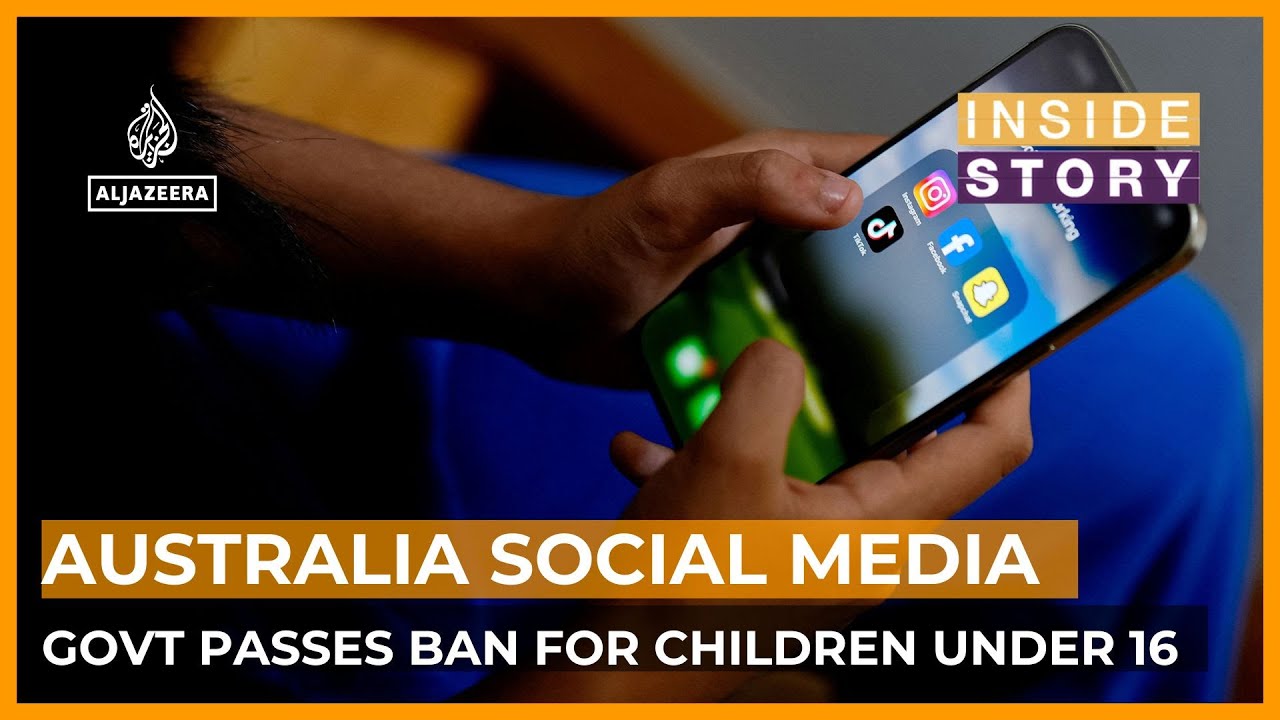
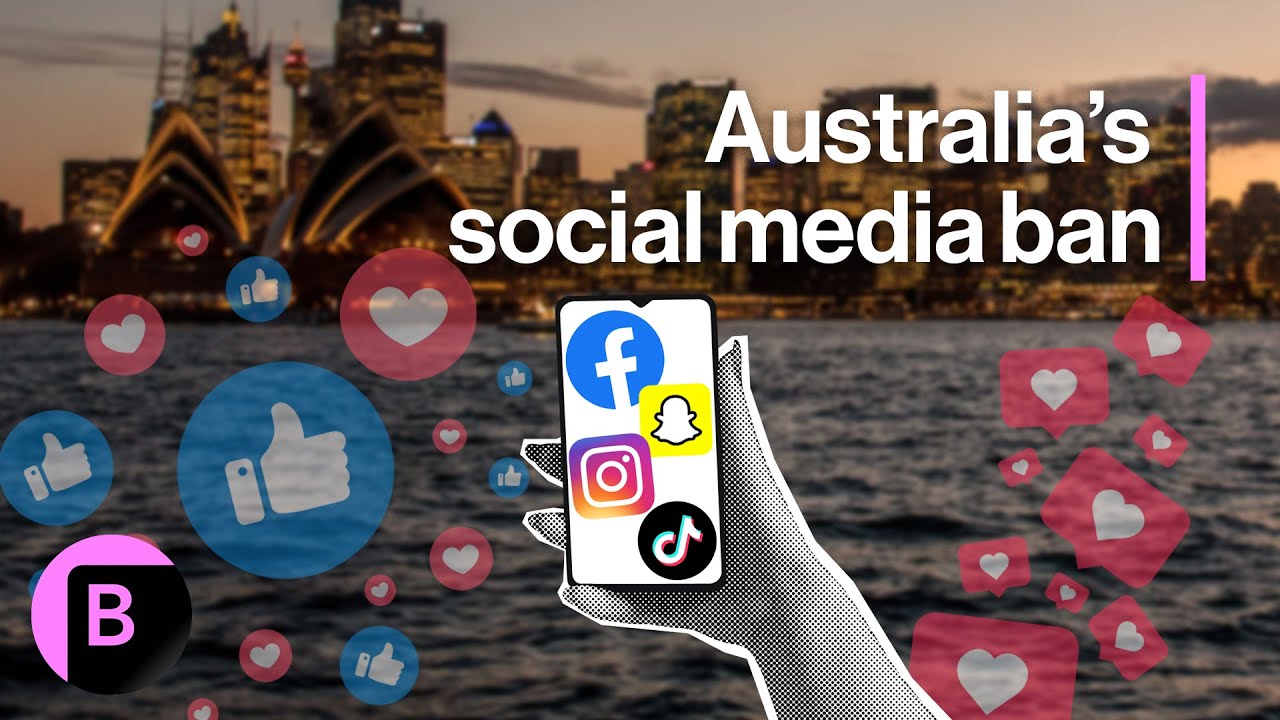
to Australia now where lawmakers have approved a world first law Banning under 16 yearolds from using social media once introduced the new legislation could see tech companies like Tik Tok Facebook and Instagram find up to 50 million Australian dollars that's almost 31 million euros if they fail to comply they've been given one year to work out how to implement the ban the approval from Australia Senate today followed a fierce debate in the country with critics claiming the new law has been rushed out and could push children towards the dark web take a listen we have
heard the cries of families who are suffering and um we cannot continue to allow this to happen any longer this bill is so weak is such a veneer it's to make all old people oldies adults feel like they've done something it's a false sense of security it's impossible and we accept this for governments to completely stop young people from accessing harmful products or content but we can help we can help by asking the social media companies to play their role and we can now talk to Angela oier she's the national technology reporter for Australia's national
broadcaster ABC welcome to the day and now this is going to be the world's harshest social media legislation how do people in Australia feel about it it really depends who you ask as I'm sure you can imagine uh you ask a lot of young people uh and I'm using that term pretty broadly you know people under 30 they're more likely to be critical of this bill um but then you know you look at parents you ask parents and uh you know this law really is pitched at them it's for them um and they have a
very strong sense that something needs to be done here uh in the Senate I mean you can see some of how that division has played out the fact that you've got um you know members of their own party you know uh sorry you've got uh party members crossing the floor to vote against the position of their own party on this uh so it really has um it really has split the room so to speak but uh it you know not not so divisive that it didn't get through MH it looks like there will be some
exemptions though what's the reasoning behind that yes uh so there was a lot of uh consultation or some consultation anyway done in the runup to uh the drafting of this legislation and uh really what the government says it's trying to do here is avoid capturing educational platforms or uh Health platforms you know the kinds of apps that are have have a narrow use but will essentially and will essentially help teenagers um there is also another function to this exemption system that we yet to get the full dat detail of but they want to essentially provide
a good incentive for platforms to improve safety and and not be banned for under 16 so whether or not that happens for any of the key platforms any of the very famous ones that we love to talk about you know Snapchat Instagram uh Facebook and and Tik Tok remains to be seen and I imagine it would be quite a high bar that they had to clear but we we we don't have the details yet of what they would even need to do in order to achieve an exemption so this is some of what the criticism
was when it came to passing this bill um from all quarters people saying well we don't have enough detail um and this is all happening very very quickly critics are also saying that this law was rushed why the urgency you think well two main reasons um that bill was one of 30s something bills that was passed yesterday it was the last day that Australian Parliament was to sit this in this year they won't be back until 2025 and 2025 is an election year in Australia so there was a strong uh a strong wish to to
get something over the line to get this specific bill over the line for the for the labor government um there is a much bigger uh reform piece at play when it comes to Online safety the main Online safety law that we have here is being reviewed and and restyled somewhat in the style of um the eu's Digital Services act in fact um but that is a much slower uh process as you can imagine it's it's a large reform it's hard to say if that would get through in time for the election and this gives the
government something to point to and say here is action um we know that you the community are concerned about these particular parents and that you're anxious maybe even desperate um here's what we've done yeah but there are still big questions about the implementation of the law let's listen to an industry spokesperson from Australia and then get back to you there are fundamental questions that haven't been answered what's the technical basis of this what's the scope how are we going to manage the unintended safety risks that this will pose to young people who may be pushed
to darker less safe parts of the internet in their attempts to get online now she does have some legitimate questions there doesn't she how do authorities plan to go about implementing this ban yeah uh they're not saying and In fairness to the bill it was never designed to to be prescriptive in that respect um it is it deliberately leaves a blank space where it you know you would be otherwise be prescriptive about the technological means for implementing a ban um it says very clearly well this will be down to this will be down to platforms
to to work it out uh of course the rebuttal to that is that where this has been asked of Platforms in other jurisdictions it hasn't been possible or or there have been other challenges of course the key challenge being privacy in that um really the only Ironclad way to verify age uh online is to take someone's government issued ID and that does create a privacy risk and you know what is often forgotten in this debate um is that you're not just asking young people to do that um you're asking everyone who wants to visit the
websites that we're talking about to do that so yeah so it's it's a huge privacy risk um or potent you know has the potential to be an enormous privacy risk um and that's something that yeah that's that's something that's complicating the the methodology question as well those tech journalist Angelo Pier many thanks