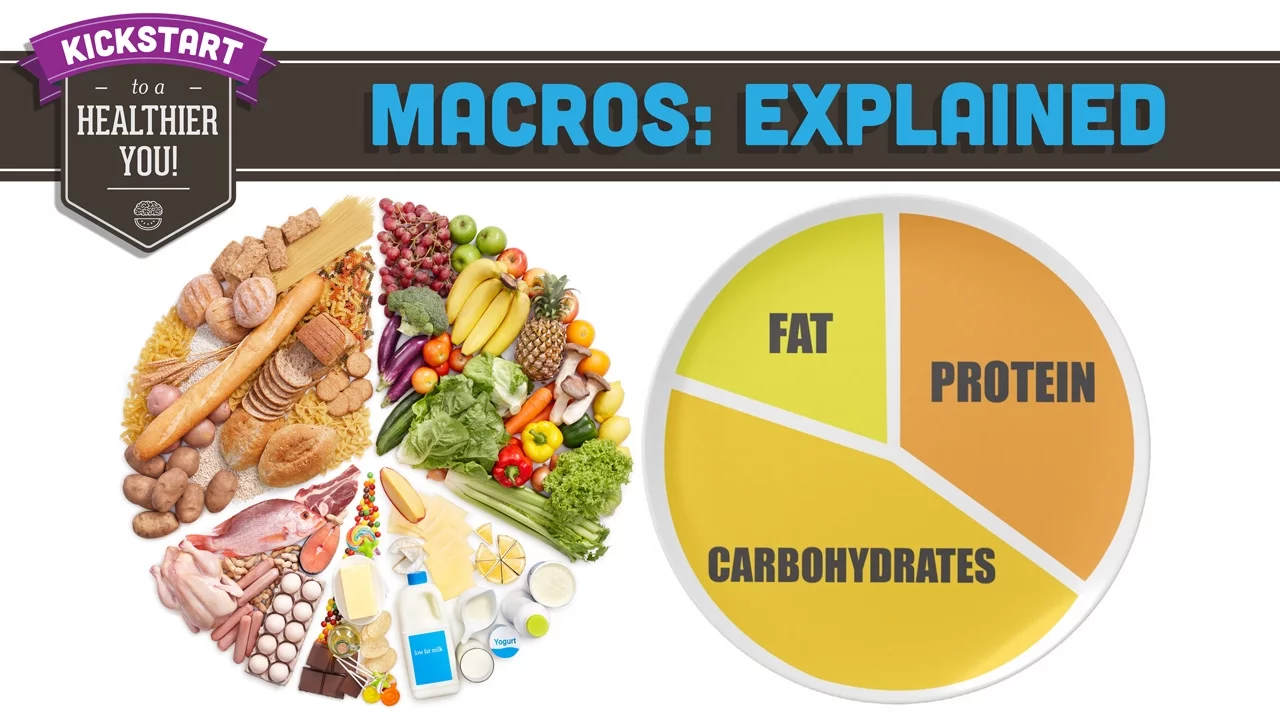
What are macros? When you are new to the journey and are trying to immerse yourself it can be pretty intimidating as it is. You're doing your research, you're watching videos it is so much information to take in and process and then you hear people blabbing about macros like it's a common word.
Macros, SAY WHAT? ! So macros are simple but we could talk forever about them.
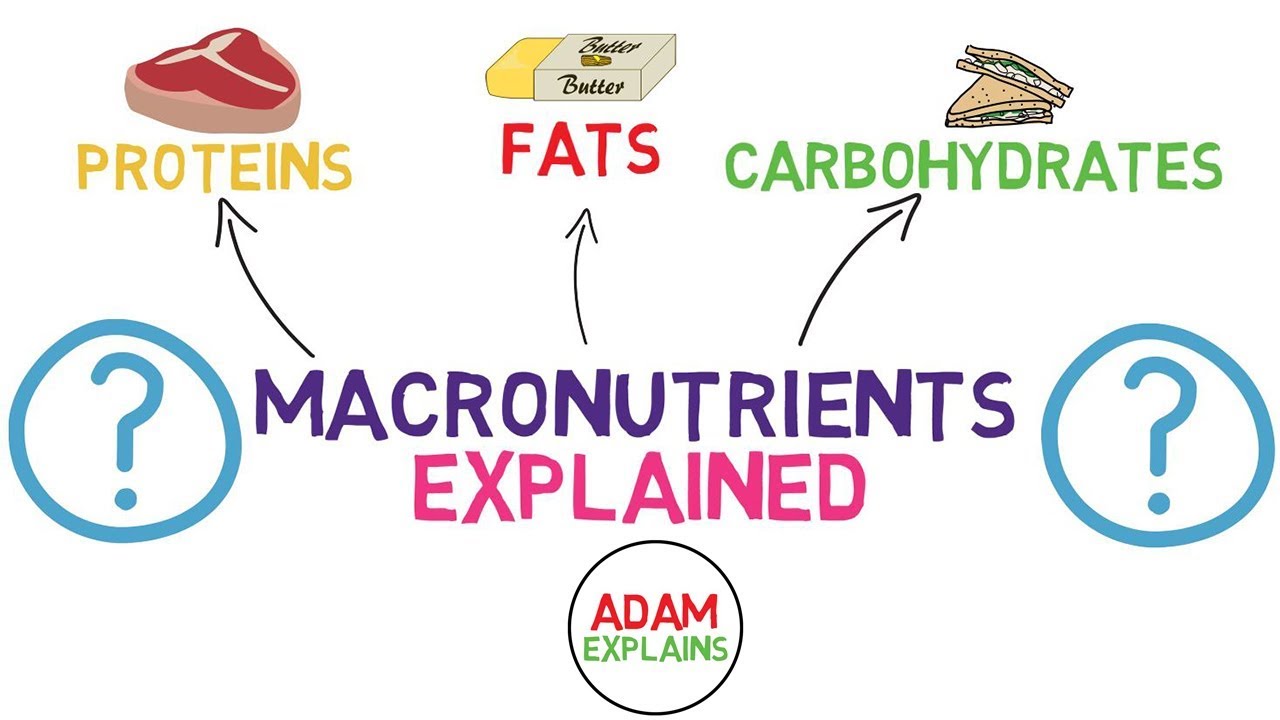
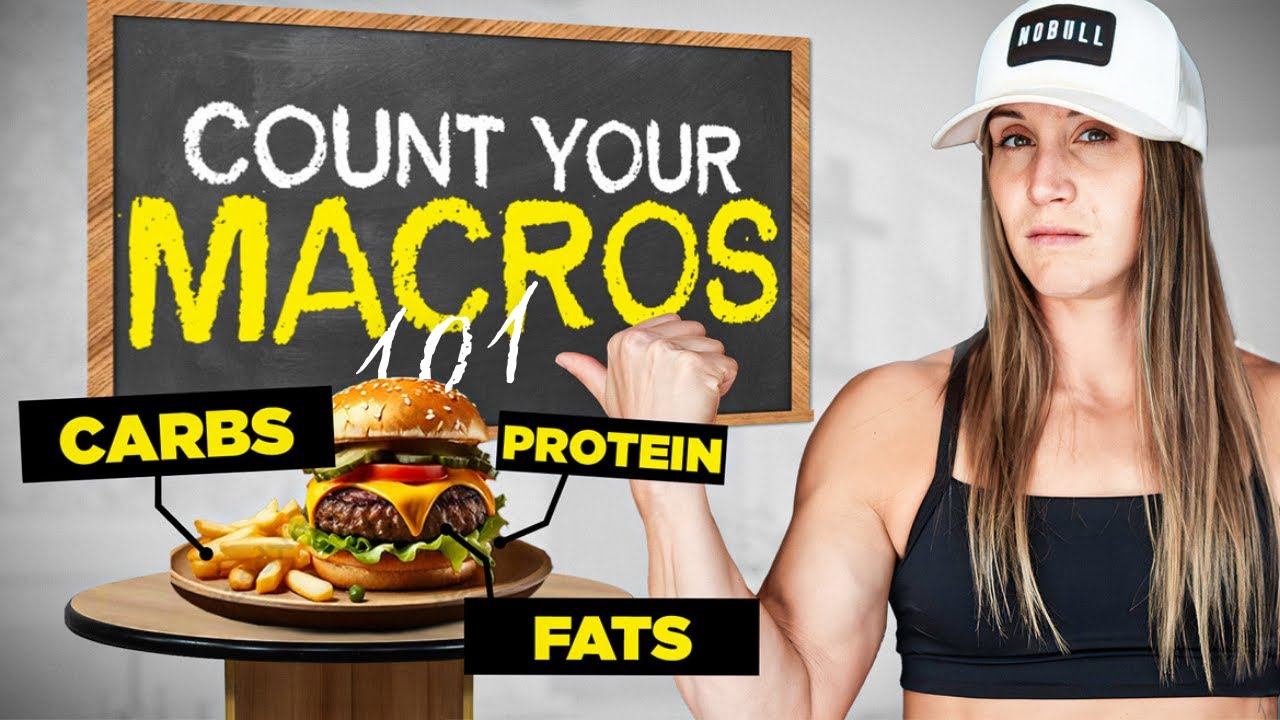
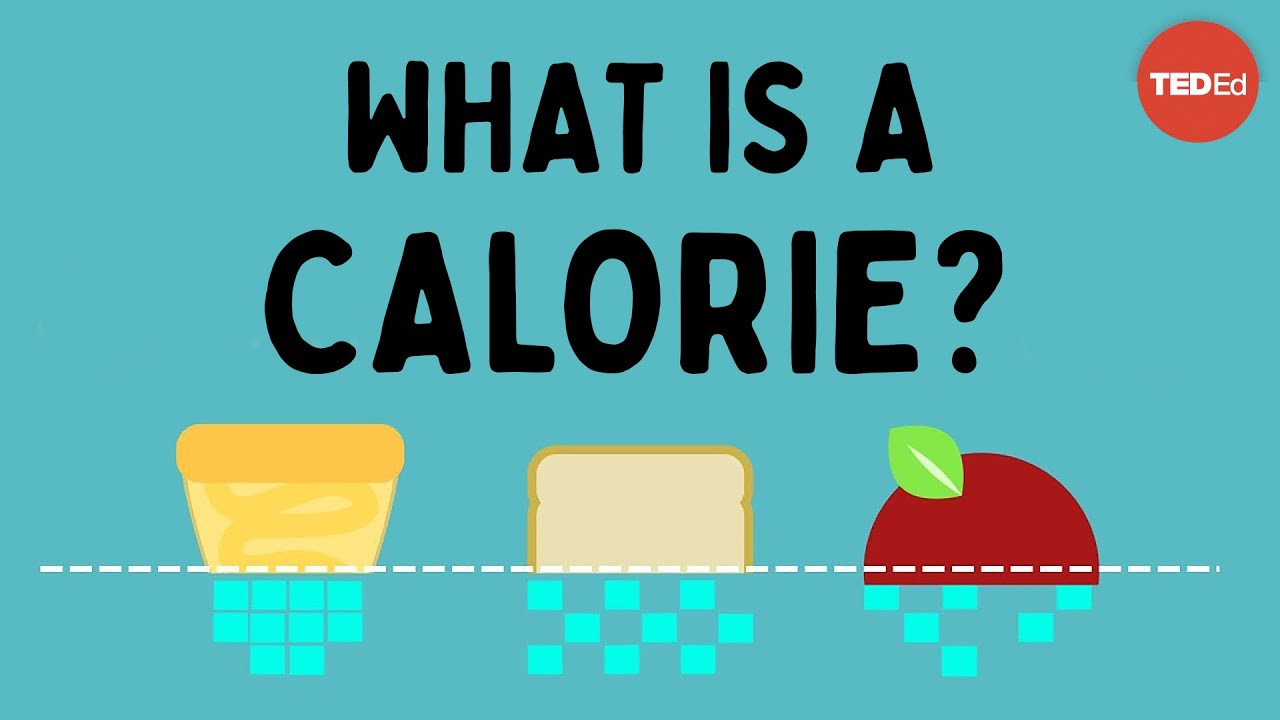
I'm going to do my best to extremely briefly break it down. Macros are macronutrients. Macronutrients are nutrients that provide calories and energy.
Macro means large, so macronutrients are nutrients that are needed in a large amounts. The three macronutrients are carbohydrates, protein, and fat. Each macronutrient provides calories but they provide different amounts.
Carbs provide 4 calories per gram, protein provides 4 calories per gram, and fat provides 9 calories per gram. If you look at a nutrition label and a product has 10 grams of carbs you know that about 40 of those calories are from carbs because 10 x 4 = 40. It doesn't always work out exactly but it should be close.
So you'll find quickly that channeling your middle school math teacher will be useful in the nutrition world. Let's tackle the biggest category and my favorite category first carbohydrates. Thumbs up if you're a carbs fan!
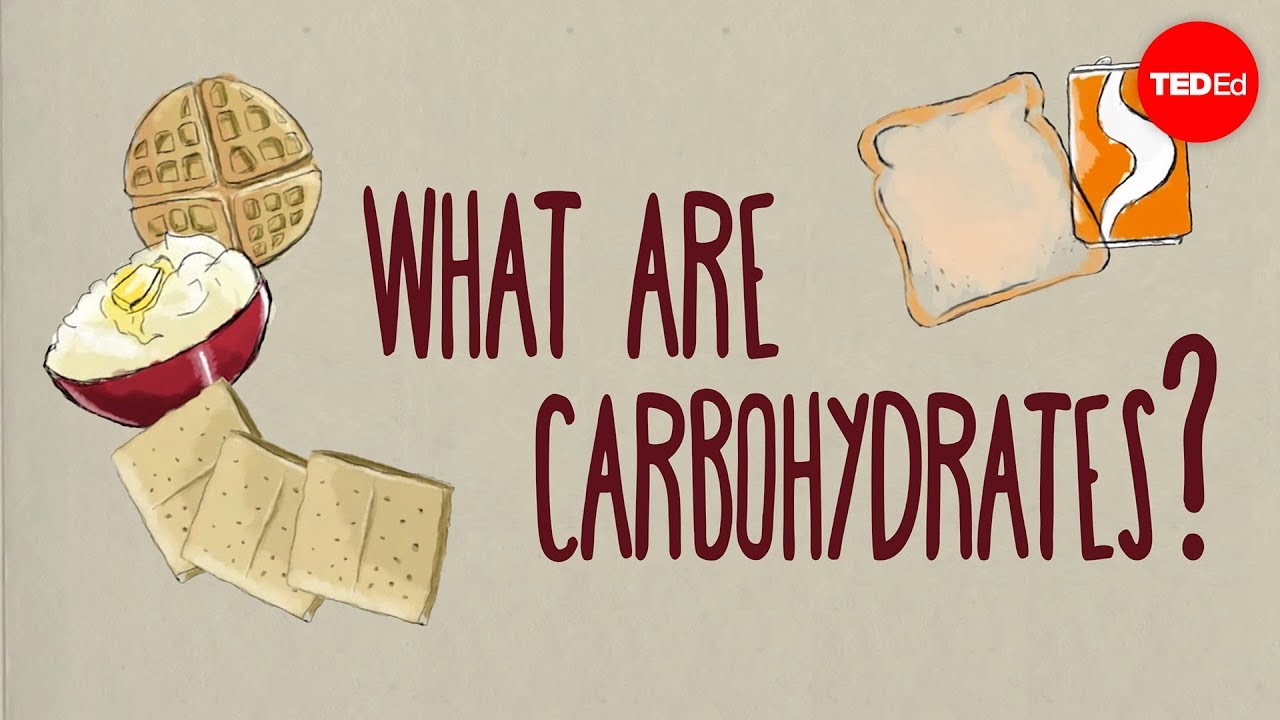
So carbs are used as fuel and energy. They're mainly found in fruits, vegetables, starchy foods like greens and potatoes, beans, and those are healthy examples of carbs. So why do carbs get bad reputation?
Not all carbs are created equal. Without getting too detailed it is important to understand that there are simple and complex carbs and even within those categories they aren't all the same. Simple carbs are made up of just one or two sugar molecules.
They are the quickest source of energy and they are easy to digest. So table sugar, honey, syrup, candy, and fruit. That's where it gets confusing.
Most simple carbs aren't things we want to make a bulk part of our diet but fruit is and we shouldn't be afraid of the sugar in fruit. Complex carbs are made of a string of sugar molecules and those take more time to digest because of the fiber and they also offer vitamins and minerals. You know greens, whole grains, oats, starchy vegetables like potatoes, corn, did I already say beans?
Lentils. So what to take from this macro wise is that there are different kinds of carbs and we need both we want to make sure we're getting the most food for fuel types of cards and within carbs there are sugar and fiber which is why you see them indented beneath the cards on a nutrition label. A lot of people don't realize that sugar and fiber are carbohydrates.
Now also you do need large amounts of fiber to function properly and remember macro means. . .
large. Very good. So a lot of times people think fiber was a macronutrient but fiber is something that your body actually can't break down and used for energy so it doesn't technically qualify as a macronutrient.
Got a little bit technical there. Moving on to protein. Protein is a part of a balanced diet.
It helps with growth, immune functions, preserving lean muscle mass. It is found in meats, poultry, fish, cheese, milk. Less amounts in fruits and vegetables.
When we eat these foods our body breaks down the protein that they contain into amino acids which are essentially the building blocks of proteins. Some of these amino acids are essential which means we need them from our diet and some are nonessential meaning our body can make them on its own. Protein from animal sources has all essential amino acids and most plant-based sources of protein do not.
Most not all. That doesn't mean that you need animal products to get all of the essential amino acids but it is an easier way to do it. This not a video to tell you to eat or not eat meat I'm just giving you the facts and let's move on to fat.
So fat also gets a bad rap but we do need it. After all it is a macronutrient for a reason. We need fat for growth, development, energy.
It's actually the most concentrated source of energy, vitamins, and minerals. So this is where we get many of our micro nutrients as well. It's also good for cushioning organs, maintaining cell membranes, blah blah blah.
Fat is found in meat, poultry, nuts, milk, oils, fish, grains. Again there are few different breakdowns here. We have saturated, unsaturated, and trans fat.
Now trans fats are the ones we want to pretty much avoid completely. Some animal products contain naturally occurring trans fat but most trans fat is formed through hydrogenated oils so baked goods, snacks, fried foods, doughs, margarines these all often include trans fats and if it says trans fat on the label then you really want to have it not be a part of your regular diet. Saturated fats are also found in animal products and we want to limit our intake but they are not nearly as bad as trans fats.
Both trans and saturated are the fats were always hearing about that can lead to heart disease and raise cholesterol if we consume too much. Unsaturated fats are what we always hear as healthy fats. They're found in olive oil, avocado, nuts, seeds, and these are shown to decrease the risk of heart disease but we still need to be aware of our overall consumption.
Which leads me to the most dreaded part that I hate talking about. How much of each macro do we need? I cannot tell you that.
I can share the recommended amount which are very debatable but sharing anything else would just be my opinion which is not what this is about and different lifestyles and different diets promote different ratios. You really have to find the one that works for you. A basic guideline and starting point would be those recommended levels.
What I want you to keep in mind is those numbers that we talked about at the beginning. So 4 calories per gram of carbs and protein 9 calories per gram of fat. So this means fat is almost double the calories per gram which is why we have consume less of it especially if we're consuming larger amounts of other macronutrients because at the end of the day our calorie intake does matter.
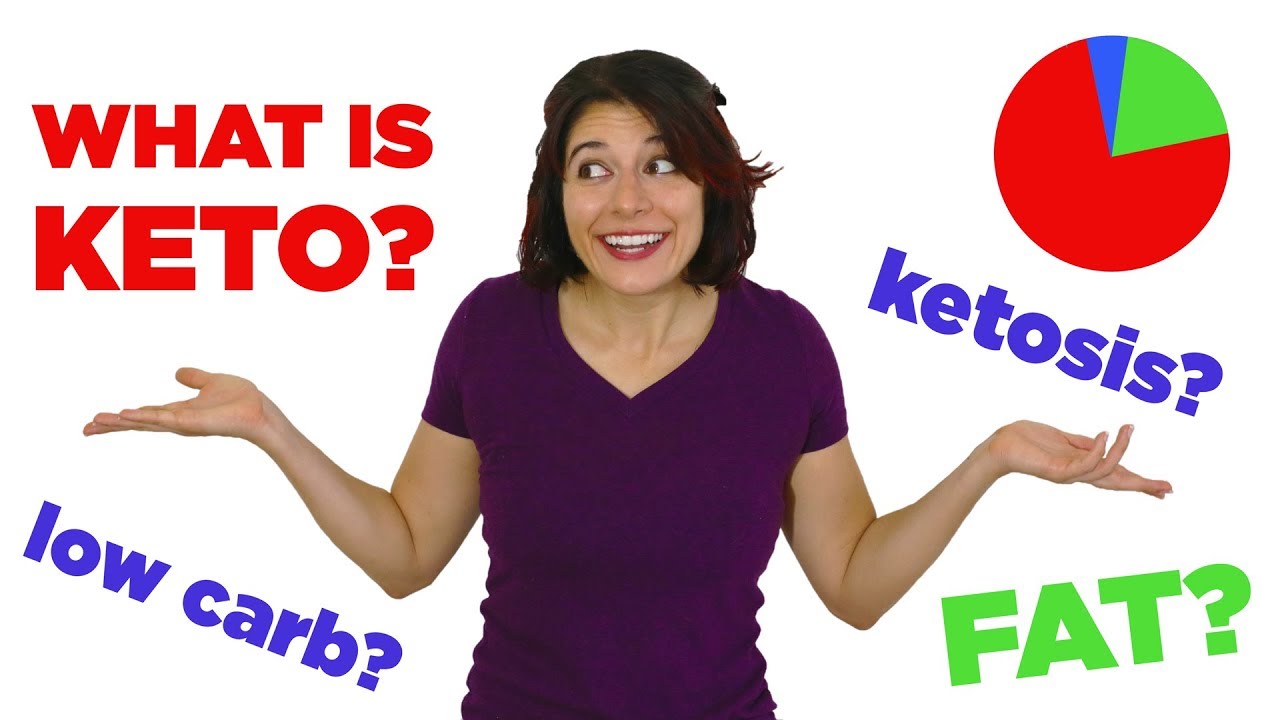
As a human you only need a certain amount of energy in calories and that number can vary greatly by person based on your history, your fitness level, lifestyle, metabolism, genetic predisposition, but it still does matter. I'm not here to argue with you on which lifestyle is best, #redefinehealth if you're saying "well people that are keto eat large amounts of fat" that is absolutely true but they also eat minimal carbs. So they're getting their calories from the fat and the protein instead of the carbs.
All these different lifestyles can work for different people but everyone who has found success on them has some sort of balance with their macronutrients that allows them to eat that certain amount of calories. So there is no high protein, high carb, high fat diet that works that I know of. Also I want to know which macronutrient is your favorite to eat: carbs, protein, or fat?
I hope you learned something about the basic breakdown of macros if so please give this video a thumbs up. I dont wanna tell you how much to eat and I don't want you to be consumed with eating a certain amount of calories or tracking your macros unless of course it's something you want to try but understanding what the macros are will help you make better choices as you learn more on your journey. I know I personally have changed my mind many times on my journey as I learn more and test out my body to see what works for me.
I've tried higher fat, lower fat, higher carbs, higher protein it's going to be different for everyone and that's okay. That's why I'm doing this series to help spread the word that we can all coexist with our different lifestyles. We can support each other along the way.
AaAaAaa. Have a great day and remember it's all a matter of Mind Over Munch.








![The Best Diet According To [18] Studies](https://img.youtube.com/vi/xMTrASz2igo/maxresdefault.jpg)