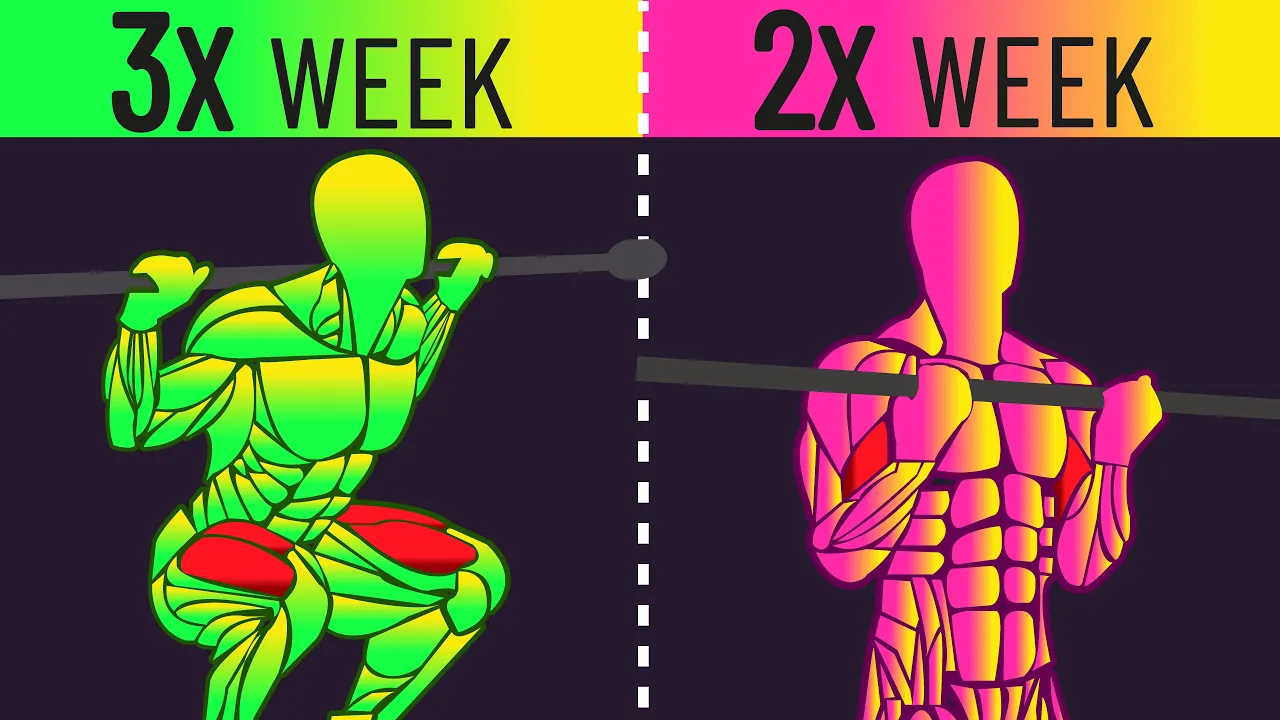
welcome to the house of hypertrophy how often you should train a muscle and for how many sets is forever debated in the industry this highly fascinating recent study compared training your muscle two times to three times a week for muscle hypoy with different set numbers in this video we're going to dissect this study and then fit it into the rest of the overall scientific research on training frequency and sets for building muscle so that by the end you'll have a clearer understanding of what you need to know now a cool thing about this recent study
is they divided subjects into those with more slow twit or fast twitch fibers why was this cool slow twitch fibers are low Force producing but highly fatigue resistant while fast twitch fibers are high Force producing but very fatigable previous Research indicates people with more fast twitch muscle fibers tend to experience greater fatigue and may be more susceptible to overreaching thus perhaps they benefit from training less while those more slow twitch benefit from training more let's dive into the [Music] study 21 pre previously untrained individuals were divided into those with more slow twitch or fast twitch
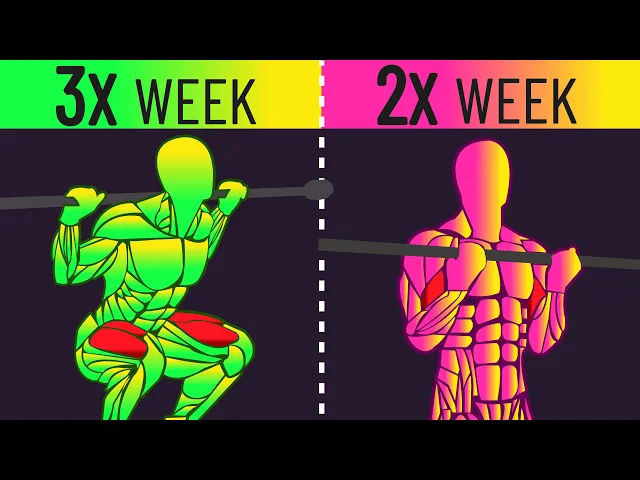
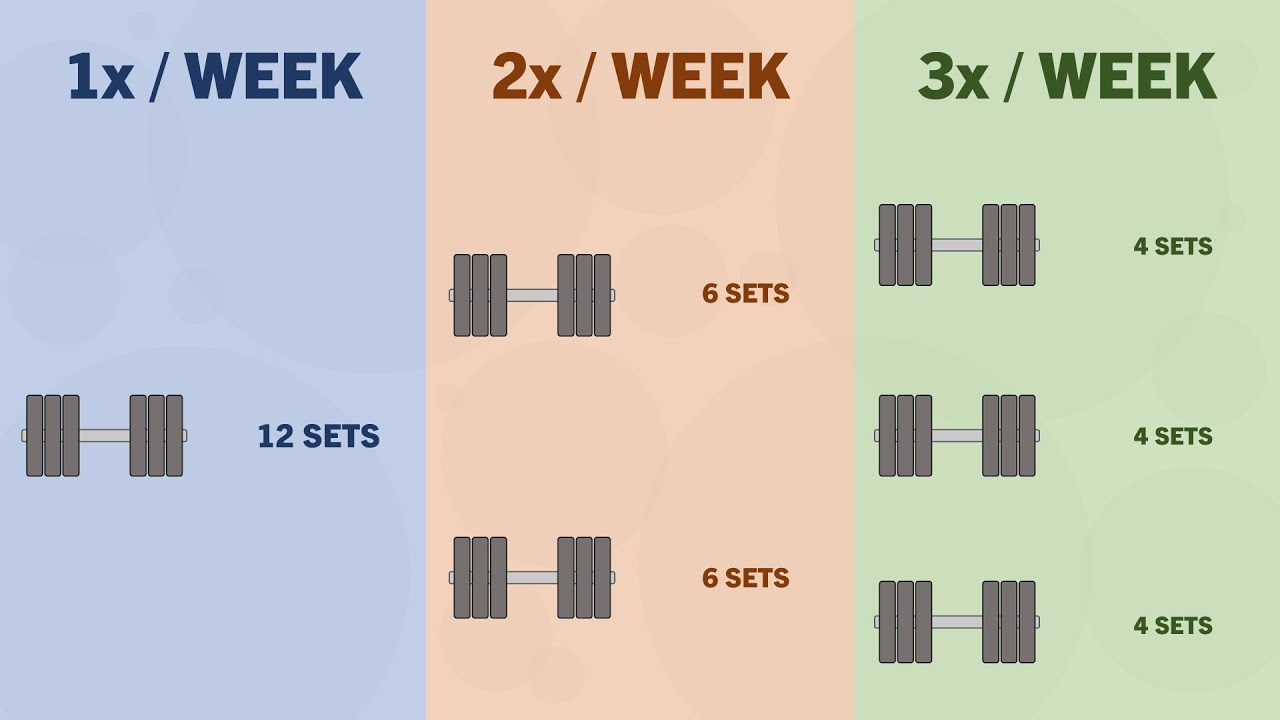
fibers the fiber type measurements were just done on the lower body muscles but the authors note lower body fiber type can correlate with upper body fiber type all subjects train the unilateral leg extension leg Hur dumbbell coal and skull crusher for three to four sets of reps the failure with one side of their body they perform this two times a week with at least 72 hours of rest between sessions thereby totaling six to eight sets per muscle in a week with the other side of their body they perform this three times a week with at
least 48 Hours of rest between sessions thereby totaling 9 to 12 sets per muscle in a week therefore both training frequency and set numbers were different between the conditions interestingly the slow twitch group ended up performing more repetitions compared to the fast switch Group which might be logical as we know slow switch fibers are more fatigue resistant versus Fast switch fibers however not all previous research has established strong correlations between fiber type and the number of reps performed with a given loading nonetheless quadriceps hamstrings biceps and triceps H perv was measured and all four of
these muscles tended to grow more with a three times per week training this held true for both the slow twitch and fast twitch fiber groups therefore opposing the notion individuals with more fast twitch fibers benefit from Trading less there are some additional crucial points from these results but before revealing these it is interesting to see that the slow twitch fiber group grew just as well as the fast twitch fiber group on average in other words having proport tionately more fast twitch fibers did not lead to Greater gains versus having proportionately more slow twitch fibers how
could this be after all in isolation fast switch fibers appear to grow more than slow switch fibers but fiber type is just one of the many factors that may determine how much muscle growth you experience this may indicate that when we compare a fast twitch fiber group to a slow twitch fiber group these other factors in the mix essentially mean people with more fast touch fibers do not always grow more than those with more slow touch fibers returning to to the findings as each subject trained both two times and three times a week we can
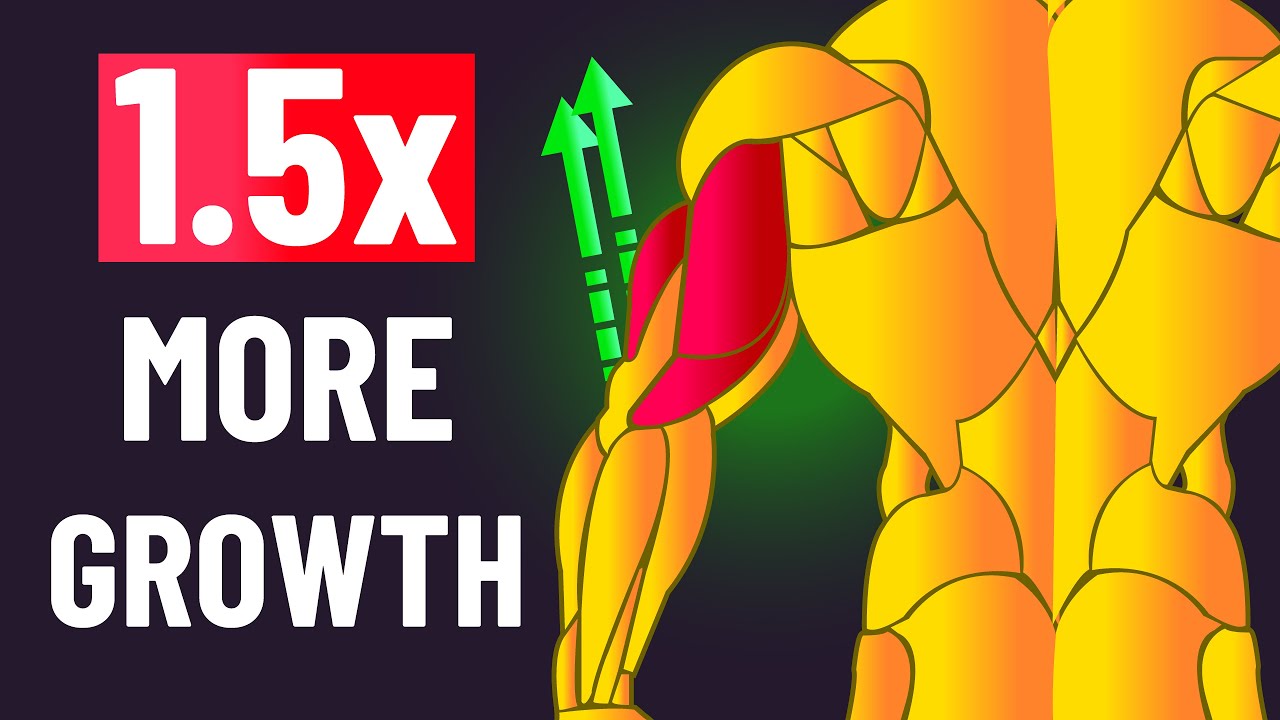
see the individual responses and it indicates the large majority of individuals from both the slow and fasted fiber groups grew better training three times per week there were only a few cases of gains being better with a two times per week training for a person however and this is a key Point despite the average and the majority of the individual's responses indicating better gains with the three times per week training the benefit was certainly not large we're only talking about an extra 1 to 3% growth with the quads hamstrings and biceps the triceps did see
a greater 4 to 5% extra average growth from the three times per week training which may Point towards the fascinating idea of some muscles selectively responding better to more training regardless this data still suggests a large bulk of gains can be attained with lower amounts of training now the subjects were previously untrained so the benefit of training more may increase with training experience but as we'll dissect in some upcoming videos various well well trained individuals can still see reasonable hypertrophy from lower amounts of training switching up the discussion remember that both training frequency and set
numbers differed between conditions but which was it that led to the more hypertrophy with a three times per week condition to answer this we need to briefly decipher the current research on training frequency and sets for muscle hypertrophy before this however we need to touch on some important considerations with this study in this study the slow twitch group of course had proportionately more slow twitch fibers versus the fast twitch group however not every subject in the slow twitch group could be described as slow twitch dominant as the numbers in the study indicates some of the
subjects likely had a near 50/50 split of slow and fastwitch fibers conversely the fast twitch group had an average 61 39 split of faster slow twitch fibers therefore the results of this study could be different if we compared more slow twitch dominant to more fastwitch dominant individuals another consideration is that as already mentioned there's evidence people with more f switch fibers experience greater fatigue and are more susceptible to overreaching since the fast switch group grew well training three times per week with 9 to 12 weekly sets per muscle this magnitude of training wasn't excessive for
them in fact feelings of soreness and fatigue were actually similar between the slow and fast switch groups in this study but it remains possible if reasonably higher set numbers or frequencies were used the fast switch group would struggle to [Music] recover so was it the training frequency set numbers are both that contributed to the greater gains with the three times per week condition as established in this 2019 meta analysis when the total number of sets performed per week was kept the same there was no difference in muscle growth between dividing these sets into higher or
lower frequencies however when we go ahead and graph the muscle growth of the various frequencies we can see that the three times per week frequency led to slightly better gains this was not statistically significant statistical significance isn't everything but in this specific context there are quite notable differences behind the studies comprising this data nonetheless it's still evident substantial average hypertrophy is achieved across a wide range of frequencies fortunately an important study by Nez released last October revealed something highly interesting they had trained men perform nine sets for the quadriceps in a week one leg performed
all nine sets in one session while the other leg distributed the nine sets across three non-consecutive days per week some subjects saw similar quad growth between the one times and three times frequency While others saw greater growth with the three times frequency accordingly the greater growth for some subjects in the previous study could possibly be due to the three times per week frequency itself however it is likely that for many if not all of them the higher sets were contributing to as identified in this meta analysis performing nine or more weekly sets for a muscle
group produced more muscle horty than fewer than nine weekly sets I do want to point out that the this data still reinforces the notion that a large bulk of gains can still be achieved with lower set numbers some of you may be wondering about how even higher set numbers per week compared to moderate values as well as the role of training status stay tuned as in the next few weeks we'll have some updated videos related to this some of you may also be curious about efficiently creating tracking and evolving your hypertrophy or strength training most
fitness apps are basic and virtually the same but the alpha progression app provides unique and Advanced features without being overwhelming the app can help you generate an evidence-based program customized to your desires in just a few minutes with Advanced options to periodize sets and Reps in reserve and Implement scheduled D loads with a touch of a few buttons you can personalize things further the app saves you Time by automatically generating graphs that display your long-term progression which may allow you to spot Trends in your training scrolling through their massive exercise database you may discover exercises
you never knew existed during workouts the app analyzes your past performance to provide Progressive overload recommendations the link in the comments and description allows you to try out the app's premium features free for 2 weeks and if you like it and decide to go beyond the link provides 20% off a subscription the app is truly exceptional with the review speaking to [Music] this in summary this paper found training three times per week with more sets led to Greater muscle ey purch Fe compared to training two times per week with fewer sets in both a slow
twitch and fast twitch fiber group we've previously seen that when total set numbers per week are equated some individuals do grow more with a three times per week frequency so it's possible the three times per week frequency may have contributed to the greater growth for some subjects however the highest set numbers were likely contributing to the greater gains for many too as meta analytic data finds performing nine or more sets for a muscle group in a week produced more growth and Performing fewer than nine sets having said all this it's it is still worth emphasizing
appreciable musai perch fee is still attained with lower amounts of training so is an option on the table depending on your personal goals thank you for watching feel free to check out the alpha progression app or our recent deep dive into building the lats