[Music] when we're looking at the history of the church one of the things that students always notice and one of the most common questions is where do Catholics fit into the history of America obviously the story from 1600 on down until the American Revolution itself doesn't feature a great deal of the Catholic story but when we look at the church today in America there are all kinds of Catholics in every state they make up a wide variety of ethnicities languages cultures and the sheer numbers of Catholics in America to say nothing of the universities and
the school systems is simply impressive and so what we're going to do in this lecture is we're going to tell the Catholic Story how they came to America how they laid down roots and what were the changes to the Catholic culture that began to take shape given the incredible anti-catholic sentiment that runs throughout America from its early days even down until the modern world and we should put this in context and we should frame it up just a bit American Catholicism the culture of the Catholic church in America is somewhat different if you were to
go to South America to some of the countries that are heavily Catholic if you were to go to Spain or to Italy or to other areas where the Catholic presence is very pronounced most would find that there are some differences in the American Catholic story over against the Catholic stories that are told in other cultures and in other countries and in part this is always the case the Catholic Church always embodies the culture that it's part of it is different and it has a unique Catholic culture unto itself but just because someone is Catholic doesn't
mean that they cease to be American and so some of the American instincts some of the felt needs of those raised in American culture are always going to be met and addressed by the Catholic church and sometimes the grammar or the discussions that are a part of the Catholic church in one country might be somewhat different than the cultures or the expressions in another country so it's always the case that a different culture a different Community will shape the vocabulary or the discussions of the Catholic Church one of the more interesting things that is unique
though to American Catholicism is that it is one of the countries where anti-catholic sentiment runs quite deep and given the way that Catholicism generally came to America through immigration of all different varieties and given the American hostility to immigration over the centuries American Catholics have always worked extra hard to describe and to carve out their place in the context of the American culture they are at times embraced at times dramatically condemned and slandered simply for being Catholic and so the Catholic experience in America has always been a mixture of distance oppression and the Catholic attempt
to always express itself to the culture around it in a way that would eventually bring an end to a lot of these caricatures and these cultural impressions as to what it means to be Catholic and so American Catholicism has a unique culture in the fact that it is so strong it has Deep Roots it has a great deal of money and power and education and influence and yet always as we'll say in this lecture from the very beginning it has always been the marginalized the excluded and the persecuted church here in the context of America
and we can take a long sweep of the history here in the pre-revolutionary era from say the colonial days in the 1600s down until 1776 there was not a great deal of Catholic presence in the country we mentioned in a previous lecture of course that the state of Maryland was carved out in part part to be a place for recusant Catholics to come from the English context over to the new world and by and large Maryland has always had this self identity it's always been a place that has been hospitable for Catholics however even in
Maryland prior to the American Revolution there was in 1692 an overthrowing of the overt Catholic government and the imposition of a Protestant government or at least a government run by Protestants as well as the imposition of the official state Church of England England as the official Church of Maryland now we mentioned in our lecture on the early colonial days on the pilgrim days that the collaboration between Catholics and Protestants in Maryland didn't evaporate it continued on thereafter but by and large prior to the American Revolution Catholic presence in America was very very slim very very
small there's not a great deal of power or influence many areas have simply outlawed Catholic expression or the immigration of Catholics to their areas so for example in Virginia and in New England there were simply no recourse both legally and culturally for Catholics to land there into plant at least not in the pre-revolutionary era there are some obviously Catholic laymen or businessmen will land and there will always be some presence of the Catholic Church even in the colonial days but it pales in comparison to where the Catholic Church will be in the 19th and 20th
centuries they are simply excluded and marginalized because the American context in the American colonies are founded originally by a lot of transplant Protestants predominantly from England the streak of anti-catholic sentiment that went back to the Reformation itself was always present in the colonies now because the colonies didn't have a great deal of Catholic presence the fear of Catholicism was always more On The Fringe so we mentioned in the runup to the Revolutionary War there was something called the Quebec Act which was a place in Canada the Quebec area to today that was a place that
was carved out by the British government for Catholics to settle and the oath taken by its citizens for those who immigrated to Quebec finally removed the component of the Protestant oath that required citizens that immigrated there to not be Catholic and of course that stoked up some fear in the colonies but it wasn't a real present fear right next to them there was not a massive influx of immigrants to the colonies in this day and age in fact when we look at America from the founding of the pilgrims until the American Revolution Catholic presence in
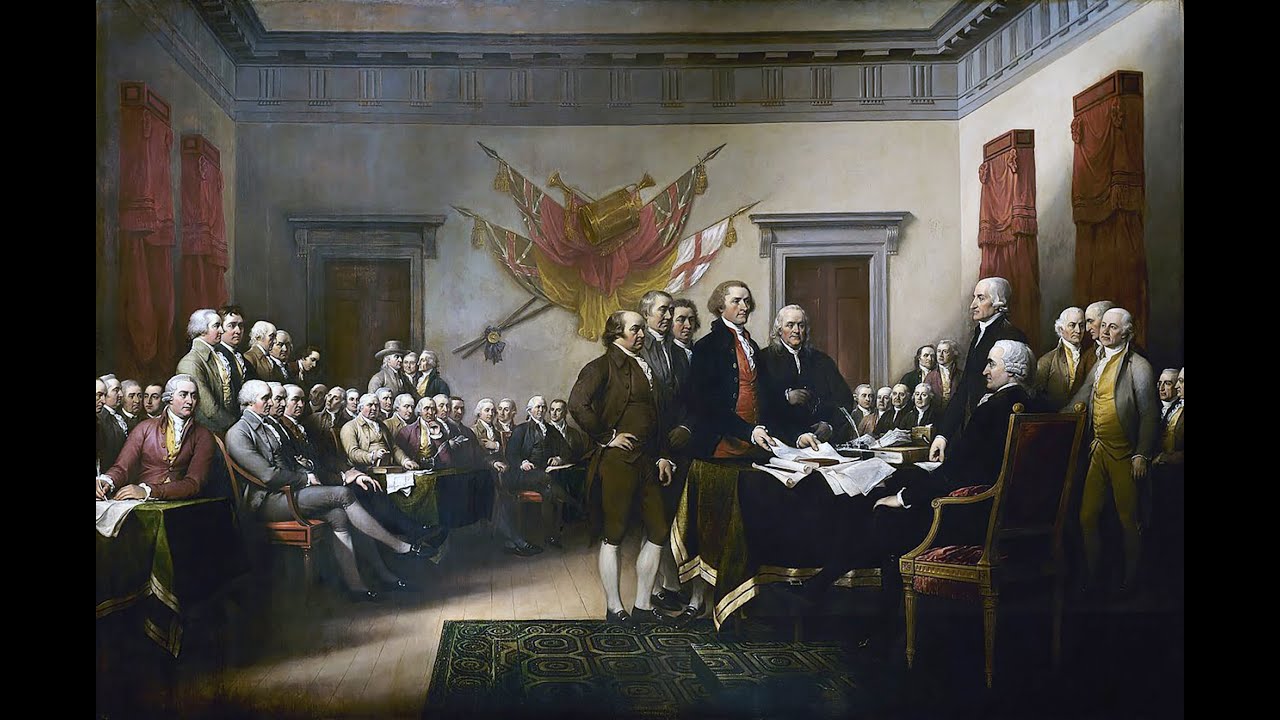
America is very very small now there are great exceptions for example of the men who signed the Declaration of Independence there was actually one Catholic a man by the name of Charles Carroll very influential man who had been involved in politics from the very beginning and he signs the Declaration of Independence Carol's brother in fact John Carol becomes the first Catholic bishop over the American colonies and what would become the country or the Republic of America after the war so when you look at the colonial time then right up to the revolution you're not going
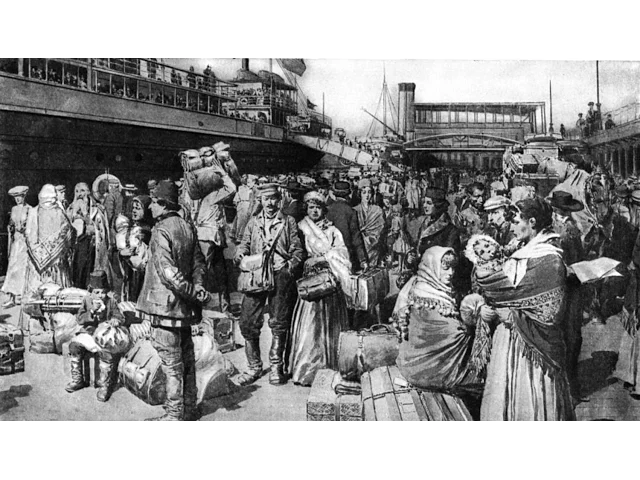
to find a great deal of discussion about Catholicism in general often the colonial Puritans or the colonial folks who landed were more committed to defend their Turf over against other Protestants than they were having to deal with a Catholic presence in their midst however after the American Revolution there are four waves of Catholic immigration or expansion in America that dramatically change in increase the Catholic presence within the early days of the founding of America and we could go through these briefly just to get a sense as to the EB and flow of Catholic immigration one
of the problems that's going to happen is at times the immigration the floodgates just seem to open wide and let all number of Catholics from one region of the European world or from Central America into America and what this does is it always seems to increase the fear that these immigrants were going to change everything and ruin the culture and take everything in a Catholic Direction the first is right out of the gates in 1803 with the Louisiana Purchase and what's in play here is all of these regions had of course forly been under French
Catholic rule hence the name Louisiana and hence the fact that places like Louisiana New Orleans and these places have a pronounced even to this day French culture that defines them so from the very beginning in 1803 there's immediately this increase this folding in of a French Catholic culture in the areas that were taken over because of the Louisiana purchas the big push though after 1803 is in the 1820s and the 1830s during this time a trickle of Irish immigrants began to come over to the new world in particular to the areas of Massachusetts New York
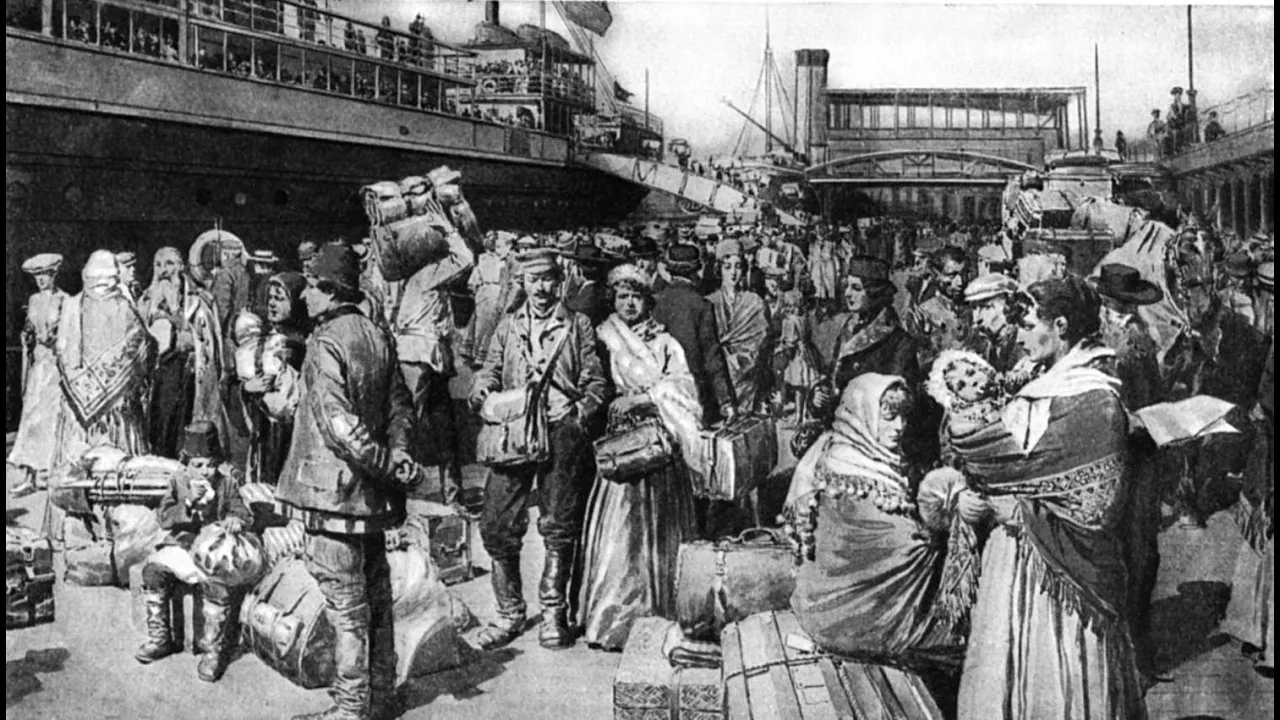
and some of the northern states of America eventually though that trickle becomes a flood it is during these years that the Irish potato famous occurs back in Ireland and what had happened is Ireland had become almost synonymous with this one crop it was not only the major part of their diet but it was also their main export and unfortunately a blight comes upon the potato a disease in a day before we had chemical or biological ways to Halt these types of things just simply wiped out the crop so people were G starved they had lost
everything and in droves they come to the New World there are also a large number of German Catholics who come to the new world and they often settle in the Midwest and to this day in fact again areas like Boston New York Etc have a real pronounced Irish Catholic culture a real Pride about itself from this moving from the European context to the American context and this first major wave in particular gives rise to one of the most pronounced times of anti-catholic propaganda in America that had not been seen before Po and we'll go into
that in just a minute just a decade later though in the 1840s after the war with Mexico and The Taking of places like Texas and other places all along that southern Rim you have introduced suddenly a great number of Mexican Catholics coming into America and becoming part of the new established culture here and then you move forward into the late 1800s roughly 1880 until even into the early 1900s you have another mass in flux of folks from Slavic and Eastern European countries and in particular Italian Catholics coming to the new world coming to places like
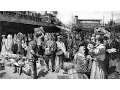
New York and other areas and establishing themselves here bringing another language and culture of Catholicism to bear on America and so the best way to see the 1800s is you have an influx of all types of different Catholics from around the near world of the west or in Central America and this is important to note American Catholicism is always been multiethnic there always Italian Catholics Irish Catholics Hispanic Catholics Germans and all types of different other folks who come to the new world who still identify as Catholic in some ways those Living in America had no
real categories of understanding the global diversity within the Catholic church that is until they came to their midst and were suddenly on their doorstep well as you can imagine the response to the Catholic immigration into the United States brought about a great deal of anti-catholic sentiment it is actually one of the more Curious things about how America was so fearful of all this Catholic immigration by large the folks that are coming to the new world coming to America as Catholics would be from the middle to lower middle class or even the poor levels of society
these would be farmers and workers Craftsmen of all kinds and when they arrived too often in fact very often they were excluded and considered to be spies that had come into the midst of America in order to ransack the place and to convert everyone to being Catholic however the workforce that comes to America tend to be the harder workking lot of folks from all these different countries Irish farmers are notoriously hardworking in this day and age they come to the new world and they really actually embody the American Spirit this idea that you're supposed to
work your way up in society hard work in Blood Sweat and Tears is the way to have success well the response again is almost always negative there is a ghettoizing at times of Catholics in the new world and this is why even today you'll go to places like New York and there'll be the historic Italian districts Little Italy where a lot of these Catholics would be marginalized and secluded to themselves of course everyone's seen The Godfather Part Two where Don is living there speaking Italian walking up and down the streets of New York and it
feels like a very transplanted world well that is very historically accurate at least by and large even though it's a fictional account the ghettoizing of American Catholics was a real problem in the 1800s and all the way into the 1900s and again all this goes back to the Reformation the Catholic Protestant fights of course always go back to that during the colonial times as we've already mentioned of course there were laws in the books against Catholics and there was a great deal of opposition however in the 1800s suddenly Americans have to reckon with the fact
that there are Catholics living here and they can't simply do away with them they do their best though always to slander and to mock into Lampoon Catholics in an effort to demoralize and ideally to get them to convert to protestantism one of the books that does this in fact is actually a bestseller in 1836 a ghost writer who called herself Maria monk published a book called the Hideous secrets of a nun's life again this is a bestseller it's ghostwritten and it's reporting to be of none who lives in the area of Quebec in Canada again
the area that had been carved out for Catholics and she describes all manner of abuses and sexual molestations and slanderous things that are supposed to be normal actions in the monasteries there in Quebec again this is a bestseller though this simply fans the flame of anti-catholic sentiment suddenly the Catholic ideal of monks and Priests living celibacy is exposed at least allegedly to be sexually promiscuous with orgies and all types of abuses as well as superstitious and anti-republican that is to say anti-democracy now the Catholic church in Quebec goes up in arms when this book comes
out and they do a very thorough study of it and at the time they can find no evidence of someone by the name of Maria monk ever being a nun in Quebec and they released this statement but of course no one in the Protestant world is willing to believe them they believe this is a coverup job and what we know now of course is it is a completely fictitious account this book there is no Maria monk it was ghostwritten and it was written in an effort to slander and to stoke the flame of anti-catholicism in
America and the fact that it was a bestseller meant that it did just that this then gives rise to all types of pges riots there was a 3-day riot in fact in Philadelphia and 14 people were killed these were anti-catholic riots there were beatings mockings all types of different things all throughout America in this anti-catholic tone in fact the anti-catholic sentiment grew so large that eventually in the 1850s there was formed a political party simply based on the idea of limiting or eradicating Catholic immigration to America it was called a no nothing party and again
it was formed in the 1850s and the name comes essentially from the fact that they are a covert operation bent on stopping Catholic expansion in America and it was said to be the case that if someone asked you the question about your membership the response the password was to say that you know nothing which again hence at some of the actions that they're planning to stop the spread of Catholicism another major figure who was very instrumental in the spread of this anti-catholic sentiment was Lyman beer and beer is a man who actually figures very prominently
in the Second Great Awakening he is a presbyterian Minister and he is very much in favor of the revivals of the Second Great Awakening beer of course is very well known by name because he is the man who unfortunately turned America down this temperance movement which would eventually lead to the outlawing of alcohol entirely which of course did nothing to stop the sale of alcohol and the prohibition era only gave rise to gangs bootleg liquor and speak easys well one of the things that's often overlooked is that be teachers arguments repeatedly cast drunkenness as a
Catholic problem all these folks coming over from places like Ireland are just drunken fools he would say and so he began to T this idea that sobriety entirely is the Protestant virtue it is these Catholics who come along who always want to drink and so in 1835 beer published his plea for the West an important book in which he argues that if America is going to have any stability whatsoever it must remain self-conscious ly Protestant it must not allow these Catholics to have any voice or any place in the new American government and if they
do he said then it'll be the worst for the country because we will all become drunken LS just like these Catholics it's a very effective propaganda piece playing on the hopes of the new country just about a generation or two into its government and putting all the societal ills on to these Catholics who had come into the country and what we've listed is really only the tip of the the iceberg in terms of anti-catholic sentiment there are repeatedly in things like newspapers and things all types of mockery and cartoons in a variety of different ways
that people tried to marginalize Catholic influence so what is the response well it is again pretty unique Catholicism in America basically takes a couple of different angles in an effort to make sure that people first of all understand them and second of all respect them the first issue and it's a very very important one is Catholics particularly in the 1800s focused on the problem of Education Catholics were just simply not very welcomed in the public school system they could be tolerated so long as those who were Catholics in their midst towed the line and you
might say acted like Protestants on the outside and kept their Catholic faith to themselves and only to Sundays in the University setting it was very much the same and so frankly one of the more ironic gifts that this marginalization gives to the Catholic world in America America is that eventually Catholics get very very supportive both in terms of time and energy and money in developing a serious educational infrastructure for their people in places like New York and in Boston and other places there arose all types of Catholic parochial schools some it so that for many
people whether you're Catholic or not whether you were raised catholic whatever it might be we're all aware of the Catholic school maybe run by nuns maybe run by priests whatever it might be but we're all aware in the American context by and large of the parochial Catholic school why is this well the answer is is it was formed in part because of the marginalization of Catholics in the public school system basically if you're going to force them to act Protestant in their midst well Catholics obviously are going to want to educate their people in their
own way and this translates of course eventually into the foundation of a large number of Catholic universities in America and I always point out to students why are so many Catholic universities founded in the 1800s and why do they always seem to be on the East Coast or in the midwest well it's obvious these are the immigration touch points these are where all the immigrants come over and these are the places where they might be excluded or marginalized in a way though what Catholics try to do in their Educational Systems at least in their Origins
is they want to be as healthy with as much academic Integrity as they possibly can you see because Protestants in America have always had a pretty significant love of Education they've always had a respect for it a lot of the great ivy league universities of course were often started by Protestants and they developed into what are now worldclass universities well Catholics do the same thing in fact if you were to look at most Catholic universities that go back to the 1800s even if it's no longer the self-identity of that University today very often it has
roots in this oppression or suppression of Catholicism in America and if you're going to be marginalized well it might be the case that you just want to beat the Protestants at their own game if they like education well Catholic universities will do their best to stand toe-to-toe with them there have always been attempts at the parochial level at the grade school and high school level to end parochial education either through government action or through marginalization in fact from about 1870 up until the 1920s or 30s and even Beyond but particularly in those years you see
increasingly this call for government action or laws to be put on the books that restrict fully funding to any religious institution or educational system now in the modern world we always take that as the application of separation of church and state in actuality that's really not what's going on if you go to the public school systems say in 1880 you going to actually have a great deal of Christian talk there's still prayer in schools there's all kinds of things the reality though is in the public system it's Protestant theology that's being touted the move in
the late 1800s and early 1900s to end religious funding for parochial schools is just another arm of this anti-catholic sentiment is trying to stop Catholic schools from existing side by side and is trying to force very often Catholics to attend public schools by and large many of these fail but the sentiment is always there the Catholic educational system in America is so strong often because of its marginalization from the normal structures of society the other thing and this is very important for Catholic culture there is always in America a need to express Catholic culture to
a world that is always implicitly sometimes explicitly hostile so when you get into the 1900s there's not always an overt hostility to Catholicism in America but that doesn't mean that anti-catholicism doesn't exist just take for example the case of John of Kennedy when he announced his candidacy for the presidency and when he secured the Democratic nomination the papers and the pundits and the commentators went nuts with this idea that a Catholic could not be president of the United States how telling here we are in the 1960s in the enlightened age of the 20th century still
having the same fight Catholics can't be leaders they can't be rulers and they certainly can't be president now John F Kennedy eventually made a statement about this and eventually put that issue to rest and of course he was elected president but it's simply the fact that he had to address it in the mid 20th century that is telling that the long Legacy in America of the tense relationship between Catholicism and American culture at large has always been lurking below the surface in at times it pops its head up and so what has happened to American
Catholicism is that very often it has to find ways to express itself to a very complex culture of an American world where we separate church and state and we believe that everyone should have a seat at the table in the public square but yet when push comes to shove there's not always a belief that Catholics should be at that table and more importantly given the strong roots and the strong influence and the power and the numbers of Catholics in America which is only increasing with the influx of Latin American immigration to America in the latter
half of the 20th century and into the 21st century the irony is always that Catholicism in America is so powerful and so influential and yet it still has this marginalized separated challenged Culture by and large against its teachings and so what the context of America brings is again a different interaction that has given rise to a different American Catholic experience than what a Catholic person might experience in any other country in the world [Music] [Music]