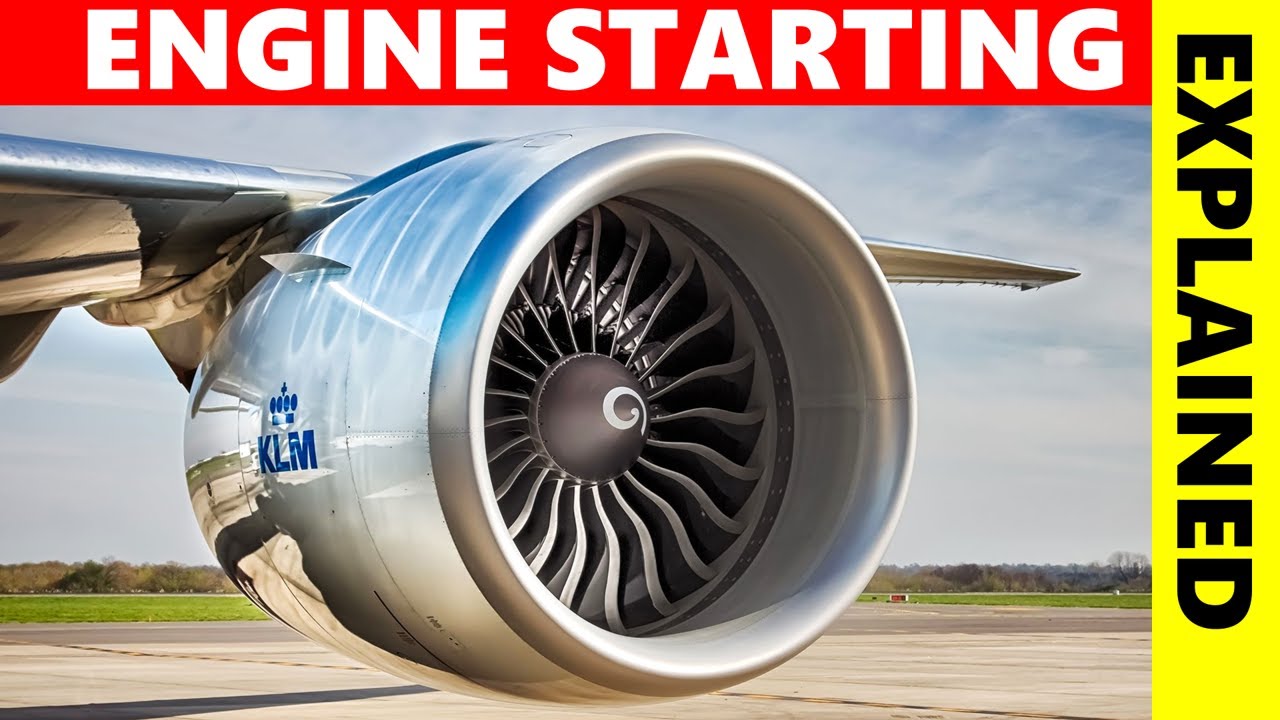
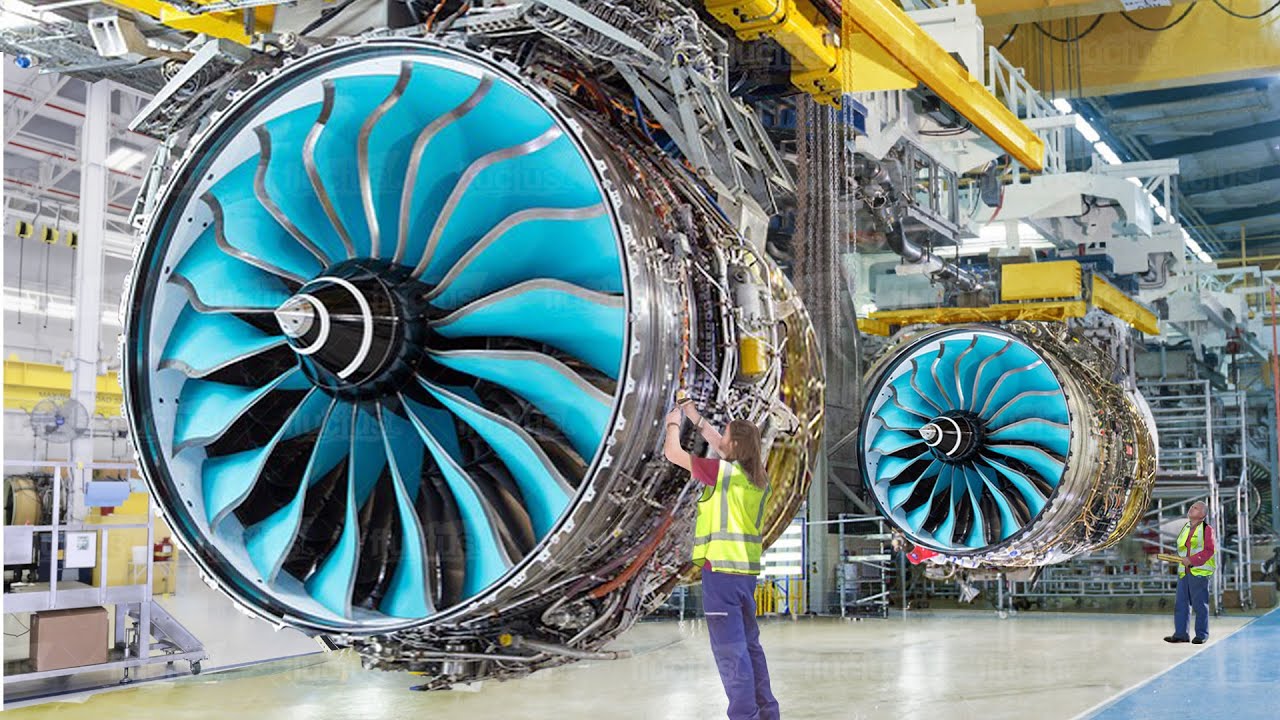
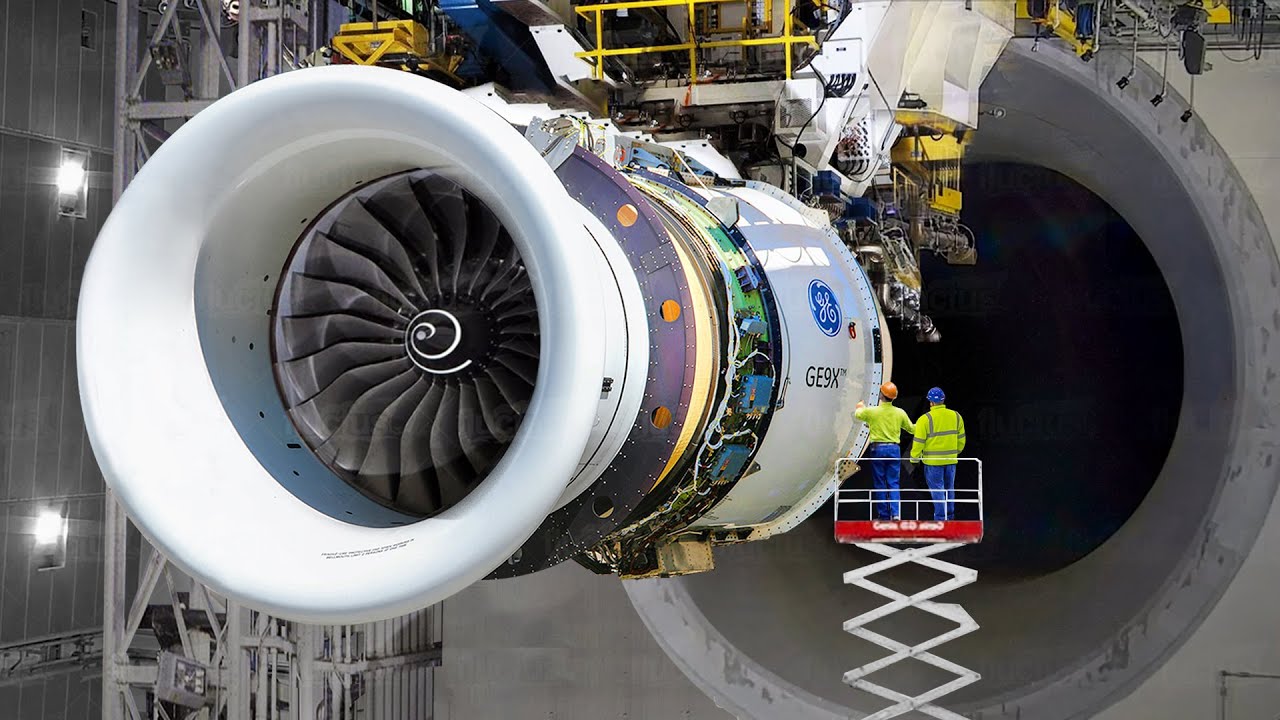
to prove that an airplane engine is safe and reliable it has to be put through a series of tests one of the tests includes firing water in the engine at high pressure and another includes firing dead birds straight into the engine firing birds into the engine and will explain why and how all these tests occur many engines have been built and over time engineers have been able to make various improvements and upgrades to ensure they function more efficiently however every engine that is ever built needs to be able to withstand everything that mother nature has
to offer things like rain snow ice and extreme heat are just some of the things that these engines need to be prepared for before they even go into production each engine is tested for these things when it comes to water testing we already know that engines are capable of taking in a large amount of water or ingesting it and that's why we have water ingestion tests which have become standard procedures during these tests a stream of water is forced into running engines firing around 800 gallons of water per minute straight into the engine these tests
are done to confirm that the engines are powerful enough to go through heavy rains and even the hardest of storms without having the engines fail if the engine meets all the safety parameters the water is expected to come out without damaging the engine or its operation if all this goes as planned the engine is past the water test when the weather is colder and the temperatures get lower we have icy conditions that can further damage the engine and cause a terrible accident these conditions are particularly tricky and require different types of ice particles to test
the engine huge balls of ice are thrown into the engine to know if it can withstand them and how quickly it can recover without a lot of damage done they also do the hot and cold tests which are done to check if engines can work properly under extremely high and extremely low temperatures and at high altitudes for example to test the engines on freezing temperatures they take it to a place with such temperatures one example is canada's arctic territory of nunavut where temperatures go as low as negative 28 degrees celsius or negative 18 degrees fahrenheit
they would leave the engine there for a week testing both on the ground and in the air performing thrust reverse tests with snow and seeing how long the engine could work properly in such conditions one of the unusual but necessary tests they have to do is test against bird strikes when an airplane is up in the sky it has endless possibilities of running into a flock of birds that can go directly towards the airplane on a few occasions a bird can fly directly into the engine of an aircraft causing huge damage to the engine and
forcing the airplane to make an emergency landing or worse in order to avoid this they've figured out a way to smash that like button just like you should if you haven't done so already but no they have to do all kinds of tests that will prevent a bird strike and cause such damage to ensure that the engines will be safe and continue to operate after a bird strike engine manufacturers throw dead birds into the engines while they're on the ground with a so-called chicken gun they're fired at high speed directly into the running engine to
simulate bird strikes as they would happen in the sky not only do they use this chicken gun for testing engines but they also use it to fire birds on the windshield to make sure it's safe and strong enough to withstand birds smacking into it today manufacturers have figured out lots of ways to make sure bird strikes don't cause major damage well except to the bird often a bird can even get completely ingested into the main engine but it won't interfere with its work or its functionality while these strikes are not fatal sometimes they can still
create engine failures or even small damage that can lead to further malfunctioning in 2009 this type of bird strike managed to cause the emergency landing of the u.s airways airbus a320 on the hudson river even though no one was injured in the landing the flock of birds managed to disable both engines causing the airplane to land into the hudson river the most important part of the engine is the blades that rotate at high speeds up to 3 000 revolutions per minute causing the engine to reach full thrust and power so it can lift the airplane
off the ground and into the sky obviously importantly these blades need to be securely placed into the engine making sure each one is secure but what happens if a blade comes out well this is where all the tests come into play blade off testing is an air safety test that has one mission in life and that's to make sure that each blade stays firmly attached in the engine and doesn't have any chance of coming out while the airplane is flying a blade that comes loose or flies out is one thing that should never happen to
an aircraft engine but since it has previously happened to some engines in the past they know how to make sure the engine is secure before they even attach it to the airplane going at around 3000 revolutions per minute and having a blade come off could cause so much damage much more than a bird strike for sure the blade could come out and hit other moving parts of the engine causing enormous damage potentially flying through the aircraft fuselage causing safety of flight damage to the aircraft or potentially causing fatal injuries to the passengers on board so
these tests are focused on checking the blades are well fixed in and can't fly out and in case one would come out the detached blade or blades shouldn't cause huge damage to the engine and also ensure that the engine will be fully able to function without the blade or blades in this testing process a small explosive is attached at the base of one of the blades as soon as they run the engine they detonate the explosive to know if the blade will stay inside the engine chamber if a blade comes out during this testing then
they go back to the drawing board and redesign how to better secure the blades into the engine and then do all the testing again one small blade the size of your finger can cause huge damage to the engine and the fuselage and possibly could lead to an unwanted accident or an emergency landing when you're up in the sky way above the clouds the chances of getting in the middle of a storm are very likely in fact even if you don't get into a storm the chances of an airplane being hit by lightning are extremely high
however that shouldn't worry you at all currently they've found the ultimate solution to prevent lightning from causing damage to an aircraft how is that you say well on average each commercial airplane is hit by a flash of lightning about once a year but many planes are able to go on with their route without thinking about it twice while others experience engine failures from not having the proper protection against such natural disasters once a flash of lightning hits an engine it can cause an explosion which could lead to a whole load of damage and go beyond
repair in the past there were a few cases where an engine has been hit by lightning causing it to have to make an emergency landing or even crash to prevent this manufacturers had developed proper protection to the aircraft to prevent further damage and they also test the engines to make sure that a simple hit won't shut them down much lighter materials such as carbon fiber tend to have much lower electrical conductivity than aluminum using these materials on the aircraft airframe as well as on the engines can produce up to a 25 improvement in fuel economy
however they still have to be protected with a layer of metal mesh or foil to further protect them from the lightning strikes although the systems that will protect the entire aircraft from lightning strikes are still being looked at so that the best solution is found until then we are left to test the engines against high voltage and see if they'll fall apart or will continue running as we said now you don't have to be worried when lightning hits the airplane as we believe you won't even feel it after all the previous tests have been done
and the engine has passed all of them it's time to do the final test and that is the actual in-flight test that checks on the engine and its performance all of the previous tests occur on the ground where the engine is put in a few different situations to prove its structure but once in the air the engine has one thing to prove which is to show that it's capable of producing thrust and keeping the airplane in the sky for this testing manufacturers use test beds which are modified airplanes used specifically for testing they will test
the reliability of the engine as it flies in order to further get certified the engines are tested both for commercial and business aircraft with test beds and you can even see an old boeing 747 as a testbed aircraft these test beds might look odd with the weirdly shaped position engine but at the end of the day they are one of the most crucial parts of testing an engine and making sure it will withstand the power of the plane it's meant to go on they do all sorts of tests while in the air such as reaching
full thrust and maximum speed the engine can produce and noticing how well it works in higher altitudes compared to how it performs on the ground once an engine passes all of these tests only then will it be certified and approved by the faa and can proceed to the next step which is production bye for now