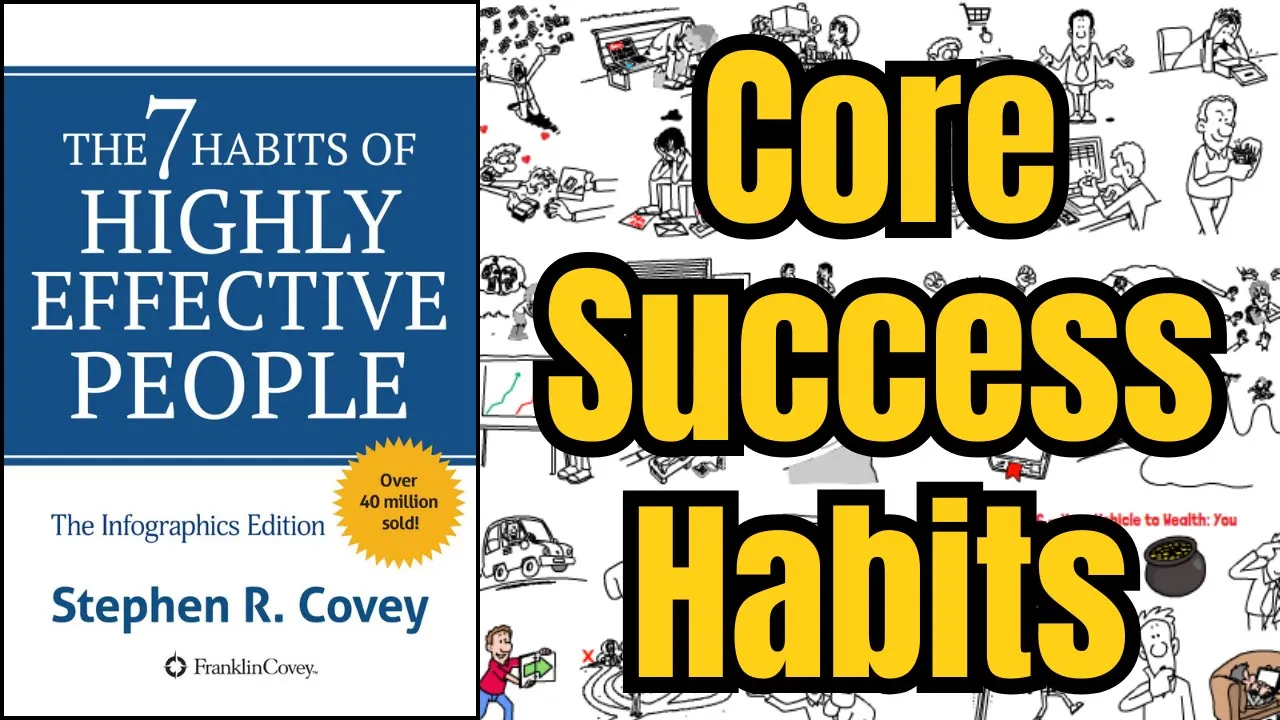
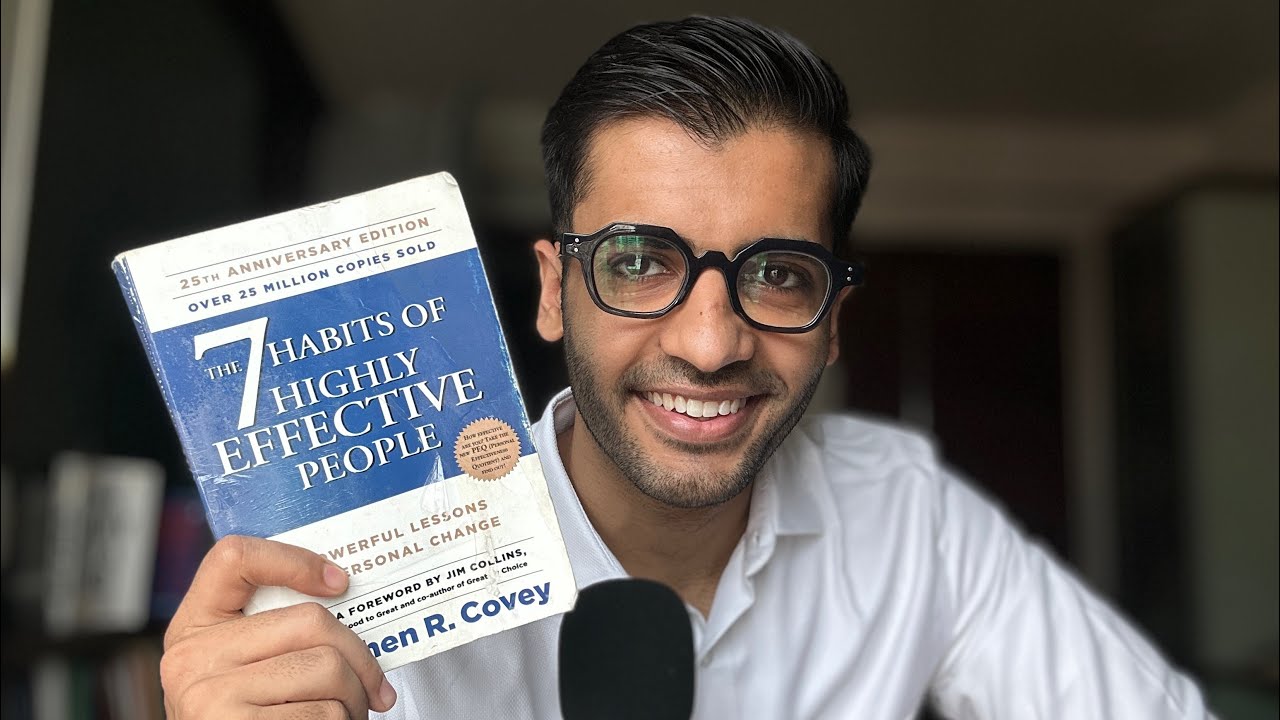
do you ever feel like you're not in control of your life that external factors such as your job your relationships or your circumstances dictate how you feel and what you do if so you're not alone many people live their lives from the outside in letting the world around them shape their thoughts and actions but according to Stephen Covey author of The Seven Habits of Highly Effective People the most successful and fulfilled people live from the inside out they focus on developing their character principles and value and let these inner qualities guide their decisions and interactions
with the world Covey explains why it's essential to cultivate our inner selves and offers practical advice and tools for doing so by mastering the Inside Out approach he says we can become more effective leaders communicators and problem solvers and live a more purposeful and fulfilling life after exploring the importance of living From the Inside Out Stephen Covey introduces us to the seven habits that can transform our lives and help us achieve our goals these habits are not just superficial tips or tricks but rather deep-rooted principles that can shape the way we think act and relate
to others by mastering these habits we can cultivate a strong sense of character improve our relationships and Achieve both personal and professional success in the upcoming chapters we'll explore each Habit in detail and learn how to integrate them into our daily lives get ready to embark on a journey of self-discovery and growth as we explore the Seven Habits of Highly Effective People habit number one be proactive being proactive means understanding that you are in control of your own choices and actions and that you have the power to choose how you respond to any situation this
requires developing a proactive mindset where you focus on what you can control and influence rather than worrying about things outside of your control Covey also highlights the importance of understanding the difference between proactive language and reactive language proactive language involves using I can I will and I choose to while reactive language involves using phrases as I have to I can't and I must by being proactive individuals can take charge of their lives and create the outcomes they desire rather than being victims of circumstances this habit sets the foundation for the other six habits which build
on the principle of proactivity imagine two people who are stuck in traffic on their way to an important meeting one person starts to panic complaining about how unlucky they are to be stuck in traffic and how they're going to miss the meeting they feel powerless and frustrated blaming the traffic in external circumstances for their situation this person is exhibiting a reactive mindset the other person however takes a different approach they recognize that they can't control the traffic but they can control how they respond to the situation they take a deep breath and start to think
of alternative routes or ways to make up for lost time they decide to call ahead to the meeting and let them know they'll be late and perhaps suggest a later start time this person is exhibiting a proactive mindset despite both being stuck in the same traffic the person with a proactive mindset takes control of the situation and finds a solution rather than being a victim of circumstances this simple anecdote illustrates how the be proactive habit can help individuals take control of their lives and respond to situations in a positive and productive way habit number two
begin with the end in mind Covey suggests that before beginning any task or project individuals should take the time to Define what success looks like and visualize the end result they want to achieve this involves thinking about their values principles and what they want to be remembered for once individuals have a clear understanding of their desired end result they can work backwards to identify the steps needed to achieve it this approach helps to align their actions with their long-term goals and ensures that they are not simply reacting to immediate demands and distractions in order to
be effective Covey suggests that individuals should also create a personal mission statement which outlines their overall purpose and values this statement can serve as a guide for decision making in goal setting and help individuals stay focused on what is truly important to them by beginning with the end in mind individuals can create a clear road map for their lives and work towards their goals with intention and purpose this habit sets the foundation for the third habit put first things first which is about prioritizing and focusing on what matters most in order to achieve the desired
end result imagine you're a project manager who has been tasked with leading a team to complete a complex project to ensure its success you could simply dive into the project without a plan hoping to reach the end goal eventually however by beginning with the end in mind you can set your team up for Success from the start you would begin by defining the end goal of the project such as delivering a new software application by a certain deadline you would then break the project down into smaller more manageable tasks and Milestones each with its own
timeline this approach will help you to identify potential obstacles and roadblocks and ensure that you have adequate resources and time allocated to overcome them next you would work with your team to establish clear roles and responsibilities ensuring that everyone understands what they need to do to contribute to the Project's success you would communicate your vision and goals for the project creating a shared sense of purpose and motivation by beginning with the end in mind and creating a clear plan of action you'll be able to lead your team effectively and ensure that everyone is working towards
the same end goal this will help you to keep the project on track and minimize the risk of delays or setbacks ultimately this approach can help you to deliver a successful project on time and within budget habit number three put first things first this habit is all about prioritization and time management highly effective people focus their time and energy on what matters most and they organize their lives around their most important life goals and values to put first things first you must first identify your highest priorities values and goals in life then you must organize
your time and energy around those priorities this involves setting clear goals creating a plan of action and scheduling your time effectively to ensure that you're spending your time on what matters most this habit also involves learning to say no to less important tasks and distractions and delegating tasks to others when possible it's about being proactive and taking control of your time rather than letting others dictate how you spend it as a busy working parent you might feel like you're constantly juggling a never-ending list of tasks and responsibilities but by putting first things first you can
prioritize your time and focus on what really matters start by identifying the most important tasks that need to be done each day these might include getting your children ready for school completing important work tasks and making time for self-care activities like exercise or meditation once you've identified those tasks work on them first and give them your full attention and effort next look for opportunities to delegate or Outsource tasks that are less important or that can be done by someone else for example you might hire a house cleaner or ask your partner to take on some
of the household chores by delegating tasks you can free up more time and energy to focus on the things that matter most finally learn to say no to activities and commitments that don't align with your priorities for example if you're asked to join a committee or attend a social event that doesn't fit with your schedule or values politely Decline and explain that you need to focus on your own priorities by putting first things first and prioritizing your time and energy you can feel more in control of your life and achieve a better balance between work
family and yourself habit number four think win win to think win-win means to approach every interaction with the mindset that there are enough resources and opportunities for everyone and to look for ways to create mutually beneficial outcomes this habit is especially important in business and personal relationships where conflict can arise when people are only focused on their own interests by seeking win-win Solutions you can build stronger more collaborative relationships that benefit everyone involved thinking win-win requires a high level of emotional intelligence and empathy as it involves putting yourself in the other person's shoes and understanding
their needs and desires it also involves being open-minded and creative in finding solutions that meet both parties goals overall the think win-win habit is about creating a positive collaborative mindset that helps you build strong productive relationships and find success in all areas of your life Karen and her co-workers had been assigned to work on a team project with a tight deadline they were all given specific tasks to complete and were expected to collaborate to get the project done on time as they began working on the project Aaron noticed that one of her co-workers Jim seemed
to be struggling with his tasks he was falling behind schedule and his work was not up to par Karen realized that if Jim didn't catch up it could put the entire team behind schedule and jeopardize the success of the project rather than getting frustrated or blaming Jim for his struggles Karen decided to apply the think win-win habit she approached Jim and offered to help him with his tasks explaining that she wanted to ensure the success of the project and that they could both benefit from working together Jim was initially hesitant to accept Karen's offer feeling
embarrassed about his struggles however Karen reassured him that they were all working towards a common goal and that they could all succeed together with Karen's help and support Jim was able to catch up with his tasks and contribute to the success of the project Karen was also able to complete her own tasks more efficiently as she had gained a better understanding of Jim's role and how it fit into the project as a whole this experience taught Karen that by thinking win-win and focusing on the success of the project as a whole she was able to
overcome obstacles and achieve a better outcome than if she had only focused on her own tasks she also realized that by offering support and collaboration to her co-workers she could build stronger relationships and work more effectively as a team habit number five seek first to understand then to be understood the fifth habit emphasizes the importance of active listening and empathy in communication according to Stephen Covey many people are quick to speak and slow to listen which can lead to misunderstandings and ineffective communication instead effective communicators should seek to understand the other person's perspective before trying
to make themselves understood this habit involves a three-step process listen empathetically diagnose and then respond empathetic listening means listening to the other person with the intent to understand their thoughts feelings and perspectives this requires setting aside one's own biases and assumptions and truly trying to see the situation from the other person's point of view diagnosing involves interpreting what the other person is saying and reflecting it back to them to ensure that you have understood them correctly finally responding means using the information gathered from empathetic listening and diagnosing to craft an appropriate and effective response by
following this habit individuals can improve their communication skills build better relationships and solve problems more effectively it allows people to avoid misunderstandings build trust and find common ground this habit is particularly useful in situations where there may be disagreement or conflict as it can help individuals to find mutually beneficial Solutions and avoid unnecessary arguments overall seeking first to understand then to be understood is a powerful tool for improving communication and achieving success in both personal and professional relationships John had been having a lot of arguments with his wife lately they both seemed to be talking
past each other and not really understanding what the other was saying John would try to explain his point of view but his wife would interrupt him and tell him why he was wrong it seemed like they were always at odds one day John remembered the fifth habit of seeking first to understand then to be understood instead of trying to make his own point he decided to try a different approach he asked his wife to explain her point of view and listened carefully as she spoke when she was finished he repeated back to her what he
had heard to make sure he understood her correctly to his surprise his wife was much more open to hearing his point of view after he had shown that he understood hers they were able to have a more productive conversation and come to a resolution that satisfied both of them this anecdote shows how the fifth habit can be applied in personal relationships as well as in the workplace by taking the time to listen and understand the other person's perspective we can build stronger relationships and find more effective solutions to problems habit number six synergize the sixth
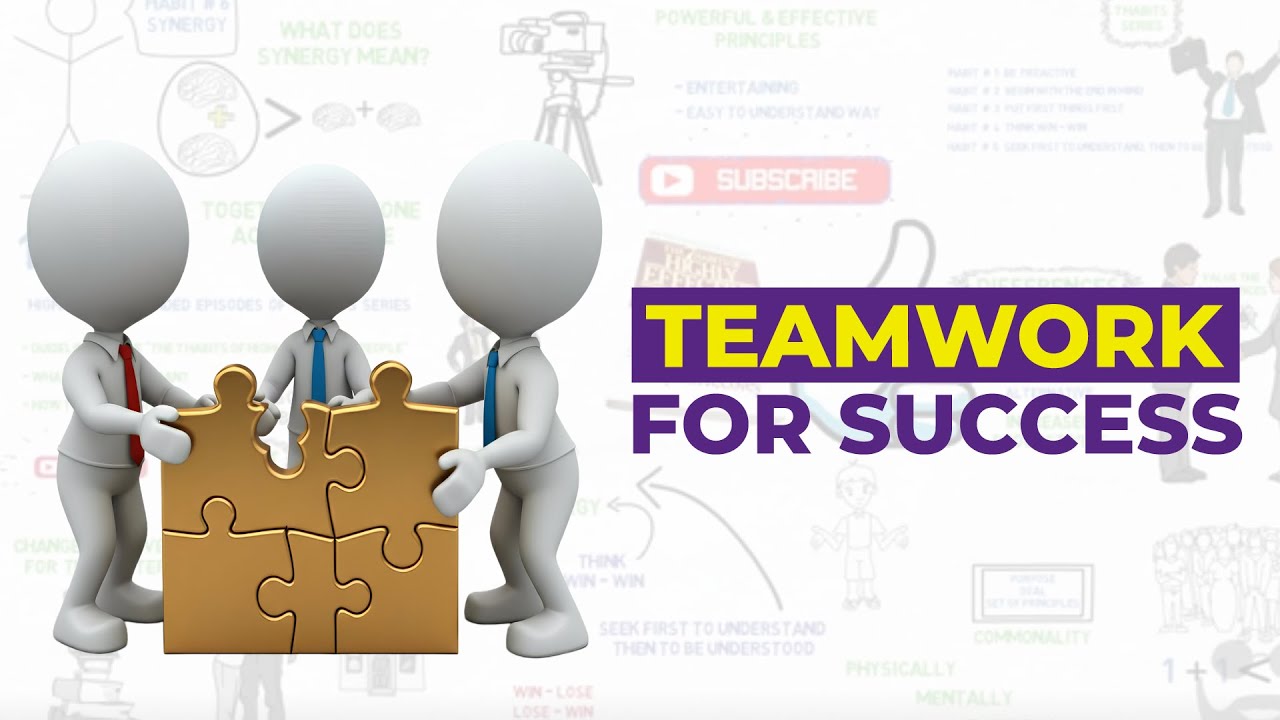
habit is all about the power of collaboration and teamwork according to the author when people work together they can achieve results that are greater than what each individual can achieve alone Synergy is about finding Creative Solutions that benefit everyone involved rather than just compromising to achieve Synergy people must be open-minded willing to listen to others and have good communication skills they must also build trust and respect with others to create a positive working environment Synergy can be applied in personal and professional relationships to achieve mutual benefits and positive outcomes John is a busy father who
struggles to balance his career and personal life he often Works long hours at the office and feels like he doesn't have enough time to spend with his family one day John realizes that he needs to make a change and decides to start practicing the sixth habit synergy he begins by seeking out opportunities to collaborate with his colleagues and finding ways to improve processes and workflows at his job as he works with his team to solve problems he starts to see the benefits of synergy in action by combining his strengths and skills with those of his
co-workers they're able to achieve better results and increase efficiency fujan also realizes that Synergy doesn't just apply to his work life it's something he can apply to his personal life as well he starts to look for ways to collaborate and communicate more effectively with his family by involving his wife and children in decision making and problem solving they're able to achieve greater Harmony and happiness at home as John continues to practice the sixth habit he sees how it connects with the other habits he's learned Synergy requires him to be proactive in seeking out opportunities to
collaborate with others habit one to listen empathetically and seek to understand others perspectives habit five and to continuously improve and learn from his experiences habit 7. by practicing all of these habits together John is able to achieve greater Effectiveness in all areas of his life habit number seven sharpen the saw the seventh habit means to prioritize self-renewal and continuous self-improvement both physically and mentally this habit is based on the idea that in order to be highly effective in our lives we need to take care of ourselves first we must balance and renew our physical spiritual
mental and emotional needs regularly to remain effective and productive sharpening the saw involves taking care of our physical health by exercising regularly eating well and getting enough rest it also involves nurturing our emotional and mental health by practicing self-care learning new things and taking time for reflection and relaxation finally it involves developing our spiritual side by exploring our values beliefs and purpose this habit is important because it allows us to maintain the energy focus and motivation needed to achieve our goals and live a fulfilling life when we neglect self-care and self-renewal we become less effective
less productive and more prone to burnout by sharpening the saw we not only improve our own lives but also become better equipped to help others and make a positive impact in the world it is the foundation for all other habits as it enables us to continue practicing them and maintain our progress towards becoming highly effective individuals one way to apply this habit is to set aside regular time for personal growth and development for example a person might choose to spend an hour each day reading a book on a topic they want to learn more about
attending a weekly yoga class to improve their physical health or meeting with a therapist to work on their emotional well-being one person who exemplified this habit was Benjamin Franklin one of the founding fathers of the United States Franklin was known for his lifelong commitment to learning and personal development he set aside time each day to read and reflect and he also pursued a variety of interests outside of his primary work as a printer and a Statesman he experimented with electricity created his own version of the phonetic alphabet and invented the Franklin stove among other accomplishments
Franklin's example demonstrates the importance of continual learning and growth in all areas of life by staying curious and open to new experiences we can continue to improve ourselves and make meaningful contributions to the world around us thanks for tuning in to our summary of The Seven Habits of Highly Effective People as we've seen the most successful and fulfilled people live From the Inside Out focusing on developing their character principles and values and letting these inner qualities guide their decisions and interactions with the world as we wrap up I want to encourage you to take the
principles we've discussed to heart and apply them to your own life take time to reflect on your values your mission and your goals and let these guide your actions and decisions remember that true success and fulfillment come from within and that by cultivating your inner self you can achieve great things in all areas of your life if you've enjoyed this video please like And subscribe to our channel for more content like this and don't hesitate to share your thoughts and experiences in the comments below thanks again for watching see you soon


![Secrets Of The Millionaire Mind: Book Summary [2024] | Book Simplified](https://img.youtube.com/vi/MJEyeJSCoGg/maxresdefault.jpg)
![How to Stop Worrying and Start Living: Book Summary [2024] | Book Simplified](https://img.youtube.com/vi/NHAWgwnMV5Q/maxresdefault.jpg)
![The Richest Man in Babylon: Book Summary [2024] | Book Simplified](https://img.youtube.com/vi/NV0kRDlUyNo/maxresdefault.jpg)
![Never Split The Difference: Book Summary [2024] | Book Simplified](https://img.youtube.com/vi/EWGWlJRmCWg/maxresdefault.jpg)


![How To Win Friends And Influence People: Book Summary [2024] | Book Simplified](https://img.youtube.com/vi/xWOYlR-p9-g/maxresdefault.jpg)

![The Power of Habit: Book Summary [2024] | Book Simplified](https://img.youtube.com/vi/vNm5WY2a4TY/maxresdefault.jpg)