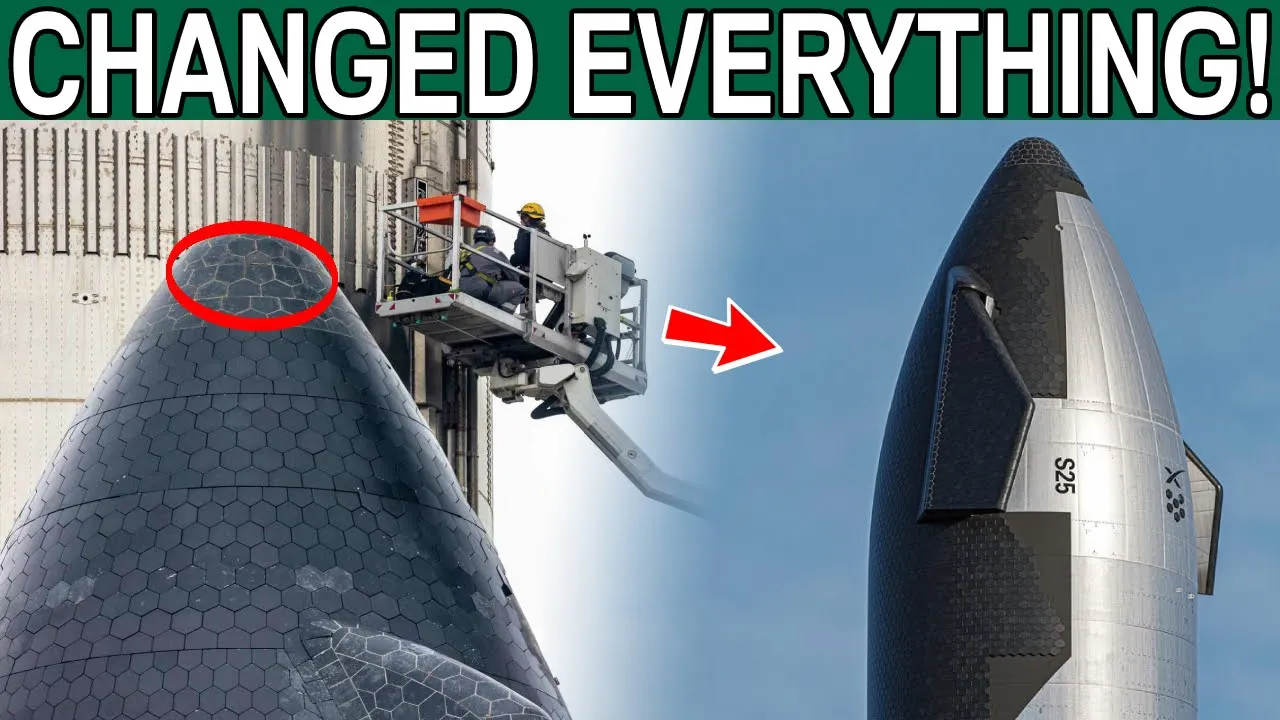
there are over a 100 space companies in the world and most of them have been around far longer than SpaceX yet when you compare all of them combined they haven't even come close to achieving what SpaceX has done in just two decades if you ask me what made SpaceX so successful it's simple their ability to innovate rapidly they move fast test fast and upgrade fast without wasting any time a perfect example of this is what has happened after the recent Starship launches SpaceX has already implemented several key changes to Starship that will significantly improve future
launches in this video we're going to talk about these upgrades and how they will impact future missions but before we dive deeper don't forget to subscribe to our channel for more updates on Starship and spacex's other groundbreaking achievements the development of Starship is divided into different versions and prototypes each serving a specific purpose to test certain capabilities SpaceX has built multiple upper stage prototypes starting with starhopper which laid the groundwork for future designs these have evolved through different serial numbers or SN including sn8 through sn15 which tested high altitude flight and re-entry the latest test
flights use what are called block one prototypes with further versions planned for more advanced missions each prototype focuses on different aspects like engine performance heat shield capabilities or structural Integrity during re-entry rather than waiting for a perfect design SpaceX builds prototypes conducts tests and applies Lessons Learned to the next iteration this approach is why when you look at the five Starship flights so far each one has been better than the previous one the first flight in April 2023 featuring s24 and booster 7 was a major Milestone but ended in Failure due to structural issues during
stage separation the second flight in June 2023 with s25 and booster 8 attempted to improve upon the first but problems persisted during re-entry the third flight in December 2023 with s27 and booster 9 showed better results including successful stage separation though engine issues during the landing burn led to a crash flight 4 in June 2024 which used s29 and booster 11 was more successful with controlled Landings of both stages however significant damage to the forward flaps during re-entry was still an issue the most recent flight flight five in October 2024 using s30 and booster 12
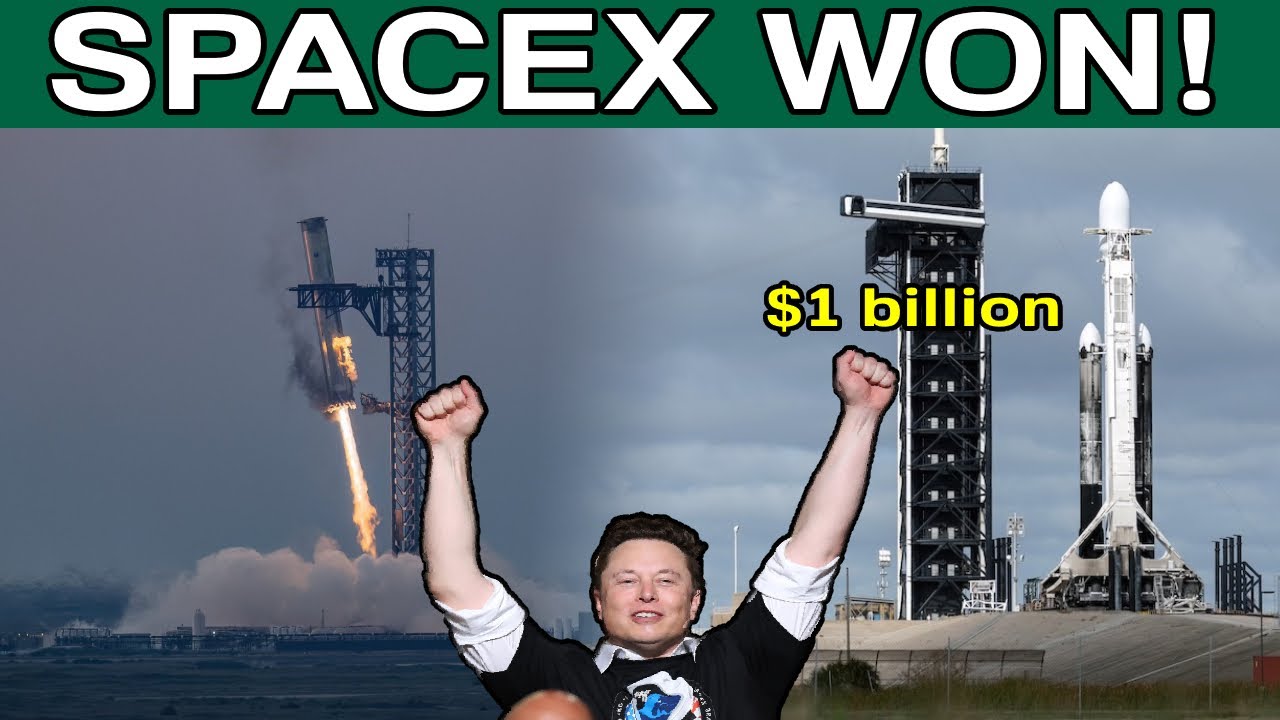
marked the first time both the booster and starship were successfully recovered the booster was caught by the launch Tower and the Starship upper stage performed a controlled re-entry and splash down while this flight was a major success some flat Burns during re-entry indicated that further improvements are still needed now flight 5 is without a doubt more successful than all the previous four flights combined however there were still some serious issues that surfaced during the flight flight 5 saw Starship and super heavy booster 12 perform well during the initial stages of launch after liftoff the booster
successfully powered through the atmosphere with its 33 Raptor 2 engines generating an enormous amount of thrust the first stage separation which had been a challenge in previous flights went smoothly once the booster detached the Starship upper stage was on its own continuing toward its intended flight path this upper stage s30 performed better than any previous Starship prototypes during its Ascent however while the vehicle managed to complete much of the flight successfully the real challenges became evident during re-entry as the spacecraft re-entered Earth's atmosphere it encountered issues with its flap joints these flaps experienced significant stress
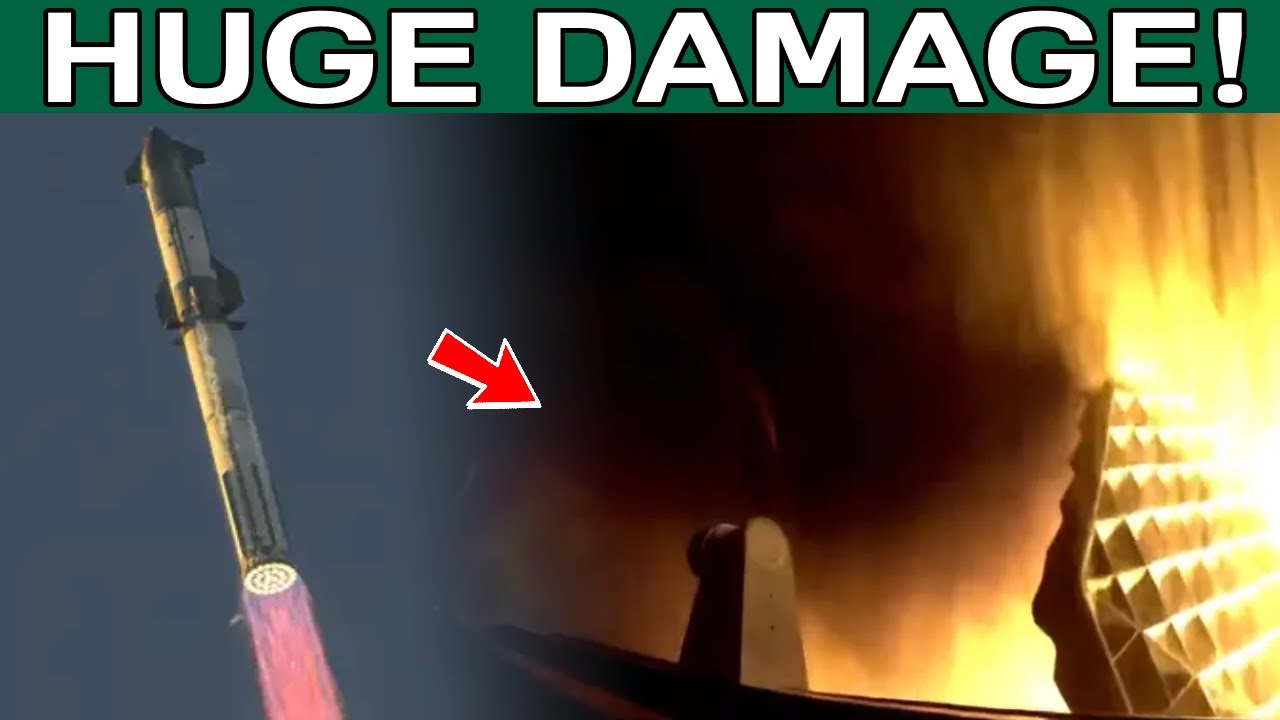
and heat during the high-speed re-entry although the heat shield did its job in protecting the starship's main body the flap joints began to show signs of burns this damage occurred toward the end of the flight during the flip maneuver the flap joint Burns impacted the vehicle's control during descent causing a less than perfect trajectory for the landing although Starship ultimately splash down safely the performance during this critical phase highlighted that further refinements to the flap design and heat shielding are necessary another challenge during flight 5 was the behavior of the heat shield itself while it
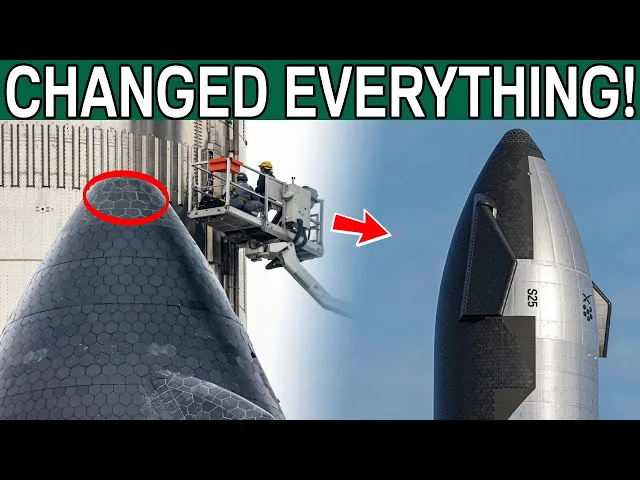
protected most of the vehicle the shields interaction with the flaps during re-entry created weak points these weak spots where the heat shield tiles meet the moving flaps are particularly vulnerable during the high temperature descent SpaceX is now focusing on version 2 protot types to address these issues one of the most critical upgrades in version two of Starship is the redesigned heat shield during previous test flights the heat shield experienced significant stress during re-entry causing Burns to the flap joints as seen in Flight 5 SpaceX is now upgrading the heat shield by using stronger materials and
improving the layout of the hexagonal tiles the flap design has also been revised in earlier versions the large and heavy forward flaps were positioned in such a way that they created significant aerodynamic drag and were prone to damage during re-entry in version two SpaceX has reduced the size of the flaps and repositioned them to improve maneuverability and stability during re-entry SpaceX is not just refining the Starship design but also making significant improvements to the Raptor engines specifically with the development of the Raptor 3 the Raptor engines crucial for powering both the super heavy booster and
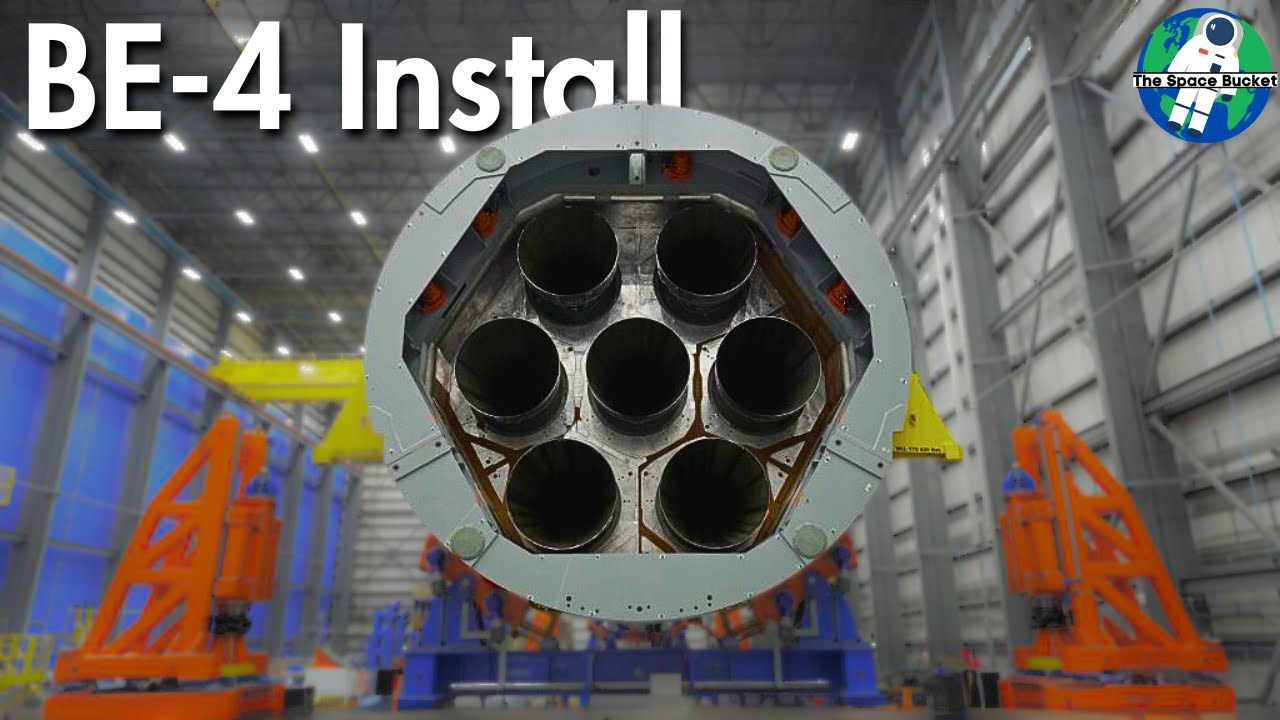
Starship have undergone several upgrades since their Inception and the Raptor 3 represents a major Leap Forward in efficiency power and simplicity the Raptor 3 delivers 51% more thrust compared to the first version and 22% more thrust compared to Raptor 2 reaching a Thrust of 280 tons Force this is a significant upgrade over the 185 tons force of the original Raptor 1 and the 23 30 tons force of the Raptor 2 and allows SpaceX to surpass the thrust levels required for massive payloads like the ones planned for Mars missions for comparison NASA's Saturn 5 rocket which
remains one of the most iconic in history generated 7.5 million pounds of thrust with 5 F1 engines in contrast super heavy equipped with 33 Raptor 3 engines can generate over 10 million PBS of thrust more than double Saturn 5's thrust all while aiming for reusability one of the key improvements in Raptor 3 is its simplified design which cuts down on both weight and complexity the engine weighs just 1,525 kg lighter than both the Raptor 1 and Raptor 2 which weighed 280 kg and 1,630 kg respectively this reduction in weight boosts the overall efficiency of the
rocket allowing more payload load to be carried the simplification extends to the internal structure where integral cooling circuits replace the need for a separate heat shield this Innovation allows the engine to manage heat without the additional bulk making the engine easier to maintain and operate in comparison to spacex's Merlin engines which are used in the Falcon heavy the Raptor 3 produces significantly more power each Merlin engine generates around 190,000 lb of thrust while a single Raptor 3 can generate up to 500,000 lb this gives Starship a payload capacity of 100 to 150 metric tons to
low earth orbit far surpassing Falcon heavy 63.8 metric tons moreover the Raptor 3 eliminates many of the challenges faced by earlier versions particularly Raptor 2 which experienced failures like hot gas leaks and fires during test flights by reducing the number of bolted joints and streamlining the hot gas manifold SpaceX has increased the reliability and thrust to weight ratio of the engine Raptor 3 can exceed 300 tons of thrust in future iterations making it one of the most powerful rocket engines ever developed don't forget to check the link in the description to grab your own highly
realistic Starship model thanks for watching and we hope to see you in the next video