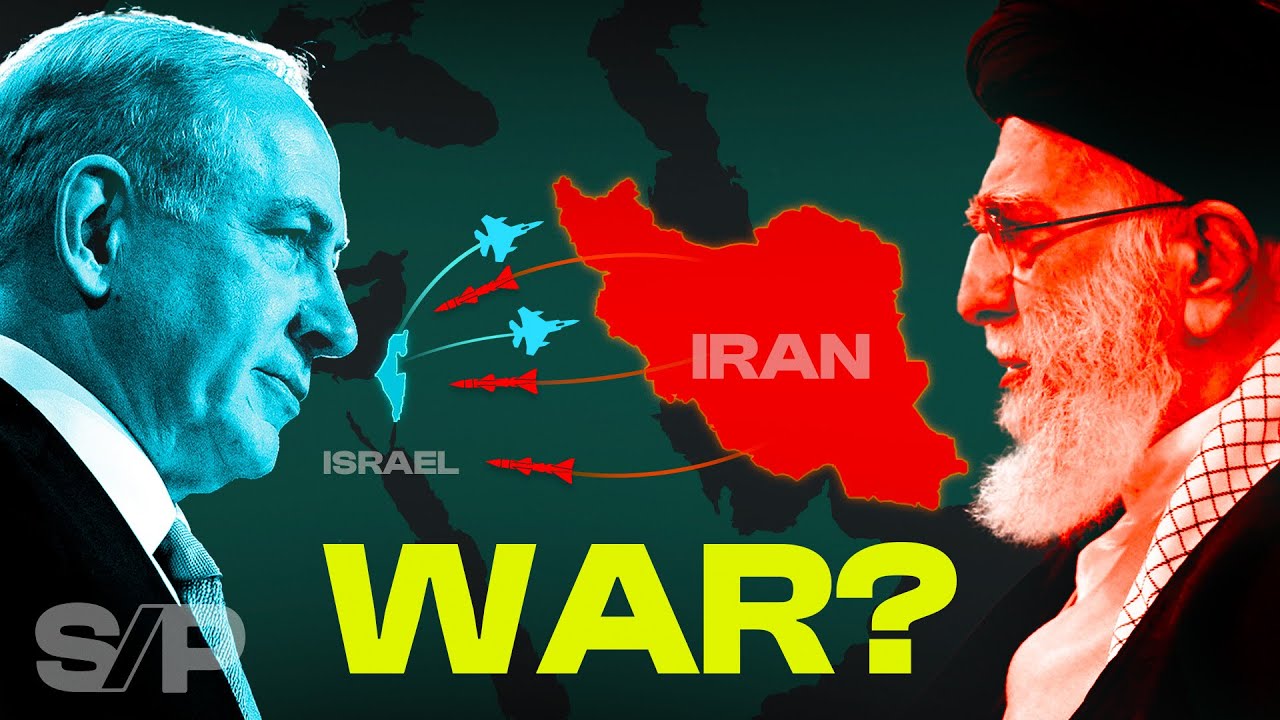
[Music] so welcome everyone I hope you're enjoying this second week of the course today our special guest is a YouTube star uh followed by hundreds of thousands of people across the world who try to understand how Global geopolitics work and uh he also makes very interesting analysis on Sports and that to be honest it's a little bit hard to find elsewhere uh today we're gonna meet Sam Ellis the Creator behind search party to which you should definitely follow him subscribe on YouTube right after watching this interview Sam as someone who's not myself not a big
fan of sports have to admit that you actually got me really interested that's really impressive appreciate it um thanks for watching and thanks for having me here so what's your story what what led you to the side to launch a project like a search party um so I mean I learned to make videos uh or i' learned to be a journalist to make videos at Vox um which had a amazing YouTube channel um I was there for seven years um and I just I think what they taught me was how to break complicated things down
simply speak to people in a way that they can understand and then most importantly show them in a way that they can understand as well and so at Vox I I would mostly cover geopolitics um which I loved I think it's it's such a complicated thing and it's such fertile ground for for creating explainers it's very hard to find simple information understandable information on geopolitics um but then every year we would try and have some fun and cover Sports I'm a big sports fan um so I I looked at what kind of stories that I
could cover Sports using a map uh using visuals um and I just really enjoyed it so when I got the chance to start search party with Johnny Harris uh and he asked me what I wanted to do it was uh it was I still wanted geopolitics because that's what I love to cover um but I think no one is no one is explaining Sports in in quite a way um like we did at box and and I'd like to do more of that I'm myself I'm also a a Creator and at the same time as
I'm a journalist and have the impression that sometimes a lot of us go to content creator because we have find more freedom there that we don't always find in the structure of traditional news media because we have to deal with like their structure the Dynamics um how do you feel about that and is that related to why you launched search party um you know I I actually really enjoyed working as part of a big media organization I'm I'm a team player um I had brilliant brilliant editors at box brilliant animators I could work with um
so I I I really do miss that I think going independent certainly gives you some creative um flexibility for sure and I love that I mean some of the things we've we've been able to do at search party um you know only only work because it comes from kind my unique experience or my unique way of of looking at things um but it cuts both ways right I you know I miss having people look at scripts I miss having guidance um that uh that some of the big mainstream media organizations have um so it's it's
there I'd say they're fro and cons to each I'm I'm thrilled to be independent it's it's super fun it just uh it exercises different muscles um one of the things we're doing this this week at the course is to try to understand how digital platforms work what the Dynamics are and how all of that impacts what we call public information um what do you think about that is that is it a big topic how how do you how do you think that influences your work uh could you clarify the question a bit uh so we're
trying to understand how uh platforms work what the Dynamics are and how they impact our work as either content creators or journalists um how would you say in general that that platforms have influenced your work as someone for example who's focused on uh mostly YouTube videos if I understand that right whereas I myself for example I'm more like of a Tik Tok person okay um yeah I mean I mean YouTube um yeah YouTube they there's a lot of pressure to to publish a lot I mean that's kind of the main the main pressure so uh
as an independent Creator you I make all the videos on my channel um I'd say that's been the the biggest thing is like how what is The Balancing Act how many can we do but but make sure that they're high quality and that we're we are doing it journalistically safely and we're we're you know we're doing everything we need to create a good solid analysis um I think there's pressure to go as fast as possible and and uh work work can get sloppy if you go as fast as possible but um so yeah it's it's
a balance to find out quantity and quality um right now we live in what some people call an algorithmically driven era so basically an algorithm determines what we see on social media or other platforms um it's not that much it's not not not that much anymore that people open and use paper that they buy in the morning and they find the story there so people find news or other kind of informational or educational content uh depending on what the algorithm shows them it might be in between uh for example cute cat or dog videos um
I want to know uh does your algorithm think that you're a dog or a cat person definitely a dog person I don't think I've seen a cat on the internet since 2010 okay Jokes Aside uh how will you explain the impact of the algorithm and knowing how the algorithm works in your process to create content from the brainstorming and scripting to the final let's say editing of the video for example yeah I I mean it's hard no one you know only YouTube knows exactly how the algorithm works but I I think the rule of thumb
and this is a great question the the rule of thumb that I kind of use is is when you publish a video um YouTube first looks at for the first couple hours how many of your subscribers are watching um if a lot of them are watching then YouTube goes this is a great video we're going to push it out further and so what that creates is this pressure to create um topics that just your audience wants kind of over and over and over again and so that's kind of the limitation we think of so so
that leads me to think okay you know our first couple videos for example when we launched were about um soccer and about Gio it was about soccer we so we got a bunch of soccer subscribers so it was like okay we should see covering soccer but we need to slowly widen their perspective and because we didn't want to just be a soccer channel so it's it's kind of that thinking of like and you know what you got to keep that in mind what is what I mean when you publish it's like like when you go
way out of your topic range um it might not do very well and that's not necessarily because the video was bad it's just because you have a certain kind of fan and they weren't looking to that and so then when so when we launch search party we kind of keep both in mind we keep this is this video may be for our subscribers they're going to love this hopefully it goes viral you know YouTube the algorithms going to love it but we do other videos that are like maybe our subscriber base won't love this but
maybe we'll Reach people who do and therefore we'll bring more subscribers So eventually we kind of have this big tent of people and the algorithm would will affect our videos a little bit less because we have lots of people that like all kinds of videos if that makes sense really like what you said about you know if something doesn't work out it doesn't mean that the video is bad that you're doing bad journalism it's just that maybe it didn't work for the audience or for that moment of the algorithm when it comes to your audience
you think your followers or viewers or subscribers in this case sorry um are aware of how the algorithm works and how it commands content that's a good question I I don't really know I mean one question because we cover Sports and we cover because we have the Spectrum I've often pulled a couple times my subscribers like do you like the sports videos or do you like the geopolitics ones and overwhelmingly people click you know see they like both of them you know and and that's kind of the purest way that I can measure this kind
of thing um I think oftentimes people get distracted with what commenters say um but commenters are just a such a small they're important but they're such a small fraction of who's watching the video so for me I keep in mind who are the people giving me a thumbs up who are the people just watching the video and and you know maybe not commenting they clearly like it they keep coming back so that's kind of what I keep in mind when we talk about the algorithm it's often in a negative way and there are reasons for
that surely um but uh do you think that the algorithm it's also possibly like an opportunity to platform stories that might not make it let's say to a traditional newspaper that could can there be a positive approach to the algorithm while still like acknowledging the limitations at hus I mean I think yeah I mean listen the the algorithm the algorithm is built to show people what they want to see and lots of people like want to see things that weren't in mainstream media and so the algorithm is going to help them see stuff that they
like that's maybe not in mainstream media and then the more of that happens then then maybe the more people will cover this kind of thing so I think that's a great way to think about it I'm going to ask a difficult question now okay are you ready uh one of the main discussions uh going on in the world of journalists creators H and the wther journalism industry of course is monetization um and how do we make all these contents that we make often for free uh work financially what are your thoughts about this big issue
that we all face I mean it's hard I think the the business side of of things things are always changing um for us I think it's an opportunity I mean newspapers have always sold ads next to articles and so when I do an ad read in the middle of a video it's it's much the same as that you know there's someone is paying for a space on my video just like they would pay for a space on the front page um and and that's how we it's how we make money and it's how it it's
what makes this kind of thing possible Right journalism is hard it takes resources um if it's if it doesn't fit a business model then you're going to get people doing it as fast and and quick as possible and probably irresponsibly as possible so I view it as a good thing that it's becoming a sustainable business model it may not be what a lot of people are used to um but it's sustaining a lot of great journalists on on YouTube and and I think it's not so different than what uh media has always you know used
advertising for what about so so what let's say in terms of okay we we we accept that there we have to have ads to make things work financially where does transparency come because uh I think a lot of people are concerned that some creators might not be that transparent although what you're talking about is quite transparent right like do you think that being transparent at uh in terms of regarding every kind of like advertising or brand collaboration that we have on our channel to that helps us make sustainable content or journalism is the key to
let's say long-term sustainability over our journalistic products on social platforms yeah I I I mean I would argue listen like I I would never take an ad from something that I'm covering right like that's kind of always been the rule um you know I just did a video about sports gambling it would be very inappropriate for me to take you know an advertisement from a sports gambling company on that ad right um so I think it's very important for journalists to draw that line hard um but also when funding comes in is to let people
know where the funding is coming from you know for us it's it's for sponsored ad read but um it's important too that that journalists are very clear about and I think it's easy to do if you're doing it right um clear where the funding is coming from in terms of um the audience right and how the audience sees that uh I think you have a very clear idea of what you can do and what you shouldn't do um how does your audience see it um I think we we're all very used to creators taking on
brand collaborations let's say or even um going for some advertising um what uh do you think they will also they're also used to journalists who are also creators doing the same um is the audience basically is the audience ready for this model that pays for our content yeah I mean I think so I mean it's it's not new it's been it's been you know it's 2024 people were doing it six seven years ago um I I think it's new I think I don't think people are going to be bothered by it I mean again you
get say similar thing what I said earlier is like are commenters going to be that there are ads in it yes but the vast majority of people just you know watch the ad and it doesn't seem to bother them so yeah I mean it's is to me it's not a stretch you know you know what am I trying to say it's like yeah I I think it's I think it's fine I think that the the popularity of journalists on YouTube is Testament to that people are are cool with this business model as long as it's
done transparently uh Sam I have two more quick questions because you don't have that much time and I really appreciate you your time and you sharing your knowledge with us um there's uh so we talk a lot about how creators depend on platforms but platforms also depend on creators to create the content that keeps people watching um right now there's an ongoing debate among some creators and other people that put out content uh about scraping data and uh you know how platforms use some content to train AI models um is that something you are concerned
about so the fair use of your content yeah I I mean to to be honest with you it's not something that I'm super well versed on um I don't love the idea of any of my content being used without my permission so I'll leave it there but in terms of ai ai models and and what's being used in them is uh it's something I need to read up buch I love the transparency and the honesty uh one last question um uh when many creators leave a platform for another alternative we can think of like some
platforms that have lost some popularity in the past couple of years audiences often end up following them because the platforms needs the content to remain interesting and relevant to its users so in the end uh although sorry content creators are like small in a bigger ecosystem they do have a power and they do have an influence do you think um content creators also have um the power to hold platforms accountable for the things that they believe to be roning platforms or just to like uh create a more a Freer and more Democratic and more balanced
um information ecosystem within the platforms themselves yeah and it comes out to doing good responsible work I mean people who do good responsible work um the platforms also want good responsible work on their platforms so it's uh it's a question of um people who want to do good work on on YouTube being clear about what they need to do that good work um and to be transparent about how they can you know make a make a living doing that good work um and I and I think if people keep doing that then the platforms are
going to recognize that and and um and uh and help them out okay Sam thank you so much for your time I'm pretty sure that all of our students will have love to your answers and they gave us a lot of footful thought uh please everyone follow search party right now watch their videos because they're great and we'll talk later in the Forum about what time has said [Music]


![All 7 Chakras Healing Music [removes negative energy, clears the aura & improves the body] 528HZ](https://img.youtube.com/vi/NF35xujl23c/maxresdefault.jpg)