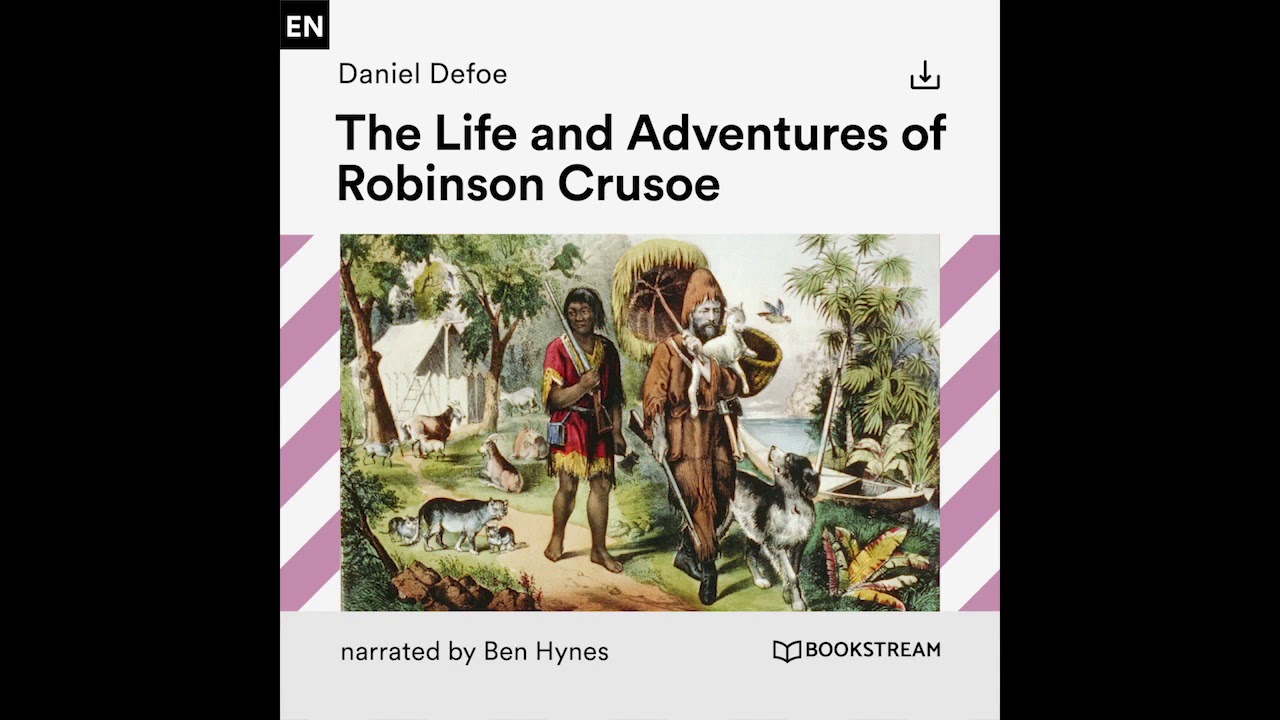
Robinson Crusoe was a blockbuster novel the most famous and widely printed work of author Daniel Defoe the timeless story of self-reliance and survival on a deserted island is older than America itself and while the context of its time period remain dated and often problematic Robinson Crusoe holds up as an innovative wildly popular critically acclaimed novel that remains influential and beloved today author Daniel Defoe was born in London on September 13th 1660 he studied to become a Presbyterian minister but abandoned the clergy to be emergences he declared bankruptcy in 1692 and became a political writer journalist
and pamphleteer to foes interests in religion politics and trade all came together seamlessly in Robinson Crusoe and Defoe is considered the father of the English novel Robinson Crusoe was the first novel written in English to use the prose narrative form the original Desert Island narrative Robinson Crusoe saw many film adaptations and itself influenced many other films and television series including lost castaway the Martian and Gilligan's Island now the story is based on the real-life adventures of Scottish sailor Alexander Selkirk a rebellious adventurer who willingly stranded himself on an island off the coast of Chile in
the early 18th century shortly before the publication of Robinson Crusoe the novel has a lasting literary legacy blending a unique prose style with survival narrative engaging easy to read language a story of personal growth and Christian values but it's also a troubling representation of colonialism and racism and many of Robinson Crusoe's beliefs and actions are influenced by things like cultural domination and while he grows to care about others in relatable human ways he also has no qualms with things taking slaves or killing natives when he sees they're holding a white man hostage as opposed to
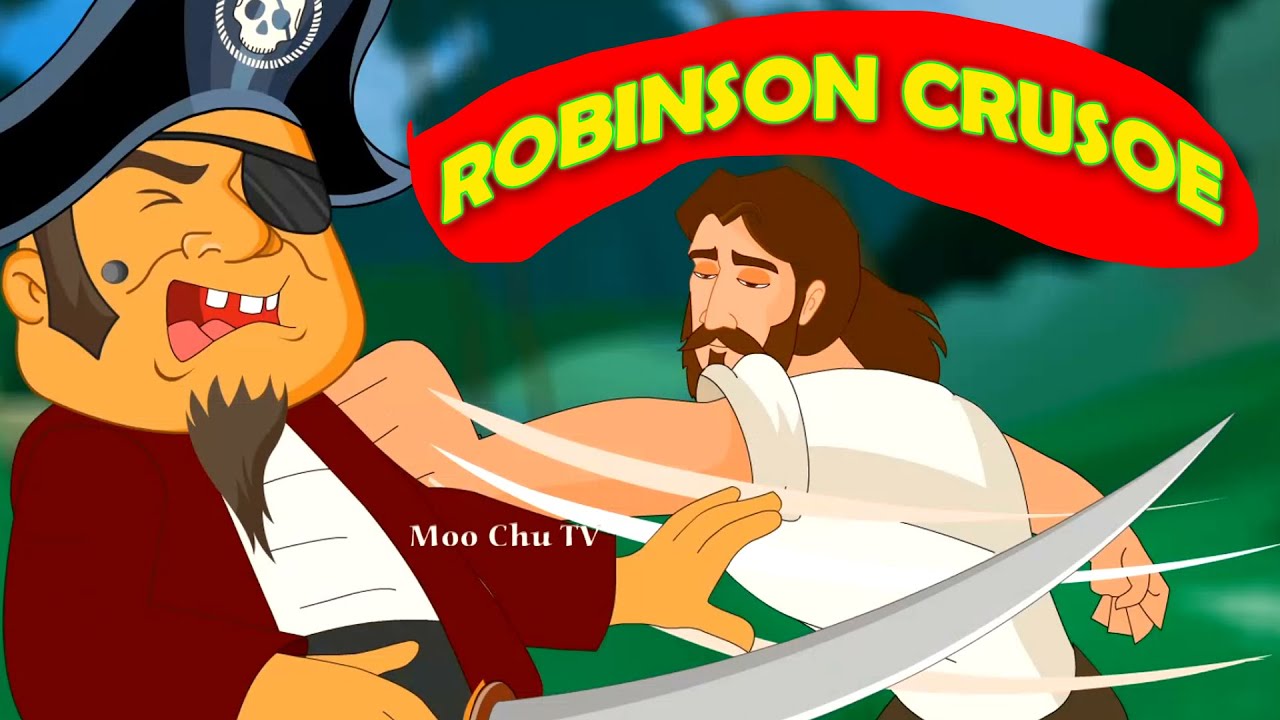
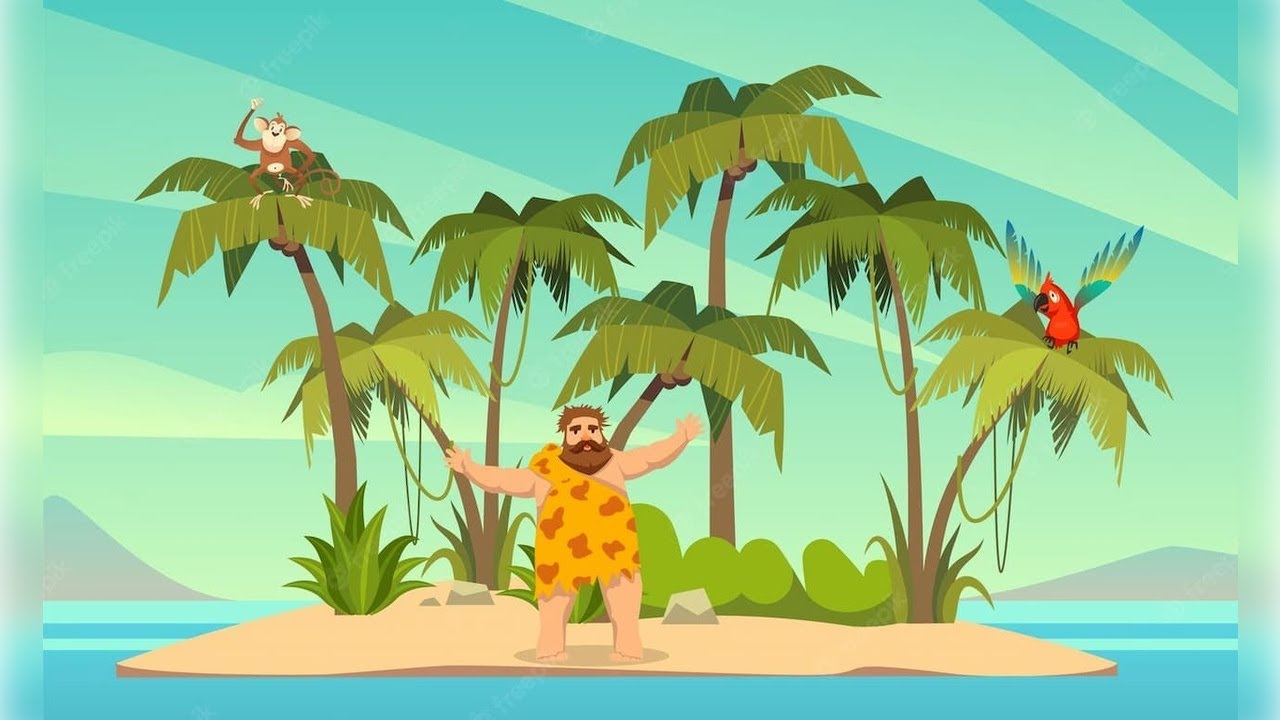
his originally thinking they were just brutalizing each other moments like these are glimpses into the contexts of the world Robinson Crusoe was written at the onset of the novel narrator and titular protagonist Robinson Crusoe introduces himself and makes it clear he loves adventure at sea Robinson Crusoe leaves home against his parents advice and Moroccan pirates take Crusoe into slavery Crusoe escapes and travels to Brazil a shipwreck strands Crusoe on an island and route to Africa and everyone else aboard is killed cruise o lives alone on the island for 23 years Crusoe rescues a native captive
whom he names Friday and they battle against cannibals who inhabit the nearby and mainland during the action-packed climax Crusoe helps an English captain whose crew has mutiny and returns to England cruise Oh learns he has made a fortune from his plantation he started back in Brazil and he embarks on another voyage with Friday and a small crew this time fighting wild animals in the mountains of France and even visiting his former beloved Island home seeing a community has sprouted up there Robinson Crusoe ends with the promise of further adventures setting up the two sequels that
would follow the novel's key symbols gun tools boats and cruisers island calendar post all speak to greater themes self-reliance civilization progress Christianity and nature it is the combination of innovative literary narrative and evocative symbolic lessons and virtues and contexts that have seen Robinson Crusoe withstand the test of time for far longer than the decades Crusoe himself spent on the island the centuries of success can be attributed to a simple tale of adventure that combines many genres with excellent storytelling and the nearly countless translations and printings of the book as well as screen adaptations and other
stories influenced by Robinson Crusoe make this the original English prose novel a true great of literature [Music]