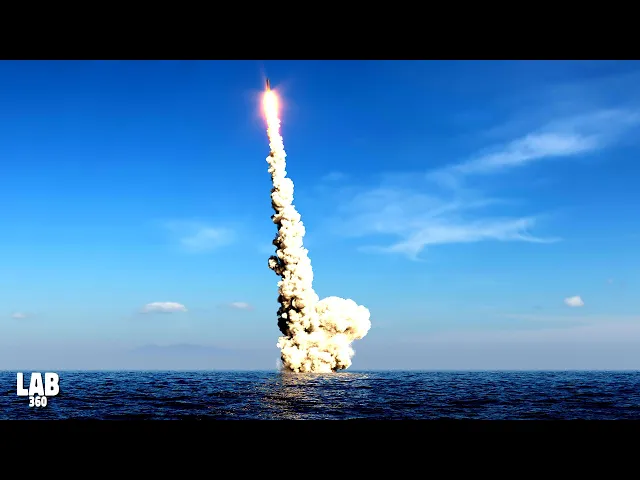
at the height of the Cold War the world saw two countries battle it out in almost every sector but space was the ultimate show to display one's technological prowess over the other the Soviet Union and the United States went head-to-head with the former putting the first artificial satellite into Earth's orbit and the latter replying by putting first man on the Moon but after the dissolution of the Soviet the United States marched way ahead into the space Frontier today it has the biggest space exploration body in the world with an annual budget of 32 billion dollars no other space organization comes even remotely close to that of the country's National Aeronautics and Space Administration or NASA but there is one player who is changing the game or more like the rules of the game when it comes to space exploration that player is China and it is catching up to the United States very fast and in some cases going past it welcome to lab 360. it's time to explore for a country that was nowhere close in the Space Race China sure has come far ahead only half a century ago it put its first satellite into orbit whilst tackling a massive disruption caused to a cultural revolution that was in 1970 to put things into perspective in 1970 NASA was already halfway through its work on the Voyager spacecrafts which would be launched in the next seven years but things have drastically changed since then today China has launched more than 200 rockets in the past 10 years alone sent an unmanned mission to the moon and have their own space station after being kicked out from the International Space Station China State media xinhwa claims that at least three hundred thousand people have worked on China's space projects almost 18 times the number of employees NASA has yes the space race between the United States and China is set for a new and exciting turn as the latter is geared to challenge the James Webb Space Telescope with its Fleet of tiny satellites as they dive into deep space China's scientists are creating a fleet of small satellites to monitor the highly energetic and short-lived violent occurrences of deep space and the Chinese Mission has envisioned more than 100 microsatellites each outfitted with a smaller and lighter version of a typical x-ray telescope the technique contrasts sharply with the current trend of ever larger telescopes that can look deeper into space and time they are calling it The Catch chasing all transients constellation hunters and it will be a constellation of hundreds of satellites while all of this is fascinating China really outdid themselves This Time by beating Elon musk's SpaceX the UK 2 rocket developed by chinese company land space successfully soared to orbit after launching from the jochuan satellite launch Center in the Gobi Desert U. S space force tracking confirmed Chinese reports that the methane-fueled rocket made it to orbit it was a milestone effort for UK 2 which suffered an anomaly during its debut flight on December 14 2022 methane aside from burning with a pretty blue color during launch has been billed by Advocates as being more environmentally friendly while methane is a greenhouse gas it is cleaner than the standard rp1 or kerosene used in many Rockets many U.
S companies are working on methane fueled Rockets as well including SpaceX with its Starship system blue origin with new Glenn rocket lab with Neutron United launch alliance with Vulcan Centaur and relativity space with its Terran line some of these vehicles have suffered issues in recent months however Terran one failed to reach Orbit on its debut launch in March for example and SpaceX issued a self-destruct command to Starship during its first fully stacked launch in April after the vehicle suffered several anomalies SpaceX is developing Starship to help settle Mars and methane fuel can be sourced on the red planet company founder and CEO Elon Musk has stressed Vulcan centaur was supposed to fly for the first time in early may but that liftoff has been delayed after an anomaly occurred during testing of the Rocket's upper stage China and its private space companies have been on a tear in terms of launches taking 54 missions to orbit in 2022 and targeting more than 60 in 2023 by comparison SpaceX by far the busiest U. S launcher launched 61 Rockets to space in 2022 while the global space Community remains enthralled by these developments it's important to acknowledge China's significant contributions in the realm of exploration the space race is getting exciting while China takes giant leaps in the field the U.