They thought she was just another easy target. A quiet black teenage girl standing alone in a courtroom built to crush people like her. They thought they could rush her through the system, hand down a life sentence, and move on without anyone noticing. But what they didn't know is who she really was. Because this wasn't just any girl. She wasn't just another name on a file. She was the daughter of the most powerful Law enforcement officer in the country. And with just one phone call, she set off a chain of events that would expose corruption at
the highest level and bring the whole system to its knees. What happens next is a fight for truth, family, and justice that you won't believe until you hear it for yourself. So get ready because this isn't just her story. This is a story for anyone who's ever felt like the system was rigged against them. Let us know what time You're watching and where you're tuning in from. Drop us a comment below. We'd love to hear from you. Now, let's in say the quiet ones are easy to overlook. The ones who keep their heads down. The
ones who don't raise their voices. The ones who move through the world without leaving a ripple. That's how it starts. That's how the world tricks itself into thinking those people don't matter. But they do. Oh, they do. And nobody knew that better than the Girl standing in front of the judge that morning. Her name was Zariah Moore. 17 years old, barely 110 lb soaking wet. She didn't wear makeup. She didn't wear jewelry. She didn't wear a single thing that made her stand out in that cold Alabama courtroom, except for the fact that she was there.
Except for the fact that she was the one they decided to blame. She stood there with her wrists bound in front of her. Those heavy silver cuffs hanging too big on her Small, thin arms. The orange jumpsuit they gave her sagged off her shoulders like it had swallowed her hole. But she didn't shift. She didn't shake. She didn't cry. She just stood there breathing so softly you almost couldn't tell she was breathing at all. And in the second row, an old man sat clutching the edges of the wooden bench, his knuckles pale from the pressure.
Samuel Moore. Folks in Birmingham called him Pops. A man who used to carry mail up And down these streets long before his knees started to give out. A man who'd raised Zariah after her mother left. a man who'd taught her to keep her head high even when the world tried to push her low. And on that day, he sat still as stone, holding on to the only thing he had left, hope. Or maybe it was just habit. It was hard to tell the difference by then. The judge, Malcolm Crane, didn't even look up at first.
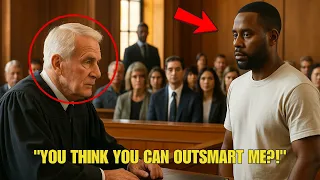
He sat there flipping through a stack of Papers like he was reading a grocery list, not about to take a girl's entire future away. He adjusted his glasses, leaned back in his chair, and finally looked up like he was already bored with whatever he was about to say. "In the case of the state of Alabama versus Zariah Moore," he started, his voice as dry as old chalk. This court finds the defendant guilty on all charges. Sentencing is as follows: life in prison without the possibility of parole. No Pause, no explanation, no moment to let the
words settle like they actually meant something. Just a sentence delivered like it was nothing more than another check mark on his calendar. And the room didn't move. Nobody gasped. Nobody shouted. Not the baiff, not the court reporter, not even the prosecutor who'd spent the last two weeks painting Zariah as some kind of criminal mastermind. It was like the whole courtroom was already on to the next Case, the next headline, the next poor soul walking through those same doors. and Zariah. She didn't flinch. She didn't lower her head. She didn't crumble like they probably expected her
to. Number she did something else entirely. She turned slowly, deliberately. She turned to face the people in the gallery, the few who bothered to show up. And for the first time that entire day, the first time since they dragged her into that Courtroom, she spoke. I'd like to make a phone call. Her voice wasn't loud. It wasn't angry. It didn't shake or crack. But it cut through the air like a razor. Not because it shouted. Not because it begged, but because it was steady. Because it was certain. Because it sounded like somebody who wasn't asking
permission. Somebody who already knew exactly what that one phone call was going to do. The judge raised an eyebrow like he wasn't sure he heard her right, But he didn't say a word. The baiff shifted his weight. The court reporter froze, fingers hovering above the keys. And pops, old pops, he blinked once. Just once. It wasn't a plea. It wasn't a protest. It was a statement. And though nobody in that room knew what she meant, Zariah did. Because sometimes the smallest voice in the room is the one holding the match. And that's the thing about
matches. You never really notice them until the spark catches, until it's Too late to stop the fire from spreading. This wasn't the end of Zariah Moore's story. Not even close. This This was how it began. They say you only get one phone call. Just one. Most people use it to call home. Call a lawyer. Call somebody who might come running. But Zariah Moore, she didn't call home. She didn't call a lawyer. She didn't even glance toward her grandfather sitting alone on that bench, holding on like the world was slipping out from under his Feet. No,
she called someone else. The guards didn't care who she was calling. They never do. They think they've seen it all before. Another scared teenager dialing a disconnected number. Another family member who wouldn't pick up. Another moment they could check off without thinking twice. But Zariah wasn't shaking. She wasn't secondguing. She stepped up to that old pay phone on the concrete wall, picked up the receiver like she'd done it a thousand Times before, and pressed the buttons slow, steady, like every single number mattered. On the other end of that call, was someone the world knew very
well, Washington, DC, a thousand miles away from that small courtroom in Alabama. Under the bright lights of a press briefing room, reporters crowded in, throwing questions like darts at the woman standing at the podium. Attorney General Leona Carter, the highest ranking law enforcement official in the United States, the first black woman to ever hold that title. The face of justice. At least that's what the world had been told. She stood there answering questions like she had a shield made of words. Equity, reform, criminal justice transformation. She hid all the right notes, smiled in all the
right places, gave them what they wanted to hear because that's what power looks like in DC. polished, rehearsed, controlled. Her phone buzzed in her jacket pocket. She Ignored it. It buzzed again. Unknown number. She almost silenced it. Almost. But something something deep, something old made her stop. Made her press that little green button and lift the phone to her ear. This is Leona Carter, she answered, already half ready to hang up. And then silence. Not the kind that feels empty, the kind that feels like the air itself is holding its breath. Then a voice, soft,
steady, familiar in a way that made her knees nearly buckle. It's me. Two words, that's all it took. Leona's hand gripped the edge of the podium. The press room around her kept moving, flashes popping, microphones reaching, but her world. Her world stopped cold. She leaned back, away from the cameras, away from the noise, pressing the phone tighter to her ear like she needed to make sure it was real. "Zariah," she whispered. Another breath, another pause, then Zariah spoke again. "You once said, the law protects The voiceless." Leona's throat tightened. She hadn't heard that voice since
Zariah was a little girl, since she left her behind in Birmingham all those years ago, chasing power and policies in Washington. She told herself it was for the greater good. Told herself she could fix the system from the inside. Told herself Zariah would understand one day. But now here she was on the other end of a prison phone. No tears, no begging, no blame, just a Reminder. Zariah didn't wait for a response. She didn't have to. Now it's your daughter who can't be heard. Leona's back hit the wall like all the air had left the
room. She couldn't speak, couldn't move, because what do you say when the system you spent your life building just swallowed your own child? What do you say when the one person you left behind is the one standing in the fire you helped light? Zariah didn't say another word. She Didn't have to. She hung up. Quiet, final, like she'd already done all she came to do. And Leona, she didn't go back to the cameras. She didn't finish her speech. She didn't take another question. Instead, she walked straight out of that press room and into a silence
so heavy it nearly dragged her to her knees. Because sometimes the loudest thing you'll ever hear is the voice you've spent your whole life trying to forget. Leona Carter stood Frozen in the empty hallway just outside the press briefing room. Her phone still pressed to her ear even though the line had already gone dead. She didn't move. Couldn't move. The echo of her daughter's voice, just two simple sentences, had done what no scandal, no political opponent, no courtroom battle had ever managed to do shatter her. She had trained herself for moments like this. Years of
sharpening her mind, controlling her breath, holding her Composure in front of cameras, senators, the president himself. She had built her career on never flinching, never folding, never letting anyone see her bleed. But this this was different. Zariah's voice hadn't just cracked something open. It had ripped right through the wall she'd spent a lifetime building. A wall she thought would keep her safe. A wall she thought would justify every sacrifice she'd made, including walking away from her own Daughter. Leona slid down the wall until she was sitting on the cold tile floor, her designer heels slipping
off her feet. She didn't care who saw her now. Didn't care if the cameras came running. For the first time in years, she wasn't performing. She wasn't spinning. She wasn't defending the system. She was just a mother and she had failed. In the silence of that hallway, Leona's mind replayed every excuse she had ever made to herself. Every time she told herself That leaving Birmingham had been the right thing, that Zariah would be better off with her grandfather while she chased justice on the national stage. She had convinced herself that she could fix everything from
the top down. Rewrite the policies, reform the laws, change the headlines, build something so strong that Zariah kids like her would never have to face the kind of broken system that had failed Leona's generation. But it was a lie because Right now her daughter wasn't standing on a graduation stage. She wasn't holding a scholarship or shaking hands with a senator. She was standing in a jail cell wearing chains, holding the weight of a system that had decided her life was disposable. And Leona had let it happen because she wasn't there. Not when it mattered. She
stood slowly, her hands trembling as she smoothed her suit. The reporters were still waiting on the other side of that door. The Lights, the microphones, the questions, they hadn't gone anywhere. But Leona didn't open the door. She turned and walked the other way. Her security details scrambled to catch up. Ma'am, where are you going? One of them called after her. She didn't answer because for the first time in years, she didn't have a script. She didn't have a plan. She just had a name. Zarya. Back in her office, Leona shut the door behind her, shutting
out the noise, the staff, the Handlers. She stood there in the dark, staring at the photo on her bookshelf. a little girl with big brown eyes wearing a bright red hoodie sitting on her grandfather's lap in front of a tiny Christmas tree. Zariah couldn't have been more than four years old in that picture. Leona remembered taking it the night before she left for DC. She told herself she was doing it for them, for Zariah, for the future. But now she realized she hadn't been building a Future. She had been building distance, putting miles between herself
and the one thing she was too afraid to face. the life she left behind. Leona sat down at her desk, opened her laptop, and pulled up the DOJ case database. She typed in her daughter's name, Zaryure. One file thin, too thin. She clicked it open. No defense witness list. No verified evidence chain. A single piece of surveillance footage blurry. Low quality. Cropped at both ends. Leona's Stomach sank. She knew what that meant. She'd seen it before. edited evidence, rushed trials, political favors disguised as justice. She had built an entire department to stop this kind of
corruption. Yet here it was staring her in the face. And this time it had a name she couldn't ignore. Zadia Hey, daughter. She kept digging. Court dockets, prosecutor assignments, judge rulings, and then she found it. An internal memo. Case 19. Bizeria's case Had been reassigned outside normal review procedures. Straight to Judge Malcolm Crane's personal docket. No oversight, no questions asked. And just like that, it all came crashing down. Judge Crane. She knew that name. Too many complaints, too many rushed convictions. And somehow, no one had ever touched him until now. Leona leaned back in her
chair, her heart pounding. She had to make a choice right here, right now. Did she play it safe, protect Her position, keep her title, or did she burn it all down to save the very child she had spent her whole life pretending wasn't part of this fight? It wasn't even a question. She stood up, grabbed her phone, and made a call. Not to the press, not to her advisers, but to someone who owed her a favor. Someone who still had boots on the ground in Alabama. Someone who knew where the real records were kept. Because
Leona Carter wasn't just Zariah's mother, she was the US Attorney General. And for the first time in a long time, she was finally ready to fight the right battle. And this time, she wasn't fighting for a headline. She was fighting for her daughter. Birmingham was never part of Leona Carter's planet after she left. Not after she packed her bags all those years ago and promised herself she'd never look back. She told herself it was necessary. She told herself she was building something bigger, something Better. But deep down, she knew the truth. She hadn't just left
Birmingham. She had run from it. From the pain, from the memories, and most of all, from Zariah. Leona had only been 27 when she made that choice. A young widow with a baby girl on her hip and no money to her name. Her husband, Marcus, had been gone less than a year. A car accident on a rainy Alabama highway had stolen him in a moment. One minute he was there kissing Zariah good night and the next Gone just like that. Leona tried to hold it together for a while. Tried to be enough for her daughter,
for herself, for the life they were supposed to have, but the walls of that tiny apartment felt like they were closing in. Every street reminded her of what she'd lost. Every corner whispered his name. And then the offer came. A fellowship in Washington, DC. A shot at law school. A way out. Pops had begged her to think twice. He told her that Zariah needed Her more than the world needed another lawyer. But Leona didn't listen. She saw that letter as a lifeline, a ticket to something that might finally make the pain worth it. So she
left. She left Zariah in Pops's arms with promises that she'd come back, that she was doing this for them, that one day they'd understand. But days turned into months, months into years, and soon Birmingham became a place she mentioned in speeches, not a place she ever planned To return to. Leona built her career brick by brick. She worked her way from law school to local government, from local to state, from state to federal. She wore power like armor. She learned to speak the language of influence, learned how to smile just enough without letting anyone get
too close. She became exactly what the headlines called hery. First black woman to rise that high in the department of justice. But somewhere along the way, she forgot what she was Really fighting for. She sent cards on birthdays, money for school supplies. She called on holidays when her schedule allowed, but she hadn't seen Zariah face to face in over 10 years. She told herself Pops had it under control. She told herself Zariah was better off without her dragging all that grief into their home. She told herself a lot of things, but that phone call, that
quiet voice on the other end, had ripped all those excuses to pieces. Leona stood in Front of her office window, staring out at the city she used to believe she could change. DC had once felt like the center of the universe, but now it felt like a cage, a place built on polished lies and empty speeches. And she had played her part perfectly. Until now, she knew what she had to do. It wasn't a press release. It wasn't another reform bill. It wasn't a headline. It was Birmingham. It was Zariah. She canled every meeting, cleared
her calendar, Told her team she needed personal time. They didn't question her not at first, but the look in her eyes told them not to push. Not today. The flight to Alabama felt longer than it should have. Every mile, every minute in the air pressed against her chest like a weight she couldn't shake. When the plane finally touched down, she stood at the exit for a moment, staring out at the tarmac like it might swallow her whole, but she stepped forward anyway. One Foot, then the other. A car was waiting for her at the airport,
but she didn't take it. She needed to see the city the way she used to, through her own eyes, not through tinted windows. So she walked past the old church on 12th Street, past the corner store where she used to buy Zariah candy after daycare, past the mural of civil rights leaders painted on the side of the old library, and finally to the front steps of the one place she never thought she'd stand Again. Pops's house. The paint was peeling. The porch light flickered like it had been fighting to stay alive for years, but it
was still standing, just like he was. Leona stood at the bottom step, clutching her purse like it might somehow protect her from what she was about to face. She almost turned back, almost let her pride drag her away one more time. But then the door creaked open, and there he was, "Pops, older, tired, but still standing." He didn't Say a word, just stood there, staring at her like she was a ghost. Leona swallowed hard. "Hi, Daddy," she whispered. The air between them felt heavy. Like every word she hadn't said in 10 years was sitting in
that space, daring her to break the silence. Pop stepped out onto the porch, his hands trembling just enough for her to notice. He didn't hug her, didn't yell. He just looked her dead in the eye and asked the only question that mattered. "What took You so long?" Leona's throat tightened, but she didn't look away. "Not this time." "I was wrong," she whispered. "I thought I was doing the right thing. I thought if I could fix the system, I could protect her. But I left her and now she's paying for it. Pops his jaw tightened. His
voice cracked like old wood. You didn't just leave her, Leona. You left all of us. She nodded, tears burning at the corners of her eyes. I know, and I'm here to fix it if you'll Let me. He didn't answer right away. He just stared at her for what felt like forever. And then slowly, he stepped aside, holding the door open with a shaky hand. Don't come in here to talk, he muttered. Come in here to fight, Leona stepped inside. Because this time she wasn't running. She was going to fight for her daughter. And she wasn't
leaving Birmingham again until Zariah was free. Leona didn't waste a second after Stepping into that old house. She didn't sit down. She didn't take off her coat. She didn't let herself get comfortable because none of this was comfortable. Not the chipped paint on the walls. Not the faint smell of black coffee and dust. Not the weight of Pops's eyes watching her every move. She was back, but she wasn't welcome Ano yet, and she knew it. Pops stood near the kitchen, arms crossed, his face a fortress of years spent holding this family together Alone. She could
feel his disappointment hanging in the air like thick smoke. But he didn't stop her when she pulled out her laptop and started working at the old dining table, the same table she used to do her homework on as a kid, back when life was still simple. back when she still believed in happily ever after. The house creaked around her as she connected to the DOJ secure network. Every key she pressed felt heavier than the last. She wasn't just looking at a File anymore. She was staring at the cracks in a system she had sworn to
fix. And now those cracks had a name, Zariah. She pulled up Judge Malcolm Crane's records. On paper, he looked clean. 30 years on the bench, countless awards, commendations for his swift and decisive rulings. But Leona had seen this kind of profile before, the kind that smelled too good to be true. She dug deeper. Case after case, same patterns, same outcomes, no jury, no defense witnesses, Maximum sentences handed down like clockwork, especially to young black defendants. And just like Zariah, almost every one of them had gone unnoticed by the press, buried under the weight of a
system that thrived on silence. Leona leaned back in the chair, running her hands over her face. This wasn't just about her daughter anymore. This was bigger. So much bigger. But she couldn't afford to think about the big picture yet. Not now. Right now, she needed one Thing proof. Somewhere in this mess, there had to be someone who'd seen it happen. Someone who knew how Judge Crane's courtroom really worked. Someone who wasn't afraid to talk. She didn't have to look far. The next morning, while Leona sat scrolling through court records and phone logs, Pops quietly set
a cup of coffee in front of her. He didn't say much, but the way he stood there shifting from foot to foot told her he had something on his mind. Finally, he cleared his throat. You remember Carol's boy, Mikey? Leona frowned, the name catching her offg guard. Michael Travers. He used to help me carry books home from the library. Pops nodded slowly. He's not a boy anymore. He's a baiff. Judge Crane's baiff. Leona sat up straight, her pulse quickened. A baiff? Someone on the inside? Pops leaned on the back of the chair, lowering his voice.
Word is, he's been looking real uncomfortable lately, Like a man holding something. he ain't proud of. Leona closed the laptop and stood. Where do I find him? Quote, Pops grabbed his keys off the hook by the door. I'll drive. They didn't speak much on the way there. The streets of Birmingham passed by like ghosts of a life Leona had left behind. Every stop sign, every corner store, every old church, they all whispered the same thing. You can't run from what you left. They found Michael Travers at a small Diner on the edge of town, sitting
alone in a corner booth with a plate of cold eggs and a cup of coffee that had probably gone bitter hours ago. He looked older than Leona remembered, tired, like life had worn him thin. When he saw her walking toward him, his eyes widened. He started to stand, but stopped halfway like he wasn't sure if he should run or stay. "Leona Carter," he muttered under his breath. "Didn't think I'd ever see you back here." She Slid into the booth across from him, folding her hands on the table. I need your help, Mikey. He let out
a dry laugh. Funny. I used to hear that all the time when we were kids. Never thought you'd come asking again. Pop stood behind her like a quiet wall of strength. Arms crossed, daring Michael to play games. But Michael didn't look like a man in the mood to joke. Leona leaned in. It's about Zariah. The color drained from his face. He sat back, Running a hand over his jaw. I figured. Word travels fast in this town. Then you know she's innocent. He didn't answer right away. He looked down at his hands, picking at the edge
of the paper napkin like it held all the answers he didn't want to say out loud. I've seen things. Things I shouldn't have let slide. He whispered. Leona's heart pounded in her chest. Tell me, he swallowed hard, glancing around the diner like the walls might have ears. Judge Crane. He's been Doing this for years, moving cases onto his private docket, skipping reviews, ignoring evidence, and the prosecutors, most of them, play along. They call it cleaning house, fasttrack convictions, no press, no noise. Leona leaned in closer, her voice dropping to a razor thin whisper. Did you
see them do it to Zariah? Michael closed his eyes like the weight of it was too much. I did more than see it. I was there when they Pulled her file. They passed it around like it was already decided. They didn't even bother reading the rest of her record. Leona clenched her fists under the table. Why didn't you stop it? His voice cracked. Because I was a coward. The silence between them was sharp enough to cut glass. But Leona didn't have time for guilt. Not his, not hers. "You can make it right," she said. "You
can testify. You can help me take him down." Michael looked up, his eyes Haunted. You don't understand. People have tried. They end up losing their jobs. Or worse. Leona's voice was steady, sharper than it had ever been. And if you don't, my daughter loses her life. He flinched, swallowed hard. And for a long moment, he didn't speak. But then slowly he nodded. "I'll do it," he whispered. "I'll tell the truth." Leona exhaled. the air shaking in her chest like it had been trapped there for years. Because finally, after all this Time, the wall was starting
to crack. The truth about what really happened the night of the fire didn't start in a courtroom. It didn't start with a police report. And it sure as hell didn't start with Judge Malcolm Crane. It started long before that. It started with a notebook. Zariah Moore had always carried that old worn out leather notebook with her stuffed with sketches, wiring diagrams, code snippets, and scribbled notes no one but she could Fully understand. To most people, it looked like doodles, a teenager's messy hobby. But to Zariah, it was a map, a way to fix things no
one else seemed to notice were broken. And if anybody had taken 5 minutes to actually ask her, they would have known exactly what she'd been working on. It had started months earlier when the Southside Community Youth Center asked for volunteers to help improve the old building's lighting system. The back alley had become a hot Spot for accidents, fights, and worse, kids walking home after evening programs were getting hurt in the dark corners of that building. So, Zariah had stepped up. She designed a motion sensor lighting system that could light up the entire alley the moment
anyone stepped into the shadows. Safer for the kids, safer for the neighborhood. She'd spent weeks working on it. Late nights at her little desk by the window. Pops sitting in his chair nearby, sipping coffee, Watching her scribble plans and run calculations. She didn't do it for extra credit. She didn't do it for attention. She did it because it was the right thing to do. Because somebody had to care. And if not her, then who? She met with the youth cent's director, Mr. Leonard, every Tuesday after school. He'd given her the old blueprints, the maintenance logs,
even let her walk the building with the janitor so she could see the wiring setup herself. She took Notes on everything, labeled every circuit, every connection. It was all there right in that notebook. But nobody in that courtroom ever asked about Mr. Leonard. Nobody even called him to testify because the system didn't want the truth. It wanted a headline. It wanted a scapegoat. And Zariah, she fit their story a little too perfectly. It all came crashing down two nights before the fire. Councilman David Harloan of Birmingham's most powerful politicians Had been circling the Southside Youth
Center like a vulture for months. The city had plans to sell off the building to developers to turn it into high-end condos and parking garages. But there was a problem. The community refused to let it go. The programs running there had kept that neighborhood alive. The kids needed it. The families needed it. And Zariah, she was one of the loudest, quiet supporters they had. Not with words, but with actions. She showed up. She fixed things. She made the place better. And that made her dangerous to the people who wanted it gone. So they made a
plan. A fire would solve everything. A fire would clear the way for demolition. And all they needed was someone to blame. They didn't even have to look far. Zariah's plans, her sketches, her electrical diagrams, she'd left them at the center after her last volunteer session. She was scheduled to finish the wiring update the following Week, but those plans never made it back to her hands. They ended up somewhere else entirely. Michael Travers remembered seeing them. The day after the fire, in Judge Crane's chambers, sitting right there on the judge's desk, a file with Zariah's name
on it, stuffed with copies of her diagrams labeled evidence. Michael knew something was wrong. He'd seen those plans on the youth cent's bulletin board just days before the fire. He'd watched Zariah Work on them in plain sight in front of staff and volunteers, but suddenly they were being used as proof she had planned the whole thing. He tried to tell himself he was imagining things. Tried to tell himself it wasn't his fight. But deep down he knew better. He'd seen Judge Crane do this before, shuffling files, pulling cases onto his private docket, fast-tracking convictions without
blinking an eye. And now it was Zariah. The footage the prosecutor Showed in court, that grainy video. Michael had seen the original. The full tape showed Zariah locking up the building after her volunteer shift tours before the fire even started. But the version presented in court was cropped, blurry, stripped of the timestamps. It made it look like she was there right before the flames started. And nobody questioned it. Nobody dipper because that's how the system works when it's rigged. It doesn't have to lie Outright. It just has to tell the version of the story that
suits the people in power. Leona knew that better than anyone. She'd built her whole career fighting that kind of manipulation. And now she was staring it at dead in the face. She closed her laptop and stood pacing the floor of Pops's living room. Michael sat on the couch, staring at the ground like it might swallow him whole. Do you have access to the original footage? She Asked. Michael nodded slowly. It's on a backup server at the courthouse. I I can get it, Leona didn't hesitate. Then we get it tonight. Michael swallowed hard. If they catch
me, they won't. Leona snapped. Because we're not going through the front door. Pops raised an eyebrow from his chair. You sure you still remember how this town works, baby girl? Leona smirked for the first time in days. Better than they think. She grabbed her coat and turned to Michael. We're done playing by their rules because if they wanted to burn the truth down, she was ready to light her own match. And this time they were all going to feel the heat. The courthouse looked different at night. It wasn't the kind of different you noticed in
daylight. The shifting sun, the buzzing offices, the steady hum of lawyers walking in and out like bees in a hive. No, this was a colder kind of quiet. A dead, empty kind of quiet. The kind that made you feel Like the walls themselves were holding their breath, listening for footsteps that weren't supposed to be there. Michael Travers knew those walls better than anyone. He'd walked them for years, standing outside Judge Crane's courtroom like a statue. He knew every creaky stare, every flickering hallway light, every busted lock they never bothered to fix. And right now, standing
in the parking lot with Leona Carter beside him. He felt like those walls were Watching him for the first time. Leona adjusted her coat, pulling it tighter around her shoulders. "You sure you know where it's stored?" Michael nodded, but there was hesitation in his voice. Basement level, room 12B. That's where they keep the archive drives. Leona glanced at the courthouse, her jaw tightening. And the security? Michael exhaled slowly. Light. After hours, it's just one guard at the front and cameras on every hallway. Leona turned to him, Her voice low and sharp. You're going to need
to distract that guard. I'll take care of the rest. Michael rubbed the back of his neck, shifting on his feet like he was already regretting every life choice that brought him to this parking lot. And what happens if you get caught? Leona didn't hesitate. I won't. He didn't believe her. Not really. But she believed it enough for both of them. They moved quietly toward the back entrance. The side door near the Employee parking lot had a keypad lock on. Michael had watched maintenance workers reset a dozen times. He punched in the numbers with shaking fingers.
1 to 9 -7 -4 Judge Crane's birth year figures. The lock clicked. Leona slipped inside first, moving like someone who'd done this before, because she had long before she was a headline. She was a hustler, a kid from the same streets they were trying to erase. She hadn't forgotten how to move in silence. She Hadn't forgotten how to hunt for the truth when nobody wanted her to find it. Michael followed, keeping close behind her as they made their way down the dimly lit stairwell. Every step echoed louder than it should have. Every flicker of the
overhead lights felt like a warning. When they reached the basement level, Michael grabbed her arm. This is it. The rooms down that hall, first door on the right. Leona nodded, her eyes Narrowing. Get that guard talking. Keep him busy. Michael swallowed hard and headed for the lobby without another word. Leona watched him go, then turned down the hall. Her pulse pounded in her ears as she moved toward the door marked 12b. She pulled a pair of gloves from her pocket, slipped them on, and reached for the door knob. Locked, of course. She glanced up at
the camera above the door. Then, without a second thought, she reached into her bag and pulled out A small can of spray adhesive, one of the oldest tricks in the book. She stepped onto the edge of the baseboard, stretched just high enough to coat the camera lens in a thin, sticky film. The camera's red light flickered, then dimmed. She dropped back down and pulled a thin metal pick from her pocket. She'd learned a lot of things in law school, but this this she'd learned on the streets long before she ever saw the inside of a
classroom. The lock clicked After 30 long seconds. She slipped inside, closing the door behind her with a soft thump. The room was freezing. Rows of metal shelves lined the walls, each stacked with black plastic cases labeled by date and docket number. She scanned the shelves, her breath catching when she saw it. Jvi, Tina, Chiba, Moore, Zarya. Her hands shook as she grabbed the case and flipped it open. Inside was a single hard drive. No backup, no secondary file, just this, The only real record of what happened that night. She tucked the drive into her bag
and turned to leave. But just as she reached for the door, she heard it. Footsteps. Getting closer. Leona held her breath, pressing herself flat against the shelf as the door handle rattled. She could hear voices outside. Michael's voice too loud, too nervous. And the guard asking questions. She knew that tone. She knew that danger. They were coming. Her eyes darted to the air Vent at the top of the back wall. It was barely wide enough, but it was the only shot she had. She pulled a small wrench from her bag and started working the screws
loose as quietly as she could. Her heart pounded harder with every twist. The voices outside were getting louder. The door handle shook again. Leona yanked the last screw free and pushed the vent cover aside. She shoved her bag through first, then pulled herself up, scraping her knees against The metal edge. She didn't stop, couldn't stop. Just as the door flew open, she disappeared inside the vent. She crawled through the tight space, every inch feeling like it was trying to crush her. She didn't let it. She kept moving until she saw the faint glow of exit
lights ahead. She kicked the vent cover loose and dropped down into a dark maintenance corridor. She hit the ground hard, clutching the drive to her chest like it was the only thing keeping her Alive. Outside, Michael was already waiting in the car, his hands gripping the steering wheel like it was the only thing anchoring him to the earth. Leona threw open the passenger door and slid inside, breathing heavy. She didn't have to say a word. She held up the drive and Michael's eyes went wide. You got it? Leona nodded, her voice sharp and steady. I
got it. And for the first time in a long time, she felt like she was finally getting her daughter back. By The time Leona and Michael made it back to the house, it was nearly sunrise. The sky was just starting to shift, turning from black to deep gray. The kind of color that made the world feel like it hadn't decided whether to wake up or stay asleep. Pops was waiting on the porch. He didn't ask where they'd been. Didn't have to. One look at Leona's face told him everything. He could see the weight in her
shoulders, the fire in her eyes. She was chasing Something, something big. And this time, she wasn't backing down. Leona climbed the steps, her knees aching from the night's adrenaline finally wearing off. She held the drive tight in her hand like it might vanish if she let go. Michael followed close behind, looking like he'd aged 5 years in one night. They stepped into the house, shutting the door quietly behind them. Pops turned and walked back to his chair without a word, sitting down slow like His whole body was carrying more years than it should have. Leona
sat at the table and slid the drive onto the wood surface. Pops leaned forward, his voice barely a whisper. "What's on it?" Leona exhaled, running her hand across her face. "The truth, the full footage." Zariah locking up the youth center hours before the fire. Michael nodded, rubbing the back of his neck. "It clears her. No question." Pop sat back, letting the words sink in, his jaw clenched like he Was holding something back. But then his voice cracked open. Rough and tired. Good. Now tell me what you're going to do with it. Leona swallowed hard. She'd
spent her whole career knowing how to move next. She always had a plan. Always had an answer. But this wasn't DC. This wasn't politics. This was her daughter. And for the first time in a long time, she didn't know if the system she helped build was capable of fixing what it had broken. I'll send it to the DOJ, she Said. softly. "Get it to my people. They'll review it. Build a case." Pops slammed his hand on the table, making Michael jump. "You really think that's going to be fast enough?" Pops growled. "You really think they're
going to rush to save a black girl from Alabama when it's easier to let her rot?" Leona flinched, but she knew he wasn't wrong. She'd seen how slow the machine moved. She'd seen how many files got buried, how many names disappeared before anyone Ever paid attention. But she didn't have another play. Not yet. I can make them listen, she insisted. I have leverage. Pops leaned forward, his voice shaking now. Leverage doesn't mean a damn thing if Zariah doesn't make it through next week. Leona's throat tightened. What do you mean? Michael shifted in his seat, his
voice low. Word is Judge Crane's pushing to move her to state prison. They're expediting the transfer. Leona's stomach dropped. State prison. Zariah Wouldn't survive in there. Not as a 17-year-old girl who didn't even belong in the system to begin with. No, Leona whispered, standing so fast her chair scraped across the floor. I won't let that happen. Pop stood too, his eyes locked on hers. Then stop playing their game, Leona. Go public. Expose them. Leona shook her head. If I go public now, they'll shut the whole thing down. They'll bury the evidence before it ever sees
the light of day. Pops took a step Closer, his voice rough like gravel. And if you wait, they'll bury her. Leona turned away, pacing the room like she was fighting a war inside her own skin. She knew Pops was right. She knew the system better than anyone. They wouldn't protect Zariah. They'd protect themselves, their careers, their reputations, and they'd sacrifice her daughter to do it. She ran her fingers through her hair, trying to breathe, trying to think. And that's when Pop Spoke again, softer. this time. You know what she needs, Leona? She needs to see
you fight. Not as the attorney general, not as some headline, as her mother. Leona froze. Because that's what this had always been about. Not policy, not politics, not power. It was about Zariah, her daughter, the little girl she'd left behind, the little girl who had called her not to beg, not to plead, but to remind her of the promise she'd made all those years ago, to protect the Voiceless. Leona turned back to Michael. I need every file you can pull on Judge Crane. Every case he's fasttracked, every kid he's railroaded. Michael nodded, his face pale,
but determined. I'll get it. Leona grabbed the drive off the table and held it tight. And I need someone who can make noise. Someone who can make the world pay attention. Pops raised an eyebrow. You got someone in mind? Leona nodded slowly, a fire sparking in her chest. Yeah, I do. Because Leona Carter wasn't just going to send this up the chain. She wasn't just going to whisper behind closed doors. She was going to burn the whole damn thing down in front of the entire world. And this time, she wasn't waiting for permission. Leona didn't
sleep that night. She couldn't because every minute that passed felt like it was slipping through her fingers. She knew how this worked. If she didn't move fast, the system would tighten its grip and Zariah Would disappear deeper into the machine, maybe for good. So, while the rest of Birmingham slept, Leona got to work. She reached out to someone she hadn't spoken to in years, someone who knew how to turn whispers into headlines. Her name was Jada Banks, a hard-hitting, nononsense investigative journalist who had built her career on stories the mainstream media was too scared to
touch. She didn't work for the big networks. She didn't wear fancy suits or Sit behind a shiny desk. She worked out of a tiny community newsroom two blocks from where Leona grew up. Jada had always said the truth didn't need a spotlight, just someone brave enough to carry it. And Leona knew Jada was the only one who wouldn't flinch. She sent a simple message. I have something you need to see. Meet me at Pops's place. No cameras, no crew, just you. Jada showed up less than an hour later, standing on that old wooden porch with
a backpack Slung over one shoulder and a look on her face that said she already knew this was bigger than anything they'd ever touched before. They sat at the kitchen table just like they used to when they were kids back when they dreamed of changing the world before they even understood what that really meant. Leona laid out everything. The footage, the court records, Michael's testimony, the pattern of Judge Crane's fast-tracked convictions. The way Zariah had been Railroaded without anyone ever asking a single real question. Jada didn't take notes. She didn't record a word. She just
listened. When Leona finished, the room was so quiet you could hear the old clock ticking on the wall. Jada leaned back, letting out a long breath. Damn. Leona nodded, her voice steady but shaking on the inside. I need the world to see this now. Jada rubbed her chin, thinking, "You know, going public means war, right? You know they'll come after You after all of us." Leona didn't hesitate. "Let them." Jada stared at her for a long moment, like she was searching for something. And when she found it, she nodded. "All right," she whispered. "Let's light
it up." By sunrise, Jada had the story drafted, but she didn't publish it the way people expected. She didn't run it through the usual news channels. She didn't blast it across corporate networks. She dropped it where the people would find it first On social media. A single post, a thread. Actually, it started with a name. Who is Zariah Moore? And then it unfolded frame by frame, fact by fact. The footage, the manipulated timestamps, the missing witnesses, the patterns of abuse under Judge Crane, the push to rush Zariah into state prison. Jada didn't hold back. She
named names. She called out the prosecutors, the judges, the politicians who stood by while it all happened. And then she dropped the Final bombshell. Zariah Moore was the daughter of US Attorney General Leona Carter. That one line, it hit like an earthquake. Within minutes, the thread started spreading. First in Birmingham, then across Alabama, then across the country. People started asking questions. How did this happen? How does a teenage girl get sentenced to life with no defense? How does this happen under the watch of the attorney general herself? The noise grew fast, too fast For anyone
to control. And just like that, the DOJ couldn't stay silent any longer. Leona's phone lit up. Calls from Washington, her staff, the deputy attorney general, the president's chief of staff. They wanted explanations. They wanted damage control. They wanted her to step in front of the cameras and spin it. But Leona didn't take their calls. Instead, she stood in front of Pops's old television, watching the story she had tried to bury for years, rise to the Surface for the whole world to see. Jada wasn't done. She followed up with interviews. Zariah's teachers, neighbors, kids from the
youth center who remembered her building that lighting system. They spoke up one after another. Not as activists, not as political pawns, but as people who knew the truth, people who had watched a kid try to make her community better, only to be framed for something she didn't do. And the more they spoke, the louder The movement grew. Protests started forming outside the courthouse. Signs with Zariah's name. Chance calling for justice, for accountability, for change. And in the middle of all that noise, Zariah sat in a cold cell, unaware that the world outside was finally waking
up to her story. Pop stood behind Leona, his voice low and tired, but proud. "She's not invisible anymore," he whispered. Leona swallowed hard, her chest tightening with a mix of fear and Hope. "No," she whispered back. "Not anymore, because the whole world was watching now. And for the first time in a long, long time, the system didn't get to control the narrative. The crowd outside the courthouse grew bigger by the hour. What started as a handful of neighbors holding homemade signs had turned into a wall of voices. People were spilling into the streets. Students, teachers,
church leaders, folks from every part of Birmingham and Beyond. But inside the courthouse, it was still quiet. Too quiet. Michael Travers stood just outside Judge Crane's chambers, staring at the door like it might swallow him whole. His palms were sweating, his throat tight. He knew what had to be done. He knew he was the only one who could do it. But standing there, knowing what this would cost him, it made his knees feel weak. He could hear the judge's voice on the other side of that door, laughing with the district Attorney like nothing outside mattered,
like the protests were just noise, like Zariah Moore was already gone. Michael clenched his fists, fighting every instinct that told him to turn around and walk away. He had done that too many times already. He had stood silent while kid after kid disappeared into the system. He had watched it happen. He had let it happen, but not this time, not to her. He reached for the door handle, but froze when a voice called his name. Michael. He turned to see Leona standing at the end of the hallway. No press, no cameras, just her, holding a
folder in her hand and a look in her eyes that stopped him cold. She walked toward him slowly, like she knew exactly what he was thinking. "I know you're scared," she said quietly. Michael swallowed hard, nodding. "I've never been this scared in my life." Leona stopped in front of him, lowering her voice to a whisper. "Good. That means you're about to do the right thing." Michael let out a shaky breath. "I don't even know where to start." Leona handed him the folder. Inside was every document Jada had published. The footage, the court records, the proof,
all of it. But it wasn't for Judge Crane. Not yet. It starts with the press, she said. You go out there. You tell them everything on camera, on record. No more hiding. Michael shook his head. You don't Understand. They'll fire me. I lose everything. Leona stepped closer. And if you don't, you'll lose yourself. Michael looked past her toward the front doors where the muffled sound of chanting echoed through the marble halls. He could hear them calling Zariah's name. He could feel the weight of every life he'd watched slip through this courthouse. He knew she was
right. He had to do this. He had to say it out loud. He turned away from the judge's Chambers and walked toward the front of the courthouse. His legs felt like concrete, every step heavier than the last. But when he reached those doors, when he stepped out into the sunlight and saw the sea of faces staring back at him, something shifted. He wasn't scared anymore. Not of the system, not of the judge, not of the cost. Because for the first time, he realized the real power wasn't behind those doors. It was out here in the
people who refused to stay Silent. He climbed the steps slowly, holding the folder tight in his hand. The press rushed toward him, cameras flashing, microphones pushing closer. "Michael cleared his throat, his voice shaking as he raised the folder for everyone to see." "My name is Michael Travers," he began, his voice cracking through the noise. "I've worked inside this courthouse for over 10 years, and I'm here to tell you it's broken." The crowd fell silent. Every camera turned Toward him. Every microphone reached closer. I watched Judge Malcolm Crane railroad case after case. Michael continued. I watched
him silence defense attorneys. I watched him fasttrack convictions without proper evidence. And I watched him frame Zariah Moore for something she didn't do. He held up the folder higher. I have the proof, the original footage, the real evidence they tried to hide. And I'm not staying silent anymore. The crowd erupted. Reporters shouted questions. People started crying. Some started chanting his name. But Michael didn't stay to answer. He handed the folder to the nearest reporter and stepped back, his chest heaving like he'd just outrun a hurricane. And in that moment, felt free. Leona watched from the
doorway, her heart pounding. She knew what Michael had just done. He'd just put a target on his back, but he'd also cracked the whole damn system wide open. She stepped outside, standing beside him. No title, no badge, just a mother, standing with a man who finally chose to do the right thing. And for the first time in her life, Leona Carter didn't feel alone in the fight because now the world was watching and they weren't backing down. Leona knew the moment the footage went public, the clock started ticking. Everything she had feared was already happening.
The DOJ had gone into full crisis mode. Press teams Scrambling, statements being drafted, reporters camping out in front of the department in DC. And in the middle of all that noise, one name kept getting louder and louder. Leona Carter. She hadn't just exposed the system. She had exposed herself. The attorney general of the United States caught between being the nation's top law enforcement officer and the mother of the girl the system had nearly destroyed. She knew what they wanted her to do. They wanted her to Distance herself, deny involvement, say she had no knowledge of
the case, save face. But Leona Carter had already played that game for too long. She wasn't playing it anymore. She knew if she tried to intervene directly, the DOJ's ethics board would move to block her. They'd label her as compromised. They'd silence her under the rules of conflict of interest. So, she made another move, one the DOJ never saw coming. She stepped back publicly, Announced that she was recusing herself from all internal reviews involving Alabama's courts. On camera, it looked like she was bowing out, but off camera, she was just getting started. While the press
swarmed DC, Leona stayed right where she needed to be on the ground in Birmingham. And in the shadows of the courthouse, away from the microphones and flashing lights, she met with a team she had handpicked long before she ever took office. They called themselves the Watchd dogs, a small group of career prosecutors and civil rights attorneys inside the DOJ people Leona trusted. People who hadn't forgotten why they got into this fight in the first place. They weren't the ones you saw giving speeches on cable news. They weren't the ones chasing headline. They were the ones
who worked in the dark, quietly reviewing thousands of cases that never made the evening news. And now they had one mission. Take down Judge Malcolm Crane And clear Zariah's name. Leona handed them everything. The footage, the court records, the testimony from Michael Travers, and most importantly, the list of other cases, dozens of them, all with the same pattern. New jury, new defense, maximum sentences. The watchdogs didn't waste a second. While the media circled like sharks, they started building a federal caseion that would go beyond Zariah. One that would expose an entire pipeline of corruption in
Alabama's Court system. And it all started with one man, Crane. But Leona knew this was bigger than just paperwork. She needed to keep the pressure on the ground. So, she reached out to the one person she had avoided for far too long. her old law professor, Judge Regina Hall. Judge Hall wasn't just respected. She was feared, not because she was cruel, but because she was honest, because she didn't owe anyone in power a damn thing. She had built her career fighting for The kids no one wanted to fight for. She had walked out of meetings
when politicians tried to use her as a prop, and she had a reputation for holding people accountable, even if they wore the same robe as her. Leona met her in a small church office on the west side of town. No reporters, no cameras, just two women who had seen too much and had stayed quiet for too long. Leona didn't beg. She didn't sugarcoat it. She laid it all out. The corruption, the cover Up, the price her daughter had already paid. Judge Hall didn't blink. She just sat back in her chair, folded her arms, and asked
one question. "Are you ready to lose everything for this?" Leona looked her dead in the eye. "I already did." Judge Hall nodded slowly. "Then let's do this." Two days later, Judge Crane was forced to recuse himself. Under mounting public pressure, the Alabama Judicial Review Board stepped in, pulling him from the case and Assigning it to a federal oversight panel. And at the top of that panel, Judge Regina Hall. The announcement hit the news like a lightning bolt. Protesters cheered in the streets. Reporters rushed to get reactions. And in a small cell in Birmingham, Zariah Moore
finally felt the ground shift beneath her feet. Because for the first time, someone in power had been pushed aside and someone who actually cared was stepping in. Leona stood on the Courthouse steps, watching the city wake up to a new chapter. She knew they weren't done yet. The fight was far from over, but for the first time, she wasn't standing alone. She turned to Pops, who had been standing quietly beside her the whole time. He didn't say much. He just nodded like he'd been waiting years to see this moment. Leona let out a long breath,
her voice steady. We're going to bring her home. And this time, nothing was going to stop them. The courtroom Looked nothing like it had just a week ago. Gone were the empty benches. Gone was the heavy, stagnant silence. In its place stood a wall of people's shoulder to shoulder filling every inch of the gallery. reporters, community leaders, students, teachers, even retired judges, all gathered for one reason, Zary. She sat at the defense table, this time not in an orange jumpsuit, but in a simple navy blue blouse and soft gray pants, no handcuffs, no chains. Her
hair was Pulled back neatly, her hands resting calmly in her lap. She didn't look like a criminal. She never had, but now the world could finally see it for themselves. Sitting beside her were two civil rights attorneys, both young, sharp, and steady. They had taken her case proono after Jada's story went viral. They weren't here to make friends. They weren't here to negotiate. They were here to tear down every lie that had been used to lock Zariah away And presiding over the hearing, Judge Regina Hall. She entered the courtroom like a quiet storm. No theatrics,
no grand gestures. She didn't need them. Her reputation had arrived long before she did. People leaned in when she spoke, not because she raised her voice, but because she never wasted a single word. Judge Hall glanced over the room, her face unreadable, her eyes razor sharp, and when she spoke, the entire gallery leaned forward, holding their Breath. "This court is here today to review the motion to vacate the conviction of Zariah Moore," she announced. "All parties present. Let's proceed." The lead defense attorney, Marcus Reed, stood first. He wasn't loud. He wasn't dramatic. His power was
in his precision. He walked slowly toward the bench, holding a thick binder filled with documents that the world had already seen online, but that Judge Hall had yet to review officially. "Your Honor," he began, his voice steady. The defense submits this evidence for the court's review. included are unedited surveillance recordings, tampered court records, and sworn testimony from court officer Michael Travers, all proving not only my client's innocence, but a pattern of judicial misconduct that extends beyond this case alone. He placed the binder on the judge's desk. The sound of it hitting the wood echoed louder
than Anyone expected. Judge Hall opened it slowly, flipping through the pages as the courtroom held its breath. The prosecutor stood next. He looked nothing like the confident man who had secured Zariah's conviction just weeks earlier. His hands trembled slightly as he cleared his throat, stumbling over his words. "Your honor, we we acknowledge the concerns raised, and we are prepared to cooperate fully with any further investigation," the gallery murmured. People exchanged glances. Nobody missed the shift. The state was backing down. Judge Hall didn't respond right away. She kept reading, her fingers sliding slowly over the printed
still frames of the full surveillance footage. Zariah locking up the youth center hours before the fire. And then she closed the binder. This court recognizes the serious nature of these claims, Judge Hall said, and the evidence presented cannot be ignored. She turned to the Gallery. But this is not just about one case. This is about the integrity of this court and every life that has passed through it. The room went silent. You could hear every breath, every heartbeat. We will hear testimony today, she continued, starting with court officer Michael Travers. All eyes turned to the
back of the courtroom as Michael stood walking toward the front with slow, heavy steps. He took the stand, adjusted the microphone with shaking Hands, and looked out over the sea of faces staring back at him. He took a deep breath. I was there, he began. I watched Judge Crane manipulate cases. I watched him skip procedures. I watched him bury evidence. His voice cracked, but he didn't stop. And I watched him frame Zariah Moore. The courtroom didn't move. Nobody gasped. Nobody whispered because they all knew. Somehow deep down they'd always known. Michael continued, his voice growing
stronger with every Word. She wasn't the only one, he added. There are more. Dozens kids who never had a chance. Kids who disappeared into the system while we all looked the other way, his eyes locked on Judge Hall. I can't take back what I didn't do. But I can tell the truth now. Judge Hall leaned back in her chair, folding her hands. And you are willing to submit this testimony under oath? Michael nodded. I am? Judge Hall glanced toward the defense table, then back at the Prosecutor, who was now visibly sweating. This court will recess
for 30 minutes to review all submitted evidence and testimony, she announced. No one is to leave this building. The gavl struck and just like that, the room erupted. People stood hugging, some crying, some still holding their breath. Zariah sat still, her hands trembling just slightly. She turned to Leona, who had been sitting quietly behind her the entire time. Their eyes met. No words Needed. Leona reached out, gently squeezing her daughter's shoulder. They were almost there. Almost 30 minutes later, Judge Hall returned. She didn't waste time. She didn't build it up. She just spoke the words
that changed everything. This court finds the original conviction of Zariah Moore to be null and void on the grounds of judicial misconduct, due process violations, and the willful suppression Of exculpatory evidence. The gallery erupted again louder than before. Judge Hall raised her hand, quieting the room one last time. Miss Moore, she continued, her voice soft but firm. You are hereby released from custody. Effective immediately, the gavvel struck one final time. And just like that, Zaryur was free. It should have felt like the ending. Zariah walking out of that courthouse. Free. The gavl coming down. The
cheers shaking the walls. the Cameras flashing like fireworks. It should have felt like a victory, but Leona knew better. This wasn't the end. This was the beginning of something much bigger and much harder because what happened to Zariah wasn't an accident. It wasn't a one-time mistake. It wasn't just one bad judge or one bad case. It was a system, a machine, one that had been running long before Zariah was even born. And if they didn't finish what they started, it would happen again to Someone else's child, to someone else's family. And Leona wasn't about to
let that happen. The day after the verdict, Leona sat in the back of Jada's newsroom. No cameras, no microphones, just stacks of papers, walls covered in sticky notes, and a whiteboard filled with names and dates that stretched back years. Jada paced the room like she couldn't sit still. They think it's over, Jada muttered, shaking her head. They think tossing Crane off the bench And letting Zariah walk is going to make everybody forget. Leona leaned forward, her elbows on her knees. We're not letting them. Jada stopped, turning toward her. You sure you're ready for this? Leona
didn't blink. I was born ready because they had more than just Zariah's case now. They had a list 57 names. 57 kids who had been pushed through Judge Crane's courtroom the same way Zariah had. No defense, no chance, no justice. Michael Travers had handed Over everything. Court logs, sealed files, audio recordings of backroom deals, evidence that stretched beyond just Judge Crane, all the way to the district attorney's office, the city council, and the real estate developers who had been quietly buying up neighborhoods. One fire, one eviction, one stolen life at a time. It wasn't just
corruption. It was a business and Birmingham was their playground. Leona stood walking to the whiteboard. She ran Her hand across the list of names, her jaw tightening. We start here, she said. We get every single one of them back in court, Jada nodded. And we take the rest to the feds. But Leona wasn't done. She had one more move to make. the one she had been avoiding since the day this nightmare started. She picked up her phone and made the call. Not to the DOJ, not to the press. Toaria. The phone rang twice before she
answered. "Mom." That one word hit harder than anything Leona Had heard in years. She had almost forgotten what it felt like hearing her daughter call her that. "Hey, baby." Leona whispered her throat tight. They didn't speak for a moment. Neither knew exactly what to say. Leona swallowed hard. I know this isn't over and I know I can't undo what I what I left behind, but I want to finish this fight with you. Zariah didn't respond right away, but when she finally spoke, her voice was steady, stronger than Leona had ever Heard it. I'm not going
anywhere, Zariah said. Let's finish it. The next day, Leona stood on the steps of Birmingham City Hall with Zariah by her side. Pops stood behind them, holding on to his cane like it was the only thing keeping him from falling apart. The crowd was bigger than before. Reporters, community leaders, families holding pictures of loved ones who had disappeared into the same system that almost swallowed Zariah whole. Leona stepped up to the Microphone. No speech, no teleprompter, just her voice. My name is Leona Carter, she began, her voice echoing through the square. I'm the attorney general
of the United States and I'm also a mother. The crowd leaned in. My daughter Zariah Moore was nearly erased by a system I swore to protect and I'm here today to say I failed her. The silence that followed felt heavier than any applause could have. But I'm not here to ask for forgiveness, Leona continued. I'm here To finish what we started. I'm here to fight for every name on this list of real life this system tried to erase. She held up the folder with all 57 names. This isn't just about Zariah. This is about all
of them. The crowd erupted and for the first time, Leona didn't feel like she was standing at a podium. She felt like she was standing in the middle of a movement. One that wasn't slowing down. One that wasn't letting go. One that was just getting Started. Because Zariah's freedom wasn't the end. It was the spark. And now the fire was spreading. The courtroom wasn't the same. Not anymore. The walls didn't feel as high. The air didn't feel as heavy. The people sitting on those hard wooden benches, they weren't just spectators this time. They were witnesses.
They were the reason this hearing even existed. Because without them, without their noise, without their pressure, none of this would have ever Seen the light of day. Zariah sat at the defense table again, but this time she wasn't alone in that quiet, terrifying way. The table wasn't empty. Her attorneys sat on either side of her. Behind her, Leona, Pops, Jada, Michael, and a courtroom full of people who now knew the truth. Judge Regina Hall called the courtroom to order. But this wasn't just a hearing for Zariah anymore. It was a hearing for all 57 names.
The Watchdogs had worked day and night. They Had built the case brick by brick, file by file. They had uncovered patterns of corruption so deep it made every headline they'd seen so far look small. This wasn't just about Judge Crane anymore. It stretched to the district attorney's office, city leaders, wealthy developers, and every single one of them had blood on their hand. Judge Hall began to read the findings of the independent review. Every word felt like it landed with the weight of a hammer. Evidence tampered, cases reassigned, defendants silenced, public defenders underfunded, court clerks pressured,
and behind it all, a pipeline designed to push black and brown kids out of their neighborhoods and into cells. The courtroom shifted with every page she turned. The prosecutor tried to speak up, but Judge Hall shut him down with a single look. This wasn't his stage anymore. This court recognizes the systematic violations of due process and Judicial integrity that have taken place under this jurisdiction. Judge Hall announced, her voice slicing through the silence. Zariah held her breath, gripping the edge of the table so hard her knuckles turned white. Judge Hall continued, "In light of these
findings, this court hereby nullifies the standing convictions of the following individuals." And then she began reading names one after another. Every single One of the 57, the room broke, tears, gasps, hands flying over mouths, families clutching each other like they were afraid it wasn't real. Zariah covered her face with her hands, her shoulders shaking as the words hit her like a tidal wave. Not just for her, for all of them. Leona reached forward, wrapping her arms around her daughter's trembling shoulders. For the first time since this nightmare began, she felt Zariah finally exhale. Finally breathe.
Because justice, real justice, had finally started to move. Judge Hall didn't stop there. She turned her attention to the state prosecutor's table. This court further orders a federal review of prosecutorial conduct, including but not limited to the willful suppression of exculpatory evidence, improper case assignments, and unethical agreements with real estate developers tied to the displacement of affected communities. You could feel the panic Ripple across the state's legal team. They hadn't just lost, they'd been exposed. Judge Hall's final words rang like thunder. Effective immediately, this courtroom will be placed under federal oversight until a full judicial
audit is completed. The gavl fell and just like that, the pipeline collapsed. As the courtroom emptied, people rushed to hug Zariah. Families gathered, tears falling freely. Reporters swarmed, but nobody cared about cameras anymore. This Moment wasn't for show. This moment was for them. Leona stood to the side, watching her daughter move through the crowd. People hugged her, thanked her. Some just held her hand, whispering, "Thank you," over and over again. And Zariah, she didn't say much. She didn't need to because sometimes the quietest voice leaves the loudest mark. Pops stood next to Leona, gripping his
cane with one hand, wiping his face with the other. "She did it," he whispered. Leona Nodded, swallowing the lump in her throat. "No, we did." Zariah finally reached them. She didn't say a word. She just walked into Leona's arms and held on like she never wanted to let go. And in that moment, nothing else mattered. Not the cameras, not the headlines, not the politics, just this, just them together again. As they walked out of the courthouse into the sunlight, the crowd erupted. People lined the steps, chanting Zariah's name, holding signs That read, "Justice for all
57 and end the pipeline." But Zariah didn't wave. She didn't raise her fist. She didn't give a speech. She just held her mother's hand on one side and Pops his hand on the other. And together they walked. Not to escape the spotlight, not to run from the fight, but to step fully into it. Because justice didn't end with the sound of a gavvel. It started with the people who refused to give up. And now they had no intention of stopping. Birmingham looked different now. Not because the buildings had changed, not because the streets were cleaner
or the politics had magically fixed themselves. Number Birmingham still carried its cracks, its history, its scars. But something had shifted. You could feel it in the air. It was in the way people looked each other in the eye a little longer. It was in the way neighbors stood a little closer at community meetings. It was in the way folks Finally started saying the names of the kids they used to be too afraid to talk about. And right in the heart of it all was Zarya Moore. She didn't go back to hiding. She didn't run from
the cameras or disappear into the noise. She stayed right here, right in the city that almost broke her. Because Zariah understood something that took Leona far too long to learn. You don't have to leave to make a difference. You build it where you stand. And so she did. It Started small. A borrowed room in the back of the local library. A whiteboard. a few folding chairs, a secondhand laptop that took 10 minutes to power on. But word spread fast. People remembered the story. They remembered the girl, the one who was supposed to disappear, but didn't,
and they showed up. First five kids, then 10, then parents, then neighbors. By the end of the month, they needed a bigger space. That's when Pops handed Zariah the keys to the old corner Store down the street. The one that had been boarded up for years, the one people used to walk past without a second glance. They cleaned it up together. Zariah, Pops, Leona, and half the neighborhood. Fresh paint, new windows, a handmade sign above the door, the quiet code. It wasn't much, but it was theirs. Zariah didn't build it for profit. She didn't build
it for recognition. She built it for the kids who had never been told they were smart Enough to dream bigger. For the kids who had been pushed aside, for the ones still living in the shadows of a system that hadn't finished breaking. And every afternoon they came backpacks slung over their shoulders, shoes scuffed, faces curious but cautious. Zariah stood at the front of the room, rolling up her sleeves, pulling out her old leather notebook, and showing them the first line of code she ever wrote. your voice. She told them, "It's right here. In Every idea,
in every solution, in every problem you figure out how to fix." She didn't lecture. She didn't preach. She sat beside them. And together, they built something bigger than any of them had ever imagined. Leona watched from the back of the room most days. No title, no spotlight, just a mother. Finally learning how to stay. She didn't try to control it. She didn't try to lead it. She just supported it quietly, fully completely, and pops. He sat by The window in his old wooden chair, nodding along, smiling like he knew this was exactly how the story
was supposed to. And not in silence, not in tragedy, but in community. Because what Zariah built wasn't just a program. It was a movement, a seed. And it was already spreading. News stations tried to run follow-up stories, but Zariah turned them away. She wasn't interested in headlines anymore. She was interested in kids, in real change, in the kind of Work that didn't need cameras to matter. But people noticed anyway. Schools started asking if they could bring students. Libraries from other cities asked if they could start their own quiet code programs. Donations started showing up on
their doorstep. Old laptops, coding books, snacks for the kids who sometimes showed up hungry. And one day, a letter arrived. No fancy envelope, no official seal, just a Handwritten note. Thank you for reminding me what justice is supposed to look like. Luther Reynolds, US Department of Justice. Leona smiled when she read it because she knew that fight wasn't over either. Not in DC, not in Alabama, not anywhere. But for now, they had this one room, one community, one girl who refused to be erased. And every time Zariah stood in front of those kids holding her
notebook like a compass pointing towards something bigger, she Remembered the night she made that phone call, the night she decided to stop being silent. The night she reminded the most powerful man in the country that the law was supposed to protect the voiceless. She had no idea where that road would lead. She had no idea if anyone would listen, but she made the call anyway, and because she did, everything changed. Zariah glanced toward the back of the room where Leona and Pop sat watching. She smiled softly, Knowing they were right where they needed to be.
She turned back to the group of kids in front of her, their eyes wide, their minds racing with possibility. And with that same soft voice, the one they used to say was too quiet to matter, she spoke the words she had waited her whole life to say. Let's build something together. And they did. Because sometimes the kestest voice is the one that echoes the longest. Sometimes life teaches us that the Loudest voice in the room isn't always the one that makes the biggest difference. Sometimes it's the quiet ones, the ones who listen, the ones who
notice what others overlook, the ones who stand tall when no one else dares to. This story reminds us that real change doesn't start in the headlines. It starts around kitchen tables, on quiet walks, in conversations we've been avoiding for too long. And no matter your age, no matter how much time has Passed, it's never too late to stand up, speak out, and fight for what's right. If you've made it this far, maybe this story spoke to something inside you. Maybe you've carried a quiet voice for years, waiting for the right moment. Friend, let this be
your reminder. Your voice still matters. Your story still matters and it's never too late to let it echo. If this story moved you, please like this video, subscribe to our channel, and share it with someone who Needs to hear it. Your support helps us tell more stories that matter. Stories that remind us we are never too old to make a difference. We'll see you in the next one.