starting a new documentary project can be incredibly daunting especially when you don't have a ton of experience doing it luckily just like in hollywood as documentary filmmakers we can use scripts to help guide us and give our stories structure as we shoot it might sound a little weird to think about writing a script for a doc because after all how do you script the real world when you don't know what's gonna happen but trust me taking the time to do this will save you a ton of headaches in post and is well worth the time
since starting up this channel probably the most requested topic in the comments has been asking for tips on scripting and i'm really sorry that it took this long to get to but we're here now and thankfully a documentary script doesn't have to be complicated so in this video i'm going to get into the three steps i would follow to write a dog script by the end of this video you'll be able to apply the same thing to your own project so you can be sure you're on track to tell a real story instead of just
a bunch of slo-mo b-roll layout over interviews let's get into it hey guys welcome back and if you're new here my name is luke forsythe and on this channel i teach the skills i've learned over 10 years working as a documentary filmmaker and photographer if you're into that kind of thing think about subscribing because i post new videos every week so why do we need a script it's easy to think that when making a documentary all you have to do is start filming wildly and make sense of it in the edit when i started out
as a filmmaker this is exactly what i did and the final results were always very underwhelming i'd start with a great character or idea but somehow it always fell short of being what i imagined it took me years to figure out that it was because i wasn't telling a proper story one with a beginning a middle and an end and if i just taken the time to write a simple script ahead of time i probably would have done so much better so i want to help you avoid the same mistakes in your projects and the
best way to do that is by scripting unlike a movie script the documentary script isn't a word by word step-by-step manual that we follow exactly as we shoot instead try to think of it like a rough guide that can change as you go but that keeps you on track there are probably a million different ways to do this but i don't think a dock script needs to be complicated in order to be really useful and i really follow these three basic steps every time i make one just like a movie you should be able to
break down most good docs into something like this this is a story about x someone who wants y and has to do zed go canada [Music] in order to get it if this wish star wars the documentary it would be luke skywalker is a dirt farmer from a remote planet who always felt as though he were destined for something bigger when he learns he's a jedi knight he joins a ragtag crew and embarks on a quest to topple the evil galactic empire and restore freedom to the galaxy and that's step one in making your own
script you need to define your story in the same way now if i were making the luke skywalker doc when i started scripting i wouldn't know how things end so i wouldn't be able to predict he'd destroy the death star on day one of shooting but i'd still start out by giving my best guess as to how the story would play out to do this for yourself you need to make sure you can define your story in one or two sentences and if you can't you might need to rethink things distilling your idea into its
most basic form helps in more ways than one first off it lets you know you actually have a story on your hands rather than just a topic if you can't tell someone else what the story is about in two sentences then you probably can't tell the story in an hour and a half either secondly unless you plan to make your dog totally alone in a bubble you're gonna need to convince other people your idea is good as well that could be to bring on collaborators to find funding to pitch to a film festival but regardless
of who you're approaching and why you'll have to sell them on your idea it's not enough to tell people that you have an idea you need to convince them you have a story so get your story or thesis down in its most basic form and everything else will build off that let's imagine we wanted to make a documentary about shrek if all you can say about it is that you know some grumpy old dude and his friends you wanted to follow for a year i probably wouldn't be that interested but if instead you boiled it
down to this is the story of an ogre named shrek whose lonely life is interrupted by a group of fairy tale characters who've been banished from their home by an evil lord shrek sets out to save their home and his and at the same time rescue the princess along the way learning that there might be a place in his life for others after all we still don't necessarily have to know whether or not he will accomplish what he wants and there is a lot of room for events to push the story in different directions but
that's the basis for a story not just a topic this is as much for you to understand the story in your own head so spend some time and give your idea the same treatment and it's going to be much easier to keep yourself on track while also convincing others this is an idea would support it okay so you've got a few sentences that sum up what you think the core of the story is something that you can use as a guiding principle for yourself and to pitch to others the second step for me would be
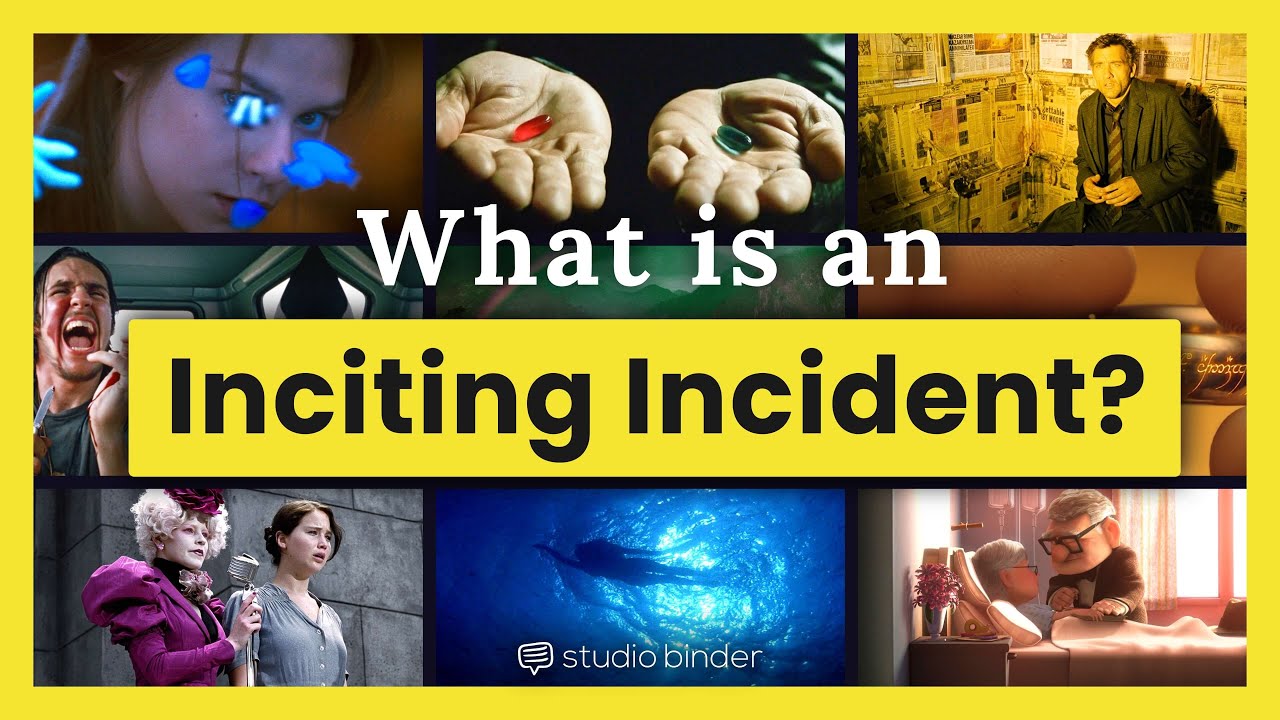
to flush out the narrative arc with individual scenes and moments you think are possible to get while shooting where will your characters start up what will be the likely inciting incident that pushes them towards taking action what do you see as the conflict on the horizon what is the most likely outcome and who will your character be when it's all over again none of these things are written in stone and if at any point things go in a different direction than you thought you should roll with it and adapt but by having some of these
moments visualized ahead of time it gives you something to plan around and lets you set up shoots to maximize your chances of getting beats that matter the basic structure of a character who wants something and changes over time as they try to get that thing is called the hero's journey and it's the foundation for a ton of the best stories out there there's definitely outliers to this and you can let me know what they are in the comments if you know any good ones but for the sake of keeping things simple let's pretend that your
doc features one main character and is part of the majority of films that follow a structure like the hero's journey imagine you're making a film about an athlete maybe an athlete that has a dream to make it to the olympics [Music] if it were my project i'd try then to plot out rough outlines for key beats along that hero's journey maybe you start out with them as an amateur looking at photos of themselves as a kid getting into the sport this would be a good way to establish where they're at who they are in the
beginning of the story and what their underlying desires are next you'll want some sort of inciting incident the moment where the hero decides that they're going to commit to the journey ahead in star wars that was when luke's aunt and uncle were killed and for our story maybe it's the memory of the first time they watched the olympics on tv or maybe it was a promise they made to their grandparents before they died from there i'd look for what obstacles our character is likely to face and then imagine scenes you could build from that i
could see something like the re-emergence of an old injury or some sort of trial with high-level competition working well in a story like this lastly for the resolution maybe it's the moment when they're standing on the podium and all the camera flashes are going off or they're back home with their metal reflecting on all they've done in their sport now it's also very possible that none of these things happen like you imagine and in the end your story takes a hard turn that you never guessed that's totally okay the story will be what it needs
to be in the end but planning and visualizing for what you think could be will help you stay on track when you're not sure what to do next i'll link to a more in-depth summary of all the stages of the hero's journey in the description and i'd highly recommend that you look at your own story within that framework and put in the time to plot out some moments that could work for those various stages the official hero's journey has something like 12 steps and you don't necessarily need to hit every one in your dock but
the more scenes you can think of that work for these plot points the better okay so you've got your two sentence elevator version of the story and you've taken the time to plot out potential scenes as they fit on the hero's journey then you actually go out and start shooting and everything's going exactly to plan until suddenly our hypothetical athlete decides that they actually hate their sport and they're going to quit to join the army instead or maybe they fall off the high beam and paralyze themselves and the whole thing goes in a totally different
direction obviously i'm just making this up but this is exactly the kind of thing that could happen in the middle of your shoot and all the scripting you did goes out the window and that's also okay docs are stories about real life and in real life the unexpected happens all the time unless you want to throw away your story completely you need to be flexible enough to adapt your script to changing situations in your character's life and that's step three in a nutshell reworking your plans every time something changes that might mean having to throw
away a lot of work which sucks for sure but it's the name of the game in documentaries unfortunately when you learn partway shooting that your olympian fails their drug test or crashes their car or whatever might happen you need to go back and repeat step two and reimagine all those different plot points with new information that you know now step three continues all the way to the end of shooting and you might have to write and throw away dozens of potential scene ideas by the time you get to the end i'm directing a feature film
right now with six main characters and i'd guess i've probably sketched out and then thrown away more than 50 beats that i thought would work until things changed then i realized they wouldn't it's hard work and a bit of a pain in the ass but if you're dedicated enough to keep reviewing and keep rewriting you'll give yourself the best chance of actually coming out with completed story arcs for your characters arcs with a beginning a middle a conflict and a resolution instead of just a bunch of b-roll that you try and turn into something pretty
in the end you can make this as simple as bullet point notes in a google doc but it's very possible that you'll be updating your script constantly all the way to the last day of shooting once you wrap on the actual shooting you can set all that aside and get to work on a totally different kind of script where you actually know everything you have to work with and you're literally giving the editors a guide to follow with visuals in one column an audio in another that's a topic for another kind of video let me
know in the comments if you'd also be interested in that video and that's it those are the three steps i'd follow when scripting a doc in documentary story is king and if you spend the time and trust me it can take quite a bit of time you'll have the best chance of telling a good story hope that video helped and that you found some ideas in there for your next doc project if you learned something maybe think about subscribing to the channel because it really does help me figure out what to focus on for future
videos and if you did enjoy that and want to see more maybe check out this other video i made about how you can know if your documentary idea is any good or not see ya [Music]