[Music] [Applause] [Music] okay well we'll get get started here um i view this as a celebration um what i'm going to show you is more or less the culmination of more than 10 years of my life uh working to find the lost cities now you know it hasn't had the share price bump up that i expected and there's uh reasons for that and kind of uh well you know when when you're in the public domain and you have a public company and uh it has limited liquidity because you own too much of it and i only 38 of it it doesn't have a lot of share liquidity and it can't be manipulated up and down and it's very very unfortunate i was expecting the share price to go well north of two dollars unfortunately some sharks got a hold of it they misinterpreted the press release which i think is actually very positive and i'll run you through uh what i think is going on geologically and why i think it is of great importance uh to uh to the shareholders and thank you so much all the shareholders who are here uh i really really appreciate your support uh you have no idea how much i appreciate it uh there's a lot of of long long suffering individuals here but i i might say that uh when aurelian made its big find we had eight hundred thousand dollars in the kitty we were down to thirty cents and uh and we we made it big and within uh one or two days it was four dollars within a week it was sixteen dollars and it went all the way to forty 43 dollars i am doing this i am doing this to make it happen again but not just once once for copper once for gold maybe even twice for copper and let's see what happens but we have done we've been at this for five years now a lot of the heavy lifting has already been done on this project we've created a lot of data we've got stuff that's close or very close to drill readiness and now is the uh the proof of the pudding so to speak so here we go the usual forward-looking statements now i'm not going to be talking about this at all even though i do like sandra book and i'm not going to talk about this at all but just to add just to say that um we started a a a tick tock channel tick tock thing just as a an experiment and you got a hundred and seventy thousand views a hundred and seventy thousand views over about ten days i don't know if they were confusing us with this or with sandra or whatever but what the hell you know it all works it was made up from a video that i had shot five years ago we just kind of pieced it together little snippets here and there so you're all familiar with where we're working in ecuador and the courtier of uh dakutaku which is up here and this is contiguous with the cordial condor down here where all the goodies are already known um this is from five years ago from the northern miner and it talks about my involvement looking for the two lost cities now the two lost cities are called the grano de los cabieros and sevilla de oro the story is very interesting it's strange but a lot of what i did here is due to this gentleman professor octavio motore tapia uh he was a very very good friend of mine unfortunately he's passed away now uh but i imagine him in 1998 when i enrolled in a spanish school uh in quito i was living in venezuela in in caracas and my lawyers advised me clear outs because there's going to be shooting in the streets because chavez is coming up for election so i did i left for a month and i didn't know where to go or what to do and i decided i'd go improve my spanish actually didn't improve my spanish at all and it was his fault because he said to me the very first night he said i did my phd at boston college and i'm losing my english so i'll make you a plan i'll make you a deal we will speak spanish until eight o'clock at night and then we only speak english and i had gone through an entire day of verbals and verbals and negradas irregular verbs and my head was throbbing and i said done sure okay fine and um so you know over the next couple of weeks uh this gentleman was a polymath he knew so many different things about so many different subjects and he was very intrigued because i'm a geologist and he said you know i worked for the mines department here in ecuador i said how the hell could you do that you're a historian well there was this place known as nambija uh which had been a gold mine of the conquistadors and it had been lost in 1603 after a smallpox epidemic killed all the labor force and he said it was never found again until 1981 when two boys were out hunting wild pigs in the forest and they come across a tunnel inside the hill they go home they tell their father the father comes up the father finds visible gold in the tunnel within one month there are 25 000 miners there and on the record between 81 and 2000 they produce 2. 7 million ounces of gold now that is certainly an underestimate because most of the gold this is a very there's 75 different mining operations going on and almost all the gold is going under the table to the black market so um octavio said to me and here he is again he said to me you know there were two famous there were seven famous uh gold mines in what was called the audiencia de quito which is now present-day ecuador he said one of them was never lost and that's portobello he said the others were all lost and over time they've been found again some of them were alluvial some were hard rock and he said there are two still missing and one is and the other one is sevilla de oro and i said hey do you know where they are and he said i have a pretty good idea and he said i have a couple of of maps from that time and he showed me the maps and we looked stuff and i thought gosh this is really really interesting so you know this is i'm kind of getting ahead of myself but this is night man biha in 1993 and it was just a collection of it's a big shanty town right the government said look you know if this had been found and uh passed to a company then we could have raised taxes from the company it would have been done in an ordered fashion there wouldn't be raw sewage running down the main streets and all of this chaos going on and uh most of the gold would have been accounted for uh this area nambija actually turned out to have up to five percent gold in the rocks five percent gold in the samples that came from the underground it was incredible so um uh professor la torre said to me he showed me a map and he said look you know this map is from 1750. it shows where nembi high is and he said if any smart person had looked at this and actually figured it out they could have had nambija all to themselves and the government employed uh octavio go through all the archives looking for mentions of ancient uh mines he worked with another gentleman and they uh produced a small book and then after that the uh the government changed um and they no longer financed uh the work so he decided to continue on his own nickel and he said to me keith i think i know whether the guarano is there are and we can get them for ourselves i was very intrigued by that statement yeah of course right so he showed me this map and this map is from 1584.
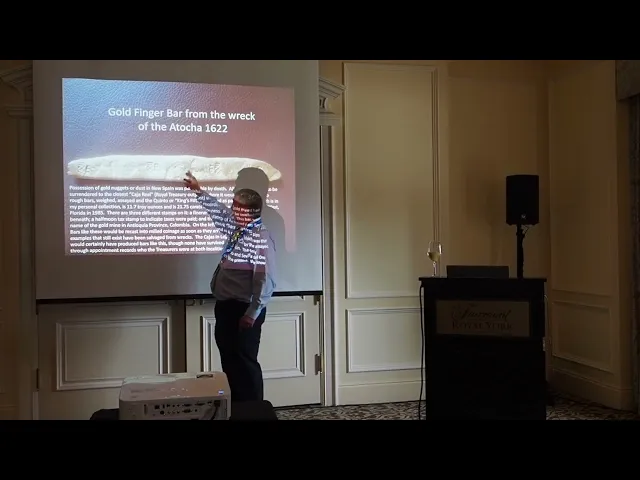
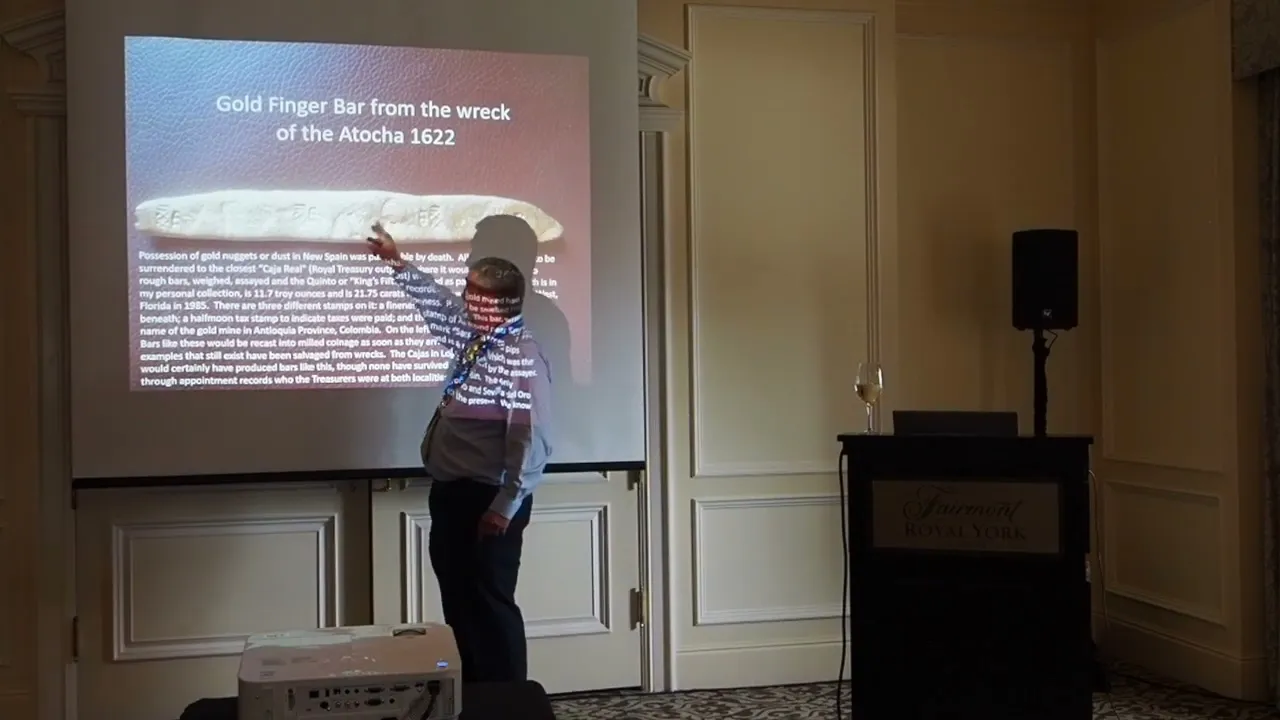
the label is peruvian or it's in foreign it says the uh gold areas of peru and at the time this was known as the vice royalty of peru and here's the bruno and he's in that little box there so um this is actually one of the oldest maps of south america and uh you know it's it's in an atlas and you go through the atlas this is one of the few maps that's actually labeled and i said to octavio why the hell would they you know produce this and he said you know there were the same sorts of things that were produced during the klondike rush and during the california gold rush and people who bankrolled the the conquistadors because they were all bankrolled by somebody to go into the interior and pilots and and find these gold areas and and secure them for themselves they had to pay what was called the kinta to the crown uh 20 royalty but they were all backed by someone so that this kind of map would be sent back to the folks back in the old world back in the old country to see where they were going and where they were working now i just slipped this in ron asked me a question about about placer gold gold nuggets and things like that now as i said here possession of gold nuggets of dust in new spain was punishable by death they would hang you or garage you and the rotting i i apparently was not a fun way to go um so all gold that was produced in these various places was surrendered to the closest kaha real the royal treasury outpost and it would be smelted into a bar the bar would be weighed recorded in a book and then it would have all these stamps put on it and this is this is xx1 with three the wind three pips here and that means actually uh 21. 75 carats in fineness and then there's a whole bunch of tax stamps on here to say that the taxes have been paid and the reason that they stamped this whole bar from one end to the other is because they would actually break up the bars and cut them and use them as quasi currency so that's kind of a little bit of an aside there um the person who founded the throwing o and severe dorado was this guy juan de salinas he died in loja he's buried in a church there and he was one of only two conquistadors who was participated in the conquest of the aztecs of mexico with hernan cortes and then later the inca and peru with francisco pizado now this is back in legrano in spain because i hunted this guy down i went to spain and i i checked out where where he had lived and this is a church that he actually be glazing the santiago he actually built this bell tower he went back to spain on a trip to have his rights recognized by the king as an adelantago which meant that he answered to the king and no longer the viceroy because he thought the viceroy was ripping him off of the gold production but this guy wanda salinas became fabulous fabulously stupidly wealthy on the backs of the gold that was produced from le groino and from uh sevilla de oro and in this niche right here right there which was built about the same time as the bell tower here's the old boy himself here he is riding on a a horse and i've had two art historians look at this and they have verified that these poor souls underneath are actually dressed as inca warriors and he's running rough shot over them all you can say is that the man was a bastard he really was and you know uh they they treated the indigenous people not even as humans uh it's a sad sad time of history and uh and thank god it's no longer with us this little thing here this little thing here there he is he's meant to be a monkey so you know this is the the connection with um with ecuador with the jungle and all the rest of it this is his coat of arms and he's got melting pots filled with gold he has an apple tree with gold fruit this is meant to represent being over the sea the big f there is for felipe the uh the king of spain this is meant to be a jaguar but the person obviously who did the coat of arms didn't know what a jaguar looked like and besides they called them t-graves in that part of the world anyway so he just drew a tiger and it's guarding a chest of treasure right here so i mean there's gold there's gold there's silver there's gold all over this thing um the after a brilliant was sold in 2008 i had the financial means and the time to go and look for other documents in the archive of the indies here in seville and spain this is an amazing building um now when we were there back in the day all of these folios were full of documents there was actually 24 000 file boxes and they contain 80 million page of documents or they did now what they've done they jump jacked up the whole building they excavated two floors underneath it and all these important papers have been moved down into the basement where it's controlled for temperature fire protection and all the rest of it because it's considered to be a world heritage site so we found hundreds of documents there then we moved on i moved on to this place the bibliotheca apostolica vaticana and there's my my library card so to the vatican library and i went to the vatican library twice the second time i went i wanted to find this book and this book is was in the personal library of the pope urban viii uh at the time he was known as uh his family name was barbarini and the um uh the coat of arms of the barbarinis is here and they call these the barbarini beans they're everywhere on all the the documentation of the barbarians you see bees um this was written in by antonio vazquez de espanolsi he was currently a priest it was rediscovered in 1929 in the manuscript library of the vatican and here's just an excerpt this is the important part so it says to capitulo de la silla the sevilla dollar in the province the chapter regarding severe the oral in the province of marcus now it mentions here a couple of things so um here it mentions a place called the rio de jambo it mentions the village here real baba which exists today it mentions here and for me one of the most important sentences it's here the gold is richer than all of the indies and this is off another document here's his signature antonio vasquez de espinoza um this is a translation um now a couple of things that are important here um this is talking about how to get to sevilla de oro from the town of riobama and it says you have to go up over the top of the sierra called of which there are two very large lakes of the region rivers issuing from that one runs west and passes they call it the real machambo right then later on the next paragraph it talks about similar and a river running near the city and it's called the opano right so here's another book that was lost for many many years it's called the inca chronicle uh it's from 1615 it's rediscovered it only in 1908 in the uh royal library of copenhagen and it says your ciudad la villa rio bamba and look at this church here right look at this church so i'm going to take you i'm taking you on the voyage of the conquistadors right now there's the church today right same church constructed by the conquistador diego diamandro everyone knows that name because there's a couple of prominent streets in quito named after him and this is the glacier the balbanera it's the oldest church in uh in the republic of ecuador so it mentioned two big lakes here are the big lakes it mentioned the rio de jambo which is here real chambo and up there you can see there's the connection between the border between juvederm province and morona santiago so we're very very close then you follow this uh river outlet down through the gunas negra and then to the east and you're down into into the area now it mentioned in the document the opono river this is now called the u panel with the u and here's markus which is in the title so it doesn't take a lot of convincing to look at this and figure out this is the right place right and it just so happens to be so happens to be north of fruited el norte where i worked for many years right here's the trend coming through here it's a continuation of the trend up to the courtier and coutiku right so there's some interesting stuff here i want to point out geologically here bear with me with me please as i know a lot of you are not geologists but you see a lot of orange here a lot of orange and this is igneous batholith this is basement rock underneath this there's nothing else but granite going down down down for who knows how many kilometers and then there are little scabs in blue here of the sediment sediments and volcanics sitting on top most of it's been eroded away there's a lot of gold alluvials down here a lot of plastic gold that's what led prospectors into the area going back to the 1920s when you get north of the real santiago which is here which is the only river that runs from the west to the east and down into the amazon things change drastically that's because this is a fault zone and up here the sediment and volcanic packages are intact that means that the gold systems are largely intact and the porphy systems are largely buried it means that it can be harder to find them but when you do find them they're intact and they haven't been mostly worn away by erosion like a lot of the you know larenza lorenz has been in the news of taurus near door here there are remnants of copper blanket there but only remnants because the rest of it has been worn away just to show you just very very very briefly because i'm not really just talking about it but this is a watcher this is ostensibly our best target right now it's uh we have quartzerocite pyrite which is also known as philip alteration on surface uh we have molybdenum and copper and the stream sets right there it's almost certainly going to be a poor frame we haven't drilled it yet but it's partially covered by black shale so there's some later stuff lying on top of it syria shimpia uh which we talked about before is a stacked system it may be mantos it may be a mississippi valley type it's probably mentos though it's occurring at contacts between limestone and sandstone and it's repeated there's like four different sequences in here and this is what the stuff looks like in hand sample it's very very heavy with galena which is lead sulfide spallorite which is zinc sulfide and it concerned it contains a lot of silver and then we have copper and silver and sediments this is chrysocola and then we have calcasite here and this is running about three four percent uh copper with about uh 150 grams per tonne silver quite quite rich in silver that's all i'm going to say about that so you know when people look at the map and they say well there's no x's on it maybe you haven't found anything we found a hell of a lot of stuff we just haven't put it on maps and we have a reason for that i'm not going to go into that reason but anyway um this is where we start getting into larry stuff larry stone who is sitting here uh in 1998 it was actually in uh i met the professor in august and this book came out in september of 1998 and i sent him a copy in october and this was the rediscovery of the ship of gold uh the ss central america which went down in a hurricane off the coast of the eastern u.