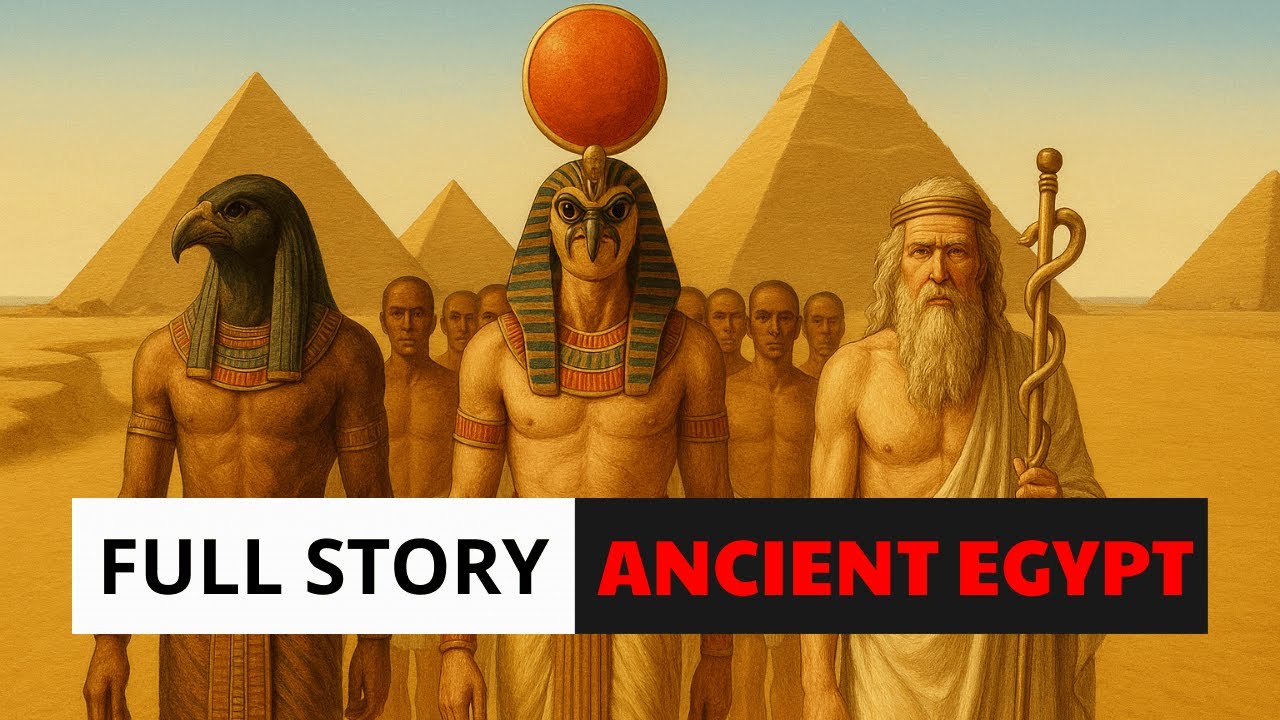
In today's video, we're going to dive deep into one of the most fascinating and ancient belief systems, the Egyptian afterlife, which has captivated spiritualists, historians, and philosophers. For centuries, many of us have heard of the famous pyramids and the mysterious rituals of ancient Egypt. But few truly understand the significance of their afterlife beliefs.
The Egyptians believed that life didn't end with death, but rather it was only a transition to a different realm. A place filled with challenges, judgment, and the potential for immortality. This journey to the afterlife wasn't just a simple passage.
It was complex, intricate, and deeply spiritual. For the Egyptians, the afterlife was an extension of life itself. Meaning, every detail of one's existence had an impact on what would happen after death.
From the rituals performed during life to the offerings made in the tomb, all of these were thought to be crucial for a successful journey to the afterlife. Now, you might be wondering, why should a spiritualist care about these beliefs? Well, the truth is the Egyptian understanding of the afterlife offers timeless lessons for spiritual growth, self-awareness, and even personal transformation.
Whether you're interested in understanding the soul's journey or simply curious about how ancient wisdom can inform modern spirituality, there's something incredibly powerful about how the Egyptians perceive death and the afterlife. So, in the next few minutes, we'll explore the key aspects of the Egyptian afterlife, including their views on the soul, the spiritual journey through the do it, and the ultimate judgment that determined whether the soul would live on in peace or be condemned. We'll also take a look at the crucial role of gods, magic, and texts like the book of the dead, which played an essential part in guiding the deceased through this challenging and mystical journey.
Stay tuned as we uncover the full story of the Egyptian afterlife and why every spiritualist should know this rich transformative history. In ancient Egypt, the concept of the soul was deeply complex and multifaceted. It wasn't just one singular entity, but rather a combination of different aspects that work together to define a person's spiritual being.
The Egyptians believed that a person's soul consisted of three main parts. Each playing a crucial role in life and in the journey to the afterlife. These were the ca, the ba and the ak.
The ca was the life force, the spiritual double of a person. It was considered the most essential aspect of the soul. The ca was present from birth and remained with a person throughout their entire life.
It could not be destroyed and it was believed to have an enduring existence even after death. When a person passed away, their cow would remain in the tomb. It would be nourished through offerings and prayers provided by the living, ensuring that it remained strong and vital.
The ba on the other hand was the personality or individual character. This part of the soul could leave the body and travel freely. It was often depicted as a human-headed bird, symbolizing the freedom of movement in the spiritual realm.
Unlike the ca, the ba could visit the living, but it always returned to the tomb. The ba's ability to travel between the physical and spiritual worlds was essential for maintaining the connection between the deceased and their family. Finally, we have the act, which was the transformed and enlightened soul.
This was the soul that had successfully passed through the trials and judgment of the afterlife. It represented the person in their most perfected state. The act was seen as the ultimate goal.
The state of immortality and peace after judgment. It was believed that when the ba and ka reunited and underwent spiritual transformation, they would become the yak, entering a state of eternal rest and happiness in the fields of reeds, the Egyptian version of paradise. Each of these components of the soul had its own function and significance.
Together they formed the complete being and their interactions define the fate of a person in both life and the afterlife to ensure a smooth transition after death. It was crucial for the individual to maintain harmony and balance in life. This balance was known as mott.
It represented truth, justice and cosmic order. Living according to m would guarantee that the soul would be prepared for the challenges of the afterlife and ultimately its judgment. The Egyptians believed that the afterlife wasn't just a destination.
It was a journey that required the soul to be in perfect alignment. It wasn't enough to live a good life. One had to prepare their soul by adhering to the principles that would ensure it was ready for the challenges of the do it.
The realm of the afterlife. This deep understanding of the soul's makeup was integral to their religious practices, guiding their rituals, tomb construction, and even their daily actions, making sure they were always aligned with the divine order. The duit in ancient Egyptian belief was the vast and mysterious realm of the afterlife.
It wasn't simply a place, but rather a journey. A journey that the soul would undertake after death. The do it was often described as a dark, perilous, and complex underworld where the deceased had to face numerous trials and dangers.
The ultimate goal was to reach the fields of Reeds, a paradisel-like place where the soul could live forever in peace and harmony. But the journey wasn't easy. The duit was depicted as a series of realms with different gates, rivers, and landscapes, each filled with challenges and obstacles that the soul had to overcome.
It was not just a place for rest, but a place for transformation. To enter the do it, the deceased had to cross a vast chaotic waterway filled with storms and terrifying creatures. This journey symbolized the soul's struggle to break free from the physical world and transcend into the spiritual realm.
Throughout this journey, the deceased would encounter various gods and spiritual entities, some of whom would act as protectors, while others could pose a threat. One of the most important figures the soul would meet was Ra, the son god who journeyed through the duet each night. Representing the cycle of death and rebirth, Ra's journey symbolized the soul's passage through the darkness, leading it towards enlightenment and immortality.
As the soul ventured deeper into the duit, it would encounter terrifying beings like the serpent-like Apous who embodied chaos and destruction. To protect themselves, the deceased would need to know the right spells, prayers, and rituals to ward off these dangers. This is where the Egyptian texts like the book of the dead played a crucial role.
They contained magical incantations and protective spells designed to guide the deceased through each gate and trial. The soul's journey through the do it was not just physical but also spiritual. The deceased would have to prove their worth by overcoming challenges that tested their moral integrity, spiritual strength and ability to align with m the principle of cosmic order.
One of the most significant moments in this journey was the weighing of the heart which took place in the hall of judgment where the soul's heart was weighed against the feather of m representing truth, justice, and balance. If the heart was found to be free of sin, the soul could continue its journey. But if the heart was heavy with wrongdoings, it would be devoured by emit, the demon of judgment.
The dit was not a place of eternal punishment, but rather a realm where the soul could be purified, tested, and transformed. Passing through the dit was a necessary part of the afterlife journey. Each stage of the journey helped the soul achieve a higher state of being.
The ultimate goal was to reach the fields of reeds where the soul would be reunited with loved ones and live in eternal bliss. But only those who had passed the trials of the duit proven their worth and maintained the cosmic order throughout their life could enter this paradise. In this way, the duit was not just a myth or a religious concept, but a deeply philosophical and spiritual framework for understanding the afterlife.
It represented the Egyptians belief in the soul's ability to transform, transcend, and achieve immortality, offering powerful lessons on morality, the importance of truth, and the eternal struggle between order and chaos. The weighing of the heart was one of the most significant and dramatic moments in the Egyptian afterlife journey. It represented the final judgment for the soul before it could proceed to eternal peace or face destruction.
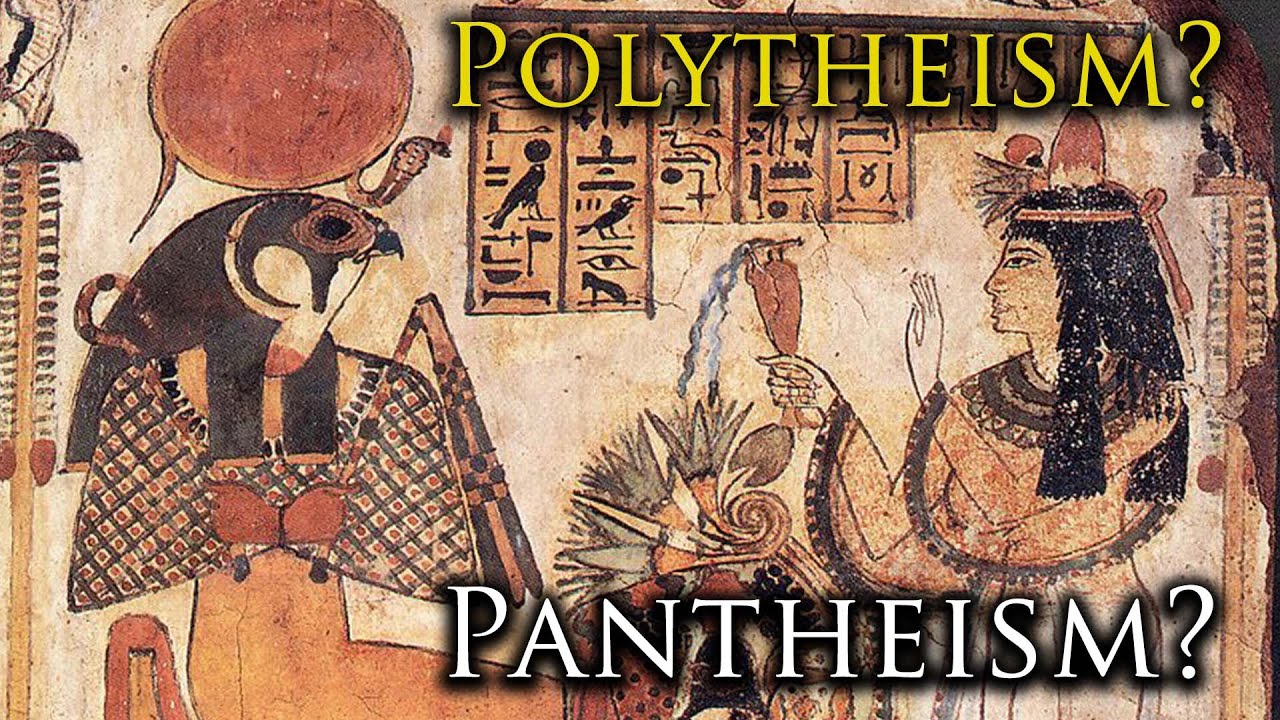
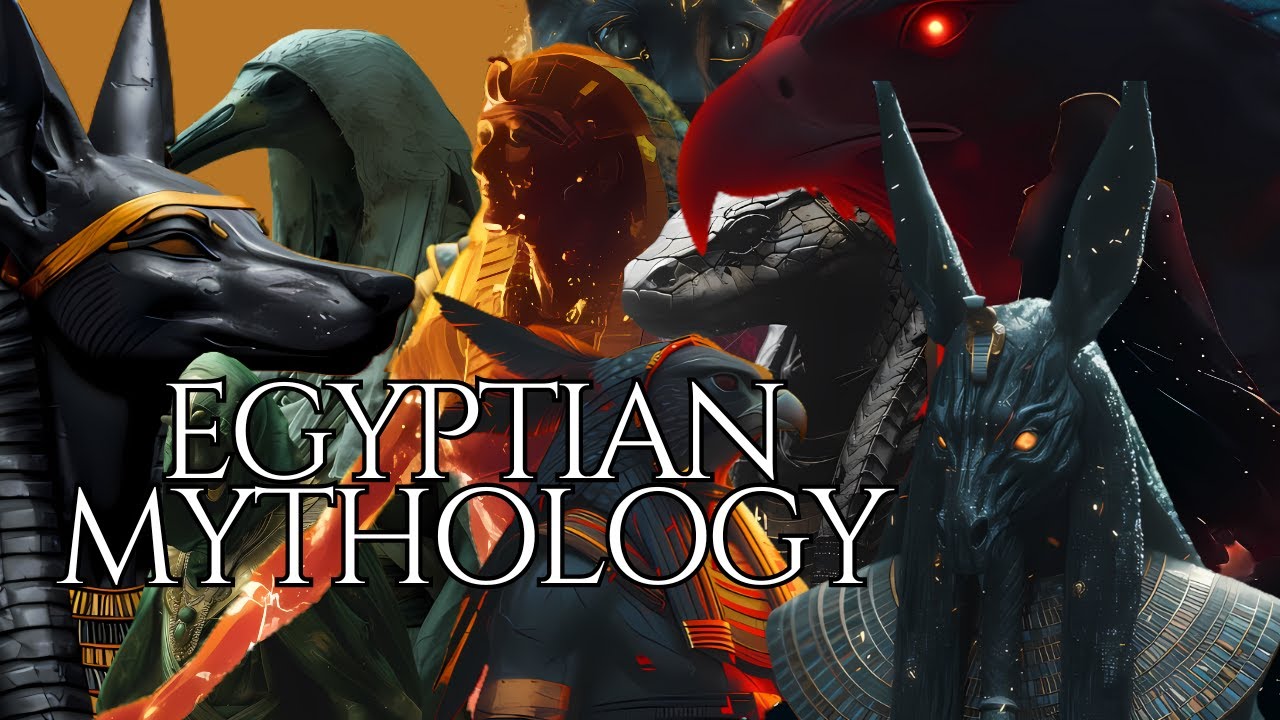
This event took place in the Hall of Judgment, a divine courtroom where the deceased would be judged by a council of gods, the most important of whom was Osiris, the god of the afterlife. Alongside him stood Anubis, the god of mummification, and th wisdom. In this moment of judgment, the deceased's heart, which was considered the seat of their soul and moral integrity, would be placed on a scale.
This scale would weigh the heart against the feather of M, the goddess of truth, justice, and cosmic order. The feather symbolized M, which represented the fundamental principle of balance and righteousness in the universe. If the heart was pure and free from wrongdoing, it would balance perfectly with the feather, signaling that the soul had lived a righteous life and was ready to move unto eternal peace.
However, if the heart was weighed down by sin, selfishness, or wrongdoing, it would be found wanting, heavy with guilt and corruption. In such a case, the heart would not balance with the feather, and the soul would fail the judgment. But the consequences of this failure were terrifying.
The heart would be devoured by Amit, a fearsome creature with the head of a crocodile, the body of a lion, and the hindquarters of a hippopotamus. Amit was known as the devourer of souls and her role was to consume the hearts of the unworthy condemning them to eternal oblivion. The judgment was not a simple pass or fail scenario.
It was a profound reflection of the individual's life. Every action, word and decision made during their earthly existence was examined and weighed the heart as a symbolic representation of a person's character was central to this process. And the balance of the scale signified how closely the individual had lived in alignment with Mott.
Living in accordance with Mott meant that the person upheld truth, fairness, and harmony throughout their life, practicing compassion, integrity, and moral righteousness. But this process also reflected the Egyptian belief in free will and personal responsibility. It wasn't enough for the deceased to rely on the gods or rituals to pass through the afterlife.
They had to demonstrate that they had lived justly had their hearts weighed and found to be in harmony with the divine order. It was also a reminder to the living about the importance of living a virtuous and ethical life. For the consequences of one's actions didn't just affect them in life, but also determined their fate after death.
For those whose hearts were found worthy and balanced with the feather, the reward was access to the fields of reeds, a paradise where a soul would enjoy eternal happiness. In this idyllic realm, the deceased could reunite with their loved ones and live in peace. Free from pain and suffering.
The fields of reeds were often described as a lush green oasis filled with abundant harvests, calm waters, and beautiful gardens. a perfect reflection of the idealized version of the earthly existence. In contrast, the souls who failed the judgment, whose hearts were devoured by Amit, were condemned to the second death, a fate worse than physical death, for they would cease to exist entirely, wiped from the memory of the gods and from the world.
There was no second chance, no coming back from this fate, and it was considered the greatest horror in Egyptian belief. The weighing of the heart thus encapsulated the core of Egyptian morality and spirituality. It was not just about the afterlife but about how one lived their life, their actions, their choices, their adherence to m.
The judgment reinforced the idea that life and death were intrinsically connected and that a virtuous life led to eternal peace while a life of wrongdoing led to eternal oblivion. The heart as the seat of one's soul was the ultimate measure of their worth and the most important factor in determining their destiny in the afterlife. In ancient Egypt, magic played a crucial role in the afterlife journey.
It wasn't just a form of supernatural power, but a divine force that could help guide, protect, and empower the deceased through the perilous realms of the do it. The Egyptians believed that magic was an integral part of life and death. It was woven into their religious practices and was essential for ensuring that the soul could safely navigate the challenges of the afterlife.
One of the most powerful tools in this magical journey was the book of the dead. A collection of spells, prayers, and instructions designed to guide the deceased through the various trials of the afterlife. This sacred text was often placed in the tomb with the body to provide a spiritual map, a guide for the soul on its journey through the do it.
The book of the dead wasn't a single book, but rather a compilation of different texts, often customized for each individual, depending on their needs and status. The spells in the book of the dead were believed to have the power to protect the soul from harm, to provide answers in moments of danger, and to ensure that the deceased would pass through the dangerous underworld and emerge victorious, for example. Some spells were designed to ward off monsters and other hostile entities that might threaten the soul's progress, such as the fearsome serpent Apous, who symbolized chaos and destruction.
There were also spells to open doors and gates that separated the deceased from the afterlife realms, as well as spells to transform the soul into different forms in order to pass through challenges and obstacles. These magical incantations were not just a form of protection. They were also an affirmation of the deceased's identity.
They ensured that the soul would be recognized and called upon by the gods that it would have the strength to transform itself and navigate through the darkness. The book of the dead essentially provided the tools for the soul to become one with the divine and to conquer the unknown. The book of the dead also highlighted the importance of the soul's ability to speak and recite the correct words of power.
The deceased would often have to recite spells that invoked the gods or affirmed their innocence during the weighing of the heart. These words were believed to hold real power, allowing the deceased to manipulate the forces of the afterlife and influence their judgment. It was thought that the correct words spoken at the right time could ensure a favorable outcome whether in the hall of judgment or when facing a dangerous creature in the do it.
In addition to the book of the dead, there were other magical practices that were important for ensuring a smooth transition into the afterlife. The embombing and mummification process itself was seen as a form of magic. Preserving the body so that the soul would have a place to return to if it needed to.
This preservation was essential for the continuity of the soul's existence. As the body was considered a vital part of the afterlife process, the use of amulets and charms was also common. These objects, often inscribed with spells, were meant to offer protection and blessings, ensuring that the deceased would remain safe from harm in the afterlife.
From small figurines placed inside tombs to the larger protective symbols carved on sarcophagy. These magical items were designed to harness the power of the gods and keep the soul safe. Ultimately, magic was not just about the practical elements of navigating the do it.
It was deeply intertwined with the Egyptian worldview. It reflected their belief in a universe filled with unseen forces where the right combination of words, actions, and symbols could influence the course of one's afterlife. It was through these magical practices and spells that the deceased could ensure their immortality.
By following the instructions of the book of the dead and other magical texts, the soul could move through the afterlife, conquer its challenges, and ultimately reach the peace and harmony of the fields of reeds. The tomb was considered the final resting place of the deceased. It wasn't just a physical location, but a sacred space that served as both a home for the body and a gateway to the afterlife.
The Egyptians believed that the tomb was essential for the soul's journey, providing a place where it could rest, be protected, and eventually transform into its eternal form. The tomb also had to be prepared carefully to ensure the safety of the deceased in the afterlife. The burial rituals were an important part of the process.
They began with the embombing and mummification of the body which was designed to preserve it for eternity. The mummification process was a complex and sacred task. It involved the removal of internal organs which were placed in kopic jars to protect them for the journey ahead.
The body was then dried and wrapped in linen with special care taken to ensure that every part was properly preserved. This process symbolized the belief in the continuity of life after death. It was necessary for the soul to have a physical form to return to if it needed to.
Once the body was mummified, it was placed in a tomb which was often filled with personal belongings, food, and treasures. These items were intended to sustain the soul in the afterlife. The Egyptians believed that the deceased would need material comforts just as they had in life.
So the tomb was carefully stocked with things they might need from clothing and jewelry to food and drink. Everything had a symbolic purpose designed to ensure that the soul would be able to thrive in the next life. The tomb itself was often decorated with scenes from the deceased life as well as religious imagery meant to protect the soul.
These images included depictions of gods, goddesses, and various protective symbols. The walls of the tomb were also often inscribed with spells and prayers. These inscriptions were intended to guide the soul through the afterlife, ensuring that it would not be lost or harmed and helping it on its journey to the fields of reeds.
The final ritual of the burial process was the opening of the mouth ceremony. This was a critical moment as it was believed to allow the deceased to speak, eat, and drink in the afterlife. The ceremony involved the priest touching the mouth and eyes of the mummy with special tools, symbolically reanimating the body and preparing it for life after death.
This ritual was essential for the soul's freedom and ability to move around in the afterlife. Through these elaborate burial rituals, the Egyptians ensured that the deceased had everything they needed for their journey. The tomb wasn't just a final resting place.
It was a space of transformation. a sacred home where the soul could rest before beginning its journey through the duit and towards eternal peace in the fields of reeds. The care and reverence placed in these rituals reflect the Egyptians deep understanding of death as a continuation of life, one that required respect, preparation, and the proper spiritual tools to ensure that the soul would be protected and guided into the afterlife.
The Egyptian beliefs surrounding the afterlife provide a profound insight into how they view death, the soul, and the journey to eternity. Their understanding was deeply intertwined with their daily lives. Every aspect of their culture was influenced by the idea of the afterlife.
From their architecture and rituals to their spiritual practices, the journey through the do it, the weighing of the heart, and the protection of the soul through magic and spells all highlight how the Egyptians sought to ensure a safe passage for the deceased into the afterlife. Through their detailed burial practices and rituals, they created a belief system that focused on the continuity of life beyond death. They saw death not as an end, but as a transformation, one that required the soul to pass through challenges, be judged for its actions, and be guided by divine forces.
The book of the dead and the magical spells were not just tools, but symbols of hope, providing the deceased with the means to conquer the trials they would face, ensuring that they could reach the peaceful fields of Reeds. In many ways, the Egyptian afterlife beliefs remind us of the importance of living a virtuous life. The weighing of the heart shows us that our actions, our choices, and our integrity matter not only in this life, but also in the life that follows.
Their emphasis on m or truth, balance, and harmony is a timeless principle, one that we can carry with us into our own spiritual practices and ways of living. By studying the Egyptian afterlife, we not only learn about their fascinating culture, but also gain insight into how humans throughout history have understood the nature of life, death, and the unknown. Their beliefs offer us a deeper perspective on the role of magic, spirituality, and morality in shaping the course of our existence.
The story of the Egyptian afterlife is more than just a tale of ancient religion. It is a timeless reminder of our own journey toward understanding life, death, and what may lie beyond.