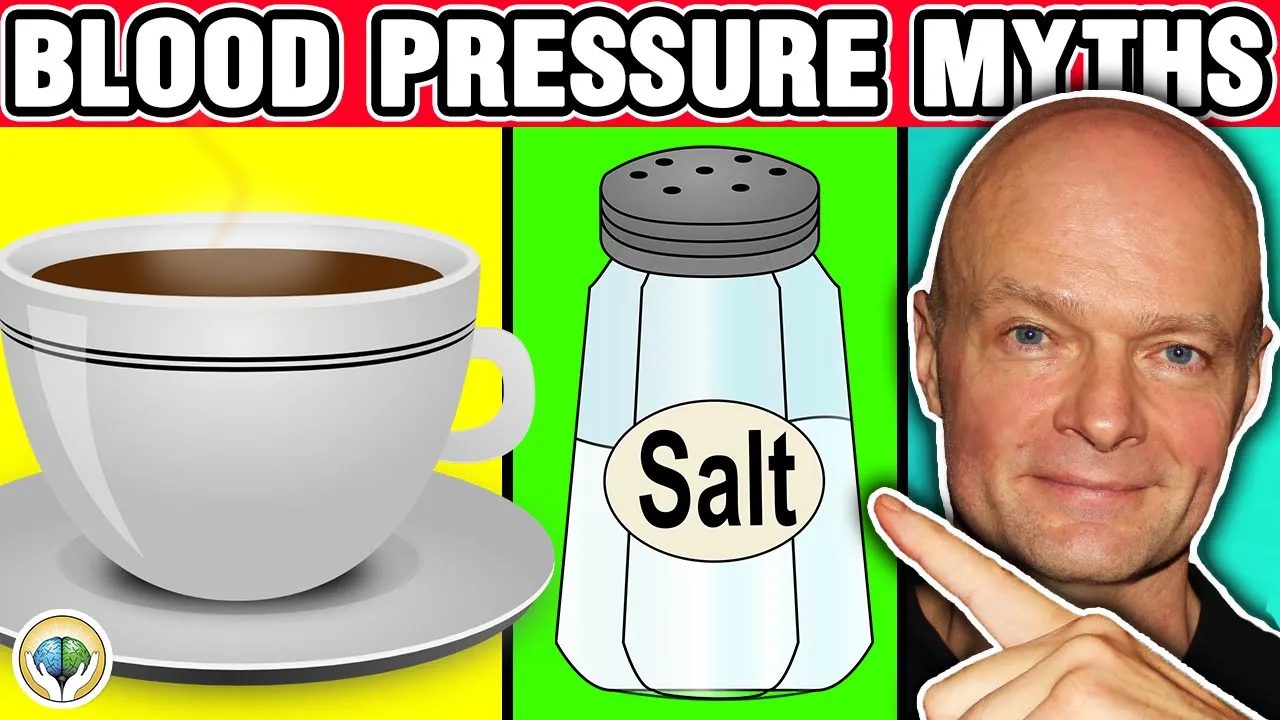
10 ways to lower blood pressure naturally today I'm going to talk about some of the myths and misconceptions around blood pressure so that you understand how it works that way you don't have to waste time and get lost in the details that are not going to help you but instead you can focus your effort on the mechanisms that aren't gonna get you better coming right up hey I'm dr. Ekberg I'm a holistic doctor and a former Olympic decathlete and if you want to truly master health by understanding how the body really works make sure that
you subscribe and hit that notification bell so that you don't miss anything the 10 ways I'm gonna talk about are straight off of the Internet this is from the Mayo Clinic this was their top ten ways to control blood pressure without medication so we're gonna discuss them some of them are really good but they'd never explain why they work and some of them are not so good because they don't understand how it works I recently did a video on blood pressure where I laid out some more of the foundation and today we're going to dig
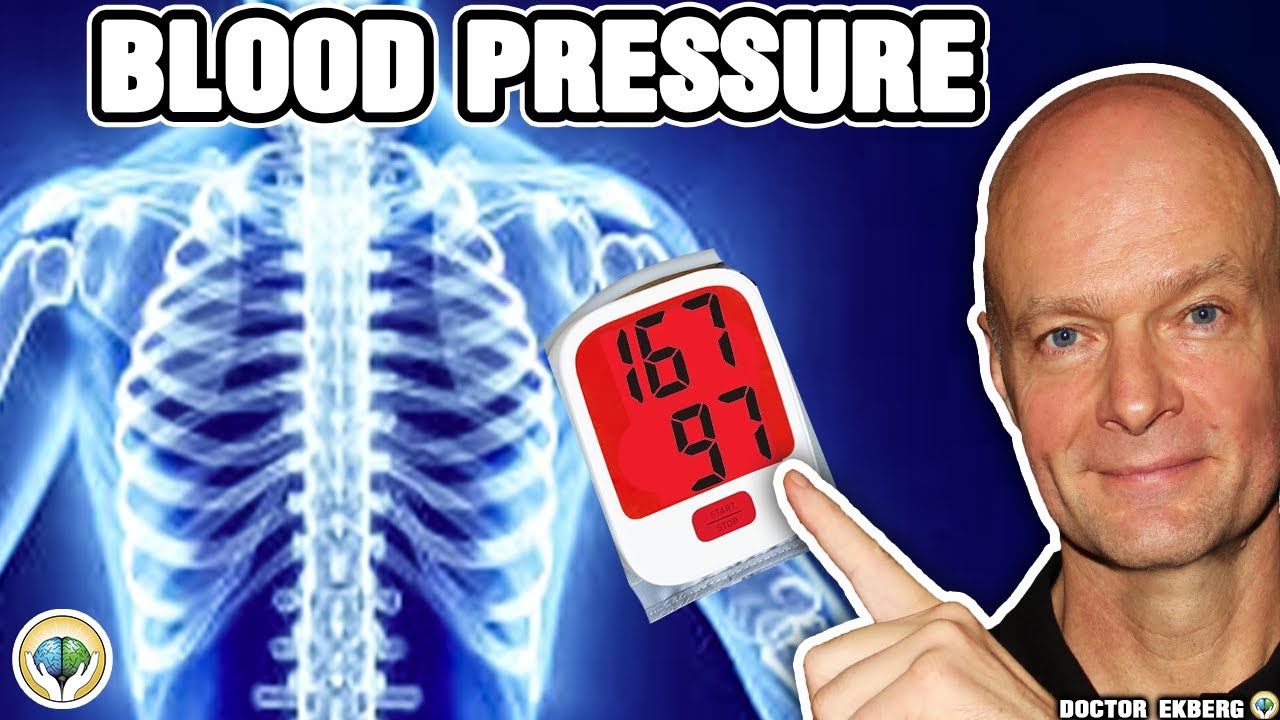
into some more detail around that first of all just to get back to the basics normal blood pressure is 120 to 180 that is optimal for most people but there are some natural variations so anywhere from 120 to 140 could be normal for you but it's still a good idea to understand so that if your blood pressure is starting to go up that you know it might indicate something we know that blood pressure over 180 is a crisis you want to get help as soon as possible but and we're going to put this in perspective
we also know that during exercise your blood pressure can get up to 220 and that's totally normal why does that happen how can the body compensate and manage that number one on their list to lower blood pressure is to lose weight and watch your belly fat so it's again this advice that we hear over and over and all vermin why is that why would that be helpful and it's not because the belly fat is causing anything it's that the belly fat is a result of something destructive namely insulin resistance so if you reduce insulin resistance
then you lose weight and your blood pressure typically comes down the good way the right way of reducing insulin resistance is low carb intermittent fasting and keto like we talked about on this channel that way you reduce your cravings you reduce your hunger and your satiety levels go up you eat less because your insulin resistance is going down now you lose the weight your blood pressure comes down but it's not the weight that does is it's the fact that you are d congesting your body number to exercise regularly this is great advice but what's the
mechanism why does that work well exercise is the number one stimulant for your brain your brain is what ultimately manages your blood pressure like we said blood pressure is a variable it is being regulated and controlled and managed every moment of your life so if we can help the brain get into better balance it's going to help manage your blood pressure better and exercise is 90% of the signals of the activation that keeps your brain alive so when you exercise it's like you turn up the dimmer switch all the way on your brain and when
the brain's dimmer switch is all the way up when your frontal lobe is lit up bright now it has all that power to inhibit stress stress is what raises blood sugar the frontal lobe is what reduces stress and exercise is what drives the frontal lobe so exercise is going to activate the frontal lobe the frontal lobe is going to inhibit your sympathetic nervous system or your stress that's why exercise works right because during the exercise you're gonna drive your blood pressure higher and higher and higher because that's appropriate during those circumstances so it's not the
exercise that lowers it it's the exercise that stimulates the frontal lobe that helps the brain gets healthier and now you have better control of your stress responses number three eat a healthy diet great advice but what is a healthy diet okay that's the big conundrum and unfortunately this being off of the Mayo Clinic site a healthy diet to them is something that promotes insulin resistance it's going to be 60 65% carbohydrate up to 150 grams of sugar per day in the terms of added sugar lactose and fructose so that's why they believe that pre-diabetes always
leads to diabetes because with that diet it does so yes eat a healthy diet but don't follow the guidelines the high carbohydrate because that's going to increase your insulin resistance and that's why they think all these things are irreversible number four reduce sodium and here's a big one this is maybe the biggest misconception the biggest myth of all when it comes to blood pressure you hear that all the time probably no one is unaware of that advice that lower your sodium intake here's how it actually works we're gonna look at a little bit bigger picture
here so let's assume that you start with balanced blood pressure you start with balance in your body and then you eat a bunch of salt salt is sodium also known as an atrium and some some languages so you eat sodium sodium binds to water so now you the sodium is pulling water to it it makes the blood increase in volume so it's swell you're your total blood volume therefore the blood pressure goes up so far that the reasoning makes sense that sodium causes high blood pressure but what they don't take into consideration is one of
the most powerful principles in your physiology it's called pressure diuresis diuresis as in diuretic that's the drug they give you to drive fluids out of your body to force the body to go beyond what it wants to do and get rid of fluids that's called diuresis and that will lower your blood pressure but the body already has a mechanism to do that unless something else overrides it so we have all this sequence blood pressure goes up then the pressure diuresis means that a relatively small increase in blood pressure resulting from increased blood volume is going
to result in a relatively larger diuresis getting rid of water and sodium so you get back to balance and then you eat more sodium your water goes up your blood pressure goes up but even a tiny little bit of increase in blood pressure is going to push that water out through the kidneys so the kidneys have a mechanism that when the salt is higher then the body wants it then it has a powerful mechanism to get rid of that sodium and if it doesn't get rid of that sodium according to pressure diuresis principle that it's
because something is overriding it okay so sometimes it's appropriate to maintain higher blood pressure and then it kicks out it overrides that pressure diuresis so when it's appropriate to have high blood pressure is either if you're in a real stress or what's more commonly in a perceived stress but either way there is a perception that overrides this mechanism your body knows how to get rid of the sodium when it wants to when it's supposed to so let's ask this question if a slight increase in blood pressure is going to create diuresis meaning that you create
a lot of urine output then how come you can exercise and get your blood pressure all the way up to 220 almost double your blood pressure and not pee yourself every time you go running or exercising because if the body didn't have compensatory mechanisms then that would happen every time you exercised okay you'd have to exercise with diapers there would be no way around it but the point is the body has all these different systems to to compensate to create the right amount of blood pressure depending on the situation and when you're exercising high blood
pressure is appropriate so it's going to override the pressure diuresis you're going to maintain that blood volume even though the blood pressure is very high and again it's the brain that does this so at rest when the stress is over the frontal lobe is supposed to inhibit your stress your sympathetic or your fight flight system but during exercise the fight flight system is appropriate that's what fuels your body so now the frontal lobe is going to drive that sympathetic it's going to increase the fight flight response going to increase your heart rate increase your blood
pressure so you can produce all of that fuel delivery to the muscles and now it sends a signal to the pituitary to make a hormone called angiotensin 2 and that angiotensin 2 also produces stimulates a hormone called antidiuretic hormone so these two hormones put together says during exercise we need really high blood pressure but we don't want any of that water to leak out through the kidneys all all the reason that you have high blood pressure is not because of the sodium and because of all this advice then there are more people who are deficient
in sodium there are people who are have a too low a blood volume they can't keep their blood pressure up rather than the opposite another thing about salt and kidneys that fascinate me when it's being when salt is being called evil at every turn is the fact that the kidneys actually filter out about 250 liters of fluid every day but you only get rid of your only void about one and a half liter so 97 98 percent of the fluid gets reabsorbed and along with that fluid the body also reabsorbs the sodium because sodium is
such a precious nutrient it is our most important signaling mineral in the body so it doesn't seem to me like the body if it has the ability to get rid of sodium at will and it absorbs reabsorbs 97 percent of the sodium why would it do that if sodium was a bad thing alright doesn't make sense now if you have kidney failure if your if other parts of your system are so damaged that they no longer have the ability to regulate this now salt can make your blood pressure worse but we're talking about a very
very small percentage of people and if you have kidney failure yes restrict your sodium if you don't then don't worry about it number five way to lower blood pressure limit alcohol so again that's a great idea and then they go on to say that in small doses such as one to two drinks a day alcohol actually helps lower blood pressure but in larger doses with two or more drinks a day it actually makes blood pressure worse so why is that well again one to two drinks help you relax it helps you have less stress and
stress is what brings up the blood pressure it helps your brain relax it helps calm down your sympathetic nervous system that's that's why it works but if you have a lot of drinks if you start drinking multiple drinks every day now you're moving toward fatty liver and insulin resistance because alcohol also acts like a sugar even though it doesn't drive blood sugar per se it kind of acts like a sugar in the body I tell people that less is always better that if you're going to drink have one to two drinks and give yourself at
least two days a week without any drinking number six quit smoking great advice but why does that work we touched on this in the previous video because smokers block their oxygen carrying capacity when they breathe in the carbon monoxide that blocks the red blood cell hemoglobin so they don't have the ability to carry oxygen as well as a nonsmoker so now the body has to increase its effort at fuel delivery it has to increase heart rate increase blood pressure to deliver more blood because each unit of blood has less oxygen so if you quit smoking
then you have more access to oxygen and blood pressure goes down number seven reduce caffeine so caffeine is a form of stress it has the same effect on the body as adrenaline it fits into the same type of receptors as adrenaline which is a vasoconstrictor so yes in most cases caffeine will have a direct effect on blood pressure but in a healthy person that's not a problem because it doesn't create the circumstances behind blood pressure it's a temporary signal that while you have that caffeine your blood pressure is going to be a few point higher
but it doesn't create a problem in itself unless you have weak adrenals or if your stress level is such that you kind of blow it out of proportion by adding just a little bit of caffeine so watch how that works for you for most people it's not a problem because it's a temporary effect that doesn't affect any root causes it doesn't worsen any root causes unless you have adrenal problems number 8 way to reduce blood pressure is to reduce stress so absolutely stress is the perception that the body needs more resources and it's going to
increase blood pressure and block out rate to deliver more fuel to the body to deal with the stress so that's a good thing however when they talk about reducing stress they're talking about avoiding stressful situations and that's not what reducing stress is about because the world is coming at us faster than it ever has you're not going to be able to change the world if you're gonna live a an active life then the world is going to come at you and it's not what the world does but it's how you respond to it that matters
the stress in that case is is a perception and you can learn to change that perception and you can undo what your responses to the stress do by doing some meditation and some relaxation exercises so when you have this stress all day long it's like you build up a certain momentum of responses and if you never do anything about it then that momentum that high momentum of responses of stress is going to stay there but if you do even 5 or 10 minutes of meditation or breathing exercises or relaxation training then you can reset that
stress response to a low baseline you can undo the majority of that physiological stress in just a few minutes reducing stress is not about avoiding things like most people because then you can't have a life anymore what you can do is you can change your responses to them and you can help your body reset we've got several videos on that as well so 5 to 10 minutes once or twice a day meditation breathing exercises will do wonders because it changes your brain it's not about changing the way the world is the things that you do
number 9 monitor your blood pressure and see your doctor regularly so I don't think it's a bad idea to monitor your blood pressure regularly especially if you know that you have a tendency great way to do that is if you measure it and then you notice it's a little high you do your breathing exercises and you see it come down then you know that you did it right if it doesn't come down you need to do more you need to get it more a habit you need to get better at it so it gains some
momentum in your body so it's not a bad thing to monitor your blood pressure the see your doctor part I want to caution you because that could be a good thing if your doctor understands what we're talking about here that has not been my experience my experience is that they want to put you on a blood pressure pill as soon as your blood pressure rises even a couple of points and then you're taking a chemical for something that may or may not even be an issue so see a doctor if they can help you actually
return to homeostasis if they can educate you and give you some tools about finding balance and getting to the root causes then absolutely number 10 they said that you should get a support group so that you can interact with people in similar condition so you can cope with your condition and I think this is very very unfortunate this is based on our perception our the idea that all these conditions are permanent chronic and incurable because they don't address the root causes they believe all these conditions are incurable so then the best thing you can do
is to cope with it and find groups where you can get some sympathy and know that you're not alone but if we understand that there are some simple mechanisms that create all these problems then we can undo those mechanism and there's no reason to cope I bet you given the choice of restoring function in the body or coping with the condition I bet you ninety-nine out of a hundred would want to restore health and feel good and address handle the root cause that has been my experience so if we look through these these ten things
we see that we get check mark on losing weight but only if you do it right through insulin resistance that exercise is great it helps your brain that eating a healthy diet is a good idea but not if you follow the regular dietary guidelines because that's gonna drive you toward insulin resistance you don't want to work on reducing your sodium unless you already have kidney failure or some sort of severe damage that you can't process water and salt properly you do want to limit your alcohol you do want to quit smoking you may or may
not want to reduce your caffeine I like coffee a lot so I do part decaf and part CAF I do about 70% decaf cuz I just like a lot of cups but I think too much caffeine is going to drive that stress a little too much we do want to reduce stress by doing it right work on the brain work on the ability of the body to deal with it to respond to it appropriately not by avoiding things so when we look at all these reasons we see that almost everything has to do with three
things its insulin resistance or it is an increased need due to things like smoking anemia or stress there's some good advice in here but we want to understand that if you really want to get to the root cause it all comes down - insulin resistance and if your body has an increased need to deliver fuel that's why the body raises the blood pressure it's not an accident it's not stupid and this increased need could be real or imaginary so real would be if you're actually out exercising that's a real physiological need if you are just
emotionally stressed then it's an inappropriate need and then the stress response is what you want to deal with if you enjoy this information then I bet you're gonna love that video thank you so much for watching and I'll see you next time