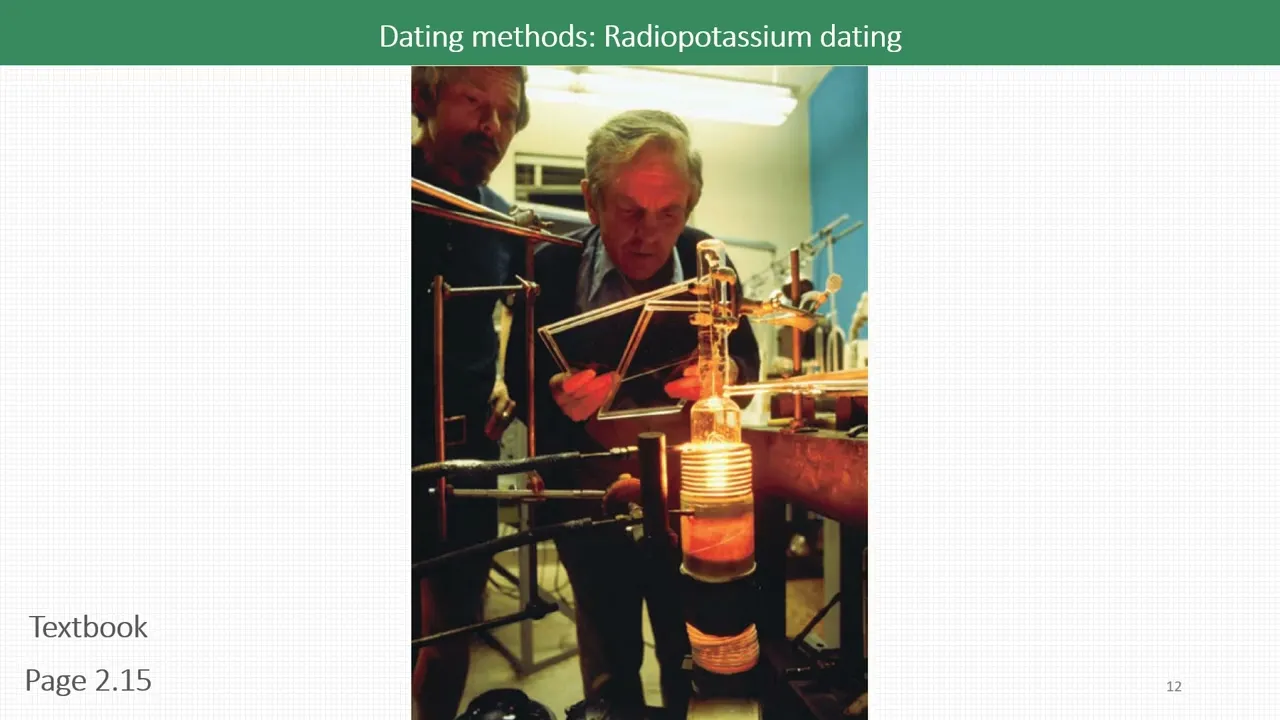
lecture two the first humans quotation marks today we'll be talking about a number of different topics we'll start with the family tree and go into dating methods hunters or scavengers the first tools The Leaky family and then we'll dive deep into four different sitesoli Sports grin and all divide the family tree what's the difference between humans and apes one of the main features is that we're and we I mean humans are bipedal which means that we walk on two feet this is a picture of a 3. 75 million year old footprint that was found at a site called leotol in East Africa this is some of the first evidence of our ancestors walking on two feets two feet in this section we'll talk about how humans relate to other animals and what's unique about our family tree for example we're mammals because we have warm blood and breastfeed are offsprings we're also primates though because we have flexible limbs grasping hands and good visions primates are the order of animals that includes lemurs Tarsiers monkeys apes and humans and that's the definition given in the textbook the first primates are evolved around 65 million years ago these animals lived in trees and ate insects they had very good eyesight and depth perception that enabled them to jump from Branch to Branch over time their arms and shoulders became more flexible and better suited to swinging trees and their organs also evolved into a vertical arrangement so what does it mean to be human humans have a lot of unique biological traits for example we can walk upright on two legs we have opposable thumbs can that can grasp in our hands but not our toes look like our Eve relatives we also have small flat teeth because we cook our food and don't need large canines to rip apart raw flesh our faces sit below our brain case not in front of it three of the most characteristic features are upright posture large brains and Tool use here are some other traits that are distinctive about humans compared to chimpanzees as you can see we also have a much larger brain size relative to our bodies than the chimpanzees do there are also cultural traits that make us human like using tools to make our lives easier of these characteristics which ones do you think we can identify archaeologically that's where the pillion topologists come in paleanthropology is the branch of anthropology that combines archeology and physical anthropology to study the biological and behavioral remains of the early hominins that's the definition from the textbook so what types of evidence will preserve for paleoanthropologists to study fossils that we can use to understand bone structure and artifacts like stone tools what is a family tree family trees are how we relate our evolutionary ancestors to each other in terms of how similar we are we use different traits to distinguish different lines of how species are related because it's so rare for fossils and artifacts to remain for millions of years ago the family tree is constantly changing and evolving as new fossils are found one paleontologist has referred to paleont paleoanthropology as more like a court of law than a Physics laboratory this is because all of our understanding of how fossils relate to each other is relational so when we find a new fossil we have to figure out how it relates to other fossils and we may need to reassess the entire tree another thing that really changes our understanding of the tree is dates new dates including new dates derived from new technology can really change how we understand our relationship with other ancestors so to phrase it another way pretend The evolutionary tree is a shirt but we only have a few very small pieces of it we have enough to know that it was a shirt for example we have bits of the collar and bits of the sleeve and a little bit of the Hem but we don't have the whole thing we don't know if it's a t-shirt or a long sleeve shirt but as we get more and more pieces of the puzzle we learn more and more about this shirt as a whole this diagram shows the species of Grace great eight you can see how the different traits like sexual size dimorphism thick enamel and bipedalism is used to differentiate species sexual size dimorphism it's when males and females are on average different in size so here's an example of sexual size dimorphism in some cases sexual size dimorphism can indicate polygenius mating systems this means that one male competes for multiple females bipedalism is perhaps one of the first shifts our ancestors made towards becoming human evidence suggests that we can walk upright before we use stone tools there are several theories for why we started up walking upright these theories are hypotheses involve evolutionary benefits of being upright that may have helped while hunting migratory herd animals or it may have been useful for carrying young offspring or maybe it was useful for collecting fruit and nuts one of the important changes in the evolution of humans is the size of the brain here you can see a graph with some early hominin eights and us can you see how the size of the brain compared to body weight increases significantly between Homo habilis and Homo erectus and Homo sapien especially when you compare the brain size of the hominins to the brain size of Apes like chimpanzees chimpanzees orangutans and gorillas human brains are so big because of the limits in the size of human birth canals this also is restricted because of bipedalism humans are born with only approximately 25 percent of their brain the other 75 percent develops as we mature in contrast chimpanzee brains are 65 of their full adult size when they're born because human brains are so underdeveloped when we're born we require a lot of care in the first few years of life this includes nursing and delayed weaning because of these pressure on Mothers some have argued that early hominins were likely nurtured by the entire group not a single parent this would have included communal child care and feeding in the first half of the 20th century we didn't have very good methods for dating archaeological finds most of the dates were relative meaning that they were estimations based on association with other lines of evidence like stratigraphy or changes in Bottle types over time your relative dating isn't always good enough especially if the site is too old and there are no known patterns in the material culture or the artifacts in these cases we need to use the absolute dating methods absolute dating methods are used to determine the precise age of materials in calendar years absolute dating methods often measure the decay of certain elements the most known most well-known type is c14 dating c14 dating calculates the amount of carbon Decay however c14 dating can only be used for artifacts and sites that are less than 40 to 50 000 years old so forty thousand fifty thousand anything in there is getting a little bit too old so that doesn't go back far enough in time to determine the dates for our earliest ancestors instead archaeologists use something called radio potassium dating this form of dating can measure the age of the oldest rocks on the planet radio potassium doesn't work to date the fossils themselves but rather the stratigraphy and the soil that fossils are found in radio potassium dating works on the principle that potassium has a half-life of 1. 3 billion years Half-Life refers to the rate of decay of the radioactive materials meaning that the half the half of the radioactive materials will decay in a period of 1.
3 billion years because the half-life is so long this type of method does not work well for samples that are less than 500 000 years old this is the picture of garnis Curtis who developed radio potassium dating method here is a table with some other dating methods that are used by archaeologists these dating methods are all really important so make sure to take a good look at this chart the first one on the chart is radiocarbon so radiocarbon is the same as c14 which I mentioned before and it can be tested on materials including wood charcoal bone and carbonite as I mentioned um the range for it is a hundred years to 40 000 years so anything older than that it's really we you can't really get a good date and that's based on radioactive decay so the same kind of idea as radio potassium dating but we know the half-life of carbon so we know how long it takes for carbon to um to decompose then there's radio potassium dating which I just mentioned again that's useful for volcanic rocks or minerals another one is uranium series and that can be used to date Coral mollusks travertine geomagneticism is used for undisturbed sediment or volcanic rocks archaeomagneticism is for intact hearths Kilns or burned areas and the way that this works is based on alignment with changes in location of the Earth's magnetic pool so if you have a hearth so a fire that creates heat heat and there's a magnetism so because of that heat all of the particles in the Hearth um are more attracted to the Earth's magnetic pool so you can use that to reconstruct when the fire took place then there's thermoluminescence dating which can be used on Pottery heated stones or calcite and this measures the accumulation of TL in crystals there's also electron spin resonance which can date up to a million years there's electron spin residents obsidian hydration which measures the accumulation of weathering grind on an artifact there's dendrochronology which is tree rings in preserved logs and lumber so the way that this works is if you find a piece of wood that has true Rings preserved there are certain patterns so certain years when there's more rainfall all the trees that year have thicker rings so if you have a series of thick rings and short rings and thick rings and short Rings you can fit that into this known pattern based on rainfall and get really precise dates for when the tree was growing and when it was chopped down and finally the last one on this slide is Vision track this is used on volcanic rocks and it's the radio Decay which leads microscopic tracts in Crystals at a known rate hunters or scavengers so what did the earliest Hammonds eat one of the biggest debates that exists to this day are whether or not our early ancestors were scavengers or Hunters this question is difficult to answer because the remains of their diet have not survived to the present day for example wild plants nuts and fruits were probably an important part of their diet but we cannot expect to find any remains of this type of food that have survived for so many years we do however have remains from the meat that they ate so from the bones did they catch and kill their own meat were they able to stalk kill Butcher and eat prey on their own or did they scavenge it off the landscape stealing the catches a more equipped Hunters like lions and hyenas we have a lot of evidence from pleistocene sites that early hominins would take catches back to certain locations where they would use stone tools to butcher the animals remove the meat and Morrow from the bone bone marrow by the way was and is a very rich source of nutrients in these pictures you can see cut marks on the bones where early hominins butchered their prey so what did they use to butcher their prey some of the tools that they used are the very first tools used by hominins tools are not unique to hominins um Jane Goodall has actually documented tool use among chimpanzees but they are a big part of what makes us human the first stone tools appeared in the archaeological record around two to three million years ago the oldest ones were found at gona River in central Ethiopia and date to 2. 6 million years ago so this Stone tool that you can see right here is 2. 6 million years old stone tools are made by hitting one rock against another breaking it to create a sharp edge this is called percussion flaking the rock that is used to make the tools is called a core when the core is struck flakes chip off and the resulting part of the core is sharp and can be used as a tool the flakes are often considered byproduct of the tool manufacturing and are called debitage however sometimes the flakes were also used as cutting tools tools are considered retouched if there are modifications along the edges to shape them created by additional flaking the rock that is used to hit the other rock is called a hammer Stone the resulting sharp edges were used for butchering animals the stone tools are especially important for hominins who didn't have strong Jaws or sharp teeth for ripping apart flesh they were used throughout human history until metals were introduced approximately 6 000 years ago researchers can learn a great deal from stone tools including what they were used for which can give us an idea of what the lives of early hominins were like but also the cognitive processes that led to the development of new types of tools for example most stone tools made after 2 million years ago were created by right-handed individuals this helps indicate how the brains of these early hominins were structured The Leaky family The Leaky family are the most famous and well-known paleoanthropologists Lewis Leakey received a degree in archeology and modern languages from Cambridge University and when he graduated he received a six-year Fellowship to explore Africa looking for evidence of early hominins Niki was one of the first to suggest that Africa was the Cradle of humanity meaning that humans evolved in Africa up until that time most believed that the earliest hommens evolved in the East Asia Mary Nicole joined leaky on his fourth expedition to Africa and they were married in 1936.
they are the most well known for their work at all divide Gorge which I'll talk about a little later in this lecture at this site they found definitive evidence that Africa was the Cradle of humanity believe he's often brought their children to the archaeological site with them after Lewis's death Mary Leakey continued to work with her children in Africa and excavated several very important sites including ongoing work at all Dubai and excavations which I'll talk about later as well all right so now we'll talk about a few specific sites which are really important for our understanding of the first humans most of the earliest remains of human ancestors 2 million years old or older have been found in Africa because the remains are so old there are relatively few of them the first site that we'll look at is called Hadar which is located in Ethiopia and you can see where it's located on this map here after two weeks of expiration the team located over 100 fragments of skeleton which represented about 40 percent of the hominin the team spent a lot of time in the lab analyzing The Remains and piecing them together here's a picture of the team working on the remains at The Institute of human Origins at Arizona State University after painstakingly replacing and piecing The Remains together the team discovered that for the first time they fit had found a mostly complete early hominin skeleton which they named Lucy Lucy was just under four feet tall had a small brain and died when she was approximately 20 years old but Lucy wasn't the only skeleton they found at Hadar after the team excavated Lucy they kept digging and found over 200 additional bones these bones belong to at least seven individuals including five adults and two children the paleoanthropologists argued that these individuals probably died together perhaps during a flash flood their bodies were located in Lakeshore and riverine deposits which may have helped preserve the bodies like Lucy the bodies were pretty small the tallest individuals were four to five feet tall and they also had small heads their molars are like humans but they're incisor teeth are similar to Apes we can tell from the shape or their pelvis is that they walked upright actually their bodies from the neck down were very similar to those of humans this figure shows the stratigraphy at hudar you can see where the skeleton of Lucy was found and Below you can see the remains of the first family because the first family is below Lucy we know that those remains are older using radio potassium the team was able to date Lucy's remains to not 2. 9 million years old lei tolly Plato Lee is located in Tanzania as I mentioned earlier one of the notable characteristics of humans is that we walk upright or we're bipedal for what but when did this start well the first known evidence for our ancestors walking upright comes from the site of lei toli where Mary Leakey identified fossilized footprints 3. 6 million years ago a volcano erupted that covered the entire region with a layer of Ash a light rain shower then caused a chemical reaction with the Ash and all the tracks of the animals that walked on the ash before the rain were preserved in time the tracks include all kinds of animals including Birds pigs buffaloes and rhinos and some of our earliest ancestors the footprints covered an area of six meters and were left by three individuals in total 30 Footprints were recorded at the site analysis of the depth in size the prints suggests that two of the individuals were approximately four feet eight inches tall and that the third was around four feet tall we can tell that the footprints are from an upstanding individual because the big toe is structured to carry weight and not structured for grasping in this diagram um you can see where the weight is distributed on the ape toe which is on the left in comparison with the bipedal individual on the right so we know the person from light will lead was bipedal because their foot structure was similar to the foot structure on the right here's a reconstruction of the site just a walk in the park for these early human ancestors with a Volcan with a volcano erupting in the background Swartz Grands is located in the trend fall region of South Africa this is the name for several areas in the region that contain both animal and human bones from the early place to see here is where the site is located again it's in Africa but now we're looking at the south of Africa The Remains at sportscrans were first discovered by miners who are chlorine for Lyme when the nature and age of the bones were recognized several Expeditions were led by researchers in South Africa these Expeditions were covered at least 150 individual hominins this type of hominin is called the Australopithecus because the fossils were encased in Hearthstone is very difficult to excavate them the excavators needed to use harsh methods like Jack Hammers and dynalite to loosen the Rock and reveal the fossilized bone The Remains were also very difficult to date because they were encased in Limestone instead of sediment that could be used for potassium argon dating as such most of the dates are relative this means that the deposits are dated based on other remains that were found with them like animal buns if we know when the type of animal lived we can get a good idea of when the hominins that were used in the same deposits lived this isn't as good as absolute dating like potassium argon but it's good enough until we can design a new dating method for these specimens the dating suggests that the remains from the site are around two to four million years old other deposits in the cave like stone tools and work bones meaning pieces of animal bones that have been worked into tools have been located in the caves there is also evidence from about a million years ago that the hominins were used in fire if this evidence is correct remember that dating is difficult in these case that would be the earliest evidence for the use of Fire so let's go back to the number of individuals over a hundred and fifty how did so many hominins end up in these caves we actually don't know the answer to that question yet but we do have some ideas some of our view that all the other animals in the bones in the caves are animals that the Australopithecus hunted and then brought back to the caves to eat the same Scholars have also argued that the Australopithecus may have hunted each other this argument is based on the large number of skulls in the cave that have broken bases suggesting that the individuals had violent deaths it's also possible that the damage to the skulls happened well after the individuals died when their skulls were crushed by geological formation of limestone an alternative hypothesis is that the Australopithecus came to a violent end as dinner for leopards leopards often remove their catches into trees to protect their dinner from other predators it's possible that the kids had a lot of trees and were perfect picnic spots for leopards to enjoy their Australopithecus lunch there are some instances of skulls with puncture marks which may have been from the canine teeth of these leopards all divide all the by Gorge is located in the Serengeti plain in Tanzania two million years ago this area was a bowl-shaped basin in with wetland in the middle of a series of volcanic mountains this area would have been a very rich landscape during the pleistocene and many animals including early hominins eight reproduced and died here about two hundred thousand years ago a series of earthquakes created a Gorge and exposed millions of years of sediment The Gorge is 40 kilometers long and 100 meters deep the deepest deposits are 1.












![Sir Roger Penrose (NOBEL 2020) - Sekret rzeczywistości [DOKUMENT]](https://img.youtube.com/vi/KIdBLEVIKqc/maxresdefault.jpg)