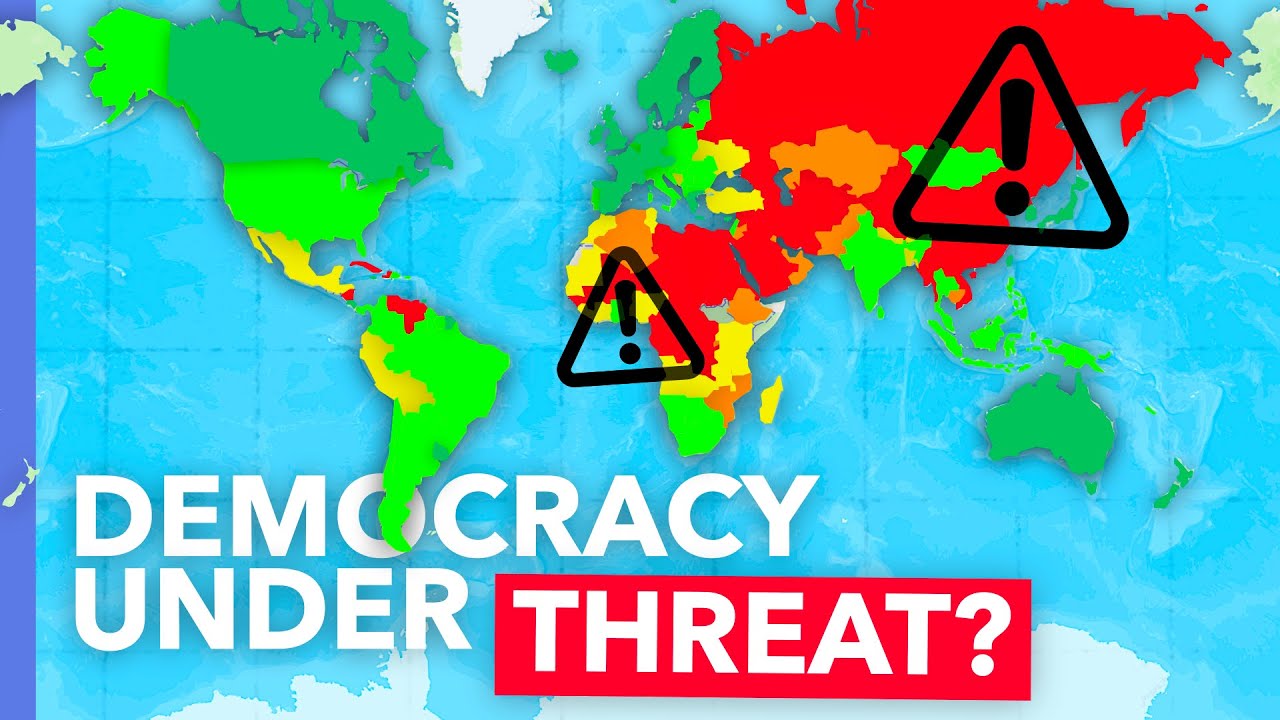
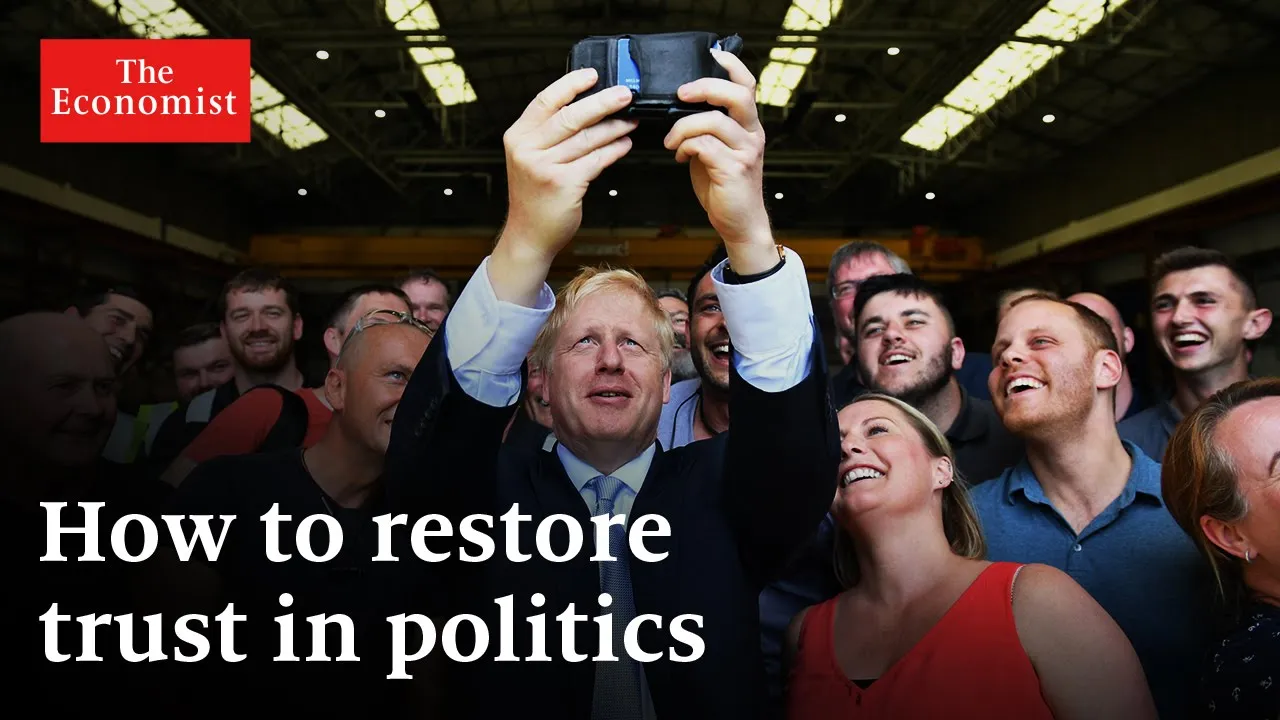
democracy is facing a crisis of trust this is a fraud on the american public and populations are increasingly polarized so could the answer be to reboot an ancient idea we can change the nature of the relationship between citizens and politicians shirley islam is helping to shape the future of scotland from her garden in glasgow she is part of a radical but simple project which brings ordinary people closer to the political decision-making process shirley is a member of a citizens assembly a group of around a hundred people picked at random but designed to be a cross
section of scottish society the help of experts and facilitators the group is tasked with discussing pressing issues and passing their recommendations onto the scottish government the main aim is to come up with a vision statement to make scotland better first of all the conversation guidelines so you will all have a copy of those brought to your table that's something to think about when thinking about how you can redesign and improve the scottish tax system members have met in person four times since 2019 and are now gathering online during the pandemic so far they've considered reform
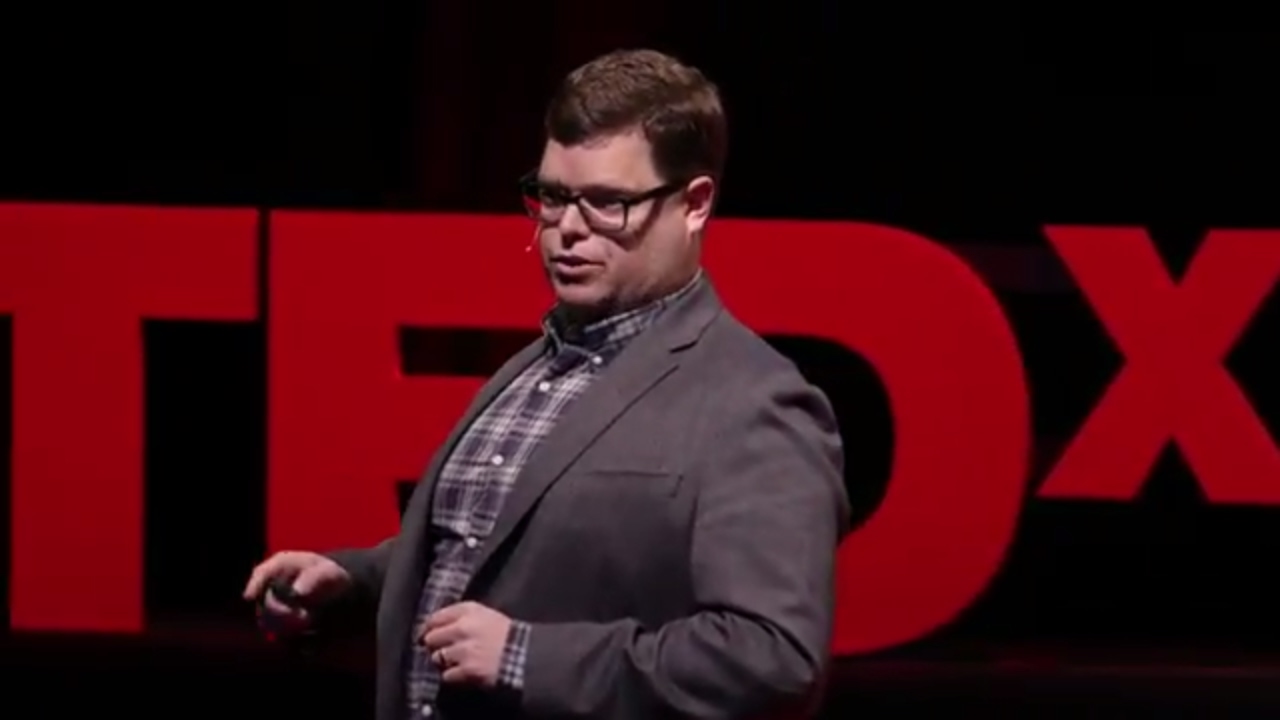
of drug laws and taxing wealth to create a greener economy we as a country want to try out a new way of doing politics doing things differently through informed and respectful dialogue citizens assemblies are part of what is known as deliberative democracy matthew taylor is a leading global advocate he has advised two former british prime ministers and he argues this kind of political engagement could be the key to reversing the decline of trust in politicians the fundamental issue of trust is only going to be overcome if we can change the nature of the relationship between
citizens and politicians i'm being heard i actually do have an avenue to ask the right questions that are important to make scotland better the way in which deliberation increases the confidence of its participants increases their respect for people with different opinions and tends to make them feel more responsible for making sure the world is a better place these are wonderful characteristics and a million miles away from representative democracy that tends to make people feel more disempowered more angry and less sympathetic to people who have to make difficult decisions such gatherings could be an antidote to
the increasingly polarized political climate the adversarial nature of representative democracy politicians shouting at each other caricaturing each other dodgy dave will answer it now evading questions pandering to their own increasingly unrepresentative grassroots it's ugly if you look at a deliberative process a process in which ordinary citizens are sitting around a table listening to each other properly facilitated openly questioning their starting point going on a journey reaching a different view and nearly always being able to find consensus it's a process that makes us feel good about ourselves many people feel they have little influence in the
political process deliberative democracy could give voters an edge our job effectively is once every four or five years to vote in an election to kick the rascals out if we think that they should be kicked out and then we retreat back into our daily lives and wait for the next time we're asked to come and vote that's a very passive role for a citizen and what citizens need more of is more voice in between elections citizens assemblies are nothing new they're an ancient greek idea coming back into vogue over the past 10 years the oecd
has recorded a notable increase in the number of deliberative processes among member countries and the eu and there is evidence that this is succeeding in giving people more influence over policies made by politicians of 55 cases analyzed by the oecd three-quarters of public authorities implemented over half of the recommendations made by citizens in just over a third of cases they implemented all of them the issues that you will discuss in over the coming months are beyond party politics one country is often cited as the poster child of this democratic innovation in politics island's widely acclaimed
citizens assembly on abortion legislation formed in 2016 is considered to have helped its largely catholic citizens find common ground on a highly polarizing issue after hearing from 25 experts and reviewing 300 submissions from members of the public and interest groups 87 of people on the assembly agreed island's abortion laws were unfit the government subsequently agreed to the recommendation of a national referendum two-thirds of the electorate voted in favor of abortion rights [Applause] the citizens assembly held the hands of the politicians galvanized them encouraged them because what politicians admitted to was they were listening to the
voice of ordinary informed ordinary citizens and if that was what ordinary citizens felt needed to be done then they were prepared to go down that road too yet citizens assemblies are not a silver bullet for troubled liberal democracies some processes have been criticized for not fairly representing the population at large and the biggest challenge to more meaningful change in future remains the reluctance of politicians to embrace this model of democracy on a broader scale advocates say that unless politicians actually accept the idea of relinquishing some more powers there is a risk of further public disenchantment
when i worked in government i tried to convince tony blair and then gordon brown's team to do it and i had initially enthusiasm for it until the point at which i pointed out to them they couldn't control the outcome of the process i think when politicians hear about deliberation they often think it's about them giving up power i'd say to them the biggest constraint on your power as a ruling politician right now is the public doesn't trust you actually deliberation will give you more power because real power lies in having citizens on board [Applause] this
is only going to really shift the dial if politicians demonstrate over and over again that these processes do have an influence on the policy outcomes i hope we've reached a stage of a kind of tipping point now where the question is not will deliberative democracy become a more intrinsic part of our democratic systems but when and how [Music] hi i'm emma hogan deputy briefings editor at the economist if you'd like to learn more about citizens assemblies then please click the link to my article opposite and if you'd like to watch more now on next series
then please click the other link thank you very much for watching and please don't forget to subscribe