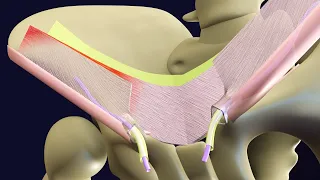
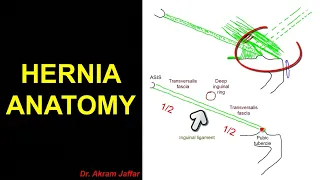
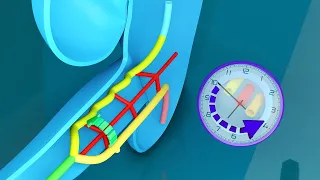
the inguinal canal is a passageway through the abdominal wall that develops in both males and females in males proper development of the inguinal canal is an important event for the subsequent descent of the testicle into the scrotum from its initial site of development in the abdomen testicular descent takes place in two phases the trans abdominal phase and the trans inguinal phase the trans abdominal phase is a passive process during which a band of mesenchyme known as the Guru knock'em appears to tether the testes to the scrotum the testes which initially lies on the dorsal abdominal
wall develops between the peritoneum and the rest of the body wall between 10 and 15 weeks of development the abdominal cavity enlarges causing the anchored testes to be drawn downward to the mouth of the deep inguinal ring during this descent the testes travel in a lateral to medial direction the trans inguinal phase is an active process that takes place over a couple of days between 25 and 35 weeks of development a finger like a vagine' of peritoneum called the processes vaginalis pushes its way through the tissues of the developing abdominal wall this evaluation follows the
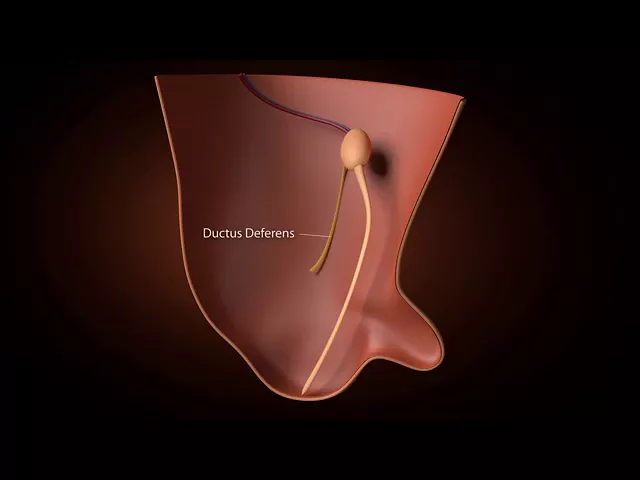
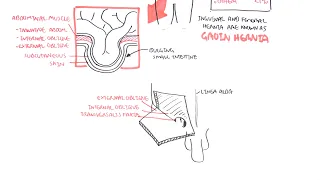
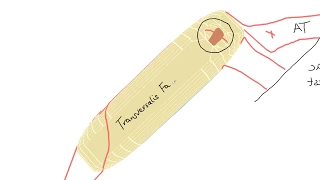
course of the GU burning and acquires sleeve like coverings of tissue corresponding to the various layers of the developing abdominal wall these layers which develop into the transverse ælis fascia and the internal oblique and external oblique muscles follow the processes vaginalis and become the layers of the spermatic cord the internal spermatic fascia cremasteric fascia an external spermatic fascia respectively the leading tip of the processes follows along the goober national and enters the scrotum the testicle together with the ductus deferens and testicular vessels then follows the testicle is able to enter into and move within the
sleeve like layers of the developing spermatic cord surrounding the goober national and the processes vaginalis by compressing the tube like processes the proximal end of the processes vaginalis normally disappears the distal tip survives and becomes the Tunica vaginalis the remains of the goober national IgG iment of the scrotum in female fetuses the processes vaginalis develops to create an inguinal canal but the descent of the ovary stops in the pelvis the processes vaginalis disappears leaving the remains of the goober not become the ligament of the ovary and the round ligament of the uterus you