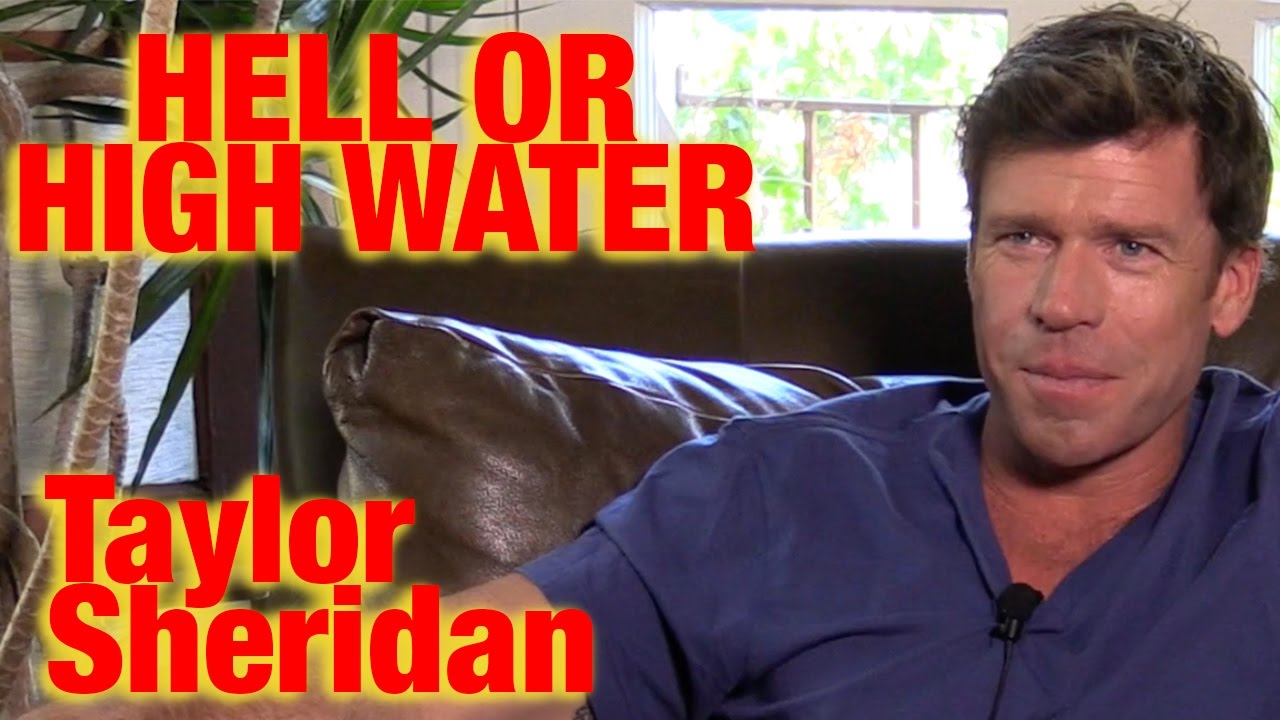
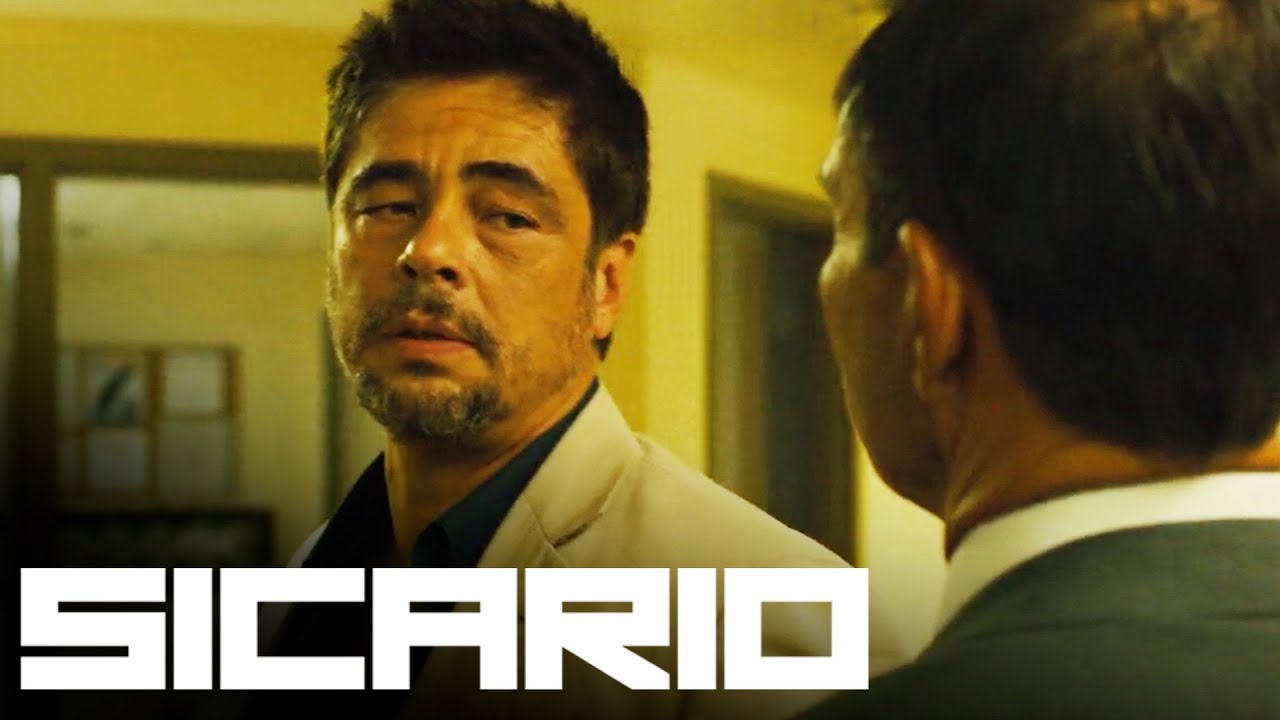
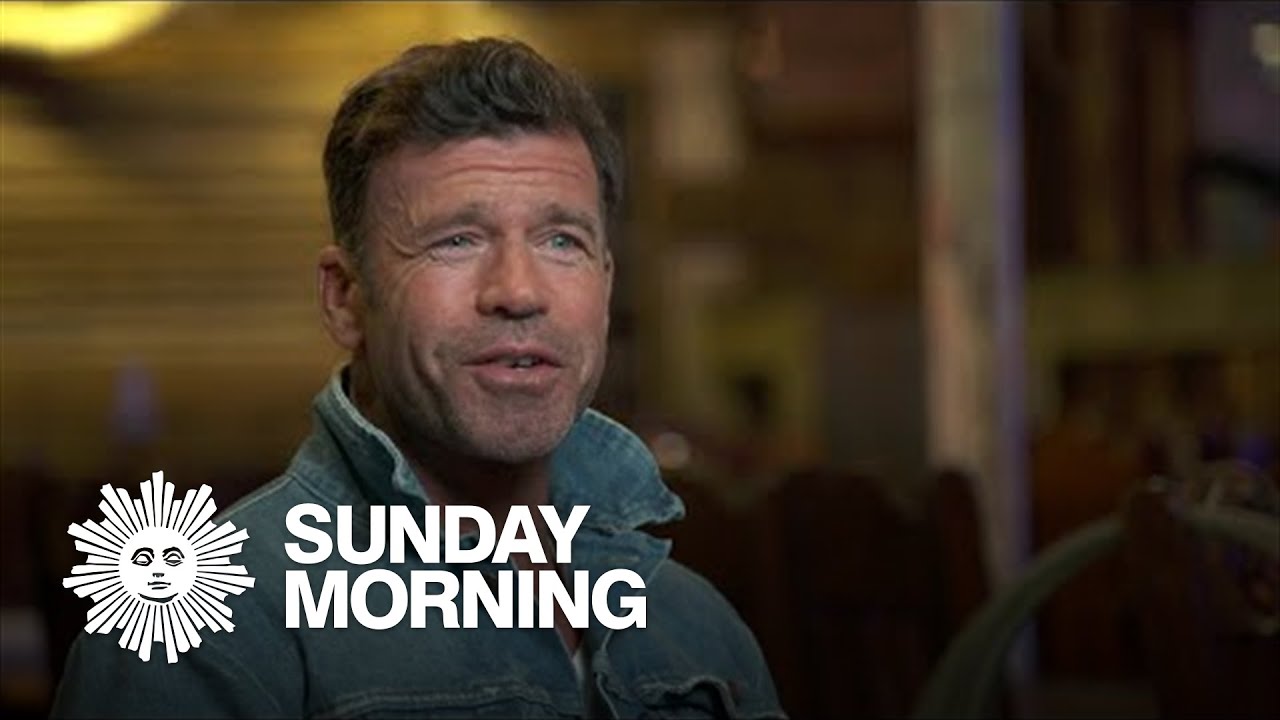
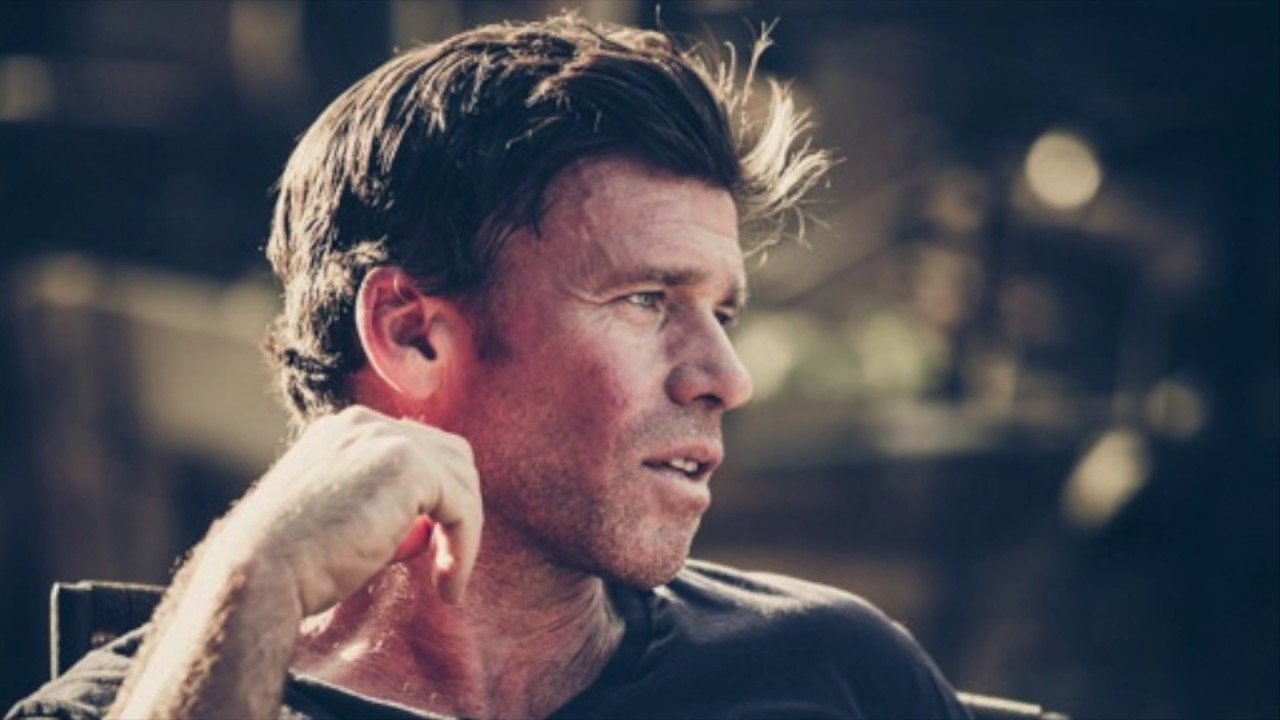
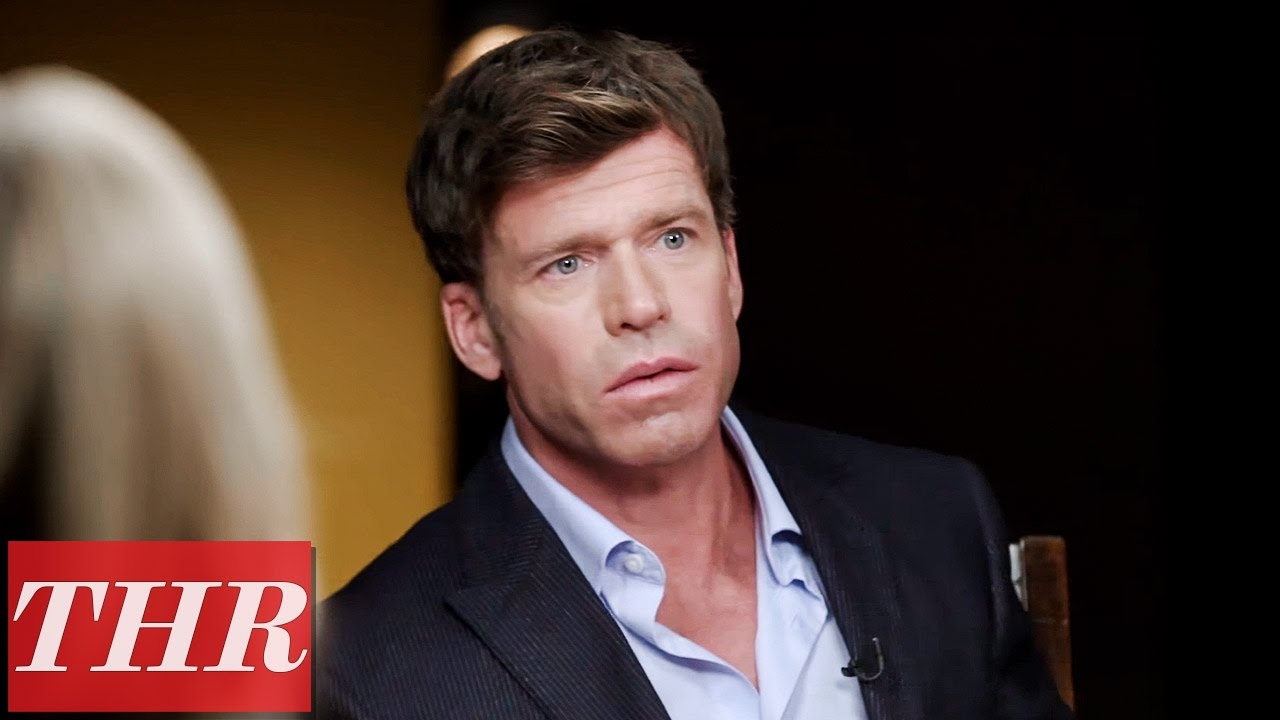
Taylor Sheridan uh sakario was your first script uh so where did the idea for it come from I mean the idea evolved from a few different things really it's not it's not one uh specific thing I I I was obviously fascinated with the world and the complexity of it um and I was really fascinated with the notion of uh um using the military as a mechanism to police um and at the time that um I wrote the screenplay with the height of the sort of the the war on the Mexican side of the Border uh
in the Mexican military intervention there between a a Cartel War that was taking place at the same time we're sort of at the height of using our military to police in Iraq and Afghanistan and um and and both were going rather poorly and um and it was fascinating to me the similarities uh and uh you know the consequences and and so uh I was also shocked at just the the Carnage of of what was taking place on Warz at that time and and the fact that it was receiving almost no news coverage americ and I
couldn't understand that it was a little infuriating and uh and as a result i i i WR a screenplay that I think would force people to have a conversation about it I hope right and you know you had a background as an actor was the end goal always to write or was that something that I did the desire for that just kind of evolve over time where did it come from it evolved over time uh as I got older H and you know I I worked on this show for a couple years and and I
essentially sort of reached you know I was 40 years old and I and I was like you know what this is about my ceiling this is all I'm ever going to be is about you know 12th banana on a TV show and and and it didn't it was felt very limiting to me creatively and uh and so I quit and started writing well talk about uh you know what your process was like because I'm sure that a lot of aspiring writers are probably curious what you did you know uh in terms of constructing the script
I mean you know for me and I think it comes from having been an actor the most important thing for me was um was really understanding the Journey of these characters and what I you know what Arc they would and would not take and from a construction standpoint I did some I broke a lot of rules that I've been you know held to for 15 20 years um you know I shift the protagonist repeatedly through the script I I you know Matt's character has virtually no art whatsoever um intentionally and we know nothing about him
we've learned nothing about his life at all we learn almost nothing about um about Kate's life and we learn very little about Alejandra we see them in this present moment and really learn about the essence of their character by what they do or don't do and uh and to me that was really um you know that was a fascinating thing to explore from a structural standpoint this may seem really boring but to an aspiring screenwriter it might seem interesting from a structural standpoint I wrote it on a five-act structure like a like Shakespearean tragedy as
opposed to threea structure um uh you know so that the climax of the film so to speak uh is that Moment On the Border you know that's the middle of the film and that's and that's uh you know I wanted to create a sensation that oh wow the movie's ending now it was only 40 minutes uh and and really kind of blast an audience's expectation about what could happen next um and so yeah I just I just had a lot of with my first script and this was my first screenplay I I was I admitted
the fact that I did not know all the rules and therefore I took the liberty to break them all because I didn't really know well I'm curious to know what uh some of those earlier drafts were like of you know you were shifting protagonists around you know how did you find what this story would ultimately be about well I I knew from the beginning that I wanted to what I wanted to do is build a Fascination and a and a a sympathy and for Alejandro uh and I wanted Matt's logic and charm to to justify
me wanting him to be turned loose and then when he when he was and I go on that Journey with him and I basically leave uh our protagonist Kate and then follow our new protagonist and we see what our new protagonist does what we realize is he's actually the antagonist and and it and it and it it shifts that perspective back to Kate and we realize she was right all along um and I just I I had never we've all seen a movie where uh you know the the guy goes off and does something and
it's unseen and then he comes back but we never go on that Journey we never follow that guy there and I really wanted to do that and uh and I wanted to build it in a way that the audience was begging for it and then hated What They begged for um and uh and and so yeah I I knew that I was going to do that when I first sat down H and so it made it very easy if I Know How It Ends and I know what I'm trying to say then getting there isn't
terribly difficult uh where what I find terribly difficult is having a world you want to explore and character you want to follow and no idea where they're going so for me I have to know exactly how it ends uh and you know and then I work backwards well it's interesting you you bring up uh you know one of the uh striking things about the movie is the way that it blurs the line between good guys and bad guys you know what is the right or wrong thing to do how willing are how far are you
willing to go in order to accomplish a greater good uh can you talk a bit about that yeah I mean that's that's ultimately the point of the film is um does the unjustify the means um and is there an end to even consider there hasn't been at this point this has been going on for 35 years and and there doesn't seem to be an end and so if there isn't an in is controlling it the best option and then how does one do that uh so yeah it was really playing with the notion of uh
attempting to apply the rule of law to a place where there is none where it's been abandoned um and when it's abandoned uh what are the consequences uh and then what are the rules and so uh it was and we see that it's not it's not an abstract argument it's taking place right now in our in you know in Afghanistan and Iraq and uh in Syria and um and we have you know Americans over there dealing with these very decisions as we speak um and uh and I thought you know by taking that notion and
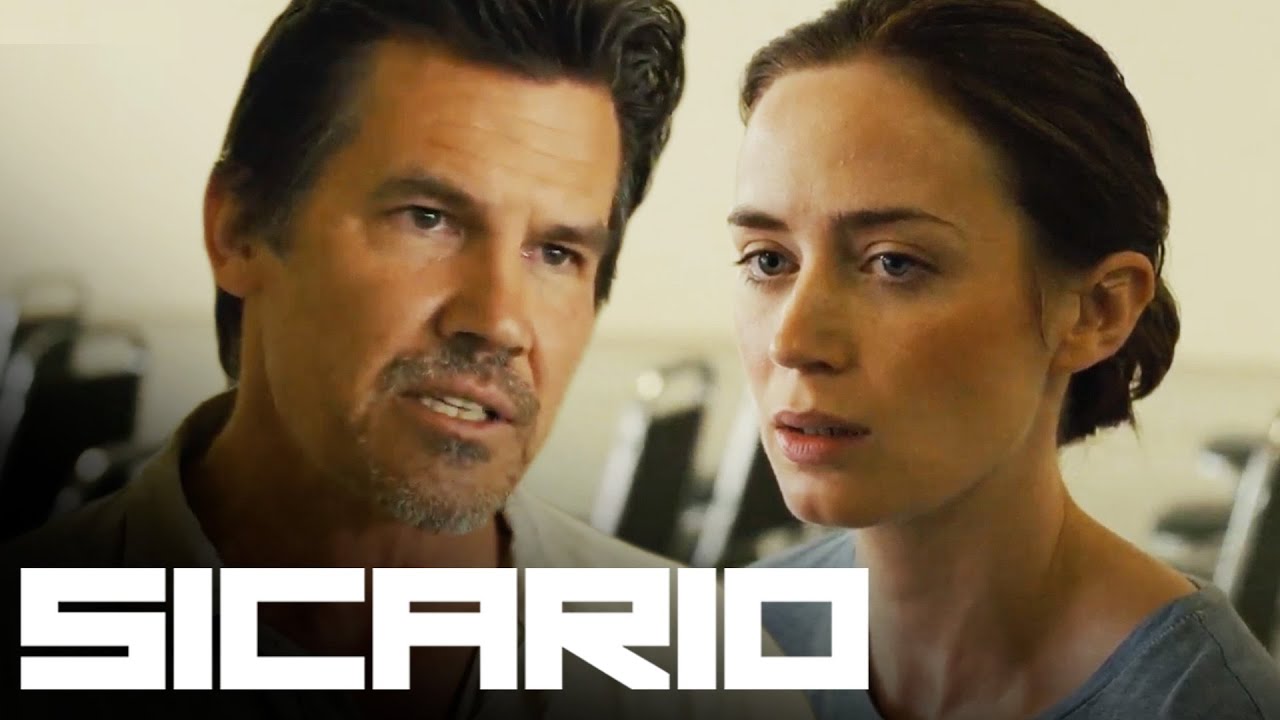
dropping it you know here um it would seem uh somehow a little clearer as to you know the dangers of that kind of involvement and the conflict the the give and take between uh Emily Blunt's character and benio Del tor's character is really very fascinating can you talk a bit about that yeah you know so essentially Alejandro uh was Kate 15 years ago you know he was a he was a federal prosecutor who was by the book who believed in the rule of law who tried to compat uh The Architects of the drug trade through
legal means and uh and he was good at it like she was uh and he got too good at it and uh and the reaction was uh you know the these members came and you know killed his family in a manner with which um would change him forever so when he sees Kate he sees that innocence that he used to have and understands the the toll of it uh for him and and attempts to protect her and shield her at the same time uh perfectly willing to step over her to achieve his goal which he
considers much greater because he has completely embraced the notion that The end justifies the means um because if it doesn't then every casualty up to this point every loss is feudal uh in his mind um and I think that you know Kate is is drawn obviously to the sensitivity that he shows her but also the wisdom he has an understanding of the world Beyond anyone else who's in it um and everything he says turns out to be right at the exact right time and she knows she's seeing something she didn't know existed uh you know
as though she's gone down this grabbit hole and he's her guide you know that's the funny thing is that Kate is our guide and and Alejandra was hers and um you know he drags her through hell and she drags us through it right I'm sure as an actor you've gotten a ton of scripts where uh the characters were not as well thought out as what you're describing right now with the characters you wrote was that a consideration that you had in mind while you were writing this uh first of all let me clarify as an
actor I was never accomplished enough to receive a ton of anything but I I I I scratched and clawed thousands of auditions where I read uh you know wildly uh underdeveloped characters and and and poorly developed Chara yeah a lot of bad scripts a lot of bad scripts and and when I sat down yeah I as a result I I went I I I tried to make every single character interesting because I understand what it's like to play one that isn't um so I tried to make them all interesting uh from the smallest to the
to obviously Kate and Alejandro uh you know and and do things you know that I learned as an actor are extremely you know difficult to do uh it's very hard to be believable as an actor you know spewing Exposition and so as a result of having to do that for a decade and a half uh there there's almost no Exposition in my in my screenplays whatsoever uh and and what Exposition there is comes through the camera um because I I'm so allergic to to having to say it um so I don't want anyone else to
have to say it either um so yeah I think it was uh acting was a very good uh education in screenwriting for me uh let's talk a bit about uh that camera that you brought up because I think it's sort of undervalued in writing the importance of writing sequences uh that are based solely on action you know where there's not a lot of dialogue uh so you talk about some of the difficulties of writing these long passages in the film that are based in action and making things like that pop off the page so they'll
appeal to a director yeah I mean it's you know for me um I look at some of the most moving scenes I've witnessed in film um and uh and strangely especially as such a as as an actor a former actor and a lover of acting and actors a lot of them don't involve any dialogue whatsoever a lot of times I don't involve uh uh even an individual that you can you know pick out and see uh you know one of the most influential scenes on me ever in a film was uh you know the bank
shootout in heat um and uh and my border crossing in Warez is my homage to that uh uh with a much different result but but I was just so stunned and so taken with the authenticity of that and and the perspective and the realism and and the way that he built tension for 15 minutes prior to that um and and I just thought it was you know sheer film making Perfection and um I learned a tremendous amount about uh unfolding intention through action by watching that in a lot of Michael man's films I'm I'm I'm
a huge Michael man ofile um and uh and and and so yeah I try to do the same thing and it it's exciting when you're writing a scene that starts to feel locomotive um and uh and they usually involve very little dialogue and it doesn't take a lot of of or not dialogue you know words it doesn't take a lot of description to explain the ention it just starts to kind of unfold and uh um an agent told me a long time ago I can tell if a screenplay is good or bad by just looking
at the pages if I see a lot of white it's probably good um and and I didn't really know what he meant when he first said and I thought about it I was like oh it's because the guy wasn't trying to explain to himself in the stage directions what happening he knows what's happening and and he was very concise as in his explanation uh in the screenplay and um and so yeah I I think um as a as a screenwriter we have to Endeavor to find it's a visual art and and you know we need
to explain our shots and we need to explain the tone of that shot when we see it and convey that and it makes everyone's job easier because we're all on the same page um and so I you know I try to put a lot of emotion in my stage directions and when uh the director Denny villu came aboard uh what was that collaboration like what did he give you as a director that helped maybe uh deepen the screenplay or you know what was that what was that like I mean he's a he's a brilliant brilliant
man and a and a very intuitive uh director an emotional director and um it's funny he's someone who you know so abhor violence and yet uh the way that he you know deals with his hatred of it is to explore it so explicitly um and uh he was he was a real Shepherd of the script he was a real protector of it and uh you know the script that he shot is largely the script that I wrote and uh the changes that came out were based on practical locations that you know um we couldn't afford
the amount of time it took to do this we had to find a way to condense it there were times he was able to do that you know without adjustments to the scripture by omitting this piece uh and then there were times where we had to roll up our sleeves and and rewrite it um but it was it wasn't a iCal process he was extremely uh collaborative and giving he's exactly what he you've seen him interview he's he's that 100% he's that gracious he's that kind really he's a true artist so now that You' sold
your first screenplay and had it produced into a movie which is no small feat uh where do you see yourself going next as a writer um well you know the funny thing about sakario is it's the first screenplay I wrote but it's the last one to sell I I I had sold others first and I think that that's kind of what started to Garner you know some trust that allowed this one um and somehow they put it together so quickly that they were able to get it out before the other ones and even started filming
um the other ones were moving much more at the pace Hollywood is used to um but sakario went from literally from Deni reading it to us talking today is a span of less than two years wow which which in movie making terms is is a a weekend just overnight it's incredible it's incredible um so I uh you know I'm at the currently working on um rewriting a few different things that I've done for various directors and uh I have a a series at HBO that hopefully will start shooting here quite quickly we're finishing up that
script and um yeah well thank you so much and congratulations on the film thank you very much I really appreciate the time you're welcome not problem thank you again all righty byebye bye