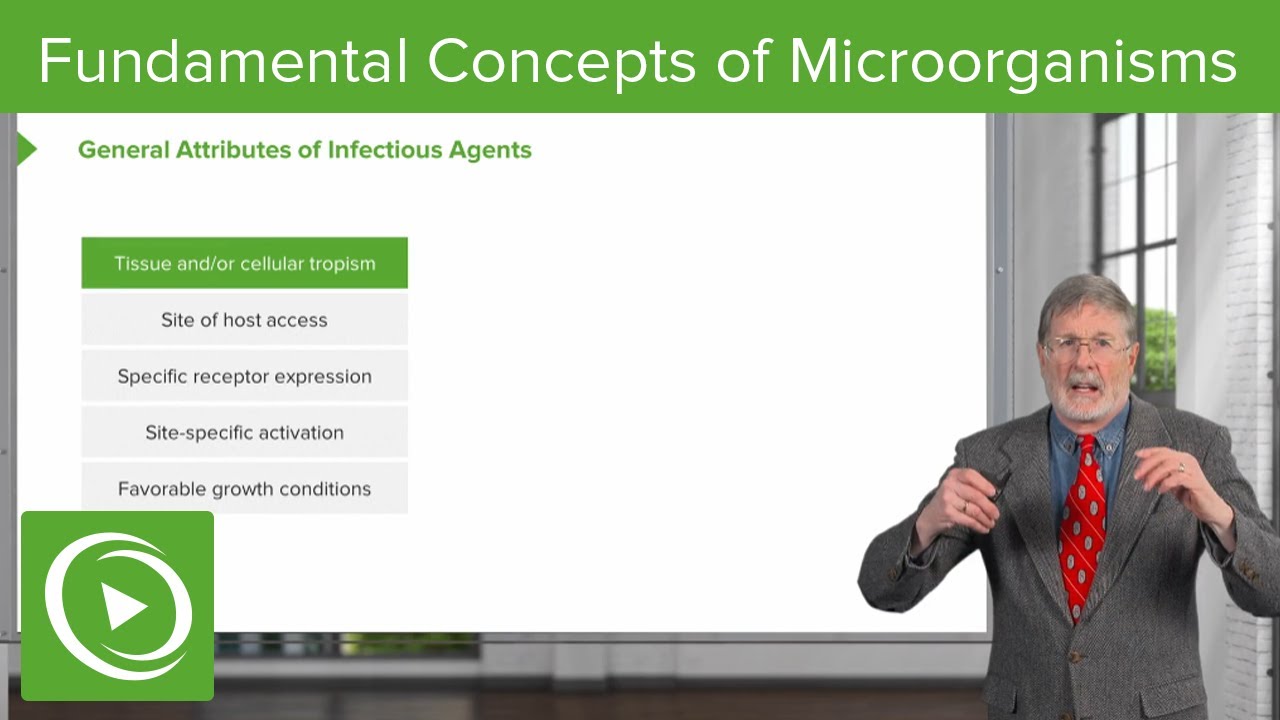
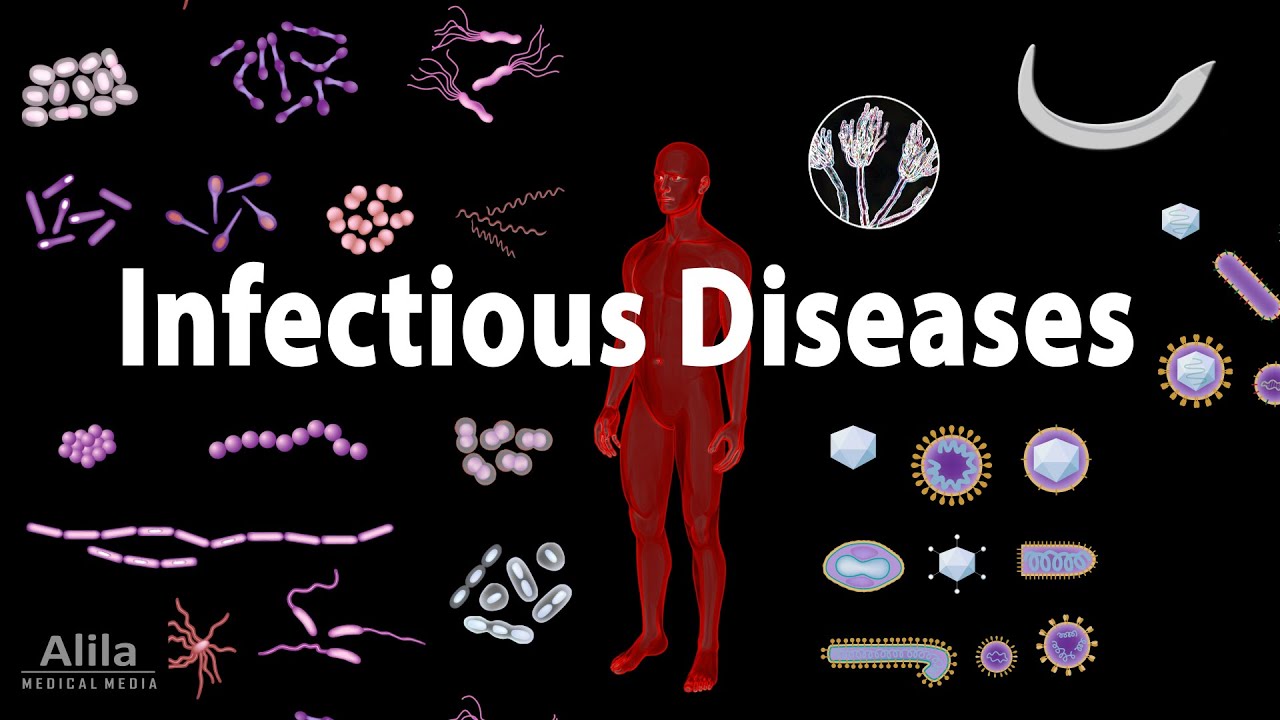
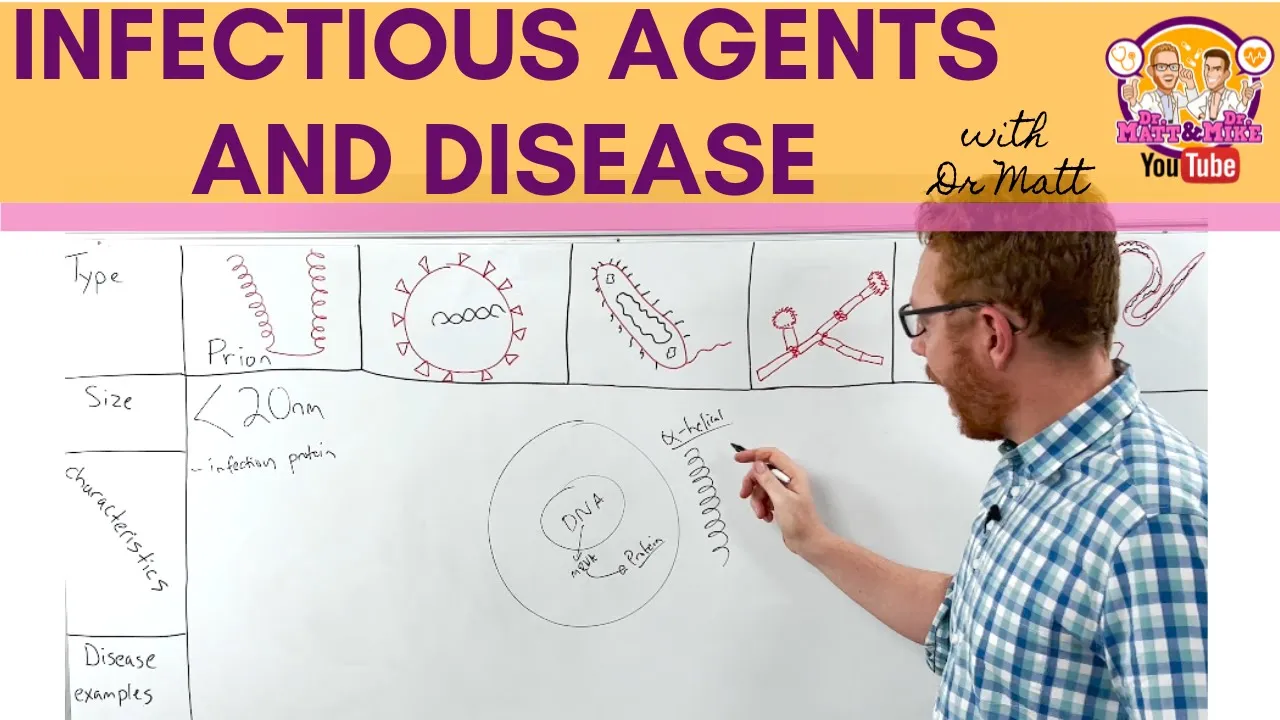
hi everyone dr matt here and in today's video we're going to look at infectious agents sometimes these are referred to as microorganisms but to be technical some of these agents that we go through today aren't actually organisms or they're not even alive they're not cells they're not even life so we can't really call them organisms so i think for today we're going to call it infectious agents so infectious agents are essentially agents that can come into our body being the host and cause injury disease or even death okay so when we think about these anything
that's going to cause injury or disease is what we call pathogenic so pathogenic now this word means it's got two parts to it patho disease genic causing so it's anything anytime you hear something's pathogenic it's generally referring to an infectious agent that's going to bring on a disease now another term that you might hear is virulence so if we're using pathogenic or a pathogen this is a disease forming or a disease causing infectious agent but when we say virulence it's really about how nasty of a pathogen it is so how likely of the severity is
it going to be now when we look in the context of covert the virulence doesn't always mean that a more virulent strain or a more virulent variant is going to cause more harmful outcomes but what it could mean is a bit more virulent could mean it's better at evading our immune system it may be more transmissible so you can spread it a lot easier or it might be even having the ability to get around the vaccine or if it's a bacteria around the antibiotic so you might hear these terms pathogenic means it will bring on
the disease virulent means how nasty could potentially be as a pathogen so when we think about infectious agents what kind of diseases or what likelihood are we going to see them in our context so within the developed world like let's say america australia the uk the eighth leading cause of death in the developed world is actually from an infectious agent and this will cause certain conditions like influenza and pneumonia so these diseases infection diseases um are called by infectious agents for instance influenza is caused by a virus pneumonia can be caused by bacteria fungi and
viruses okay so that's in the developed world even during the covert periods we've actually seen the third leading cause of death besides cancer and cardiovascular disease in the developed world is covered okay and this would be in cases like america and the uk not so much australia um and this is obviously when those covered covers a virus what about the developing world well the top three causes of death in the developing world is by infectious agents number one is lower respiratory tract infections okay and so this could be caused by most like most notably viruses
that can also be bacteria and again fungi number two is hiv aids and this is a virus number three would be diarrhea related diseases and again this could be a combination of bacteria virus but also protista or protozoa okay and then before we finish off still within the top 10 we've still got some other conditions in the developed world that can cause so within the top 10 leading causes of death we've also got malaria that's a protester and we've got tuberculosis or tb that is a bacteria so now we're going to go through each individual
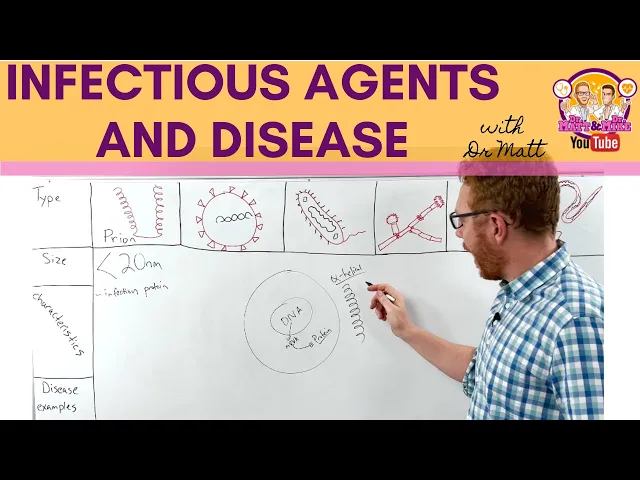
one and basically the way i've ordered it is from the smaller size all the way up to the biggest okay and the things that we want to go through today are what are the types that we've got one two three four five six to go through we want to work out how big they are what are their main characteristics that you should know and then finally what diseases do they cause okay so i'll rub this off and whilst i'm doing this you can make some room on your paper so we can write it down together
so this is not going to make much sense to you but what that actually is is a protein so the first one the smallest infectious agent is actually a protein and this is what we call a prion so number one the smallest which is approximately going to be less than 20 nanometers in size is an infectious protein so how can that cause disease all right let's just assume that we go into the brain we go into the brain we're having a look in the neuron here's the neuron here and i know it doesn't look like
a neuron but this is the cell inside this middle of the cell we know we have a nucleus and in there we have our dna dna we know holds the genetic code and when we want to transcribe dna it is made into mrna and then what does mrna do well it makes a protein okay now within our neurons in our brain we are making normal proteins even though they're called prion proteins but they're normal their shape is like this which is supposed to be looking like a helix okay so the proteins that is made in
normal functioning neurons by this type of prion protein is an alpha helix alpha helical protein okay and so that's normal that's going to allow the the function of the neuron to be normal but in certain cases where we have infectious proteins and this is what it's going to be is it going to be infectious proteins which means they're misfolded instead of the alpha helix they're going to be more beta plated beta sheeted plate so what that means is when this infectious protein comes into our neuron it corrupts the structure of the normal proteins which makes
them misfold and so slowly all the proteins in the neurons start to fold poorly incorrectly and we start to get neurological symptoms so the take-home point so far is the first one is a prion it's an infectious protein so it's an incorrectly folded protein and how could we get this how how could you potentially get an infectious protein well it has been shown that it can be spread blood transfusions organ transplants surgery but also if in parts of the world that cannibalism still is present like in new guinea that these proteins in the brain if
the person wants to consume brain tissue that this would cause these beta sheet proteins or beta proteins to go into the neurons within the central nervous system so it's basically a cns condition and what happens is the neurons become filled with these misfolded proteins and the neuron becomes dysfunctional so what diseases would we expect to see in this context well they come under an umbrella called tse tsc stands for transmissible which means you can spread between each other spongy form which means if you look down the microscope the proteins or the cells look spongy in
nature and in a encephalopathy in cephalopothy which basically means a disease dysfunction in the brain now some examples that fall within that would be bsc which is bovine spongy form encephalopathy which is a mad cow disease which you may have heard and this is essentially via feeding cows infectious proteins and then they develop the symptoms and then if we were to then eat the cow and its proteins we could then develop these neurological symptoms or another more human type of mad cow is c j d krust jacobs disease okay so that's the first one done
that's prion so prions are essentially not alive they're not a cell they're just an infectious protein so that's the first one done let's move on to number two so here's number two here and this is a virus so we've all heard of a virus this is the next sized molecule this is approximately 20 to 400 nanometers in size okay and it's not a cell it's not alive so basically if this was sitting outside a host on the ground on a bench top outside a living organism it wouldn't be doing anything so it actually has to
get into a host into an animal or a plant to be able to do anything and therefore what it's called is an intracellular obligate parasite which basically means that it has to that's obligated it has to be within within a cell to be able to be functional that means to be able to replicate and to be able to um carry out any kind of activity it has to be able to invade a cell so how do we so how do we classify viruses well you can classify based on the outside here so if you look
at this part outside here this is what we call the capsid cap sid so that's the outer covering of the virus and inside is the genetic material so this is the genome of the virus so that's another way we can categorize viruses and the only options is whether it is an rna virus or a dna virus so that's another way we can classify it so the shape of the capsid is one it's genomic material which is either an rna virus or a dna virus sometimes it's further encapsulated by an envelope okay envelope as the virus
leaves the cell it takes the membrane with it and it wraps around it so this would dictate whether the virus is enveloped or not moving on to the disease examples how the virus impacts our body and its ability to cause disease will be determined by where in the body it infects okay so different regions could be the respiratory tract the git systemic so means the whole system skin and the central nervous system so let's look at some examples what's what's an example of a virus that impacts the respiratory tract well we know the common cold
so the common cold is a type of virus we know influenza is a virus and also covert which is really more sars kobe 2. git where we could have rotavirus which is very common in children mumps systemic so this means infects the whole body but it can manifest out it can be seen in the skin so an example would be chickenpox or varicella now you could rather than manifest on the skin it might actually manifest in the blood an example of a systemic virus that affects more blood would be hiv skin specifically so specifically the
virus infects the skin would be hpv which is human papilloma virus which kind of forms warts and then finally i'll come back to that and finally we have viruses that affect the central nervous system example polio now with the virus or with viruses because they what they have to do is they have to attach to your cell usually by the outside of the capsid that we have in this case these little spike proteins which can bind to our certain receptors on our membrane and then it can inject its genetic material into our cell and our
cell is tricked to produce its machinery and then make new viruses and as a result generally the cell will die and this is why it causes the disease but sometimes because the viruses is kind of incorporating its genome into ours it can become mutated and in some cases viruses will lead to mutated cells which then cause cancer and so an example would be the hpv virus which generally manifests as kind of a wart-like skin disruption but it can also then lead to certain cancers for instance cervical cancers and that is because of the way that
the virus incorporates its genome and then leads to cellular mutation luckily for this as well as a lot of them we do have vaccines for now moving on to the next one we have bacteria we jump up a new scale now so we go from a 0.2 to 15 microns so what this basically means 0.2 microns in nanometers is 200 15 microns is 15 000 nanometers so we're now at a scale of up to 15 15 microns now from everything onwards we are now alive we are now an organism we are now a cell okay
so everything all the other agents now unlike the viruses and prions are actually cells and they are alive okay so the first thing with a bacteria it's what we call a prokaryote mike has done a video on this so i encourage you to have a look that for more detail but prokaryote basically means is the bacteria does have dna but it's more of a nucleoid rather than a nucleus so it's not a membrane-bound dna organelle so prokaryotes most only bacteria don't its organelles aren't actually membrane-bound so what are some of the ways we can characterize
bacteria well bacteria do have a cell membrane which is on the outside but what they additionally have is a cell wall so they have this structure that goes around it the reason why it has that is because its membrane like our membrane but it doesn't have exactly the same structure is it's more leaky which means if fluid gets into it it will keep expanding and then eventually explode so luckily for the bacteria it has this outer cell wall which we call peptidoglycan that's the structure of the cell wall so basically it means it's a pepto
protein glycan sugar now there's two main categories of bacteria based on the cell wall if it's got a really really thick cell wall it's what we call gram-positive and if it's really a thin cell wall but it's got another membrane on the outside of it it's what we call gram-negative okay so that's the way we can carry the rice further characterize bacteria now another way we can characterize bacteria is its shape if it's shaped like circles like this it's what we call cocci well if it's shaped like a rod it's called bacilli and further if
it's clustered so if let's just say it's in these little grape-like clusters that's called staff and if it's in long strings that's called strep so this is further characteristics by how it appears so we have round and rods staff strep so we may have terms that you've heard of now called staphylococci or strep or cocaine another way we can categorize is whether it lights oxygen or not so if it needs oxygen to survive it's what we're going to call aerobic but if it can survive without oxygen it can be called anaerobic now one thing i
did forget to mention is that bacteria unlike viruses which is an intracellular obligate parasite bacteria is a bit of mixture of a whole lot most of them are extracellular which means most of them survive outside our cells there are some small number that are obligate intracellular so they have to be in our cell to survive and replicate and produce metabolism et cetera and energy and some are what we call faculty which means they can kind of move between intracellular so there's three kind of characteristics of bacteria most of them are extracellular means they'll live outside
the cells you know extracellular fluid to get its nutrition but they can replicate they can get their energy outside the cells obligate intracellular they have to be in the cell to be able to do all their functions and facultative means they can move between and this is important because when we look at the disease these is how we break it down the obligate intracellular examples would be chlamydia so chlamydia bacteria have to be in the cell to be able to gain its energy and do all its functioning as a result they can cause scar into
the cells so certain locations of where they call scarring could be in the reproductive tract more so for females and that scarring can lead to infertility or in the eyes it can cause scar in the eyes and leave some to certain forms of sight dysfunction when we look at the faculty intracellular an example would be a myoplasm okay myoplasm and the biggest this is probably one of the biggest causes of community acquired pneumonia so this is a bacteria that doesn't really have so much a cell wall like the others and so it has the ability
to to live within the cell and then finally we have the extracellular and we went through some examples so we could have streptococcus so streptococcus as an example would call strep throat which is um within the upper respiratory tract we have staph aurus staphylococcus aureus oris means golden so this is a type of bacteria that would look golden and that is common for skin infections and another one i'll just throw in is clostridium tetinae i'll just write the last part and this one is interesting because there's some bacteria that produces if it's gram-positive bacteria it
can produce exotoxins which can cause harm within the body and gram-negative use have endotoxins which is a lipopolysaccharide which is incorporated in its membrane it's out of membrane in the cell wall so when it's destructed it can release the endotoxin and that can cause serious inflammation and problems in the body whereas the exotoxin like this clostridium tetane it can release its exotoxin once it's infected in you from certain skin wounds and this can infect motor neurons and lead to a condition called tetanus and if this is not treated it would be fatal leading to conditions
where all your muscles lock up moving on now we go to we're starting to move to much bigger cells now so what we got now our fungi the size for fungi is 2 to 200 microns now fungi and moving forward is what we call eukaryotes so these are like our own cells so they have membrane-bound organelles including the nuclei they have a cell wall they have cell membranes but they also have a cell wall but their cell wall is not made out of peptidoglycan in this case it's made out of chitin chitin is a polysaccharide
which is the same kind of structure as insects like spiders fungi can replicate sexually and asexually and they do rely in many cases things called spores which are kind of like mini seeds when fungi cause diseases so for this part down here it's what we call mycosis and some examples are superficial infections and deep okay so with superficial it could affect skin as examples so skin infections is usually coming back from the fungi releasing enzymes irritating the skin causing inflammation so itchiness and redness some examples would be tinea tinea is caused by sometimes they refer
this as ringworm now it's not actually a worm it's it's a fungi but it's turned ringworm which the tinier if it affects the top of the head is tinier capitus if it affects the feet it's tinier pettis which is essentially athlete's foot now if the fungus affects the mucous membranes this could lead to certain things like thrush vaginal thrush oral thrush and then finally we looked at deep infections so this is within organs such as lungs and blood this will actually lead to some serious outcomes this is usually in cases where a person is immune
compromised and the and the fungi gets into the lungs and this would be a very common cause of death within people who are immune compromised such as hiv okay moving to the next one this one is known as protozoa or protist these are approximately 1 to 50 microns in size now these are also eukaryotes but they are usually unicellular unlike fungi which are usually multicellular as you can see from the cell here all these cells have all the organelles potentially what our cells have so they would have a nuclei mitochondria and other organelles to help
with all their metabolic functions in terms of diseases that cause some examples would be malaria and guardia so what are these affecting so basically malaria what happens is the life cycle is let's start within the mosquito so within the gut and then the saliva of the mosquito it bites it puts almost like a cyst so eggs in a certain fashion that will go into the blood and travel to the liver this will then hatch in the hepatocytes and then rupture out of the hepatocytes which then goes in the blood and jumps into the red blood
cells this is now going its own cycle which basically produces through mitosis this is asexually gametes and this this cycle in the red blood cells is where you see the symptoms of malaria and then once this spills out of the red blood cells it will be in its gamete form another mosquito comes along and sucks up the blood picks up the gametes which then meet other gametes within the mosquito and this is a sexual phase and then the whole cycle continues so malaria actually isn't the mosquito it's just the vector the protozoa is actually the
infectious agent guardia is a digestive protozoa so this is similar but it comes from contaminated food and water the cysts or the egg-like structures come in they're ingested they go down to the upper digestive tract where they hatch go through mitosis and then they go into an early lava form where they latch onto the side of the digestive tract they will suck nutrients out and this would probably cause irritation to the wall inflammation make it more leaky decrease surface area and this causes the excessive amounts of diarrhea that could be watery and bloody and then
it will move down towards the bottom of the colon where it starts to produce more eggs or cysts and that goes back out in the poo and then that would contaminate the next cycle of food and water and then it continues that way finally we're left with helmets hell mints which are worms or ectoparasites and so these could be anywhere from three millimeters in size all the way to 10 meters so they can be huge in terms of the helmets so these are multicellular organisms and they are eukaryotic in terms of how we can classify
at least the helmets these can be classified in terms of whether they are round to flat or three flukes so round worms such as hook worms which again would infect the gastrointestinal tract in diameter look circular so if you would cut them and look down then there would be circular fashion whereas flatworms such as tapeworms and that's the really could be the really long ones are more ribbon shaped whilst flukes liver fluke for instance is shaped like leaves okay now that's that's the what about the ectoparasites well this could be anything from mites fleas bed
bugs so these guys were probably just called skin irritation and cause inflammation so that would make the skin itchy and irritated so not necessarily hugely debilitating whereas if you look at these ones like ticks spiders well in australia we have really nasty spiders so they can inject venom which could lead to death ticks could inject its venom or similar to it which has bacteria in it this was a cause for the plague not so much common anymore there is some cases of the plague still in america in wildlife or lyme disease and what happens is
the tick bites it puts a bacteria into the skin and that can cause dysfunction and that's both helmets and echo parasites so there we have it that is all the main categories of infectious agents that hopefully you'll come across in your studies there are from the smallest to the largest going from prions which are infectious proteins viruses which aren't alive but they're just capsids filled with genetic material bacteria now we have a live organism but it's a prokaryote then we go to the eukaryotes such as fungi protozoa helmets and hopefully now you can see what
diseases they cause and their main characteristics