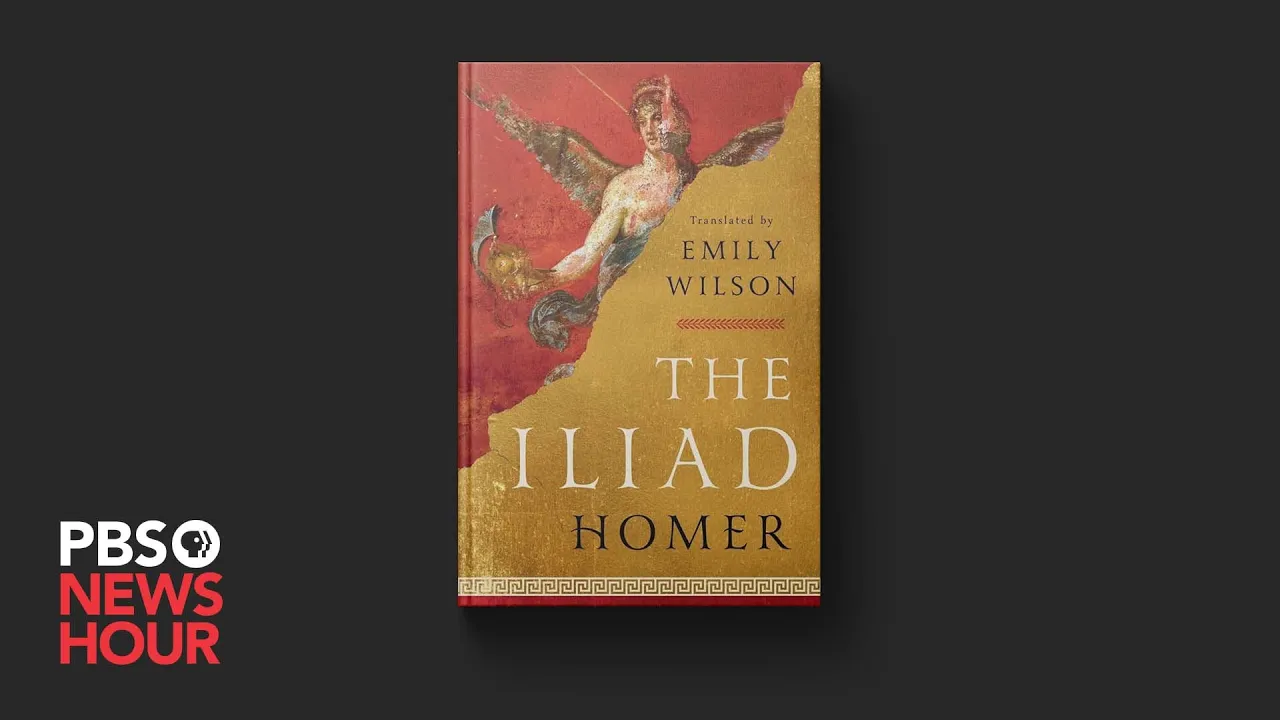
amna: Achilles and Hector. Helen of Troy and king priam. The world of "The iliad," one of the foundational works of western literature and thought.
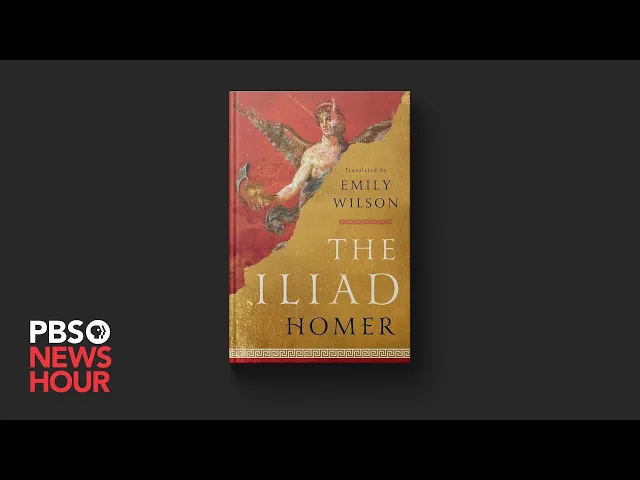
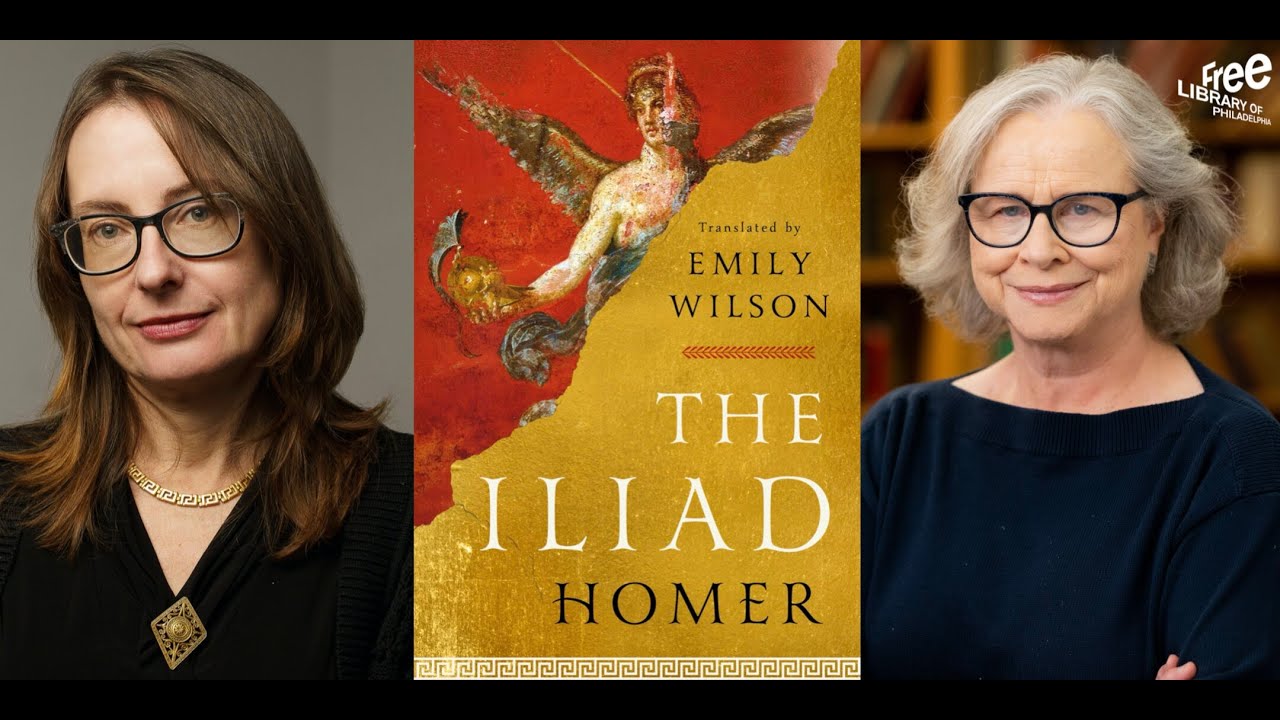
It's an old story, set amid a long-ago, forever war that continues to resonate in our time, and it's been given new life in a translation by distinguished classical scholar, Emily Wilson. She spoke with Jeffrey brown in Philadelphia recently for our arts and culture series, "Canvas. " Jeffrey: Images of the ancient Greeks from artifacts in the Penn museum at the university of Pennsylvania in Philadelphia.
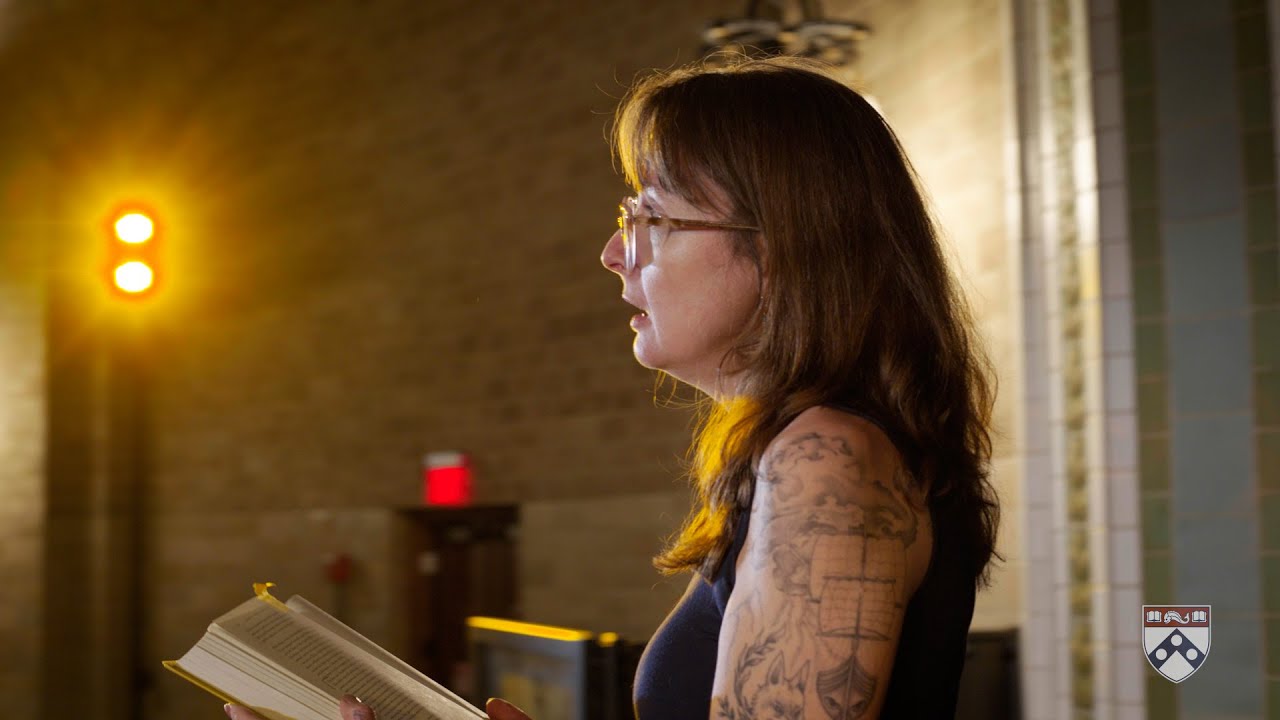
Emily: I have an odyssey side of my body and an iliad side of my body. This is the bow of odysseus. Jeffrey: Images of the ancient Greek epics, on the body of Penn professor, Emily Wilson.
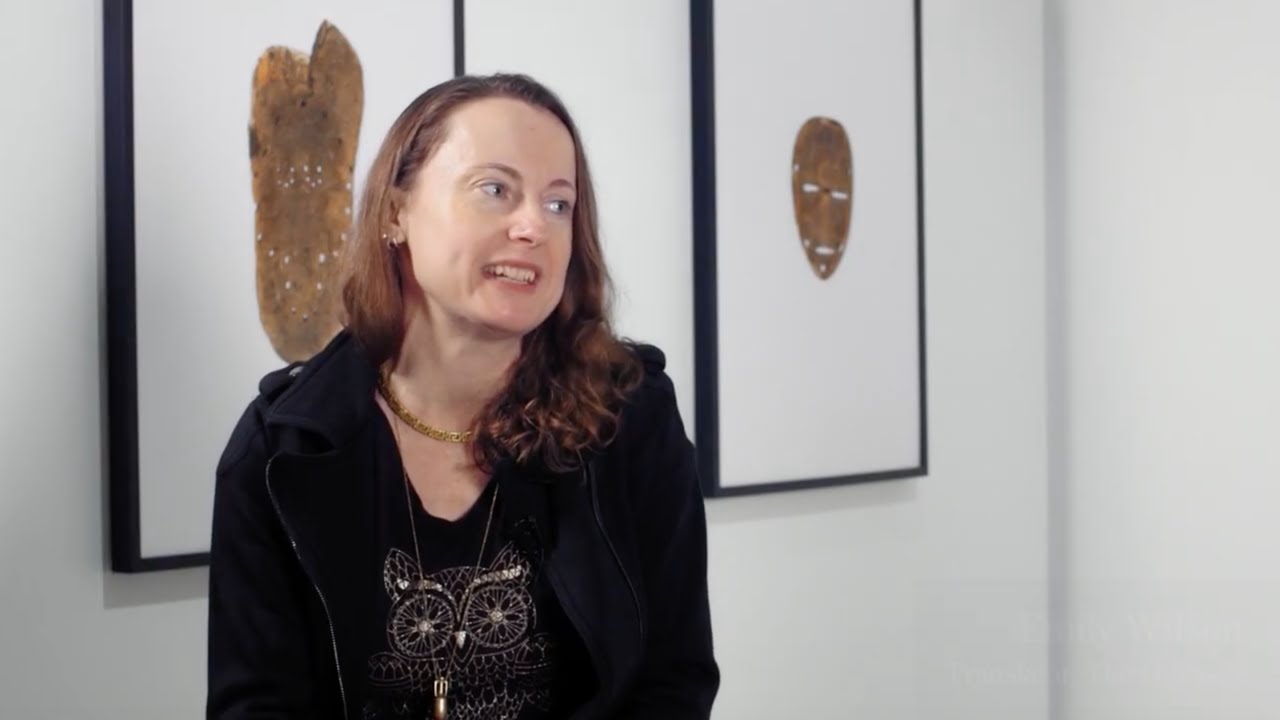
Emily: I have an owl on my back for Athena. I have rosy-fingered dawn for the odyssey. I have the loom for the loom of Penelope.
I have the octopus for the survival and change, changeableness of odysseus. I have the thunderclouds for zeus. I have a ship for the ships of the iliad.
And I have the immortal horses of Achilles. Jeffrey: This is rather extraordinary. You're, you're really living this world.
Emily: I live it. I want other people to live it through the translations but I live with Homer all the time. Jeffrey: Now 51, she's been living in a long time.
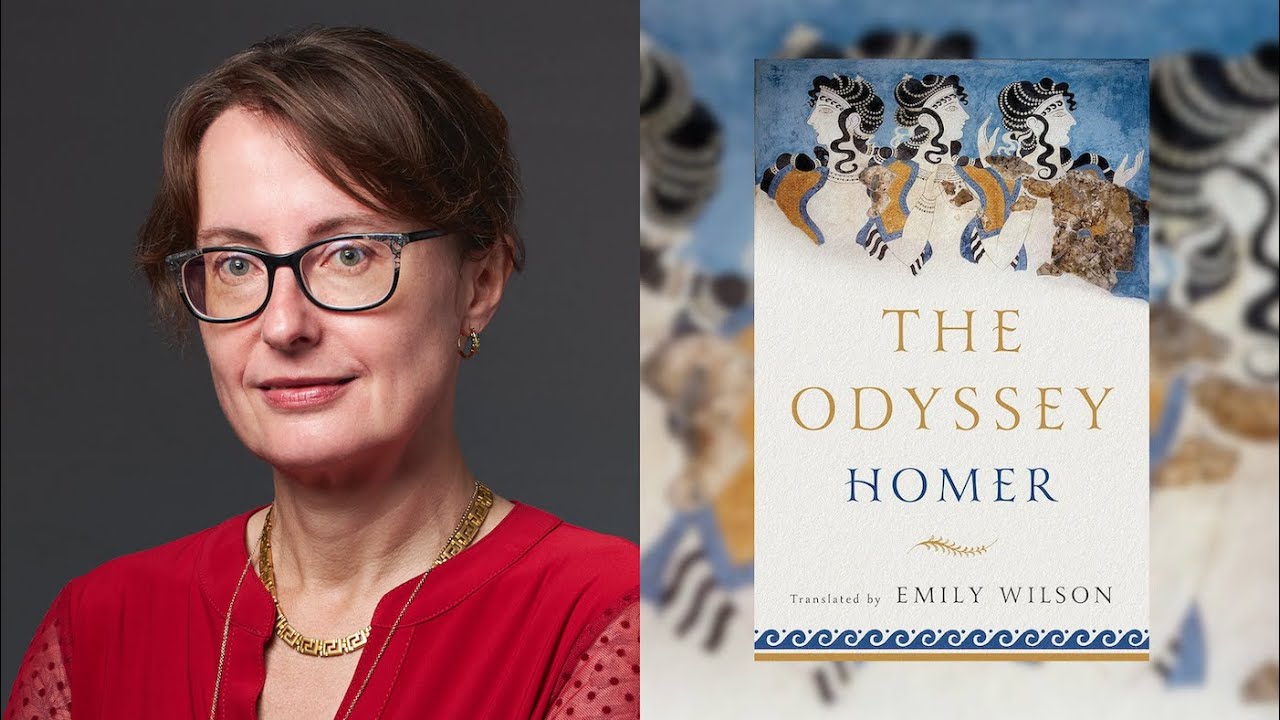
That's Wilson at age 8 reenacting a scene from the odyssey. In 2017 her translation of that epic -- the story of the hero's return home from the Trojan war -- gained widespread acclaim. Remarkably, it was the first ever by a woman into English.
And two years later Wilson won a Macarthur 'genius' award for "Bringing classical literature to new audiences in works that convey ancient texts' relevance to our time". Now she's translated Homer's "Iliad", set amid the war itself -- Greeks fighting children's and one another. The great warrior Achilles battling his enemies and, it seems at times, himself.
In the introduction you call it "The most gripping and heartbreaking work of literature I know. " In what way? Emily: It's so focused on very intense human emotions.
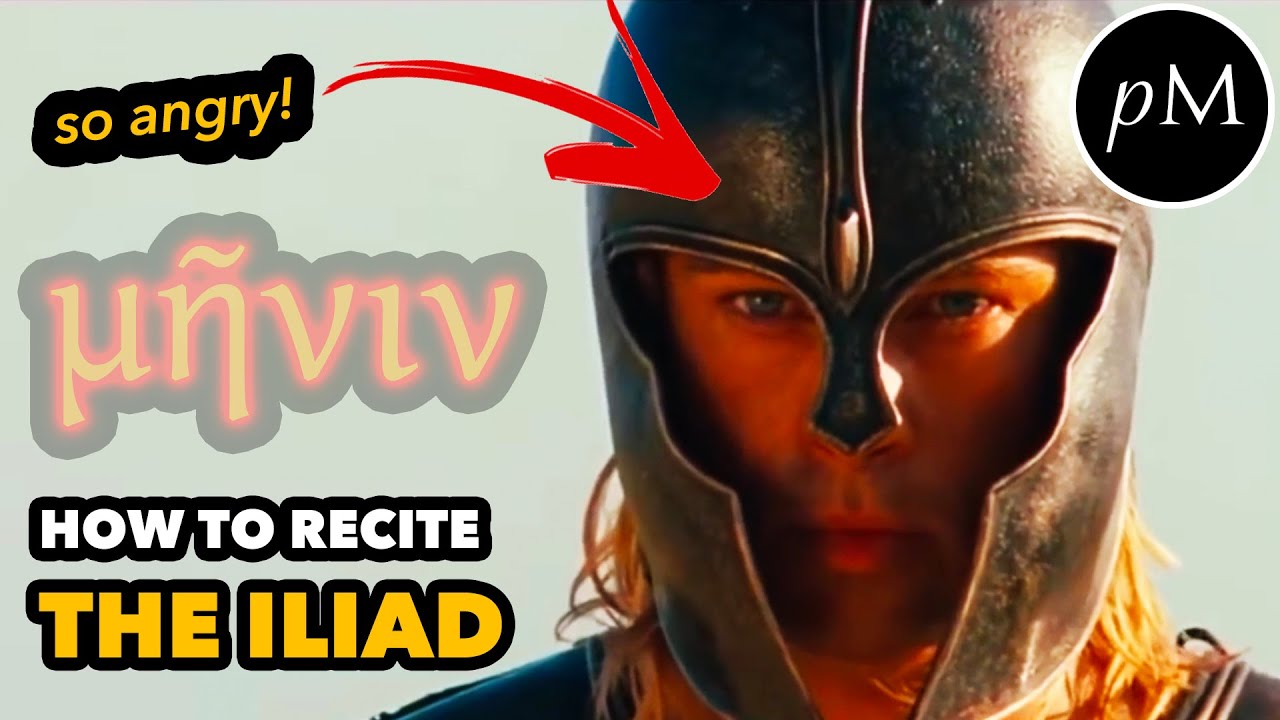
The first word of the poem in Greek is "Menin", which means a sort of superhuman kind of rage. Jeffrey: Anger beyond anger. Emily: Terrible rage.
And so this terrible cycle of rage and grief that perpetuate one another is absolutely at the center of the poem. And also the mortality of the human body is so central to the poem. So you are always feeling things and learning about how people feel things, and about the glittering brightness of our lives while we're alive and how short that is.
Jeffrey: "The iliad," perhaps composed in the 7th century bc, was attributed in antiquity to the blind poet, Homer. It stems from an oral tradition in which bards performed their work, often playing a musical instrument. It uses a regular pattern of sound, or meter, called dactylic hexameter.
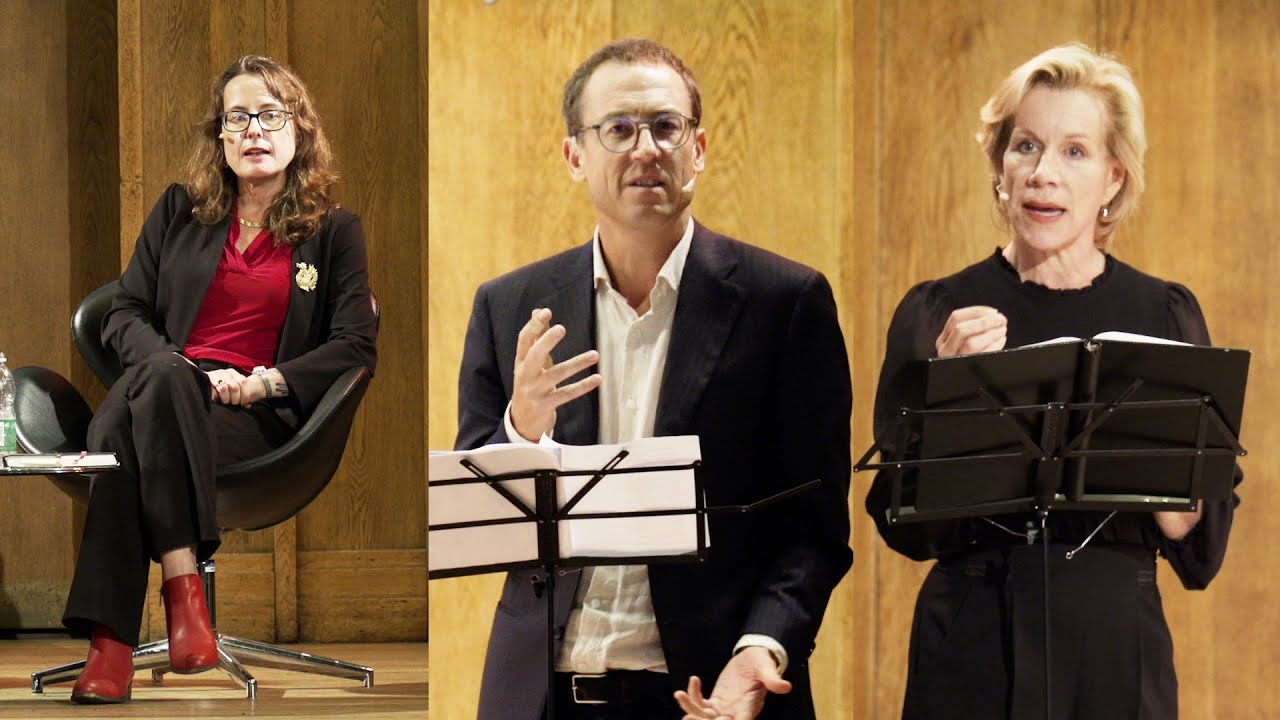
Emily: It is a long, short, short. [Speaking Greek] The entire poem has that regular music all the way through. Jeffrey: English translators -- there have been more than 100 of them over 400 years -- have used a wide variety of approaches and poetic styles.
Emily: -- Began the keening, cradling in her hands the head of Hector. Jeffrey: Wilson wanted the music of Homer, but in a traditional English form and -- think Shakespeare -- chose iambic pentameter. Emily: One thing that really drew me to the task of translation was the frustration I felt in teaching Homer in translation was the fact that most modern translations don't have meter.
This is a poem. It's not an action movie. It has a regular rhythm to it.
I was talking before about the intensity of the emotions. If the reader doesn't both feel the rhythm and feel those feelings, then the poem isn't working the way the Greek poem does. The Greek poem makes you feel the clarity of the narrative and the intensity of those feelings all the time.
Jeffrey: Now if you do like action films -- no poetic meter here -- there's Brad Pitt as Achilles in the 2004 film, "Troy. " In fact, Wilson points out, there's a continuing interest, even a mini-renaissance, in ancient stories and myths, including bestselling novels like Madeline Miller's "Circe," now being adapted to an HBO series. The acting company, a new york-based theater group, recently launched a national tour of an adaptation of "The odyssey" using Wilson's translation.
And Wilson herself, of course, continues to teach the classics to a new generation of students. What is the most important thing for you to convey to young, especially young students when you're trying to interest them? Emily: Just the humanity of people, of human beings always, including in the very ancient past.
That, of course, we come to a place like this and we sort of see the difference but -- differences between us. They fought wars not with guns and bombs but with spears and arrows. And yet so much of the feelings are the same.
There's the sense of grief and pain have always been part of human society. Jeffrey: That things are different but the same. Emily: Things are different and things are the same.
Yes, both of those truths are essential. Jeffrey: Is there still a place for Homer and the classics amid today's culture wars? Wilson thinks they're needed as much as ever.
Emily: We tend to be very much focused on our world. It's the only world. It's not the only world.
There are more worlds. And antiquity shows us something about how many worlds there are, how many different ways a human being can be. And then at the same time there are these enormous resonances between the iliad and our own time.
I mean, this focus on violence, the intense partisanship, conflict between not only Greeks versus trojans but members of the same community living closely together and hating each other. Jeffrey: All this in our daily news. Emily: All this in our daily news.
I mean, it's not exactly the same, and yet it has this resonance. Jeffrey: How do you think about your own role as a translator of ancient epic? Emily: I want to open up more conversations.
I mean, I think history is all about debate, and literature is all about debate. I want to create translations that have enough clarity in the storytelling and enough vigor in the sound and characterization that they can arouse debate and make people think, make people want to talk to each other and discuss what we actually think about Achilles? What do we think this story is all about?
I want the reader to be both swept up in the story and also want to talk about it and feel there might be some questions, and that we're allowed to argue with each other. Ideally not, not like Achilles and agamemnon slaughtering each other. But argue with each other in productive ways.
Jeffrey: Let knowledge of the past, that is, continue to inform the present. For the pbs newshour, I'm Jeffrey brown at the Penn museum in Philadelphia.