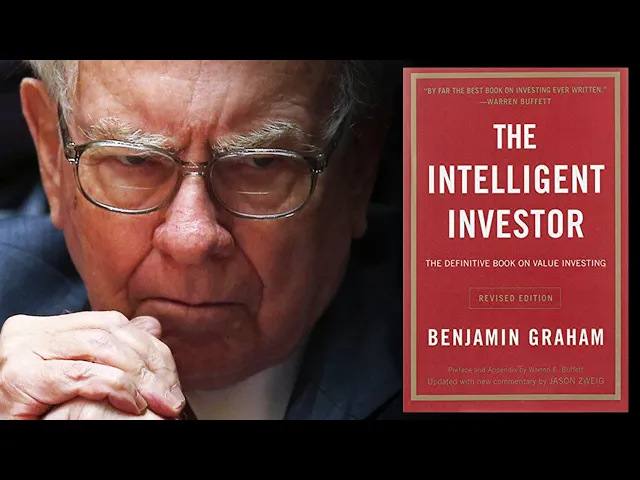
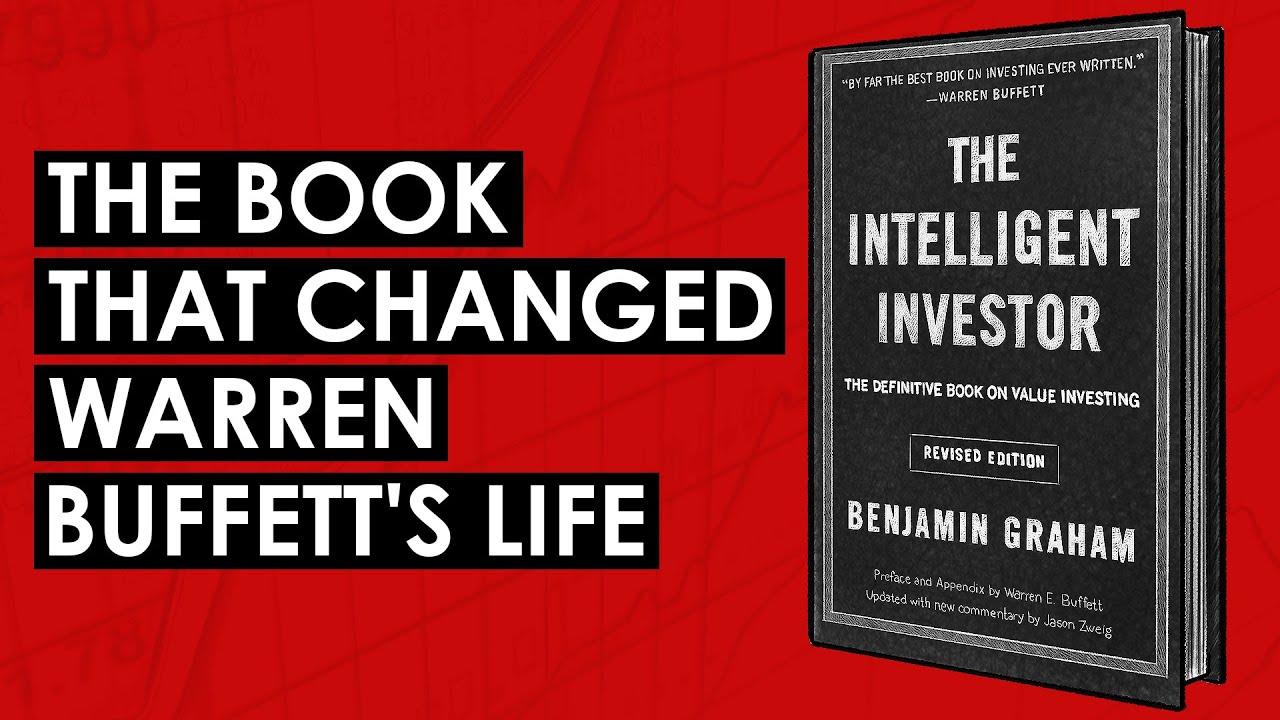
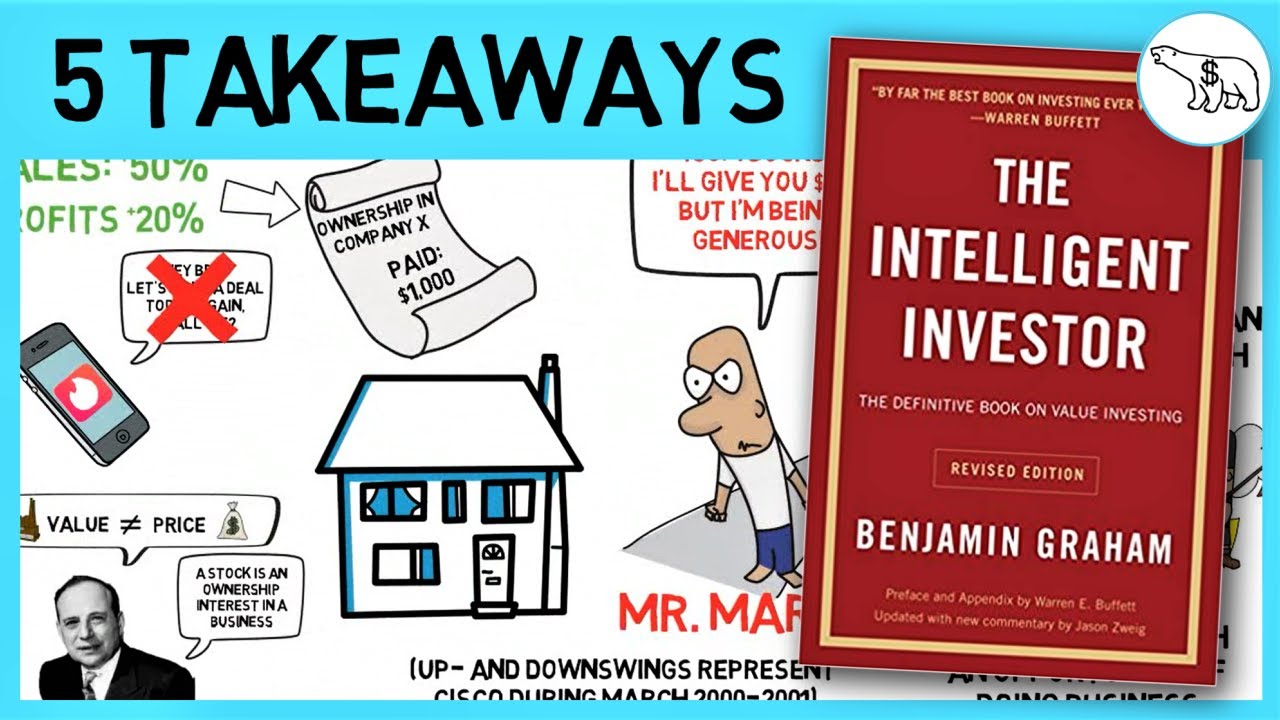
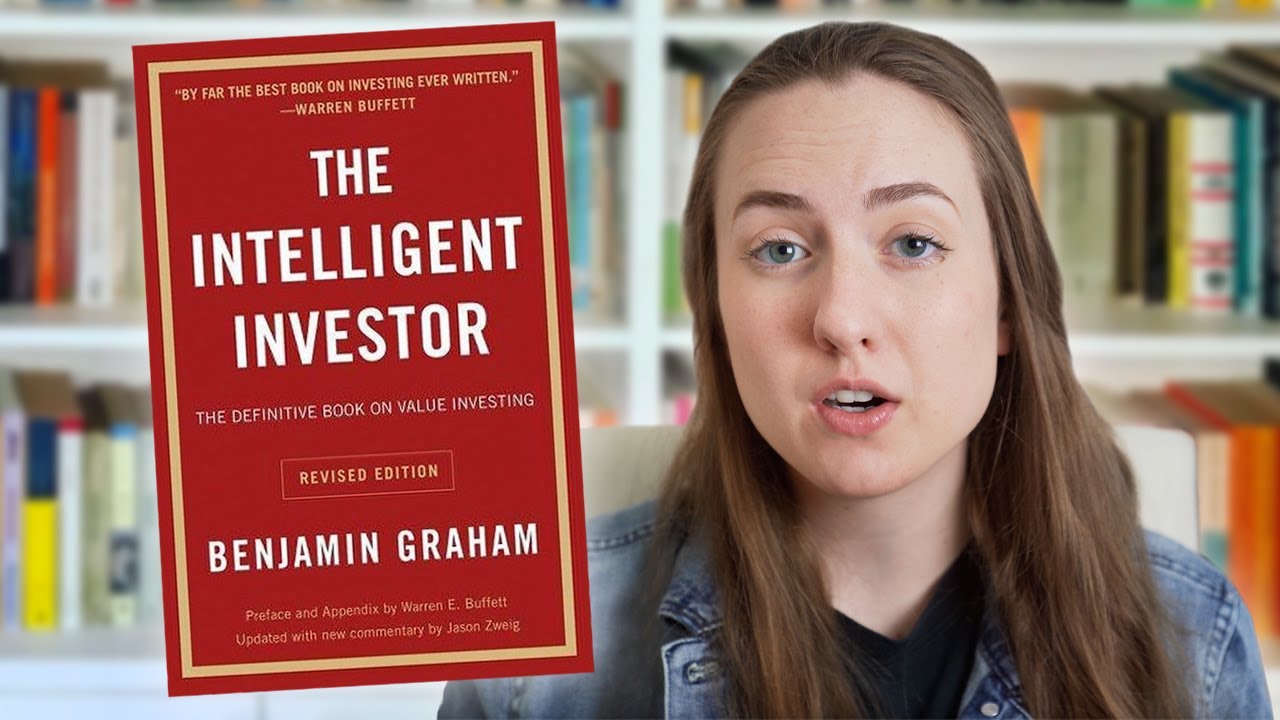
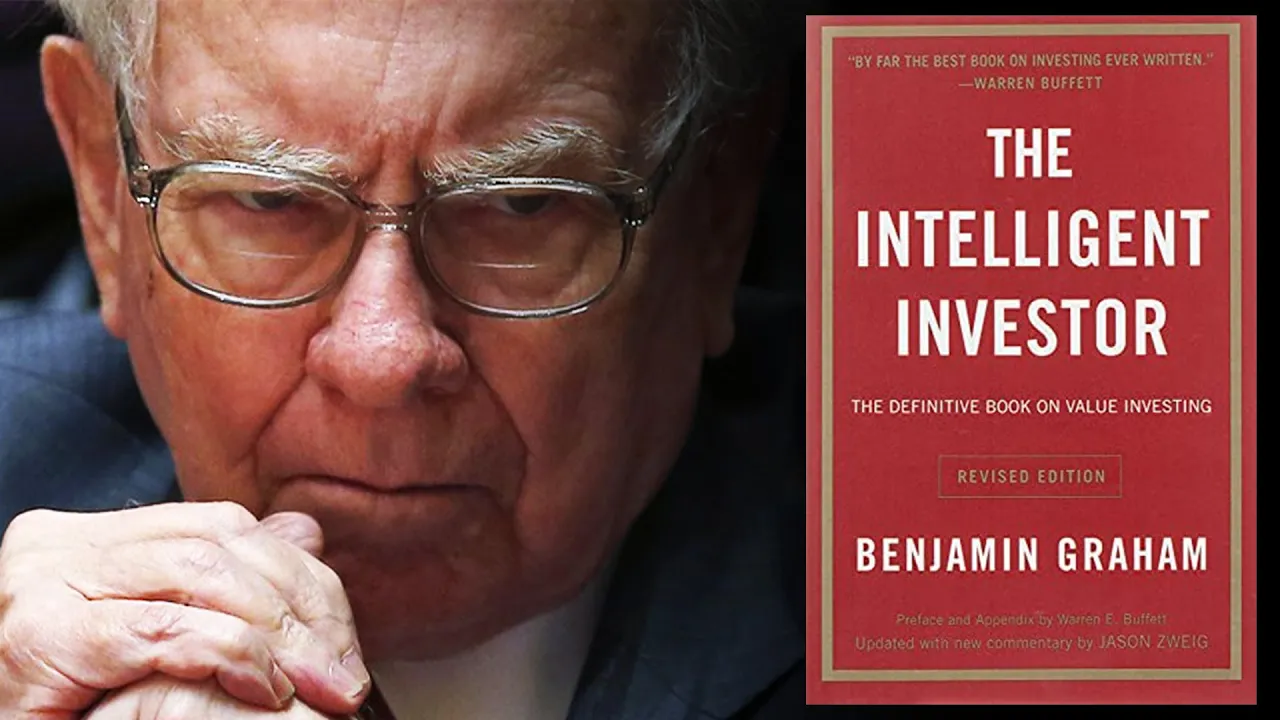
foreign the intelligent investor by Benjamin Graham part one a stock is a part ownership of a business at first I had a hard time getting interested in stocks even when I studied economics I just found everything that I learned about stocks and bonds and all of it just so uninteresting and exhausting all these little tickers going up and down and you have to do all this diversification and own a thousand things around the world that you don't really understand and hopefully some of the tickers go up and over time you make a few percent of
return every year I was starting out with basically no money so I never really understood why I should do all that unless I wanted to be rich only by the time I was senile so I started my own business instead a much better choice in retrospect then I came across Warren Buffett explaining what stocks were actually about he was sharing what he had learned from Ben Graham and I was instantly hooked everything instantly made sense and I found myself fascinated and excited by it all the idea was that stocks were not pieces of paper or
little tickers that randomly moved up and down they were an actual part ownership of a business and it's not that I couldn't regurgitate the definition of a stock on a test in school it's just that everything else that you are taught goes against what an actual business owner would think and do so it never quite clicked the way Buffett was explaining what he had learned from Ben Graham was completely blowing my mind how cool would it have been to be the owner of Amazon for example I couldn't buy the entire business but I could buy
a fraction of it and that's all a stock was if Amazon did well over time the stock would do well over time granted you didn't overpay for the business obviously there's much more to it than that but if the idea hooks you instantly as a business person it sets you up for a never-ending journey of learning for the rest of your life so now whenever I try to explain to someone what a stock is I ask them something like this how would you have liked to be a 50 partner with Jeff Bezos or Elon Musk
Jeff and Elon would have worked day and night for you as their partner and if they succeeded you would succeed now you simply don't have billions of dollars to be a 50 partner so you have a much smaller percentage in the partnership and whenever I put it this way I see people's faces light up like a giant mystery has been solved this is the power of what a stock truly is actually clicking in your head everything starts to make sense what decisions would you make if you're an actual business owner you wouldn't own a thousand
things instead you would probably own a few things that you knew well you wouldn't buy a business today and sell it tomorrow when the ticker moves up or down a little bit instead you would probably pick your partners carefully and then go into business with them for years there really are two different parts in a serious Investor's life the part before this idea really clicking and the part after it is like a baptism of sorts the other side of the coin this video has three parts in each part I will present an opposing idea this
is what makes investing incredibly hard and also really interesting there are broadly two types of people you'll meet in life the first type are the ones that want to know exact straightforward answers to all the problems and what needs to be done in every situation they want quote unquote experts for example to tell them what to do and they'll just do what they're told this type of person will have a very hard time investing and most likely hate the constant ambiguity then there are those who are okay with there not being a straightforward answer to
everything the ones that constantly sharpen their analytical skills and hope that when the hits the fan their accumulated judgment will lead them to more right decisions than wrong decisions if you have more of this sort of temperament then you'll probably enjoy investing now let's go back to the opposing idea of trading a stock exactly like a business ownership if you started a business with a friend you probably wouldn't leave him a few months later because somebody came along and offered you more money now while it is the case that the constant liquidity in stocks is
probably used more for harm than good there are times when you should probably not be too dogmatic about it if the stock Rises very quickly and your expected return becomes very low as a result it might make sense to sell if you discover a much better idea shortly after purchasing a stock again it might be wise to switch to the better idea as opposed to staying dogmatic about business ownership you should know all the rules but also have a good feel for when to break them in fact Buffett and his earlier more successful days had
much more turnover than he did later the famous quote about holding things forever only came along after he had made so much money that he started prioritizing his relationships and business over making even more money which is completely understandable but not really something a young person trying to build wealth needs to emulate at that stage in life part two Mr Market let's say you had decided to partner with Jeff Bezos or Elon Musk for at least the next few years the next day a drunk person shows up at your door and says that your partnership
is now slightly less valuable in his opinion and that he will pay you a few dollars less than you paid for this has been Graham's idea of the manic depressive Mr market and what people do at this point is panic and give their partnership away it's kind of crazy to think about it that way and it gets crazier when you realize that the market will do this second by second every day now to be fair the reason most people give in to Mr market so easily is because they didn't actually do the research they really
have no idea about what they own or how much the thing should be valued at and it's hard to hold on to something like that contrast that with buying a house if you bought a house today you would do a lot of research have it appraised have it checked for any structural damage or leaks and finally decide it's a good idea to buy you wouldn't go back every day and ask what the price was people would look at you like you're crazy house prices don't change that much neither does the real value of a business
from day to day but because of the stock market the prices can be wildly different just a few weeks apart when you buy a house you probably like it and think it would be a good place to live for at least the next few years if most people bought businesses the way they buy a home they do much much better even the way you use your words is critical to how you're going to act I hear people say something like are there any stocks that are a good play right now that's horrible there are no
plays or stocks I don't even like the word stock there are businesses that you can buy today that might be a good investment for at least the next few years just like buying a home the other side of the coin now let me be fair and show the other side of the idea of Mr Market which I do believe is a little oversimplified otherwise everybody would do the right thing and investing wouldn't be so hard what if I told you that you were an Amazon owner during the great financial crisis and the manic depressive Mr
Market who's had a little too much to drink comes to your home and says that Amazon isn't a good investment well of course we wouldn't listen to Mr market right well what if I told you that Mr Market isn't actually that guy and it's George Soros now what essentially the decision that you have to make is that you are right and George Soros is wrong or a lot of times you are right and a team of dozen phds are wrong notice how this is a lot more complicated of a situation than the oversimplified Mr Market
in fact investing is one of the most arrogant things you could ever do do not be fooled by the exterior soft humble demeanor of investors like Buffett and others essentially every time you buy and sell something you're implicitly saying that you are smarter than some of the smartest most well-educated people in the world and you better have a good reason for why you think that in fact it is overwhelmingly more likely that you're just delusional now with a deep philosophical grounding it's not hard to get to a point where you realize that somebody with a
PhD from a great school is just another clueless hurt overgrown child sometimes even more hurt than other regular overgrown children and most of the time has no idea what he's talking about but most people won't ever get there philosophically and will continue to treat that person like an infallible expert so the best thing to do for people who don't fantasize about businesses day and night is to index just like Buffett suggests part three margin of safety Buffett sums up this idea perfectly he says when you build a bridge you insist it can carry thirty thousand
pounds but you only drive ten thousand pound trucks across it when you talk to some people about their investing thesis sometimes you'll find that everything has to go perfectly and we might make a small return that's a terrible way to set up the odds you want to tilt the odds in your favor such that we're going to make a ton of money if everything goes perfectly but if everything completely falls apart we're still going to do okay you don't want an investment that in the best case scenario doubles and in the worst case scenario goes
bankrupt you want to look for things where maybe the best case scenario is a 10 bagger but in the worst case the downside is well protected and maybe it stays flat this is essentially what margin of safety is about the other side of the coin now people take this concept way too far sometimes for example if I said I wasn't going to go on walks anymore because I could get hit by a car and I don't have enough margin of safety my life would be extremely miserable in the same way for some people there's never
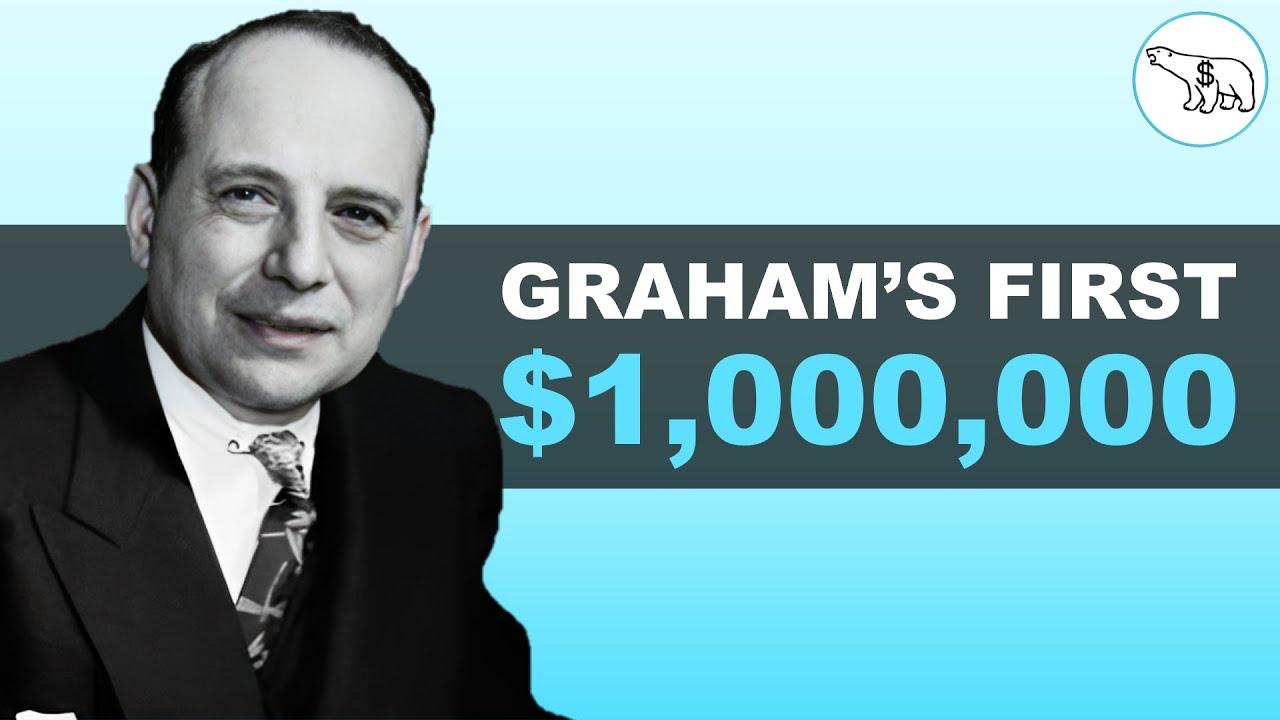
enough margin of safety with anything of quality and instead they look for it in extremely poor businesses these businesses seem like they have enough margin of safety Until you realize that the business is so terrible that there was a reason why it was so cheap even Ben Graham himself made his best investment in Geico where he essentially broke his own rules about margin of safety and paid up for something of quality again we're back at having general concepts in our heads but constantly developing Superior judgment so that we know when those Concepts and rules need
to be possibly bent or broken part four conclusion honestly I would only recommend this book to someone if I wanted them to hate investing and never learn about it the book is extremely long for how little it has to teach it's overly complicated for no reason and is completely outdated the outdated part isn't Ben Graham's fault because investing is a game that constantly changes you can't write a great book for something where the rules constantly change if I wrote a book about the YouTube algorithm it would be a terrible book in five years no matter
how well I wrote it it was absolutely the best book in the mid-1900s but there is no reason why this book needs to be worshiped to the extent that it is apart from the general respect for it for being a huge part of the stock market history now let me make sure to warn you to never say any of this in any sort of investing cult and there are so many investing Cults it's like high school where these little dorks form all these little groups and label themselves with nonsensical names like value investors growth investors
Etc especially do not talk badly about the intelligent investor if you ever find yourself in some of these value groups where people think they're great investors because they drink six Cokes a day just like Buffett and eat peanut brittle all day just like monger the same way a pseudo-intellectual has to pretend to constantly be reading Dostoyevsky in his spare time the pseudo value investor has to pretend to constantly be rereading and enjoying the intelligent investor and security analysis on a more serious note the book has three major Concepts which were discussed in this video they
actually all have an opposing side that you have to be careful of as well a lot of times you'll see people who would have thought something like Google but read Ben Graham and bought some concrete Factory instead that went bankrupt investing is hard there are very broad guidelines and no perfectly set rules if that excites you instead of overwhelming you it might be something you want to look into more oh and please do not read the intelligent investor as your first investing book people tend to have some weird unearned sense of accomplishment from reading a
book over watching a video or listening to a podcast but if you must read an investing book to get started I'd highly recommend one up on Wall Street by Peter Lynch over any other book thanks for watching