these three pitch decks have amassed over 20 million views and are basically the reference that thousands of Founders have been using for years and these are great decks but you should not copy them unless you understand why they work and the context on when they were used so in this video I'm going to tear them down study their structure and show you what we extracted from them to build a framework to tell company stories the first and by far my favorite deck on this list is Airbnb the company didn't publish the slides we have them
because someone at Business Insider who was in y combinator demo day back in 2009 took photos and then the internet took care of putting together a deck based on the photos The crucial context you need here is that this is a demo day deck which means that it was designed for someone to present it it doesn't have descriptions on the slides because the CEO was expected to narrate it and it was made to be pitched within the time limit of 3 to 4 minutes which is usual for demo days that means that the pitch sck
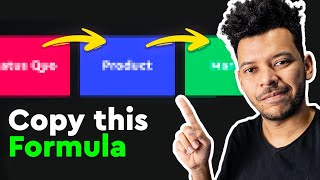
that got them funded definitely had more slides than we got to see this is also a seed stage deck the company had raised a little bit of money bootstrapped for a little bit and had a working product so let's arrange the slides in our pitch framework you'll see that overall we follow a typical structure going from status quo to the product to Market to the Y Us section now we're missing an Ask section and we're missing traction numbers which would normally go in the market section but understandably this company probably didn't want to disclose those
publicly at demo day now some highlights on the problem solution combo is that the problem and the solution slides are almost like mirrors of themselves which I actually love notice how in the problem slide every statement is clear it's clean and undebatable if you go with problems that are more like opinions and those opinions are not shared by the viewer or the reader or the investor you might just lose their attention right away if you're using numbers adding the source is a good idea to confirm to the reader that this is not just your opinion
but that isn't always possible of course now compare that to the solution slide notice how each of the three statements basically answers one of the problems that we posed in the previous slide almost like they're mirrors of each other again we call that part the problem solution combination and it's really one of the hardest parts to nail on any deck now moving on we have Market valid which I consider an optional slide but in this case it's quite crucial since the idea of staying at a stranger's home was new it was important to highlight that
people were actually willing to do it to a rich venture capitalist crashing a sofa with couch surfing might have been disgusting but this is undebatable proof that something similar to Airbnb was already happening now coming up to the market slide this is probably the slide that I would have changed the most let me explain why first we still haven't been told how the company makes money so it's hard to grasp Tam or total address Market also to me the market size slide should go in the market section after we're told how the company makes money
because the time slide should answer the question of how big the company's going to get so ideally we should have done some math that would look something like this maybe in part because they didn't show Revenue per trip or maybe because they didn't have the number figured out yet this Tam slide doesn't estimate the dollar value of the market just the number of trips so they did a tam Sam sum approach and they did this stop down estimation assuming that they would capture 20 % of their serviceable addressable Market saying that you'll take 20% of
the market is a bit arbitrary so it's much better to do a bottom up approach using a well-founded number of users as a base and again multiplying that by your average revenue per customer this Market slide was so off interestingly that Airbnb did about 448 million trips in 2023 almost all of the service LEL Market that they mentioned in other words that number was pretty close but the 20% car route was totally unnecessary next there's a product slide which again feels a little lost because we've just been talking about the market I would assume that
these product screenshots were animated on screen but I guess we'll never know going down to the business model the simple answer we take a 10% Commission on each transaction only that I think would have made for a great slide even showing what the average commission is based on the average trip size what the founders did here is run a few projections to understand where the company could be in terms of Revenue which normally you would do in the financial forecasts slide but remember that this is a public demo day pitch deck this market adoption slide
I feel is also a compromise that they made in the interest of making a short demo day deck what they're doing here is essentially merging two slides they're merging the traction slide and the go to market slide notice how it touches on their traction with the Partnerships they've made and it touches on their marketing strategy so with this slide what they showed is that they understood how to get customers they understood how to build Partnerships and more crucially that they were more clever than the competition this section on the right refers to the hack or
bot that they built where every Airbnb listing got automatically published to Craigslist this hack ESS entially hijacked Craigslist to get them to Market which obviously worked now go to market slide should not be just a list of marketing tactics instead it should be exactly this just bragging about the stuff that you're already doing the stuff that's going to carry you to the next fundable Milestone a pretty standard to access chart for competitors and for Secret Sauce competitive advantages and finally this is airbnb's deck against our framework overall notice that it has pretty standard structure I'll
get back to this chart as we go through the next couple of decks oh by the way I wasn't a fan of the design granted this is 2009 deck so we made a nicer version that you can use as a template on slbe I also asked my design team to do a fullon redesign which you can also download as a reference below next up let's look at Uber's pitch deck again a real deck from the company that they used to raise their first money in 2008 in this case shared by one of their co-founders in
a medium post the first thing I'll say about this is that this is a long deck there are a couple of slides here that I would just completely remove but the clear context that you need here is that this is an email deck where each slide is supposed to be self-explanation story so the team actually does two problem slides which are actually very solid on their content part I would change a few things on the design but I'm going to show you the original version First what I love about this content is that it's such
an obvious pain point that we were all experiencing they just observed it and proposed the solution Sometimes the best problems are just HD it in plain sight two slides for the solution that's perfectly fine they both focus on the abstract concept of what they did right without getting into the details about how it's actually going to work I would have avoided so many bullets and maybe I would have tried a more visual approach maybe something like this notice how I use the title of the slide as an extra bullet and by breaking the content into
three columns it makes it seem more readable and saves me a slide by the way the number of slides is not as critical as people think it's more about the time that it takes to consume the deck than the number of slides next up features I think the key differentiator slide is solid though images could have made the slide a bit easier to read same with operating principles some of which they didn't seem to follow as closely as they let on anyway I felt environmental benefits was a bit of an Overkill slide maybe because we
already have two feature slides but especially because we are already at slide seven into the deck and we still don't know how the product looks but funny enough we don't get a glimpse of the product at all in this pitch te there just wasn't a product this was just an idea back then it's different times certainly in this day and age unless you're a Founder with some exits under your belt I think it's really hard to raise money just on the idea investors expect at the very least an assemble team that has started developing some
product Concepts the idea for Uber is very well elaborated in this deck but even so in 2024 this would probably be a red flag use cases is a great slide and I think a critical one remember that this product didn't exist so some extra context was necessary to prove that this is something that people would actually use at some point the user benefit slide feels redundant against features so I would have definitely compressed those now notice how so far we're 15 slides in and still in the product section of the deck and this is what
I mean when I meant that the deck is running a little long though the most crucial slides in this whole section aside from the problem/solution combo are probably these two the technology sadly for all of us the idea for search pricing probably derived from this slide now we have three slides for Tam which is a bit too much and the first one is the most crucial one which is painting a picture of the taxi and the limo service market and how it's growing and and how it's fragmented and while their Market is in smartphones the
whole premise of this product was the rise of smartphones and just giving everybody a GPS so it's perfectly valid to have a slide about that now I don't see potential outcomes slides very often but they were usually quite insightful in this case they were actually very realistic about their worst case scenario and what the company could become if they failed but funny enough their best case scenario was $1 billion in annual revenue they did $37 billion in Gross bookings and $99 billion in Revenue in 2023 but I'm sure if they would have put that on
a slide people would have called him crazy now the go to market section is probably the best in this deck it's straight it's to the point and with a clear Road mapap of Target cities and the logic behind why they're targeting those cities they were very realistic about their very early marketing ideas because again the purpose of this round was mostly to build the product in a pre- iPhone World mind you please don't use this traction progress to date slide as a reference on your pitch decks cuz you can probably do all of these things
in a day using today's technology so it's nothing worth bragging about especially provisional patents which we have a whole video about those no team no budget no Financial slides no ask but there's a good chance that these slides existed and they were just edited out to make the deck public and that's your Uber pitch deck following a great story arc almost on par with the framework and here's a link to the template that you can use to build a deck of your own following the exact same structure using our AI Builder I also asked our
design team to do a full redesign of it which I'll also link below as a reference now the last deck I'll reference today is from a B2B SAS company and it's a series a deck which are much harder to find online these days this one was shared by mild Colleen the CEO of front for their $10 million series a round and it's genely a fantastic deck completely opposite to Uber's pitch deck which had 13 slides about the product this deck has just two this and this that's it notice once again how the problem is clear
it's straightforward two sentences backed by some data and reinforced by some visuals that's all you really need the solution again almost answers these questions and explains the product in the abstract a multi-channel email client the only other slide on the product section is this road map slide that's that's it there are no more screenshots demos nothing now this may sound super counterproductive but at series a stage investors care less about the product itself and significantly more about traction seven out of the 20 slides in this deck are just about metrics a whole third of the
deck it starts with simple traction dropping brat names customer satisfaction Mr growth look at the beauty of that chart with that 5.4x year-on-year growth in subscriptions turn rate an incredibly healthy turn rate below 5% and a net negative Mr turn rate we have a whole video about size metrics if you want understand what I just said they even shared a cohort table of customer retention and net negative Mr growth I almost have Envy at this point with such insane metrics and their go to market slide is another favorite in so few words they are able
to describe their core channels but more crucially they proved how well they understand them and how well they track them Capital efficient solid but realistic projections including not just revenues but the team scaling more than a solid deck you're looking at a truly fundable series a business but the lesson you all should take from this deck is that at this point metrics speak more than product screenshots series a decks are metrics decks by all means now if you want to learn what happens after you send your pitch sck we made a whole video about that
also remember our team's available to do anything from redesigning your slides to reviewing your pitch sck to actually riding your pitch deck from scratch happy to help we'll see you in the next one [Music]



![Ultimate Pitch Deck Guide with Examples [in 2022]](https://img.youtube.com/vi/iHNwH4oiPIE/mqdefault.jpg)