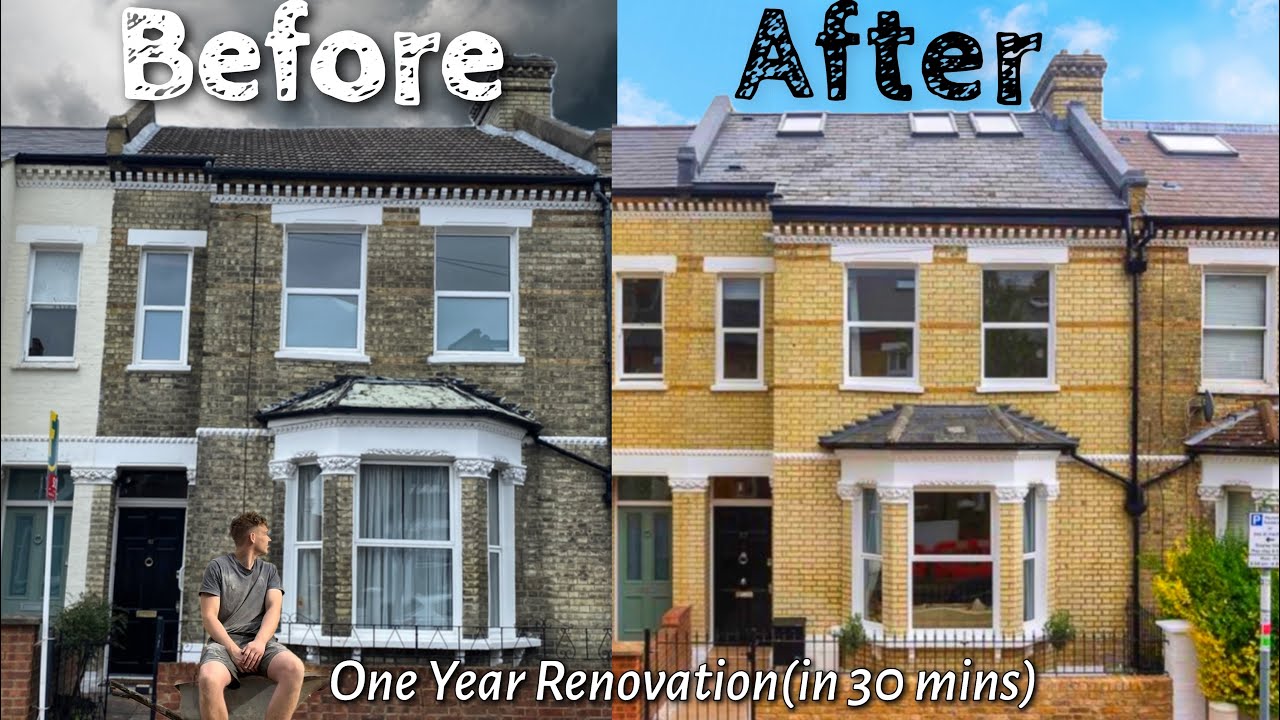
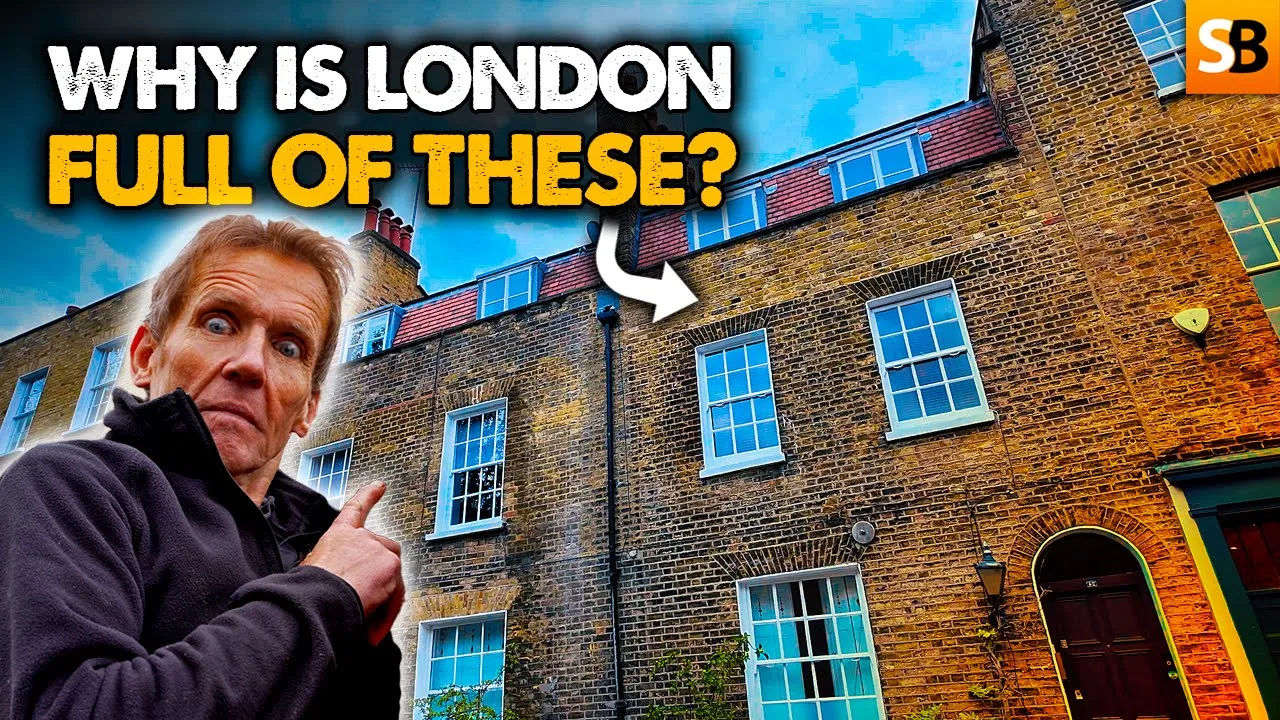
[Music] anyone who lives in London or comes to London regularly will be familiar with these yellow bricks that we call Yellow London stocks Now Stocks are called stocks because they were basically put into molds called stocks which could be made of wood or iron or something like that and the bricks were just molded in that way each one by hand now a lot of people will think about bricks as being red and wonder why these particular bricks are this color well it's a combination of things really one is that they used a very low quality
clay so rather than digging deep for the clay they just basically used the clay that was blown in from the Ice Age and deposited around the London area on top of the the better quality clay if you like and this was called brick Earth and really what you could do is just scoop it up from the ground and make it into stock molds and fire it up and you got yourself a brick but to keep the brick together to bind it together a little bit they also used quite a lot of chalk quite a lot
of lime in it and what they also did is they added Ash and bits of coal and anything they could find like that and that's why you get all these black flexs in the bricks so the Ash and the dust and all the bits of cold Dey and wood ash and everything else that went into making these bricks that they mixed in with that low quality clay and the chalk that was collected from houses which were burning coal and burning wood and everything else and it was collected by men who were called dustmen and they
carried this off to the brick makers and sold it for a penny or whatever they got for it when they fired These Bricks up they didn't do it in kils they were just scooped up from the ground around here and once they'd been formed and laid out in a field to dry for a while they were just stacked up in piles sometimes 60,000 sometimes 250,000 and bricks and in between the piles in the kind of tunnels if you like that they built they would load those with coal and wood and anything they could find to
make a fire now one thing that kept the temperature low in these clamps was the fact that they used a lot of green wood and that added to it and it produced a kind of steam plus the fact that the clay wasn't always dried out in theory they dug the clay put it into the molds turn them out of the stocks if you like or the molds and laid it out in the fils to dry but you know in England you can never rely on the weather and if it turned wet and they needed the
bricks they were going to put those wet bricks into the clamps and fire them up and so basically what you got was almost like an auto clave they weren't just firing the bricks they were steaming them now one effect this had was that you got a lot of steam so therefore you got a lot of Airways in it the bricks were quite porous because they weren't so dense and although you might think that was really a bad thing actually it turned turned out to be a blessing because it meant that although they could absorb water
readily they could also release it which is why you often find that you don't get spoiling on these bricks even though they've been repointed with strong sand and cement it doesn't actually cause any Frost damage on the bricks themselves if we look more closely at these bricks you'll see all the little black flexs and impurities in them and they were once considered actually these are very nice quality bricks these were used on the facade I reckon if you went around the back and the side of these houses you would see where they've used the lower
quality bricks so although These Bricks were a lower quality they were abandon they could just dig the Earth up from around wherever they were building build the clamps not the kills the clamps that they fired the bricks in and then just make the bricks and move on and by that process they would then build in the next field and then dig out a bit more of this brick Earth and in that way London spread the urban sprawl [Music] began so this building was built in 1764 and you can see the very uneven bricks these have
be the real deal you can see some of them are black and those would have been Char and cold us but at some point these would have been dirty color so they've been cleaned up quite a lot you see around the windows try to put in a bit of variety and a bit of feature so here you can see some perfect examples of London stocks but you'll notice that they do change from one building to another you can see these ones are the old ones with the black Fleck in them and then you move around
some of them have been cleaned which is deceptive but there's clearly a difference between those bricks in that place over there and these ones here and the reason for that is well basically Adolf Hitler cuz everybody knows about the London Blitz and the fact that there was intense bombing if you walk along a street you can see the missing teeth if you like where buildings were destroyed and in some cases they were put back in the style as in this case beautiful continuation lovely looking buildings and um in some cases they weren't in some cases
they just had to get things built but I remember cuz I grew up here in the 1950s I can remember one of the highlights one of the things that we really enjoyed doing was playing in the bombed out buildings on the old bomb sites you could go up into these buildings and entire sides of the building have been blown away and You' be standing there three stories up looking down and nobody bothered about anything in those days that was just kids playing nobody told you not to so you can see the black Flex in these
bricks and this to my mind is what gives them such character they're by no means perfect and you will find that they've cleaned up these have been cleaned up and so a lot of that black that we saw was really just atmospheric pollution so here these are considerably darker These Bricks but you can see if you look if you scratch the face of one of them you would see that they were yellow underneath and this is entirely due to pollution this is entirely due to the fact that London was a very filthy place for many
many years with the coal fires and everything else and they just got black over the years the bricks got black now if you look at Downing Street which was actually designed by Sir Christopher Ren the buildings in down Street are black with white pointing and they were originally made from yellow London stocks and the reason that they're black now is because when they clean them up people didn't like them they looked at it and they thought well that doesn't look like Downing Street that doesn't look like the iconic buildings that we know so what they
end did was to paint the bricks to make them black again which is crazy because once you paint bricks you got to keep painting bricks that's the the advice of the Prime Minister never paint your Bricks now you wouldn't imagine that a humble brick could create much controversy could you but there are people that dislike for whatever reason yellow London stocks with a passion and there are other people like me who just love them and I suppose one of the reasons why I love them I suppose you could say is because I was born just
here and I was surrounded by these buildings these tournament buildings beautiful RW iron balconies and it was yellow London stocks everywhere so they are my earliest memory and the place I was brought up in the early days anyway until we moved out of London into the boring Council States the place I was brought up was Northampton buildings which I demolished and I thought they were going to build something else there but they didn't what they did is this they left it as an open space this is now called Spar fields and this was basically where
I used to live back in the day is it an improvement I suppose it is really so here's a great example of the old red rubbers and the way that they haven't stood the test of time at all all down here you can see the degradation bit of frost damage they pointed it all up but over here you can see the old yellow London stocks these walls would have been here when I was a kid but it looks like these are probably salvaged they may have even be salvaged from when they knocked down those buildings
that I lived in and um that's what happened quite a lot is that people reuse the bricks and it's unlikely that any quality houses would have been built using secondhand stocks but certainly extensions and the odd brick wall here and you know all sorts of bits and pieces where people have added and change buildings maybe bricked in a window they would have used the secondhand bricks and the secondhand bricks are now very valuable indeed I mean two three quid a time you know they just pick them up the guys go through the rubbish picking them
out and um selling them so what you find in various parts of London is that they've got these little areas these little gardens this one unfortunately is gated off so we can't get in there but you can see that down there is a lower point and just up here you can see the houses through the trees the reason that you've got this hole in the ground if you like is because this is where the clay was dug out to build these houses and when they finished digging out the clay they didn't fill it in to
build more houses they just moved on and left that area there and eventually it was turned into a very nice little gardens all over the place you'll see that where they've cut the railings off just sewing them off these would have been lovely raw iron railings all the way along the top of this wall you can see all the little stubs left in there and that was all done for the war effort when we were looking for metal and obviously we could couldn't import metal so we just had to recycle whatever was available to help
the war effort to build the tanks and so on to fight the second world war and they were never put back you know I don't think they're necessarily needed but there are a few in there Russell square and all these buildings here built a yellow stocks I've tried to make them nicer there by adding embellishments bits of stone around them but you can see predominantly they're yellow stocks and once again down here we have a large area and this is where they dug all the clay out to build those houses and rather than building on
it as they did with many other places they just built on bits where they dug the clay out but here they've decided to just leave it this would have been Lord Russell it's now just the lovely Gardens which is very tranquil very nice and they they close these they've got Gates on them seems to be the way in London there's a rich BL if you're rich you get a statue so here's a great example of what I was talking about with the bomb damage you see what they've put back here they made no effort at
all to blend it in what a shame that although I'm doing a thing on bricks and yellow London Stock specifically today I don't think we can ignore this building as we're here in Russell square and this is just a superb bit of work isn't it how ambitious is that all those lovely little arches there all that stone work fits Ro Hotel just thought I'd go in there and just ask them how much for a room for the night and uh you can get if you book early and you want to go midweek 460 quid for
the night which quite honestly I think well that's a huge amount of money to have a hotel room for the night but in London I'm told these days that if you want to stay in somewhere a bit SW wanky like that that's a fairly standard rate don't come a lot cheaper than that and you can I'm only talking about the queen room there you can pay hell of a lot more than that so brick making in London with those clamps smoldering away for weeks on him with Greenwood and coal and all sorts of other stuff
it got on people's nerves in the end there were a few court cases fought over it and sometimes lost because the builders needed to make the bricks obviously to build the houses so it was nimes saying you know now I've got my house I don't want you making bricks in my backyard go elsewhere eventually they did they made it illegal to make bricks in London and so what we ended up with is bricks being brought in from outside and other building materials like Stoneworks which added a lot of variety to London and the only reason
that this was possible was because of the Advent of the canals and the railway networks which would bring in bricks in from all over the place from from the Kent wield from Essex from Bedford and even as far up as Birmingham coming down on the Grand Union Canal everything changed so the yellow stocks had had their day but now of course they make yellow stocks when they're building buildings they try to replicate it and they try to make a copy of it and they're just not the same basically they're they're good bricks nothing wrong with
them but they just don't have the imperfections still yellow stocks here in this bit but as you can see embellished with with all kinds of other fancy looking brick work and they called this a new square but now it's not new obviously but it was new at the time and what we've got here is the legal quarter we've got the chambers we've got the solicitors the barristers and all the paraphernalia that goes with the high court which is just down the road oh dear it looks like I've missed lunch never mind they might have some
scraps left over for a poor Builder if there is such a thing what a fantastic building my goodness there's a bit of brick book doesn't get much better than that does it all to do with money God these places are so fantastic really aren't they I mean here you are in the heart of London all the tourists running around to see Buckingham Palace Tower of London Tower Bridge and completely missing all these tranquil little spots full of History full of architecture okay so I'm halfway through my little yellow brick road uh tour I'm going to
go get a little bit the lunch and this is one of my favorite pubs in London I absolutely love a London pub especially one with so much character as this this is the old Bank of England there a lot to be considered when you start working on bricks uh it takes a lot of experience and expertise to work out the right materials to use when you're doing this kind of renovation work like they are here and much of that experience much of that skill actually came from the Netherland to low countries Flanders and so on
after the great fire in London they decided that they weren't going to build any more buildings from flammable materials so that meant that a lot of it had to be built in Brick and there was a real shortage of Brick Layers they had plenty of Carpenters but they didn't have many Brick Layers and so brick lers came from all over the place to join the happy throng and uh obviously make some money the ageold motivator you can see here on this little repair that they have got use of yellow London stocks are genuine item and
they've repointed it in a bit of strong sand and cement and they haven't made a particularly nice job of it because the rest of it has got this nice bit of pointing and then suddenly you got these great thick beds here and you can see the beds suddenly get a lot thicker don't you so a bit of a shame that but there you go that'll weather in another 100 years nobody will notice so another thing that's worth mentioning is that when these bricks were made in the clamps the quality was inconsistent they got sometimes up
to 30% of rejects out of a clamp so that's a lot of bricks when you consider that a clamp may be 60,000 up to 250,000 bricks that's a lot of rejects isn't it and what did they do with those rejects well some of them they crushed up and used in the foundations just to build off and some of them they tended to use in internal walls and these bricks were graded by skill guys who would say these are first grade bricks these are okay they could almost tell by tapping them with a trout whether they
were going to stand the test of time they would go on the front of the buildings at a premium and the rest of them would go to the sides of the building or even the backs of the building and the internal walls and that way they used as many bricks as they could but another way that they found to make use of the bricks was when they had a premium grade brick they would often snap their headers now if you look at an English Bond you'll see that in a solid 9-in wall you've got stretchers
going long ways and then the next course a headers going the other way and the idea of that is that those bricks turn the other way will tie the wall together but because they wanted to get the maximum use out of those bricks if they got a good first quality brick they would snap the brick in half so that they got two headers out of one brick and on the inside they would put a lesser quality brick uh you reject or a second or whatever you like to call it and that way they got better
use out of the premium quality bricks but there was a problem there and the problem was that you can see by the way the bricks are bonded together using those stretches and those headers in internate courses that it ties the wall together and when you snap those headers you no longer got a tie between the internal and the external skin and that means that the wall is going to bulge they overcame that sometimes you got a bulging wall and they could see it early and they could put a few wall ties in to hold the
wall together but other times it resulted in a collapse if you buy a house today that's a few hundred years old made of these bricks or any other bricks come to that you've got no way of knowing whether they've used a load of snapped headers on there or whether they've actually done The Honorable thing and tied them through if they were sensible they would have kept a few of those headers intact to tie the wall together so it wouldn't matter if say one in every four headers was a whole one and that would be enough
to tie the wall together but if you get too greedy then you do end up with a wall That's not tied at all and that can result in a sudden and catastrophic collapse as they say when you look at this wall you can see that it's had a little bit of a dip over the time and the mottar being sand and lime has just kind of taken that dip and you can see a bit of a wavy line there where it's gone up and down but it hasn't actually cracked the bricks it hasn't done any
damage really to the building there may be a floor in there that was a little bit out of kilter that they had to sort out but generally speaking these buildings are extremely durable several hundred years old in this case this one was built in 1814 that's doing very well indeed and I reckon it's going to last another 100 200 even 300 years without too much trouble now even though these bricks are dirty they've actually withstood the pollution and the grime of London incredibly well over the years more so than stone stone very often proved to
be very susceptible to acid rain so when you had all the cold fires burning in London and you had extremely acidic rain it would end up eating the stone away alarmingly quickly I mean we may be talking as little as 30 40 years before it started pitting and 100 years before it was completely decayed to the point where it needed replacing whereas These Bricks they just kept getting better with time now you can see that the bricks that they've used here in the soldier course along the top and also the Mullins down the side they're
red rubbers and look how badly they have eroded over the years compared to the good old what we might have called inferior London stocks they obviously put those red rubbers there to give the building a little bit of Distinction a little bit of class did it work not really tended to be a lot worse in the end now I know this is about brick work but I can't help but mention these little things which you find all over the place on these lead pipes and what they are is roding AIS so where you've got a
pipe it's actually a rainb the pipe going all the way up to the top to that head all the way down if they got blocked up they could open the plug up and they could put something down there to clear the pipe clever idea so in the end the red brick started to come in into London thanks to the railways and the canals and the red bricks were an invasive species if ever there was one and happily they haven't overtaken completely even modern buildings very often are built in yellow stocks just to keep the look
but if you dare to venture out into the suburbs you will see red bricks laid in uniform boring rows lacking in character I would say except of course for some notable Exceptions there are nice red brick buildings around of course there are Hampton Court Palace will be one and I will be visiting there to have a look at the beautiful Tuda brick work in Hampton Court Palace in one of our future videos so if you'd like to see that uh keep tuned and do subscribe to the channel and by the way if you've got something
interesting you'd like to show us in your hometown get in touch because I'd love to have a walk around with you and you can show Skill Builders just what there is to like about buildings in your town