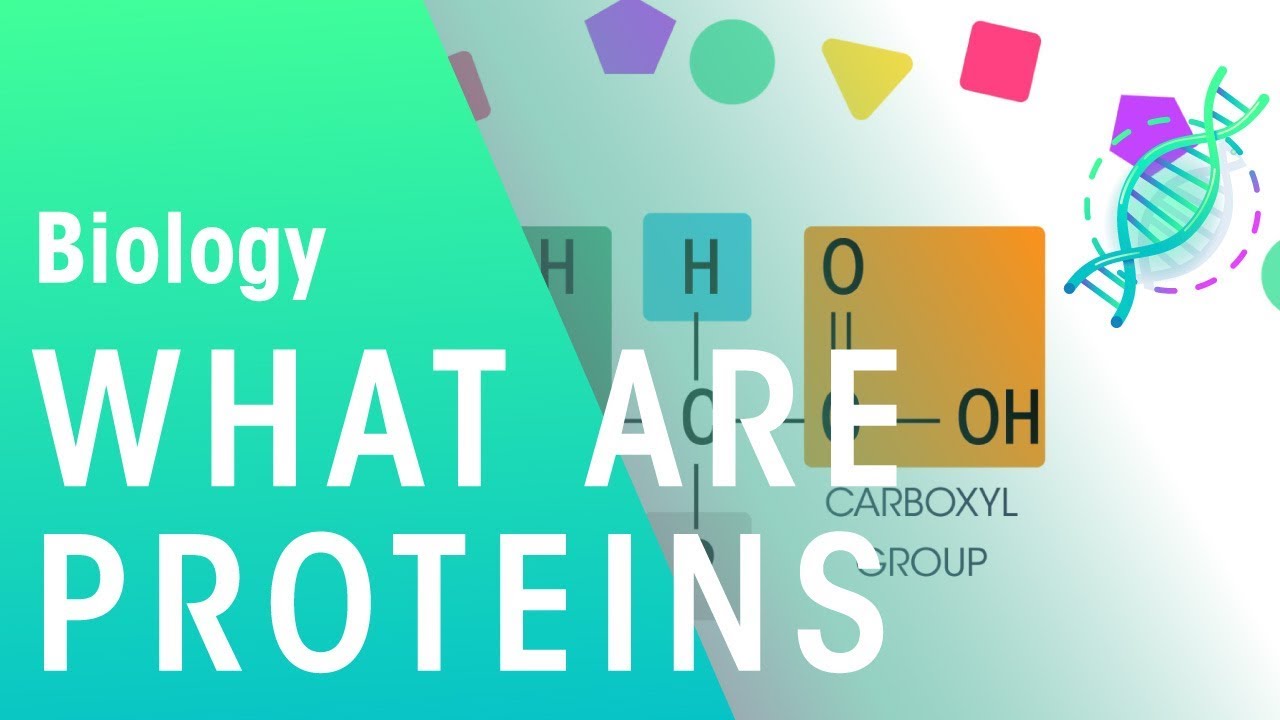
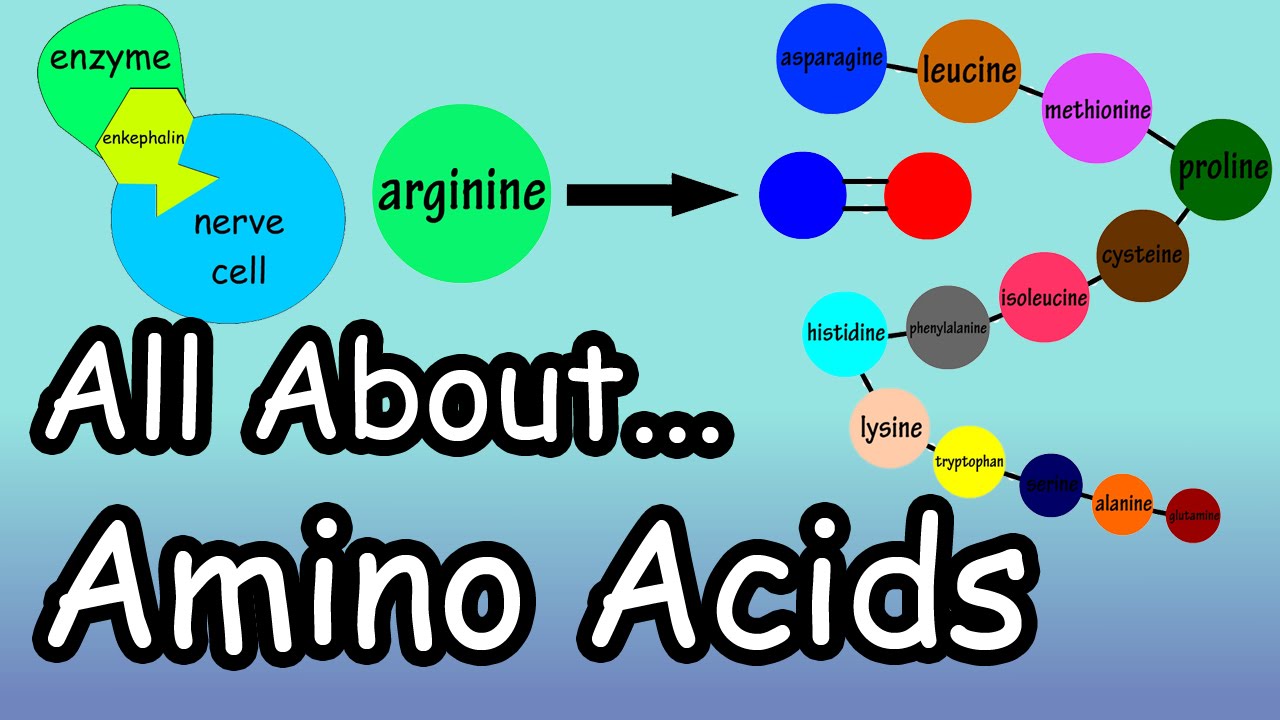
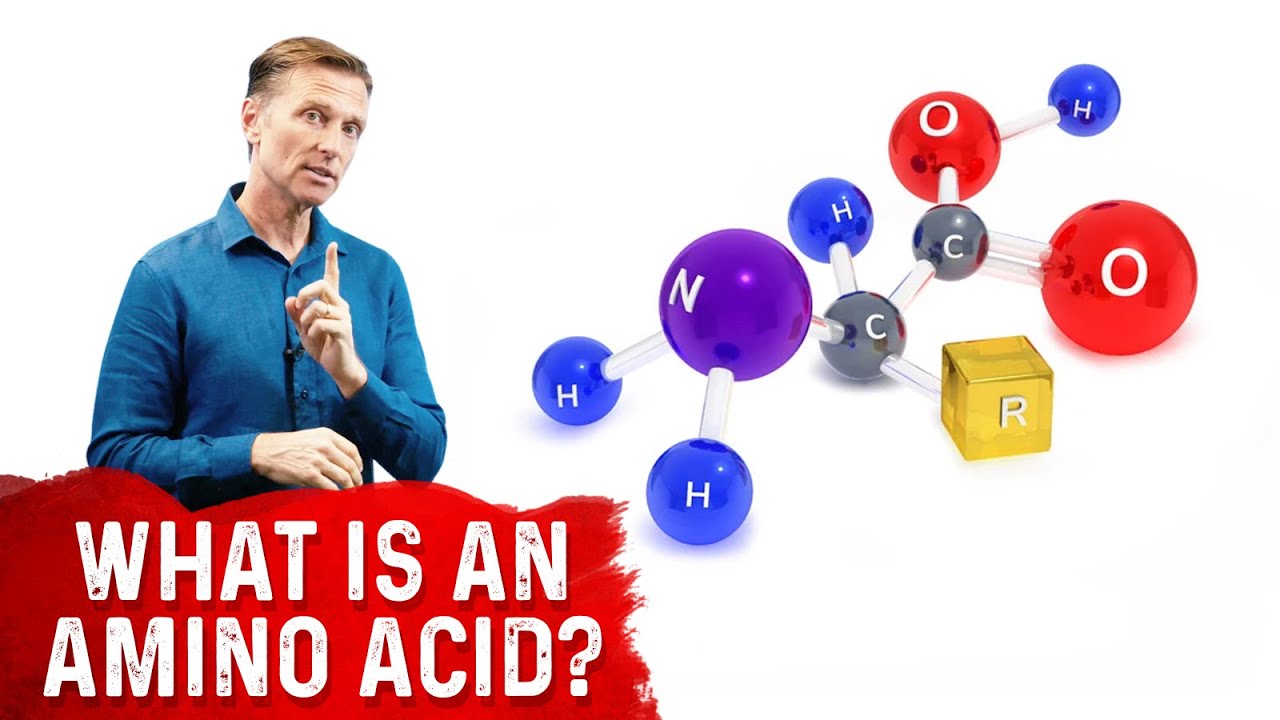
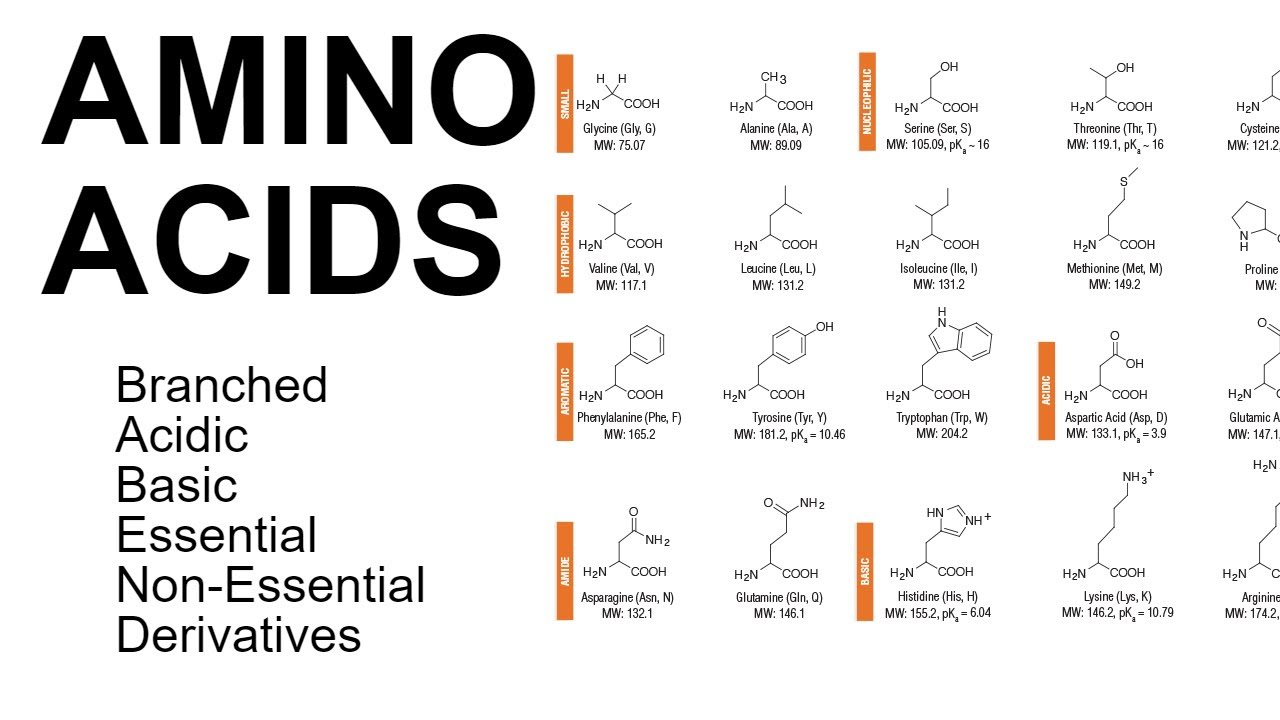
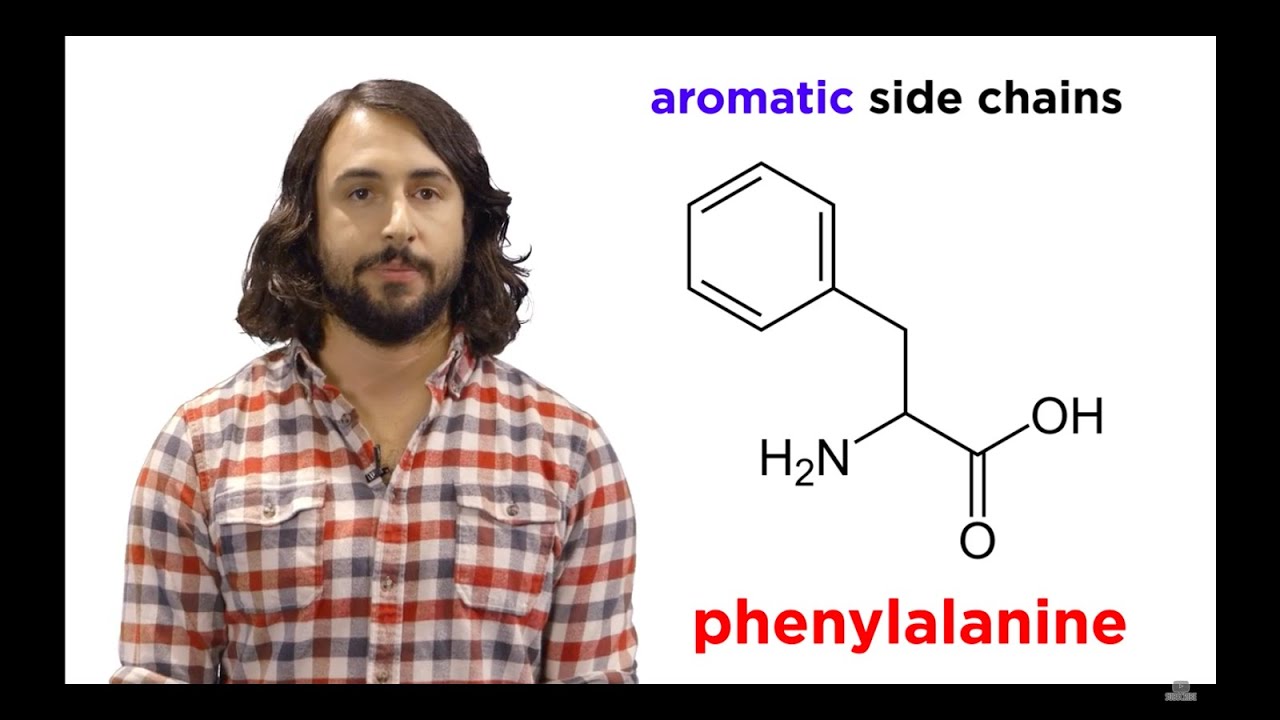
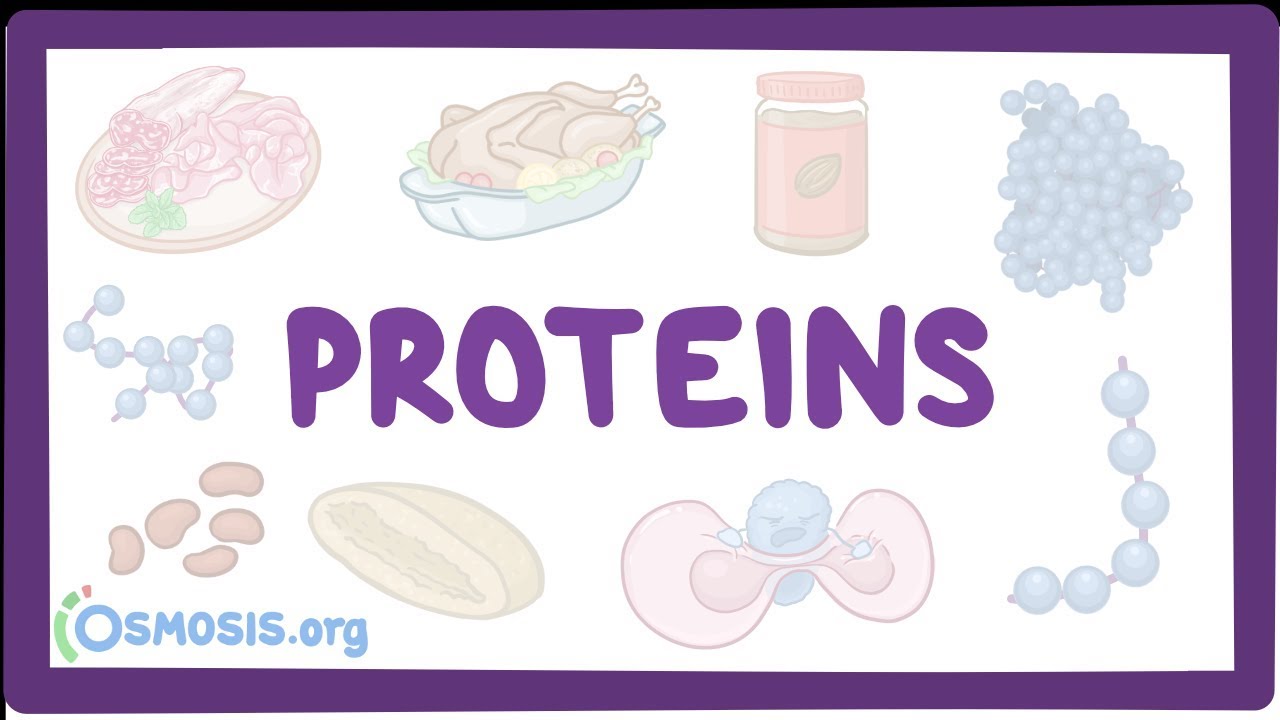
Amino acids are molecules that make up proteins. Protein consumption is important because protein as many functions in the body, such as being used to make enzymes, hormones, build and maintain tissue, construct transport proteins, which transport fats throughout the body, and make antibodies, which help neutralize some bacteria and viruses in the body. There are 20 different standard amino acids that your body requires for healthy function, these amino acids are often classified as essential, and non-essential amino acids.
Non-essential amino acids are amino acids that our bodies can produce, even if we don't get them from food we eat. There are 11 non-essential amino acids. Essential amino acids cannot be made by the body so they must come from foods we eat.
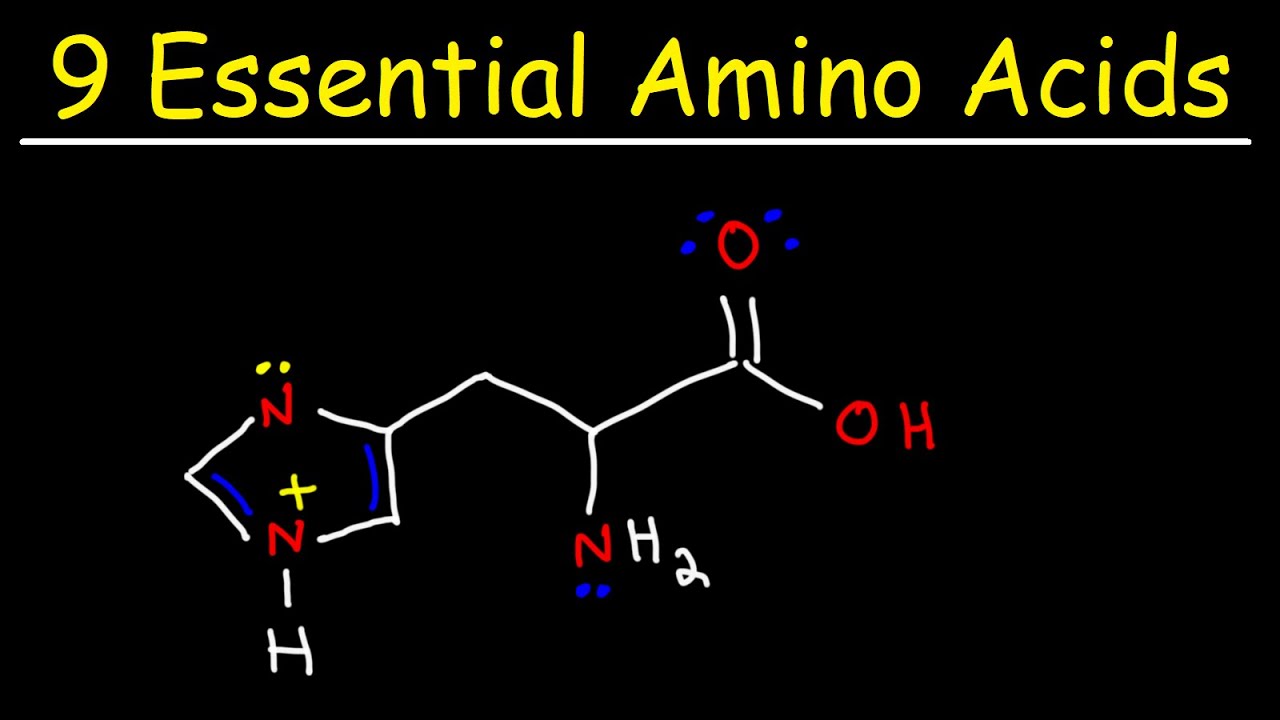
There are nine essential amino acids. So, when we eat foods that contain protein, in essence we're eating amino acids, however, not all protein contains all 20 of the standard amino acids. Protein is often classified as complete or incomplete protein.
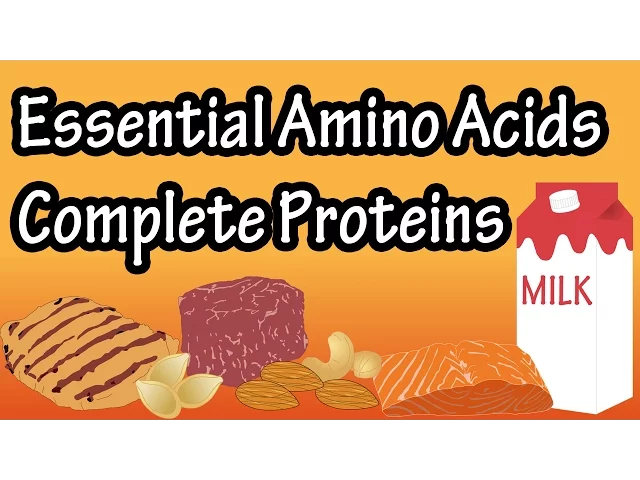
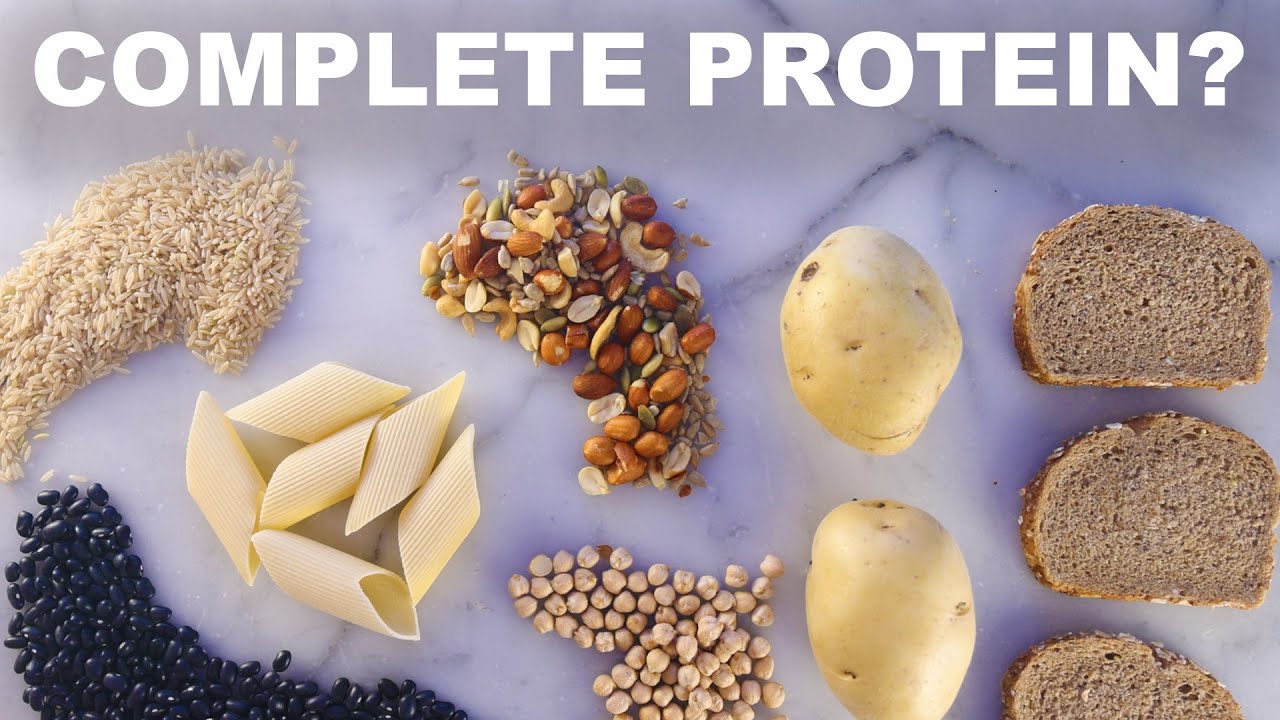
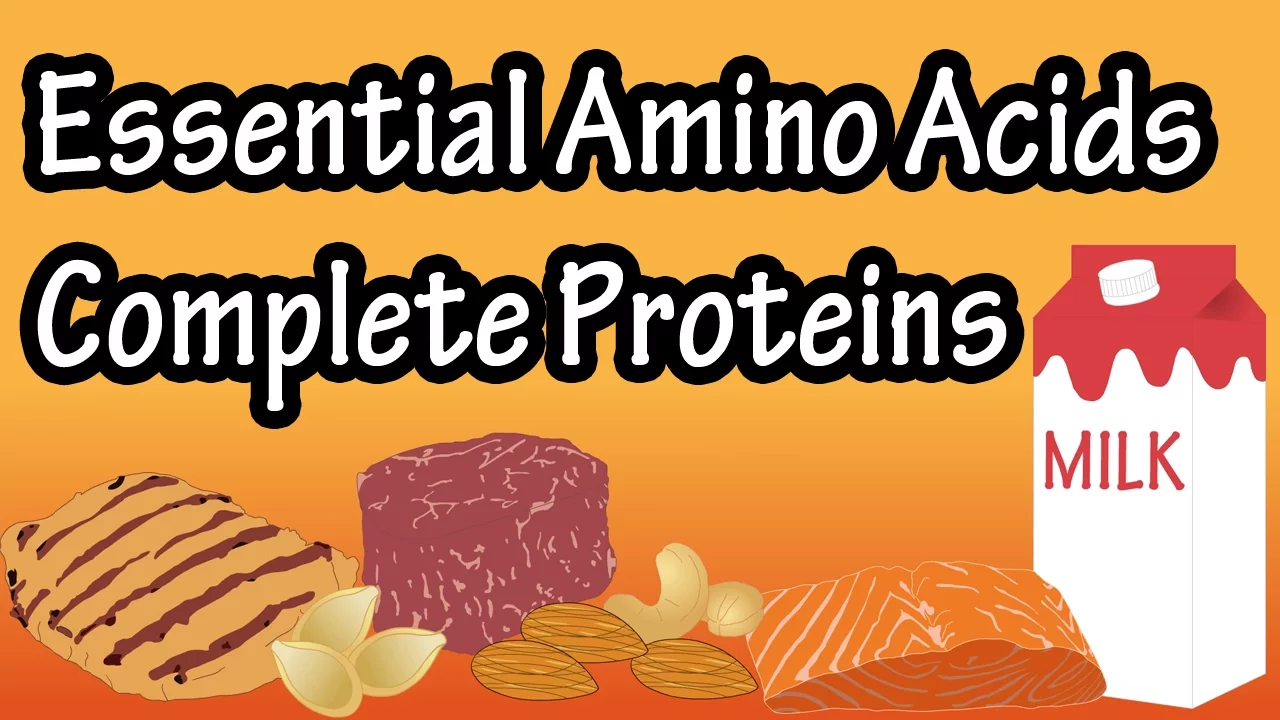
A complete protein is a protein source that contains a sufficient quantity of all nine of the essential amino acids, an incomplete protein does not contain a sufficient quantity of all nine of the essential amino acids. Complete protein foods include animal foods such as red meat, poultry, pork and fish, eggs and dairy products, such as cow's milk, yogurt, and cheese. Plant foods such as soy products, black beans, kidney beans, pumpkin seeds, quinoa, and pistachios, just to name a few.
You can also combine incomplete protein foods to create a complete protein meal or to get the essential amino acids throughout the day. And that be the basics on essential, non-essential amino acids, and complete and incomplete protein.